Playtime is a vital part of your feline friend’s daily routine, providing both physical exercise and mental stimulation. However, knowing exactly how to tell when my cat has finished playing can sometimes feel like a guessing game. Cats are masters of subtle communication, and their energy levels often fluctuate in ways that aren't immediately obvious to their human companions.
Understanding these cues is essential for maintaining a positive relationship with your pet. Over-stimulating a cat who is ready for a nap can lead to irritability, while stopping too early might leave them with pent-up energy that results in midnight "zoomies." By learning to read their body language, you can ensure their care routine remains balanced and stress-free.
Recognizing the Physical Signs of Feline Fatigue
When a cat is engaged in active play, their body is primed for the hunt. You will notice dilated pupils, a twitching tail, and a high level of focus on the toy. As they reach their limit, these physical markers begin to shift. One of the most common signs that the session is winding down is a decrease in the intensity of their movements.
You might notice your cat moving from a full-body pounce to a lazy swat with a single paw. This change indicates that their muscles are tiring and their interest is waning. Instead of chasing a feather wand across the room, they may stay in one spot and wait for the toy to come to them.
The Transition to Rest Positions
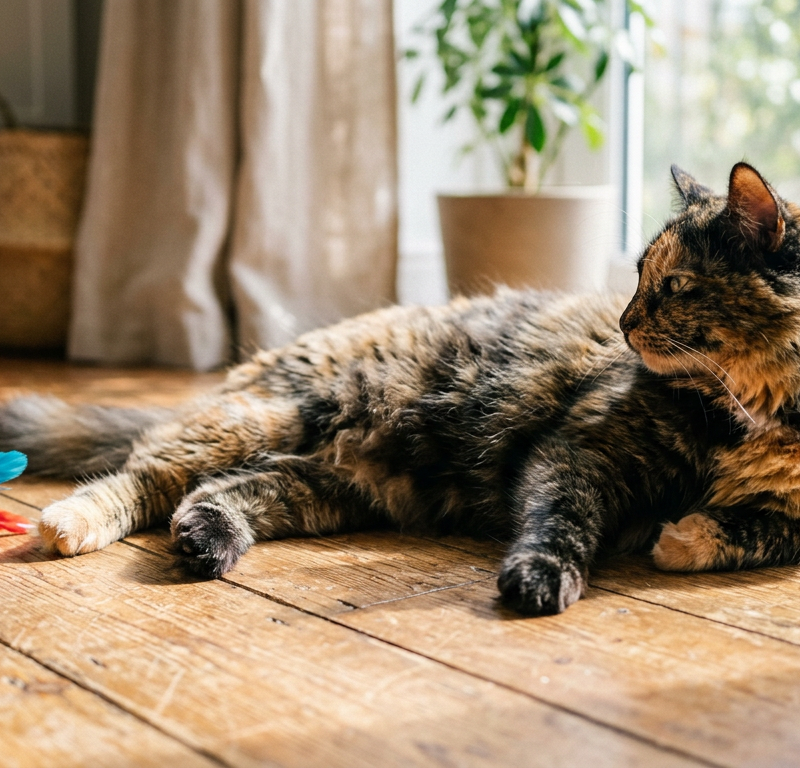
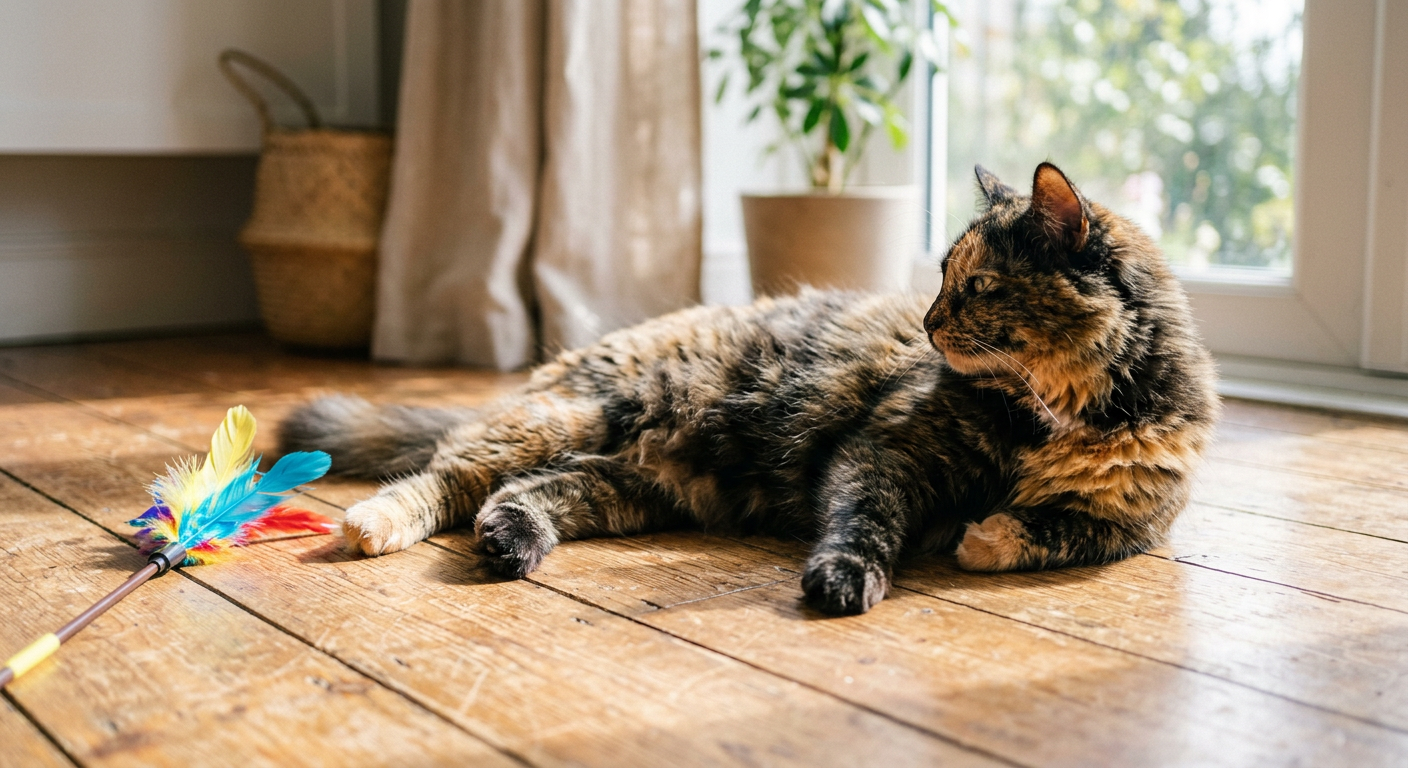
Pay close attention to how your cat positions their body during a break. If they lay down on their side or belly but keep their eyes fixed on the toy, they are likely just taking a "tactical breather." However, if they roll onto their side and look away, or start grooming themselves, they are signaling that the hunt is over.
Lying down with the paws tucked under (the "loaf" position) is a strong indicator of relaxation. At this point, the adrenaline from the play session is dissipating. If you continue to dangle a toy in front of a cat in this state, they might simply ignore it or walk away to find a quiet corner for a nap.
Behavioral Shifts During Winding Down
Beyond physical posture, behavioral changes offer clear clues. A cat who is still "in the zone" will be highly reactive to movement. A cat who has had enough will show signs of distraction. They may stop mid-chase to sniff a piece of furniture or suddenly become very interested in a speck of dust on the floor.
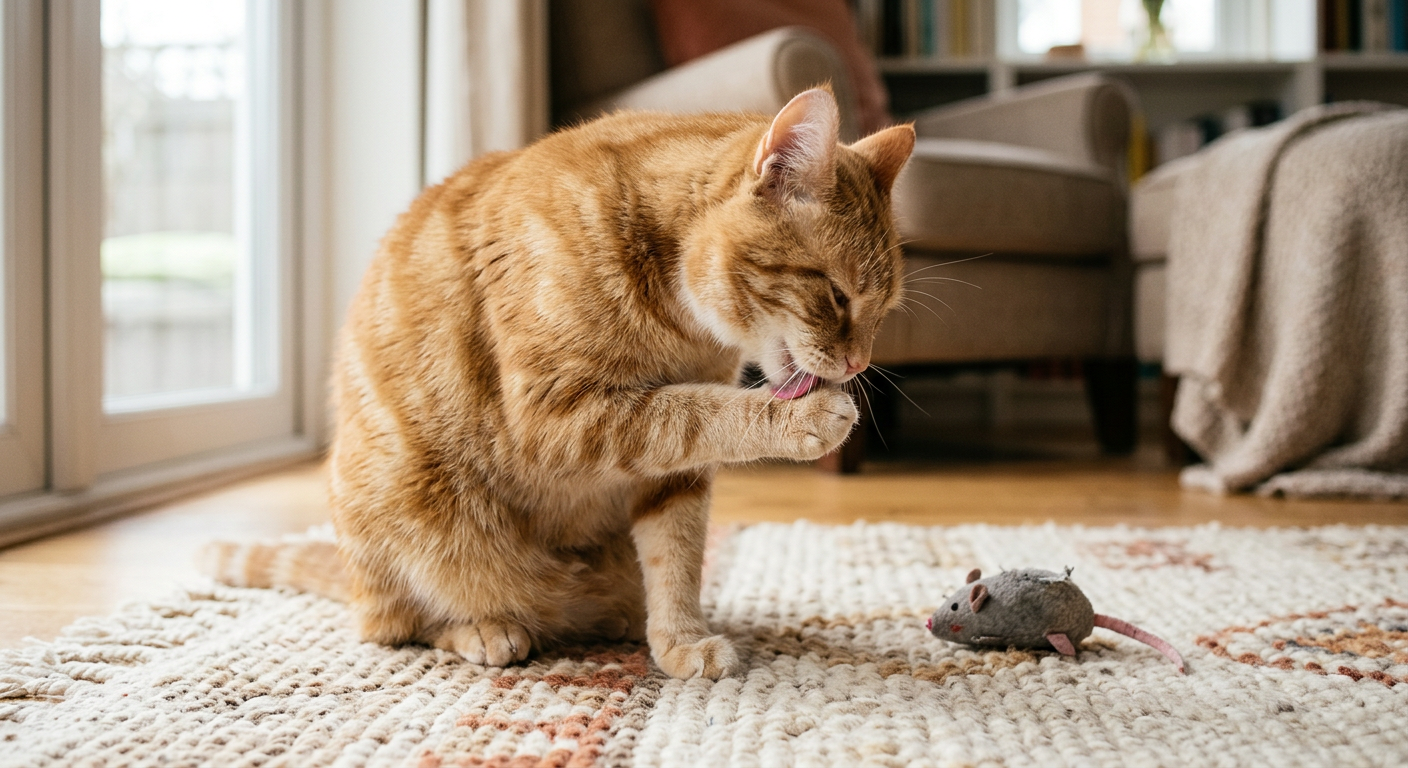
Grooming is another major tell. Cats often use displacement grooming to transition from a high-arousal state to a calm one. If your cat stops playing and immediately starts licking their shoulder or paw, they are effectively "resetting" their nervous system. This is a polite way of saying the game is finished.
- Loss of eye contact with the toy or human.
- Walking away to a high perch or a hidden spot.
- Slow, heavy blinking or eyes half-closing.
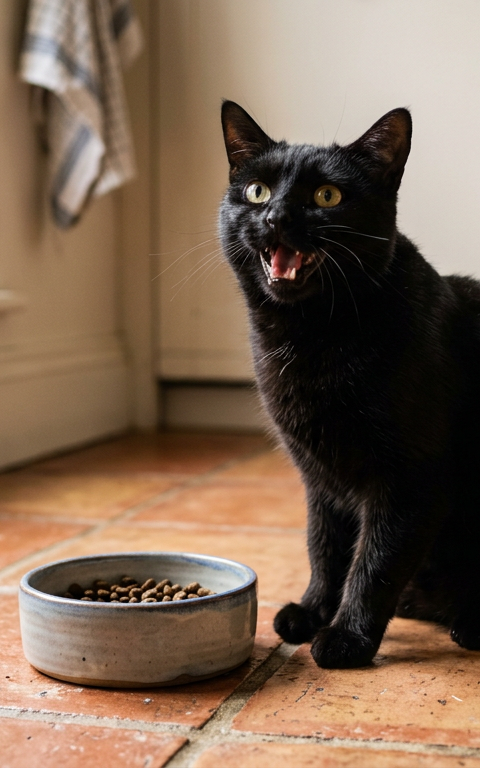
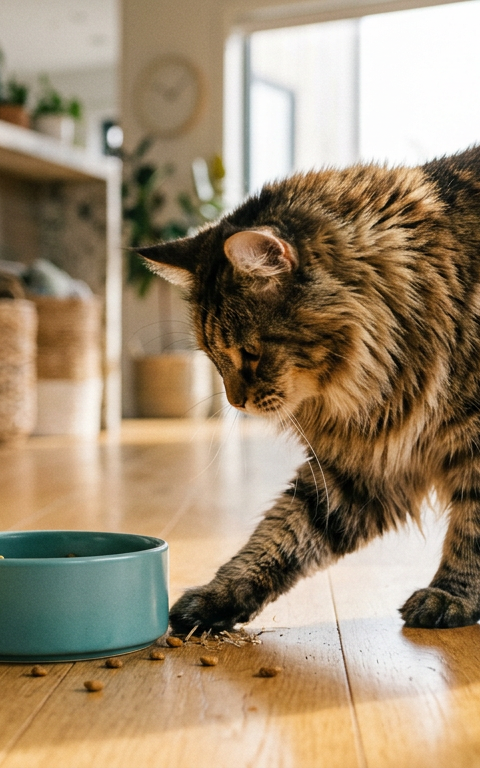
- Sudden interest in water or food bowls.
- Gentle tail flicks rather than aggressive thumping.
Understanding Age and Breed Energy Differences
The duration of a play session varies significantly depending on your cat's age. Kittens have short, explosive bursts of energy followed by immediate "crashes." You might be playing with a kitten one moment, and thirty seconds later, they are fast asleep on your feet. Adult cats typically have more sustained stamina but shorter total play durations.
Breed also plays a role in how much activity a cat requires. For example, a British Shorthair might be satisfied with ten minutes of light batting, whereas a more active breed like an Abyssinian might require multiple twenty-minute sessions. Knowing your cat's breed-specific needs helps you set realistic expectations for their play patterns.
Senior Cat Considerations
As cats age, their desire to play doesn't necessarily disappear, but their physical capacity changes. A senior cat might only engage for two or three minutes before needing a rest. For these older companions, it is important to look for subtle signs of discomfort, such as stiff movements, which might indicate they have finished playing because they are tired, not just bored.
If you are curious about how your cat's age compares to human years to better understand their energy levels, you can check our Russian Blue age calculator or other breed-specific tools. This perspective can help you tailor your play style to their current life stage.
The Importance of the "Kill" Phase
In the wild, a cat’s predatory sequence follows a specific pattern: stalk, pounce, kill, and eat. When we play with our indoor cats, we often focus on the stalk and pounce but forget the conclusion. If a cat never gets to "catch" the toy, they may become frustrated rather than tired.
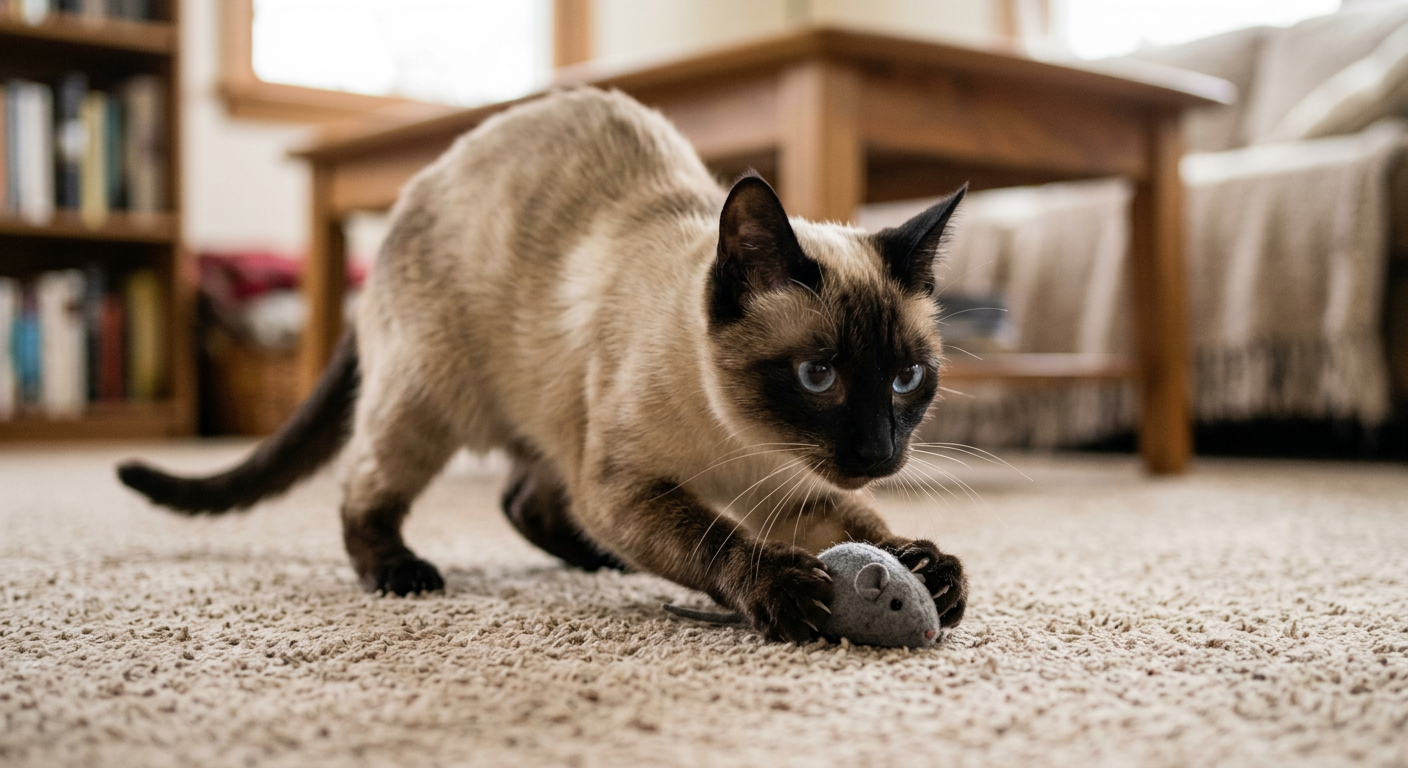
To help your cat finish a play session satisfied, allow them to catch the toy firmly in their claws and teeth toward the end. Let them perform "bunny kicks" on the toy. Once they have successfully captured their "prey," they are much more likely to feel a sense of completion and naturally transition into a resting state.
Environmental Factors and Over-Stimulation
Sometimes a cat stops playing not because they are tired, but because the environment has become overwhelming. Loud noises, other pets entering the room, or even the way a toy is being moved can cause a cat to shut down. In a multi-cat household, one cat might stop playing if they feel another cat is dominating the space.
Over-stimulation is a state where the cat’s nervous system is too hyped up, leading to "nippy" behavior or aggressive swatting. If your cat’s ears go flat or their tail starts thumping heavily against the floor, they aren't just finished playing—they are asking for space. It is best to stop all interaction immediately and let them calm down on their own terms.
Creating a Post-Play Routine
Ending a play session shouldn't be abrupt. Ideally, you should slow down the movement of the toy gradually, mimicking a tired prey animal. Once the cat has made their final catch, many owners find success by offering a small treat or a meal. This completes the "hunt-eat-sleep" cycle that is hardwired into their biology.
By providing a reward at the end, you provide a clear signal that the game is over. Your cat will associate the end of play with a positive outcome, making them more likely to settle down quietly afterward. This also helps with grooming sessions later, as a tired cat is often more cooperative.
Conclusion: Mastering the Art of Play
Learning how to tell when my cat has finished playing is a skill that develops over time as you bond with your pet. Every cat has a unique "signature" that says they are done, whether it’s a specific chirp, a stretch, or a walk toward the water bowl. By paying close attention to these cues, you ensure that playtime remains a joyful and therapeutic part of their day.
Remember that while active play is essential, the quiet moments that follow are just as important for their wellness. If you ever notice a sudden, dramatic change in your cat's energy levels or a total lack of interest in play, it is always a good idea to consult with a veterinarian to ensure they are feeling their best. With a little observation, you’ll become an expert at reading your cat’s needs, leading to a happier, more relaxed feline companion.