Bringing multiple cats into one home is a rewarding journey that fills your living space with double the purrs and personality. However, creating a peaceful environment requires a thoughtful approach to resource management and social dynamics. Understanding multi-cat household harmony tips can help you transform a tense living room into a sanctuary of feline friendship.
Every cat has a unique personality, ranging from the bold explorer to the quiet observer. When these different temperaments share a territory, minor disagreements are natural. The goal isn't to eliminate every hiss but to create a structured environment where every cat feels secure in their access to life’s basic necessities.
Establishing the Right Environment for Peace
The physical layout of your home plays a massive role in how your cats interact. In the wild, cats are solitary hunters who value their personal space. In a domestic setting, friction often arises when one cat feels another is "blocking" their path to a resource like food or a bed.
To promote a relaxed atmosphere, consider the "plus one" rule. This means providing one more of every essential item than the number of cats you own. If you have three cats, aim for four litter boxes and four water bowls. This abundance reduces competition and prevents "guarding" behavior where a dominant cat might sit near a doorway to control access to a room.
Vertical Space and Hiding Spots
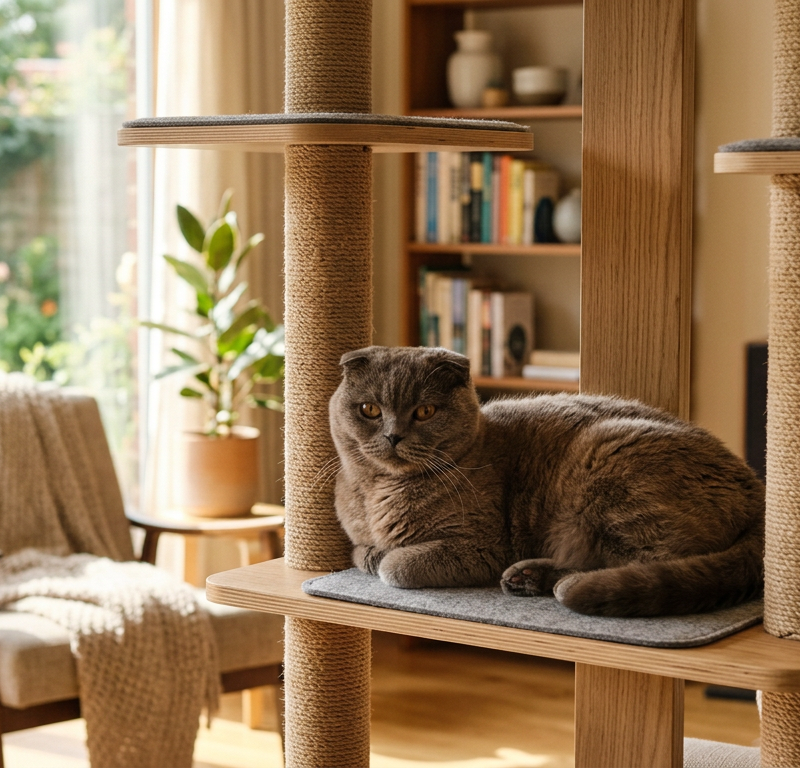
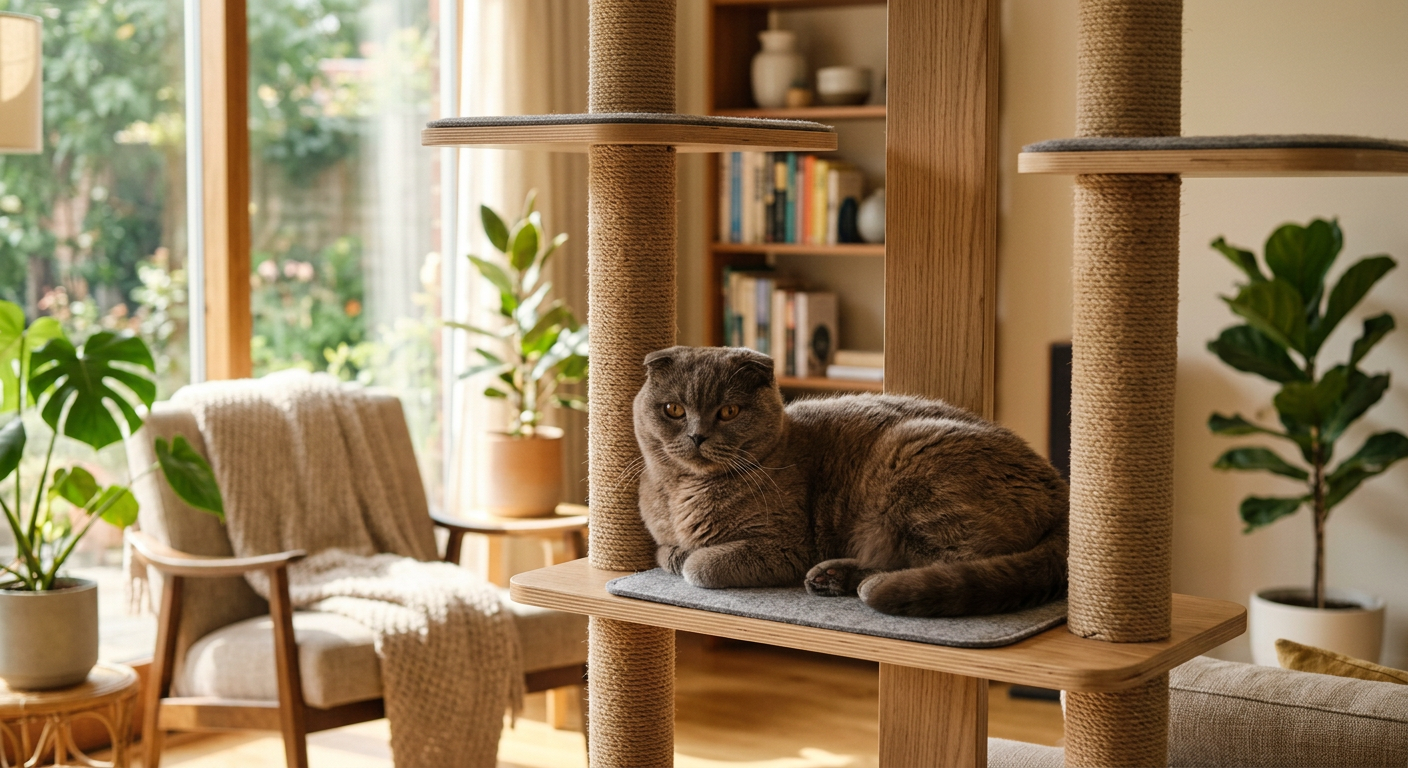
Cats live in a three-dimensional world. Adding verticality is one of the most effective ways to increase the perceived territory of your home. Tall cat trees, wall-mounted shelves, and window perches allow cats to pass one another without physical contact, reducing the chance of a confrontation.
Hiding spots are equally important. A shy cat needs to know they have a safe "panic room" where they won't be disturbed. This could be a cardboard box, a covered bed, or a spot under the sofa. When a cat is in their safe space, ensure that other cats (and humans) respect their privacy to help them recharge.
Managing Mealtimes and Nutrition
Food is a high-value resource that can spark tension if not managed correctly. While some cats are happy to graze together, others may feel anxious having a housemate too close while they eat. Proactive nutrition management is a pillar of maintaining a balanced home.
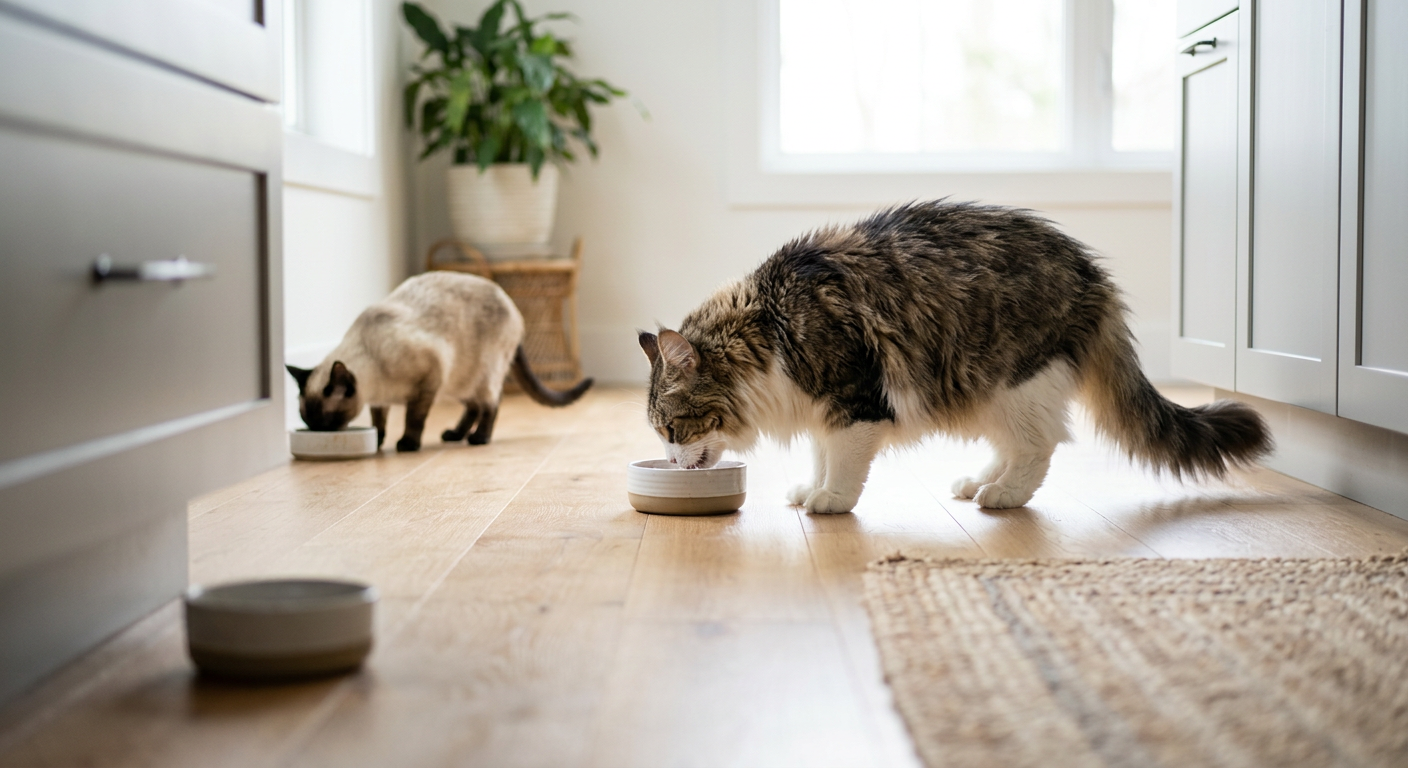
Try feeding your cats in separate areas or even different rooms to ensure everyone eats their fair share. This is especially important if you have a fast eater and a slow, methodical nibbler. Using microchip-activated feeders can be a game-changer, as they only open for the specific cat assigned to that bowl.
For more general advice on keeping your felines in top shape, check out our Cat Care Essentials: Everything Your Feline Needs. Proper nutrition and routine care are the foundation upon which social harmony is built.
The Importance of Litter Box Management
Litter box issues are a common sign of social stress in multi-pet homes. If a cat feels intimidated or "trapped" while using the box, they may begin to eliminate elsewhere. This isn't out of spite, but rather a search for a more secure location.
- Place boxes in different rooms rather than in one long row.
- Avoid hooded boxes for territorial cats, as they can be "bottlenecked" by an aggressive housemate.
- Keep boxes away from loud appliances like laundry machines that might startle a cat.
- Scoop daily to ensure each cat always finds a clean spot.
For detailed strategies on maintaining these stations, read our guide on Litter Box Training and Maintenance for Cats. A clean, accessible bathroom setup significantly lowers the overall stress levels of the group.
Promoting Positive Social Interactions
Building a bond between cats takes time, often measured in months rather than days. Scent is the primary way cats communicate, so integrating their smells can help them view each other as "family." You can gently rub a soft cloth on one cat’s cheeks and place it near the other cat’s favorite sleeping spot.
Pheromone diffusers are another excellent tool. These devices emit a synthetic version of the soothing pheromones mother cats produce, creating a subtle "vibe" of safety throughout the house. While they aren't a magic fix, they can lower the baseline of tension, making training and redirection more effective.
The Power of Play
Interactive play is a great way to build confidence and burn off excess energy that might otherwise be directed at a housemate. Use wand toys to engage individual cats in high-intensity hunting behavior. If you have a younger, high-energy cat, ensure they get plenty of one-on-one play so they don't resort to pestering an older or more sedate companion.
Group play can also be beneficial if done carefully. Using two different toys at once allows cats to play in the same room without competing for the same "prey." Always end play sessions with a small treat so the cats associate being together with a rewarding experience.
Recognizing and Reductions Tensions
It is helpful to learn the subtle signs of feline disagreement. While hissing and growling are obvious, "staring" is a common form of silent intimidation. If you notice one cat staring intensely at another, gently break the eye contact by walking between them or calling one of them away for a treat.
Never punish a cat for aggressive behavior. Scolding or using water sprayers usually increases fear and worsens the relationship between the cats. Instead, focus on rewarding "calm together" moments. If the cats are resting in the same room without conflict, offer praise or a few kibbles of their favorite food.
Grooming and Health Monitoring
Health and behavior are deeply intertwined. A cat in physical discomfort is much more likely to be irritable or defensive toward their housemates. Regular check-ups with your veterinarian ensure that underlying issues aren't the root cause of sudden behavioral changes.
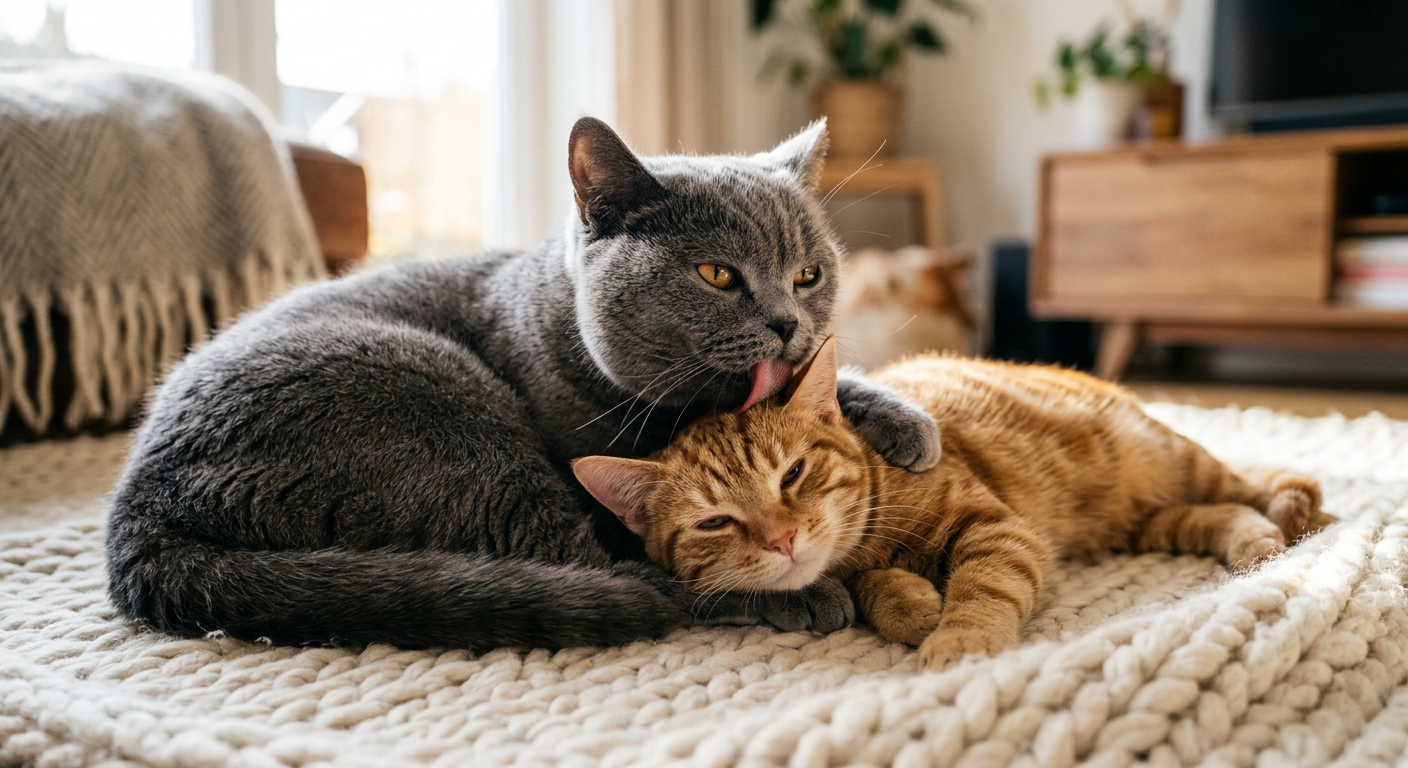
Grooming is also an excellent bonding activity, both between you and your cats and between the cats themselves. Allogrooming (cats licking each other) is a sign of a strong social bond. If your cats aren't at that stage yet, you can assist by brushing them individually to keep their coats healthy. You can learn more about this in our Cat Grooming Essentials for a Healthy Happy Pet guide.
Sharing your home with multiple felines is an evolving process. By focusing on resource abundance, respecting individual boundaries, and monitoring their health closely, you can create a thriving multi-cat environment. Every small step toward harmony makes your home a happier place for your feline family.