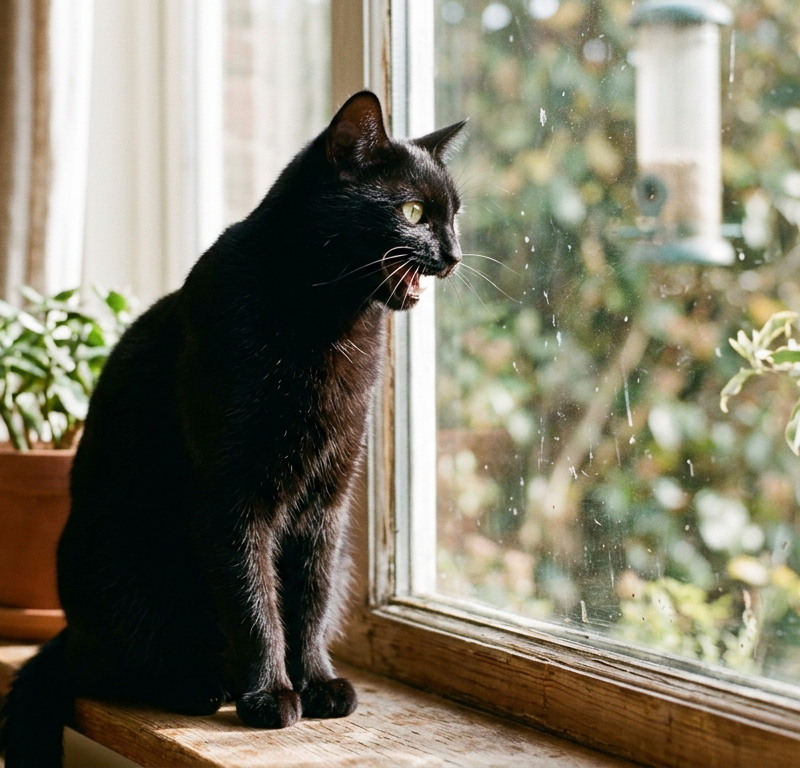
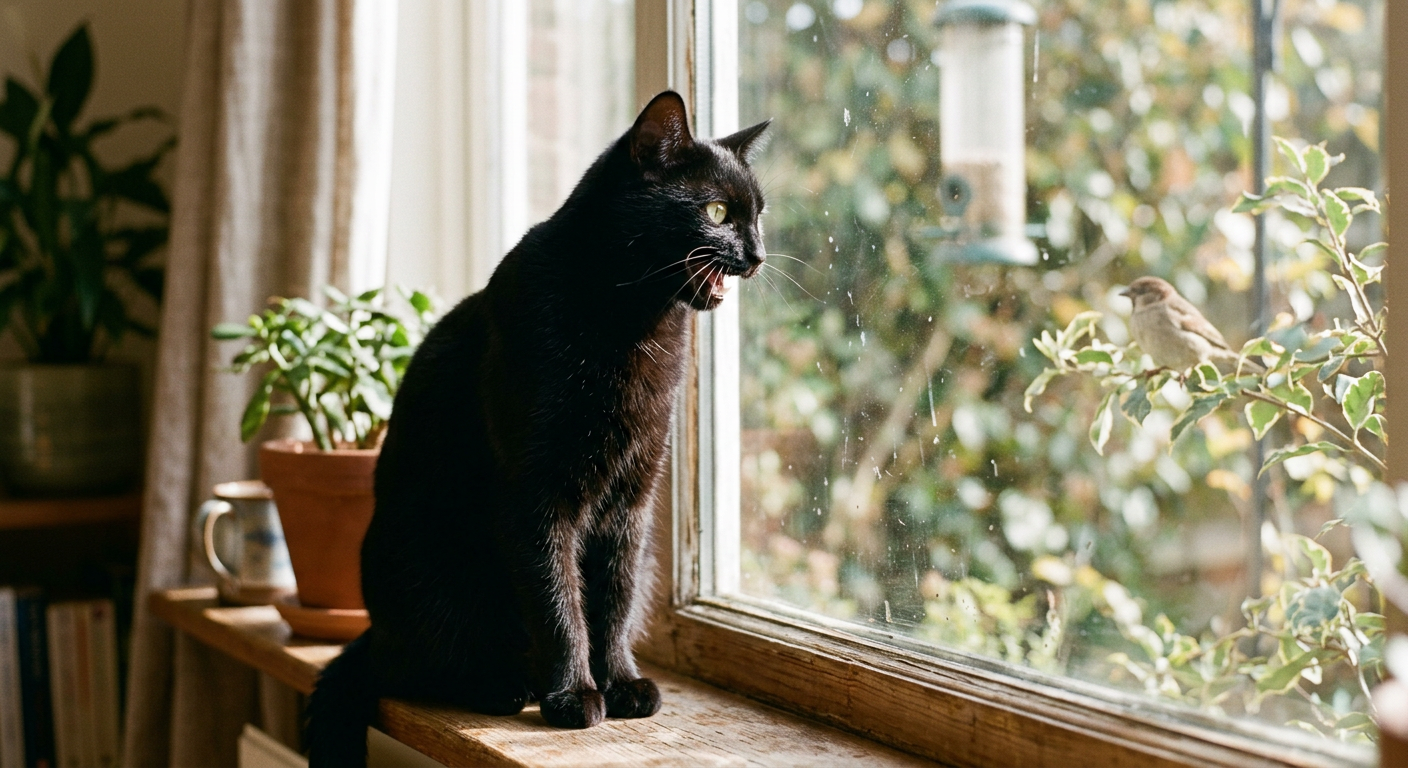
If you have ever seen your feline friend sitting on a windowsill, body tensed and jaw vibrating while making a rhythmic chirping noise, you have witnessed one of the most intriguing feline displays. You might find yourself wondering, why does my cat chatter when watching birds? This unique behavior is a fascinating glimpse into the predatory instincts that remain sharp in our domesticated companions.
Cat chattering, also known as chirping or twittering, usually occurs when a cat spots prey that they cannot immediately reach. Whether it is a robin in the garden or a squirrel on a nearby branch, the sight of potential prey triggers a complex physiological response. By observing these moments, we can learn more about how our cats perceive the world and their roles as natural hunters.
The Instinctive Roots of Feline Chattering
To understand why a cat might make these strange noises, we have to look back at their wild ancestors. Even though your cat enjoys a life of comfort and premium kibble, their brain is still wired for the hunt. When they see a bird, their focus becomes laser-sharp, and their body prepares for action.
Many behaviorists believe that chattering is a manifestation of the "kill bite." In the wild, small cats use a specific, rapid jaw movement to deliver a quick bite to the neck of their prey. When your cat chatters at a bird through a window, they may be instinctively practicing this motion. It is a physical expression of their predatory drive, even if there is a pane of glass in the way.
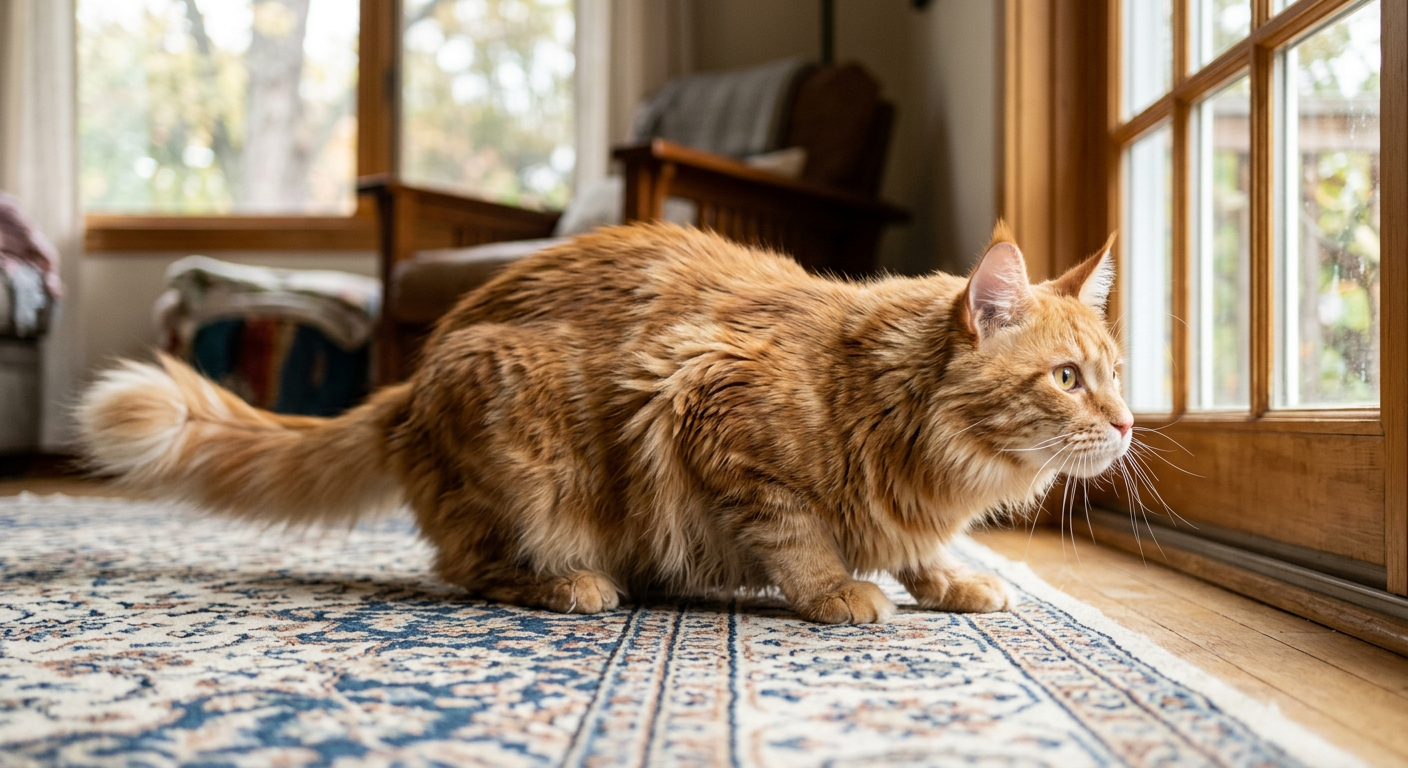
This behavior is often accompanied by other signs of high focus. You might notice their pupils dilating, their tail twitching rhythmically, and their ears pinned forward. They are essentially in a state of high-alert observation, calculating the distance and movement of the target outside.
A Mimicry Strategy
Some interesting research suggests that chattering might serve an even more tactical purpose. Observations of wild cats, such as the margay in the Amazon, have shown them mimicking the calls of their prey to lure them closer. While your house cat might not be a master of disguise, the sounds they make while watching birds could be a vestigial version of this complex hunting strategy.
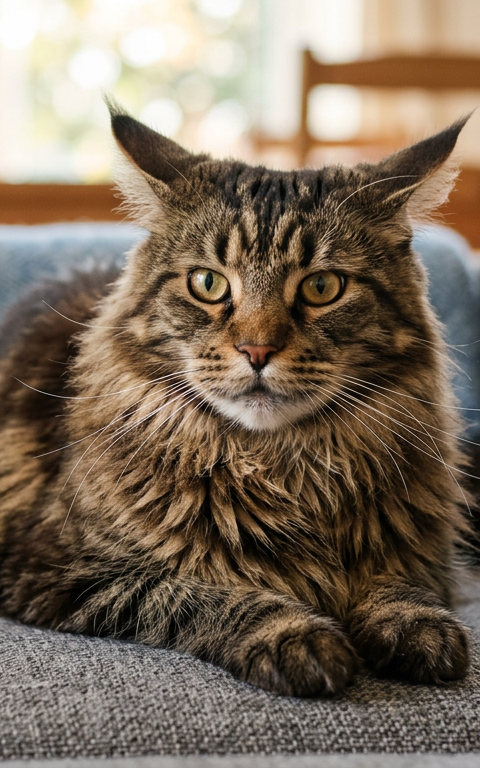
If you are interested in how these instincts develop over time, you can check out our Maine Coon age calculator to see how your large feline friend matures through their hunting phases. Larger breeds often display these instincts quite prominently due to their size and historical roles.
Excitement and Anticipated Rewards
Another common explanation for why your cat chatters when watching birds is pure excitement. Much like a child might wiggle in their seat when they see an ice cream truck, a cat experiences a surge of adrenaline when they spot a bird. The chattering is a way for that energy to escape their body.
This state of arousal is generally positive. Your cat is engaged, their mind is active, and they are experiencing a form of "environmental enrichment." Even if they never catch the bird, the mental stimulation of tracking it is beneficial for their cognitive health. It keeps their senses sharp and provides a break from the routine of indoor life.
The Role of Adrenaline
When a cat enters "hunting mode," their sympathetic nervous system takes over. This results in an increased heart rate and heightened awareness. The chattering jaw is often a byproduct of this intense physiological state. It is a sign that your cat is fully immersed in the moment, reacting to every flap of a wing or hop on a branch.
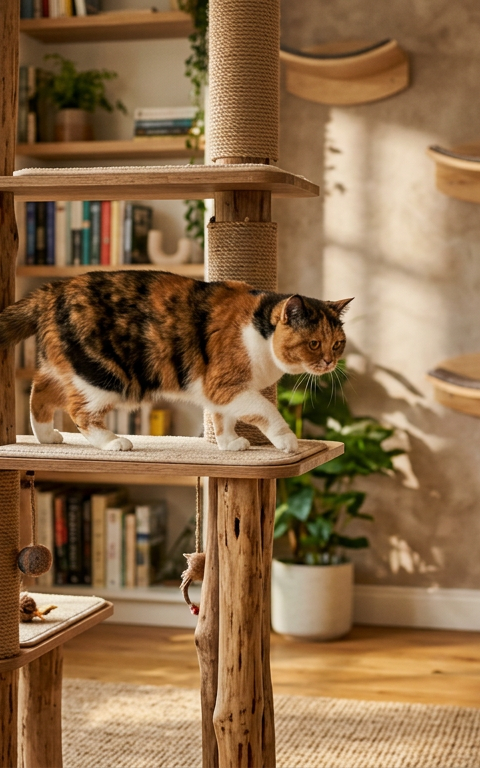
It is important to remember that this behavior is a normal part of decoding your cat's behavior. While it may sound strange or even slightly frustrated, it is a healthy expression of their natural identity. You can support this by providing plenty of window perches or "cat TV" opportunities.
Addressing Potential Frustration
While excitement is the primary driver, there is often a hint of frustration involved. Imagine seeing something you really want but being physically blocked from reaching it. This is the reality for an indoor cat watching a bird through a window. The chattering might be a vocalization of the tension caused by this barrier.
In some cases, if a cat becomes too overstimulated by the birds outside without a way to release that energy, they might experience what is known as "redirected aggression." This is when a cat, frustrated by the bird they can't catch, turns around and hisses at a housemate or swipes at a passing human. Knowing why your cat chatters when watching birds helps you recognize when they might need a redirection of that energy.
- Provide interactive toys like feather wands after a bird-watching session.
- Use food puzzles to simulate the "reward" of a successful hunt.
- Create a safe indoor environment that mimics the vertical challenges of the outdoors.
- Monitor your cat's body language for signs of excessive agitation.
The Satisfaction of the Hunt
To help ease this potential frustration, try to engage your cat in a play session immediately after they have spent time watching birds. By allowing them to "catch" a toy, you provide the dopamine release that comes with completing the predatory sequence. This helps them transition from a state of high tension back to a relaxed, domestic state.
You can learn more about these subtle signals by reading about the meaning behind slow blinks, which often occur after a successful play session when your cat is finally feeling content and safe.
Comparing Behaviors Across Breeds
While almost all cats have the potential to chatter, some breeds are more vocal and expressive than others. For example, highly active and intelligent breeds may spend more time at the window engaging with the local wildlife than more sedentary breeds. The intensity of the chattering can vary based on individual personality and breed traits.
If you have a particularly vocal cat, you might also be interested in understanding cat meowing patterns to distinguish between their "hunting talk" and their "I want treats" talk. Every sound your cat makes has a specific nuance that helps you build a deeper bond with them.
Summary of Feline Vocalizations
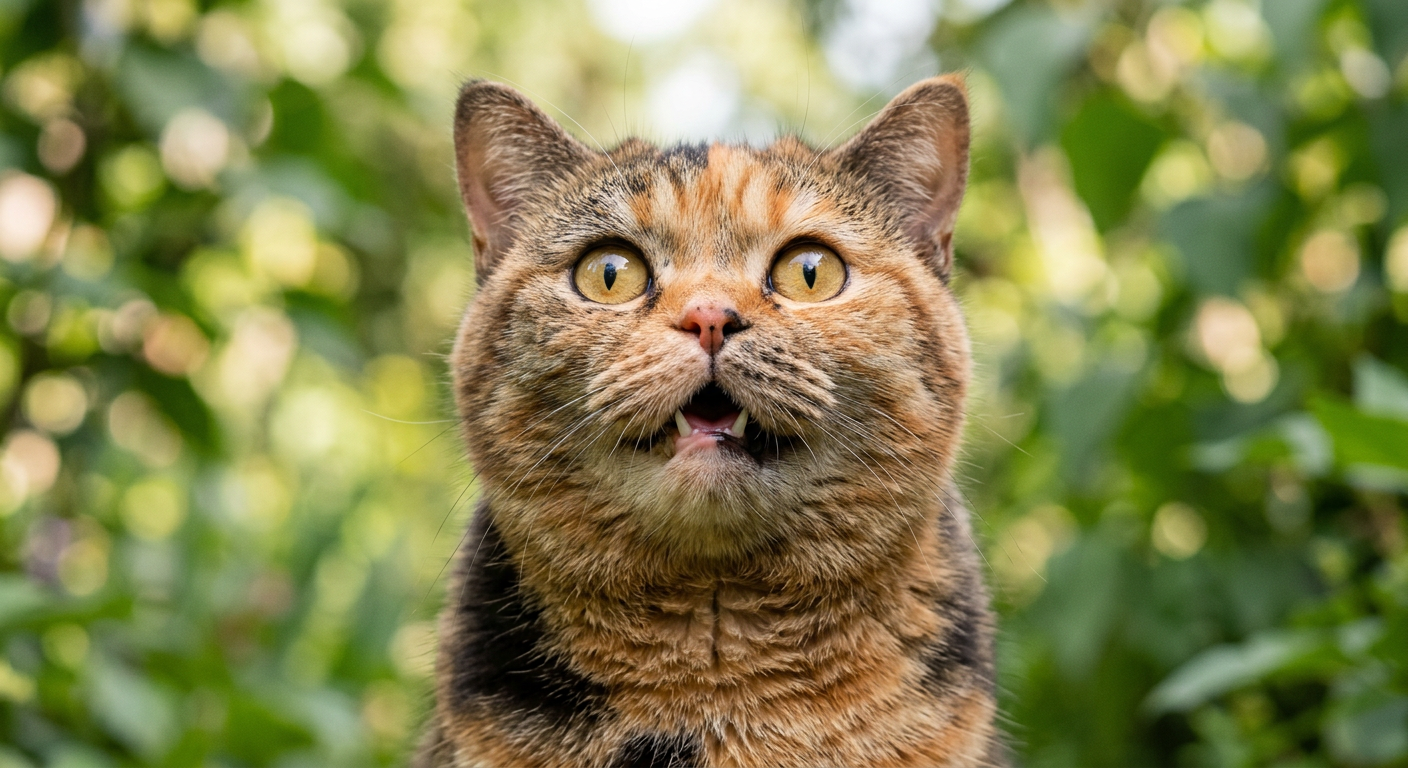
The chattering sound is just one tool in a cat's extensive vocal toolbox. While the reason why your cat chatters when watching birds is primarily linked to hunting, it is part of a broader communication system. Cats use different sounds for different emotional states, and chirping at prey is one of the few sounds they make that is not directed at humans.
Interestingly, while cats meow mostly to communicate with people, chattering is an involuntary reflex triggered by the sight of prey. It is an honest, raw expression of their feline nature. By observing these behaviors, we gain a greater appreciation for the wild heart that still beats inside our domestic pets.
If you ever have concerns about your cat's vocalizations or if they seem distressed rather than just excited, it is always a good idea to consult with a veterinarian. They can help ensure that your cat's behavior is healthy and provide advice on managing environmental stress.
Conclusion
So, why does my cat chatter when watching birds? It is a fascinating mix of predatory instinct, intense excitement, and perhaps a touch of frustration at the window glass. This behavior connects our modern pets to their ancient roots as skilled hunters of the wild. By understanding and supporting these instincts through play and enrichment, we can ensure our cats live fulfilled and happy lives indoors. Watching your cat chatter is a reminder of the beautiful, complex creatures they truly are.