Creating a stimulating environment is essential for the wellbeing of our feline companions. Many owners wonder about the best methods for indoor cat enrichment and happiness to ensure their pets lead fulfilling lives within four walls. While the indoors offers safety from traffic and predators, it can sometimes lack the sensory variety found in the natural world.
Enhancing your cat's daily life is about more than just buying toys; it involves understanding their biological drives. By tapping into their instincts to hunt, climb, and explore, you can transform your home into a feline paradise. This guide explores creative ways to keep your cat engaged, active, and emotionally satisfied.
Understanding Feline Instinctual Needs
To provide proper indoor cat enrichment and happiness, we must first look at what cats do in the wild. Cats are obligate carnivores and apex predators, but they are also small enough to be prey for larger animals. This dual nature influences everything they do, from where they sleep to how they play.
An enriched environment addresses several key categories of feline behavior. These include physical exercise, mental stimulation, safety, and social interaction. When these needs are met, cats are less likely to experience stress-related behaviors and more likely to thrive as confident members of the household.
The Prey Drive and Play
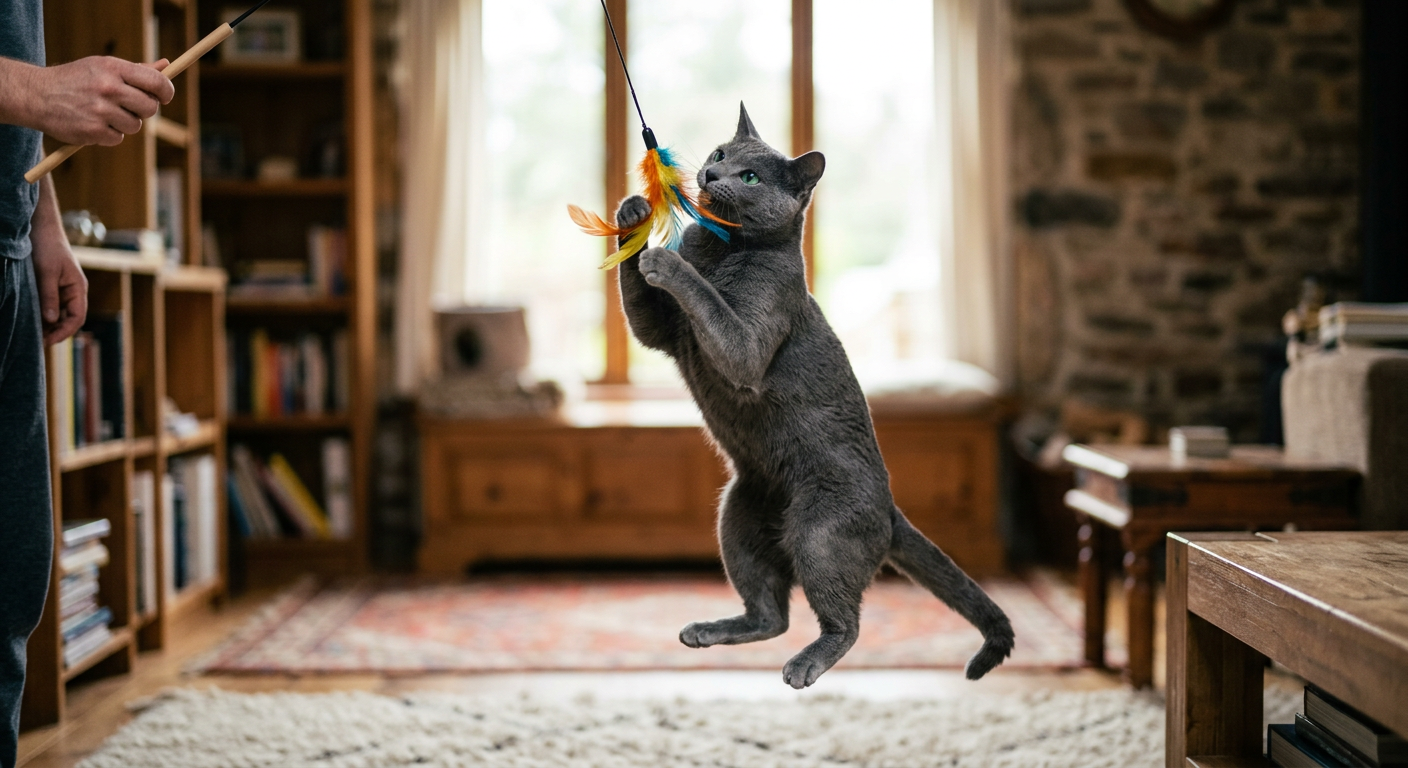
Play is essentially a practice version of hunting. For an indoor cat, "killing" a feather wand or a catnip mouse releases endorphins that contribute to a sense of accomplishment. Without this outlet, cats may redirect their energy toward furniture or even your ankles. You can learn more about unique feline actions in our guide on decoding your cat's behavior.
Vertical Space and Safety
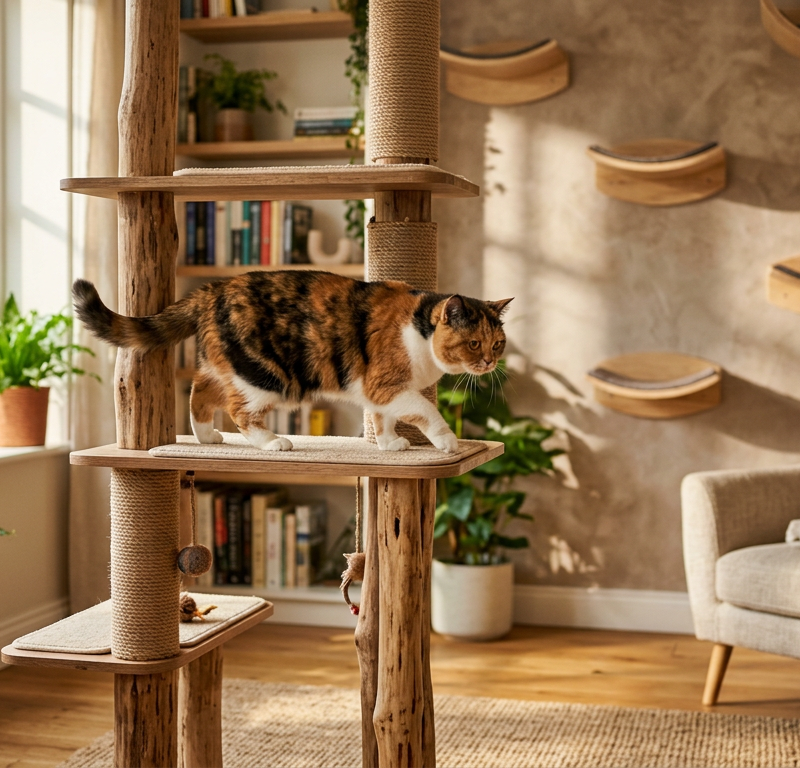
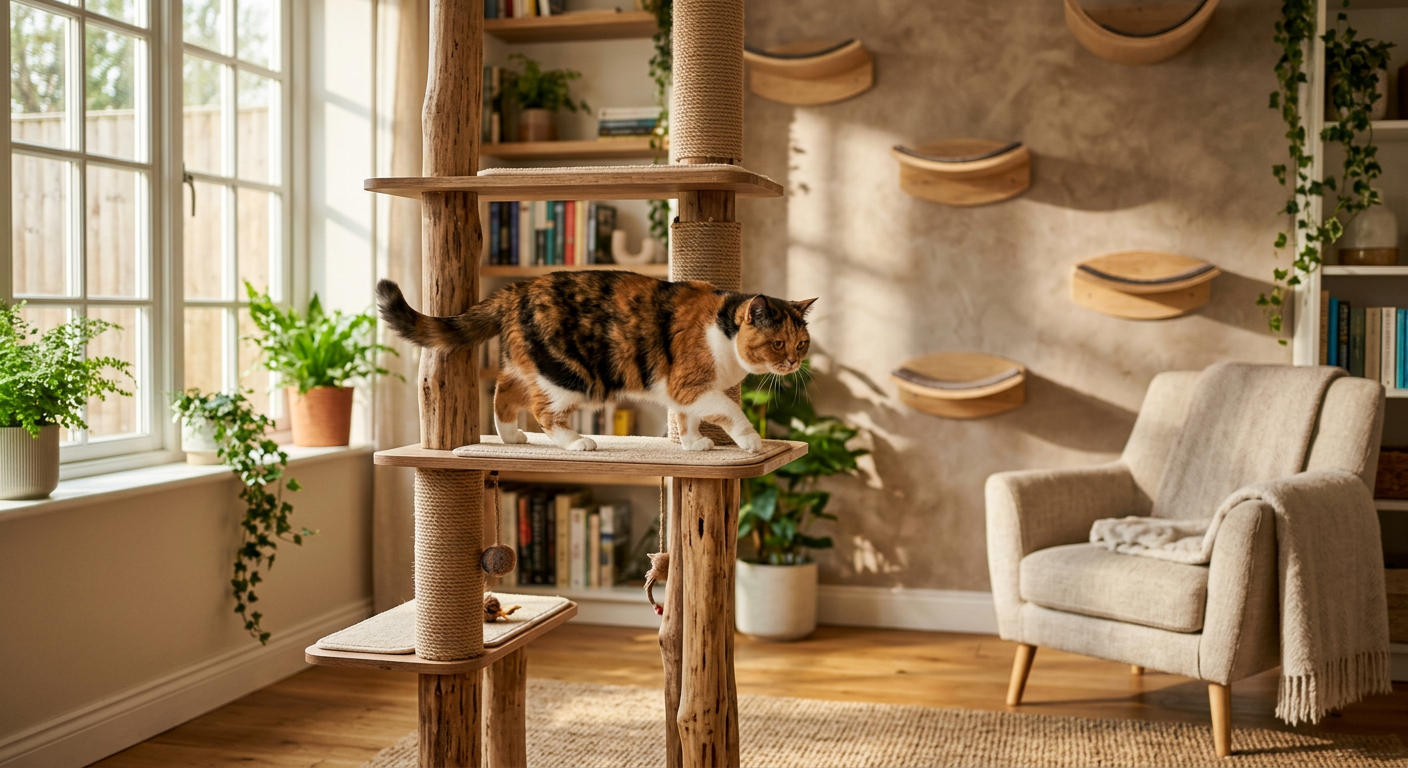
In the wild, cats climb trees to survey their territory and stay safe from ground-based threats. Height provides a sense of security. If your cat spends a lot of time on top of the refrigerator or bookshelves, they are telling you they need more vertical territory. Providing cat trees, wall shelves, or window perches can significantly reduce a cat's anxiety.
Creative Environmental Enrichment Strategies
Providing a variety of textures and activities keeps a cat’s mind sharp. Environmental enrichment isn't just about the physical space, but how the cat interacts with it throughout the day. Small changes in your home layout can make a massive difference in how your cat perceives their territory.
- Rotating Toys: Don't leave all toys out at once. Introduce a few at a time and swap them weekly to keep the novelty alive.
- Scent Enrichment: Bring in items from outside, like a clean piece of wood or a handful of long grass (ensure it's pesticide-free), to provide new smells.
- Cardboard Boxes: Never underestimate the power of a simple box. They provide a safe "hiding" spot and a new texture to scratch.
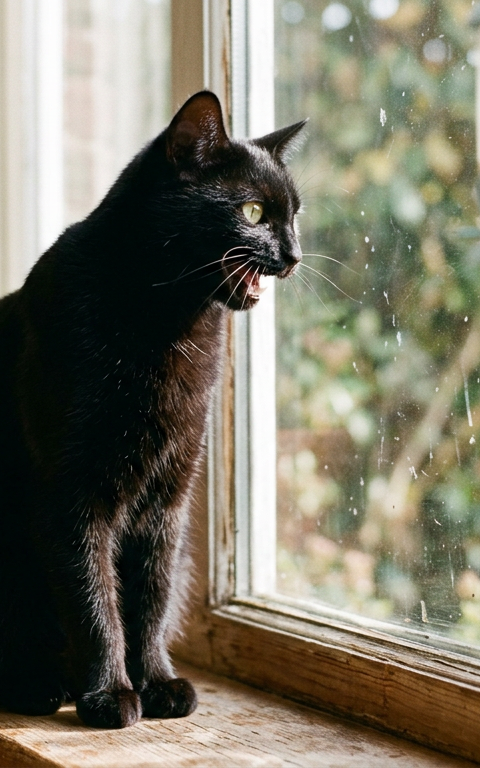
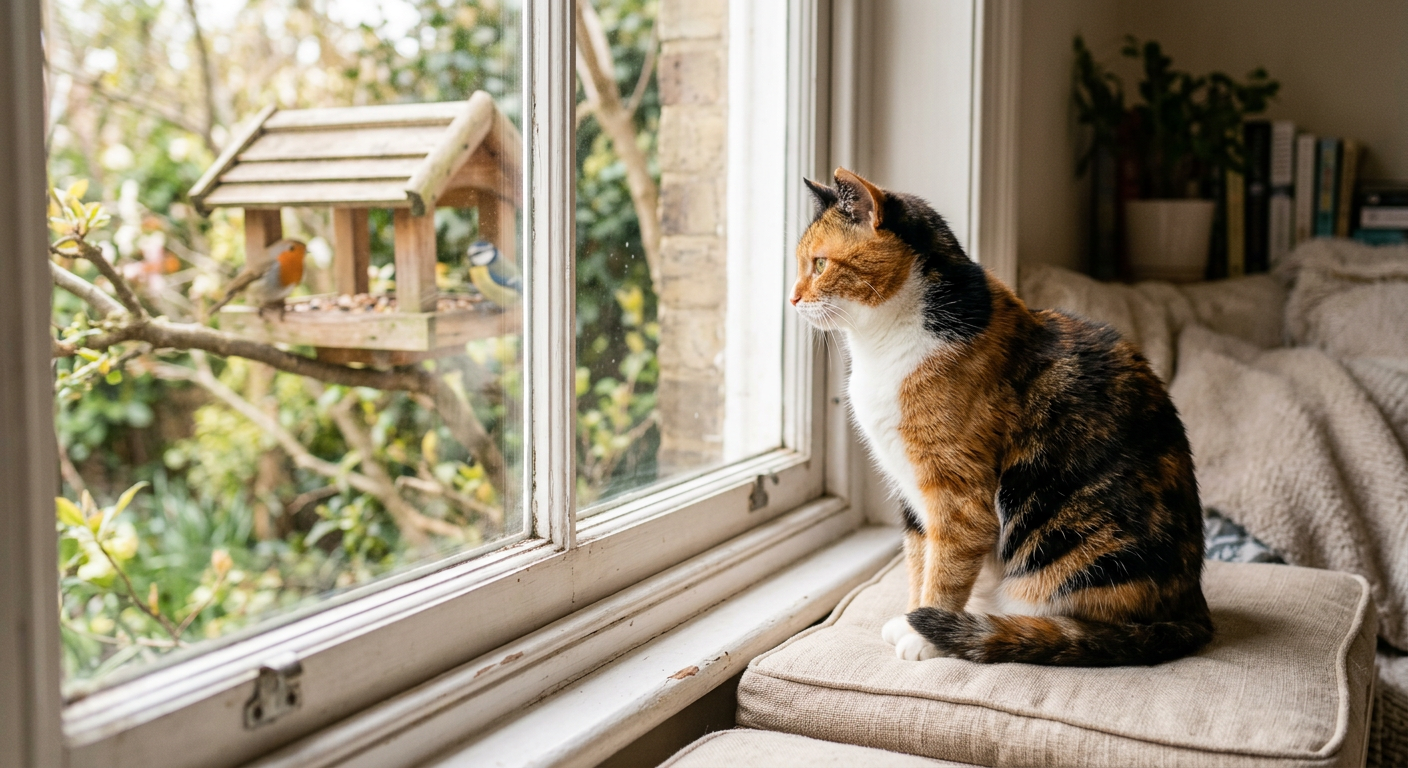
- Window Access: A bird feeder placed outside a window provides "cat TV," offering hours of visual stimulation.
Food Puzzles and Foraging Habits
In nature, cats don't have food bowls; they have to work for every meal. Controlled "foraging" is a cornerstone of indoor cat enrichment and happiness. Instead of free-feeding or simply dropping kibble in a bowl, try using food puzzles or hiding small amounts of food around the house.
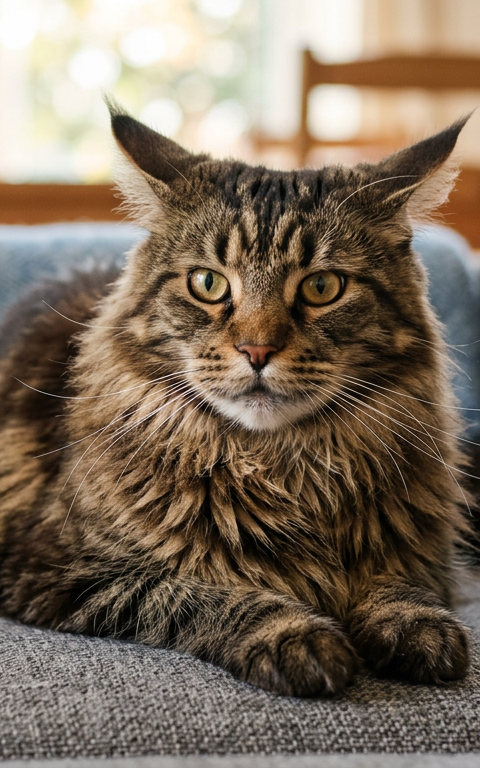
Licking mats, rolling treat dispensers, and homemade puzzle boxes (like an egg carton with treats inside) force a cat to use their paws and brain to eat. This slows down their eating pace and provides a rewarding challenge that mimics the hunt-catch-eat cycle. This is especially helpful for high-energy breeds like the Maine Coon, who often enjoy "working" for their rewards.
DIY Foraging Ideas
You don't need to spend much to start foraging. Cardboard toilet paper rolls with the ends folded in can house treats, requiring the cat to bat them around to get the prize. This low-cost solution provides mental engagement and physical movement simultaneously.
Social and Sensory Interaction
While cats are often viewed as solitary, they are actually quite social with their "colony" members (you and other pets). Quality time spent together reinforces your bond. This can include grooming sessions, quiet sitting, or interactive play. Understanding subtle cues, like why cats purr and what it means, helps you gauge their happiness during these sessions.
Sensory enrichment also includes sound. Many cats respond positively to "cat music"—compositions designed with feline frequencies and tempos in mind. Some cats may even enjoy watching videos of squirrels or fish on a tablet, though this should always be supervised to ensure they don't get frustrated by being unable to "catch" the digital prey.
The Importance of Scratching Outlets
Scratching is a non-negotiable feline behavior used for marking territory, stretching muscles, and shedding nail sheaths. To keep your cat happy, offer both vertical and horizontal scratching surfaces. Materials like sisal rope, corrugated cardboard, and wood appeal to different cats.
If your cat is scratching the sofa, they aren't being "bad"; they are simply choosing the sturdiest surface available. Place a high-quality scratching post right next to the area they are currently targeting. Use catnip or silvervine to encourage them to use the new post instead of the furniture.
Monitoring Your Cat's Wellbeing
Every cat is an individual, and what works for a British Shorthair might not interest a more active breed. Pay attention to how your cat responds to different stimuli. If they seem overwhelmed or hide, dial back the activity. If they are sleeping excessively or overgrooming, they may need more engagement.
Consistency is key. A predictable routine of play and feeding helps a cat feel in control of their environment. While we strive for the ultimate indoor cat enrichment and happiness, remember that a happy cat is one who feels safe, loved, and just a little bit challenged every day. If you notice sudden changes in behavior or activity levels, it is always best to consult your veterinarian to rule out any underlying health concerns.
Summary Checklist for a Happy Cat
- Provide at least two high-up perching spots.
- Engage in 10-15 minutes of interactive play twice daily.
- Offer a variety of scratching surfaces (vertical and horizontal).
- Use food puzzles for at least one meal per day.
- Maintain a clean litter box in a quiet, accessible location.
By focusing on these pillars of care, you ensure that your indoor environment is a place of joy rather than just a place of confinement. Each small step you take toward enrichment improves your cat's quality of life and strengthens the beautiful bond you share.