Few sounds in the animal kingdom are as soothing as a cat’s rhythmic rumble. While most pet owners associate this vibration with a happy afternoon nap, the question of why cats purr and what it means is more complex than it first appears. It is a multitasking tool that felines use for everything from kittenhood communication to physical self-healing.
Understanding these subtle vocalizations can help you build a deeper bond with your feline companion. By looking at the context of the purr, you can determine if your cat is asking for dinner, soothing themselves, or simply enjoying your company. In this guide, we will explore the science and biology behind this unique feline superpower.
The Mechanics of the Feline Purr
Before diving into the "why," it is helpful to understand the "how." Purring is a unique vocalization because it occurs during both inhalation and exhalation. It is produced by a neural oscillator in the cat's brain that sends signals to the laryngeal muscles.
These muscles twitch rapidly, about 25 to 150 times per second. This causes the vocal cords to separate when the cat breathes, creating the steady vibration we feel when we pet them. Interestingly, not all felines can purr; generally, cats that purr (like domestic cats and lynxes) cannot roar, and those that roar (like lions and tigers) cannot purr.
The Evolutionary Start in Kittenhood
The journey of the purr begins almost immediately after birth. Kittens are born blind and deaf, but they can feel vibrations and produce their own sounds. They begin purring at just two days old as a way to communicate with their mother.
For a nursing mother, the purr acts like a homing beacon, leading her kittens to the "milk bar." It also serves as a feedback loop, letting the mother know that her kittens are safe, warm, and getting enough to eat. This early bonding experience sets the stage for feline communication for the rest of their lives.
Common Reasons Why Cats Purr
While happiness is the most frequent reason, it is far from the only one. Felines are masters of subtlety, and their vocalizations often serve multiple purposes depending on their environment and mood.
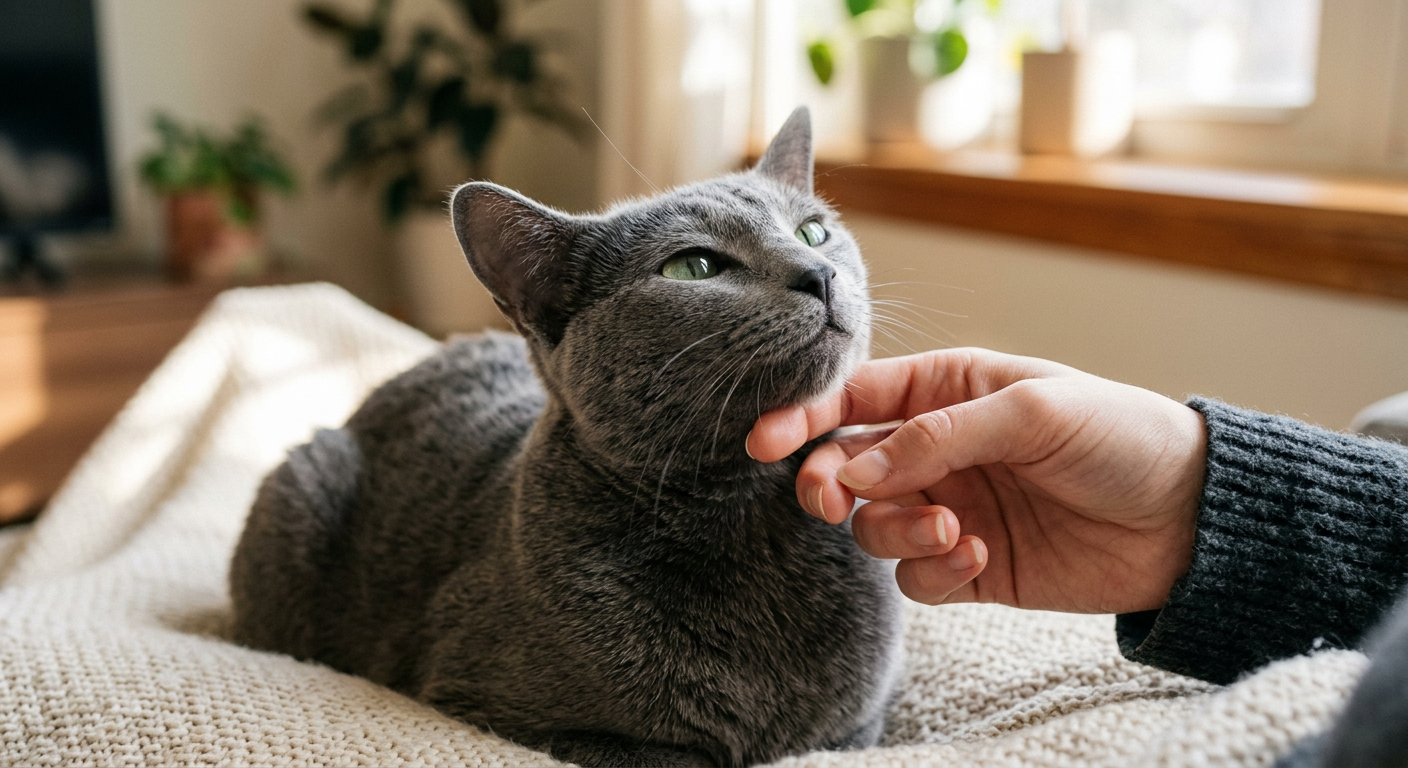
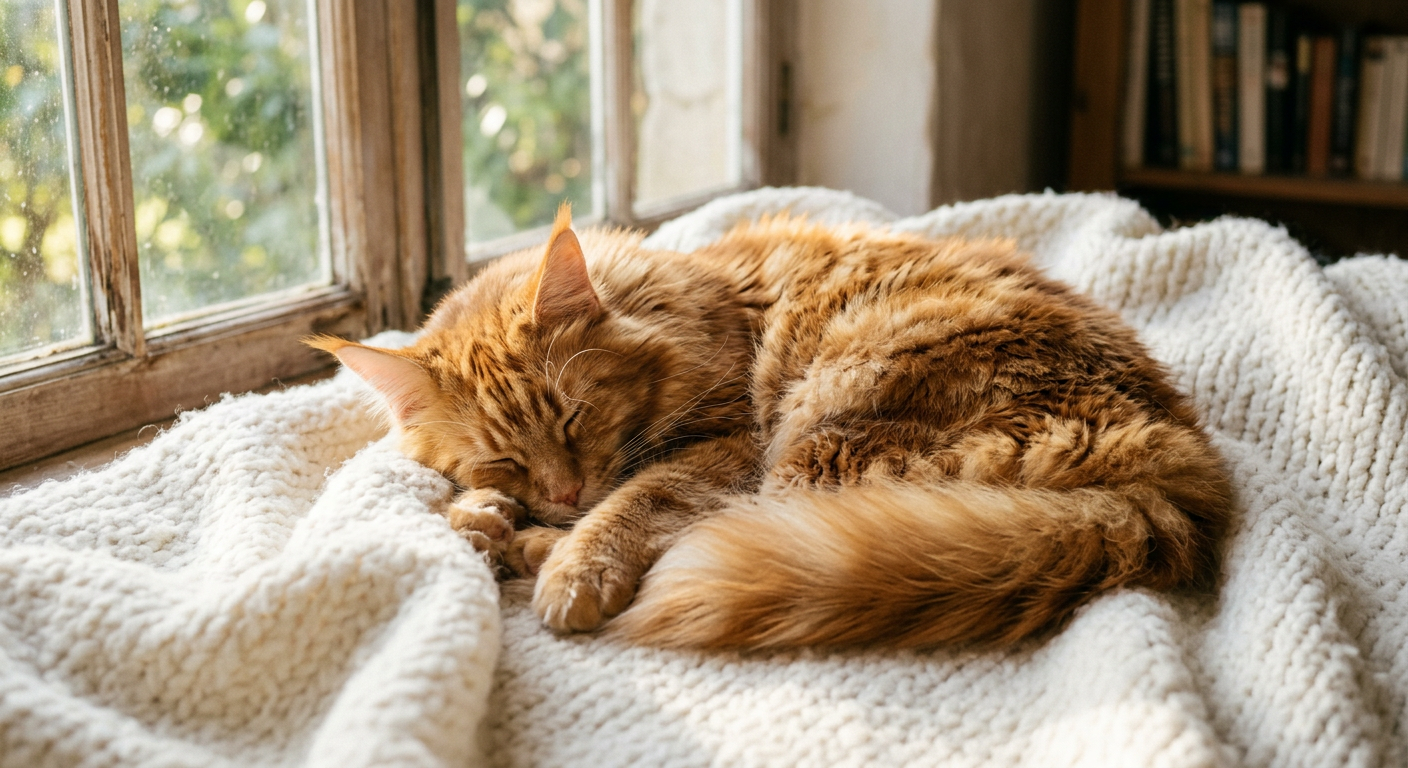
- Contentment and Relaxation: This is the classic "happy cat" purr. When your cat is curled up in your lap or basking in a sunbeam, they are signaling that they feel safe and satisfied.
- The Solicitation Purr: This is a special type of "demand" purr used to get your attention. It often includes a high-pitched cry or frequency that mimics a human baby’s cry, making it nearly impossible for humans to ignore when it's breakfast time.
- Self-Soothing: Cats may purr when they are feeling tucked away or slightly nervous. It is similar to a human whistling in the dark or a child sucking their thumb; it provides a sense of internal comfort.
- Healing and Pain Relief: Research suggests that the low frequency of a cat’s purr can actually act as a natural therapy for their own bodies.
If you want to understand more about how these sounds fit into a larger communication framework, check out our guide on decoding your cat's behavior. Every tail flick and ear twitch adds more context to the rumble.
The Healing Power of the Vibration
One of the most fascinating aspects of feline biology is the restorative nature of their vocalizations. When cats purr between 25 and 150 Hertz, they are basically operating a built-in physical therapy machine. This specific frequency range has been shown to improve bone density and promote the healing of tendons and muscles.
This explains why cats might purr when they are injured or under the weather. It is a proactive wellness strategy that helps them maintain their physical health during periods of rest. This is also why many people feel their stress levels drop when a cat sits on their chest; those vibrations are literally calming the human nervous system too.
Purring as a Social Signal
In multi-cat households, purring serves as a social lubricant. It is often used to signal "no conflict" or to appease another more dominant cat. You might see a younger cat purr when approaching an older cat to show they have peaceful intentions.
It is similar to how we might use slow blinks to show trust. By creating a vibration that signals relaxation, cats can navigate social hierarchies without resorting to physical confrontation. This social aspect is vital for maintaining a peaceful home environment.
Distinguishing Between a Happy Purr and a Worry Purr
How can you tell if your cat’s purring is a sign of joy or a sign that they need a little extra support? The key lies in observing the rest of their body language. A happy cat will usually have relaxed ears, a softly flickering or still tail, and "heavy" eyes that might be half-closed.
In contrast, if a cat is purring while their ears are pinned back, their body is tense, or they are hiding, they may be using the sound to cope with stress. If you notice a sudden change in how or when your cat purrs, it is always a good idea to chat with your veterinarian to ensure they are feeling their best. To see how your cat's age might affect their behavior, you can look at our age guides for breeds like the Maine Coon.
Environmental Influence on Purring
Your cat's environment plays a huge role in their vocal habits. A cat in a high-stress, loud environment might purr more as a coping mechanism than a cat in a quiet, predictable home. Creating a stable routine can help ensure that most of the purring you hear is the "happy" kind.
Cats also respond to our moods. If you are stressed, your cat might come over and start purring to help calm you down. This reciprocal relationship is what makes felines such incredible companions. They are highly tuned into the energy of their "colony," which includes their human family members.
Do All Cat Breeds Purr the Same?
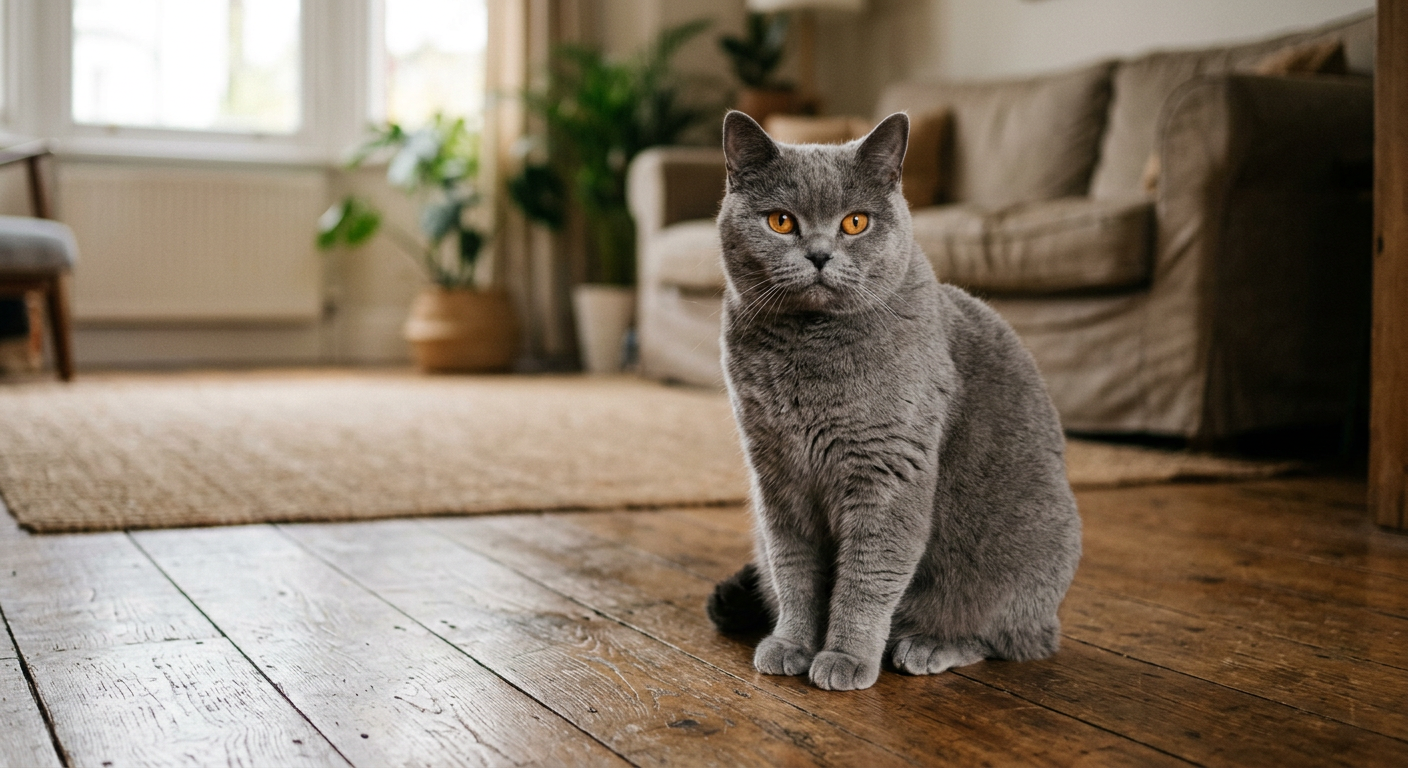
While the mechanism of purring is the same across most domestic breeds, the frequency and volume can vary. For example, some larger domestic breeds like the British Shorthair may have a deeper, more resonant rumble compared to smaller or more vocal breeds.
Regardless of the breed, the fundamental meaning remains consistent. Whether you have a tiny tabby or a massive Scottish Fold, the purr is their most versatile way of staying connected to you and their surroundings. Understanding these differences helps pet parents provide more personalized care.
Conclusion
Unlocking the mystery of why cats purr and what it means allows us to see our feline friends in a whole new light. It isn't just a sign of a happy cat; it is a sophisticated tool for healing, communication, and social bonding. From the first days of kittenhood to their senior years, this vibration remains a constant thread in the feline experience.
By paying attention to the context and frequency of these sounds, you can better meet your cat's needs and celebrate the unique bond you share. Next time your cat starts to rumble, take a moment to enjoy the vibration, knowing that it’s one of the most special ways your cat interacts with the world.