Have you ever caught your feline friend staring at you from across the room, only to see them slowly close and then open their eyes? This subtle gesture is more than just a sleepy reflex. Understanding the meaning behind slow blinks can transform your relationship with your cat, turning a simple gaze into a profound moment of connection. For cat owners, learning this silent language is like discovering a secret handshake shared between species.
The slow blink is often referred to by behaviorists as a "cat kiss." In the wild, eye contact can be perceived as a threat or a challenge. When a cat chooses to close its eyes in your presence, it is performing a vulnerable act that signals safety and friendship. By mastering this communication, you can participate in a behavior that cats use with their most trusted companions.
The Science of Feline Eye Communication
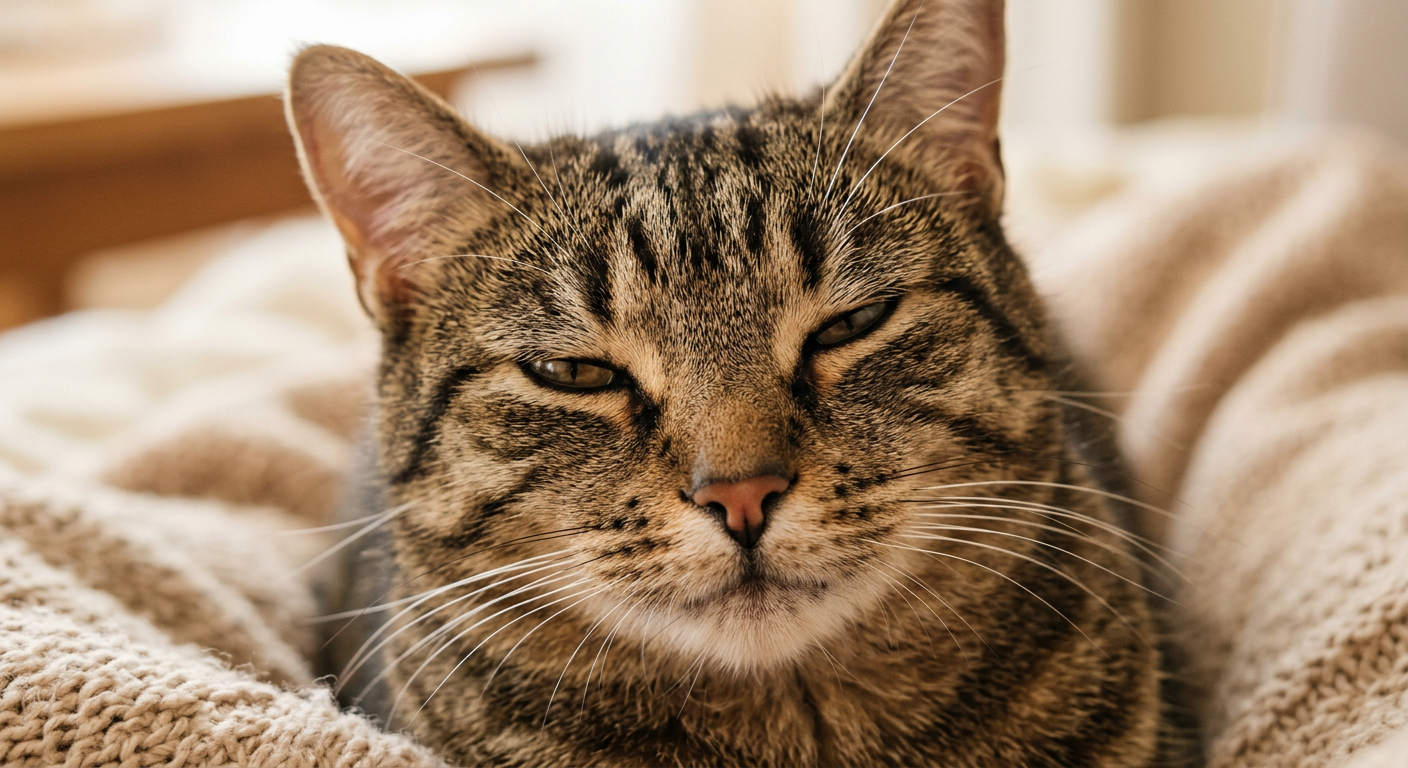
Cats rely heavily on non-verbal cues to navigate their social world. While humans use words, cats use a complex combination of ear positions, tail movements, and eye expressions. The meaning behind slow blinks is rooted in the physiological state of the cat. A relaxed cat has soft, almond-shaped pupils and heavy eyelids, indicating that their nervous system is in a "rest and digest" state.
Research published in the journal Scientific Reports has actually confirmed that humans can communicate with cats using this method. The study found that cats are more likely to approach a human who slow blinks at them compared to one who maintains a neutral expression. This scientific backing proves that your cat isn't just tired; they are actively engaging in a social bonding ritual.
The Anatomy of a Cat Kiss
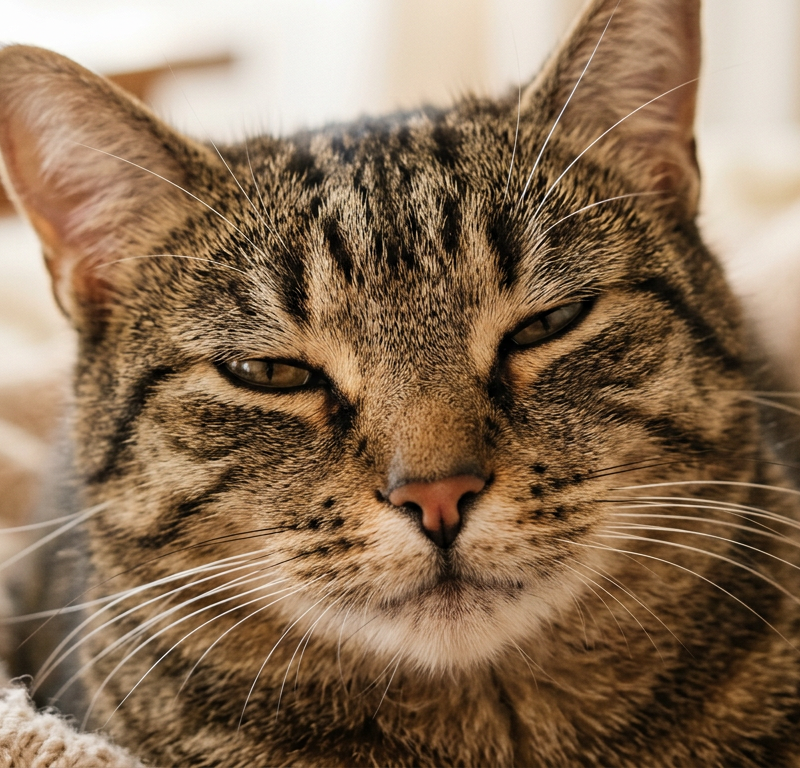
A true slow blink consists of a series of half-blinks followed by either a prolonged narrowing of the eyes or a complete closure for a second or two. It is distinct from a regular blink, which is fast and involuntary. When you observe this, notice how the rest of the cat's body looks. Usually, their ears will be forward or slightly relaxed to the side, and their whiskers will be in a neutral position.
Why Cats Choose to Slow Blink
The primary meaning behind slow blinks is the communication of trust. Because cats are both predators and prey in the natural world, they are instinctively cautious about where they direct their attention. Closing their eyes, even for a moment, means they feel secure enough in your presence to let their guard down. It is the ultimate compliment in the feline world.
Beyond trust, this behavior is a way to de-escalate tension. If a cat feels slightly overwhelmed or wants to signal that they are not a threat to another animal, they might use a slow blink to "soften" their gaze. You might see this happening when you introduce a new pet or when a cat is trying to make friends with a hesitant visitor. It is their way of saying, "I come in peace."
Building an Emotional Bond
When your cat initiates this gesture, they are often looking for a response. Reciprocating the action reinforces the bond you share. Just as you might enjoy decoding your cat's behavior through their vocalizations, responding to their visual cues creates a two-way street of understanding. It tells your cat that you speak their language and value their comfort.
How to Respond to Your Cat's Slow Blink
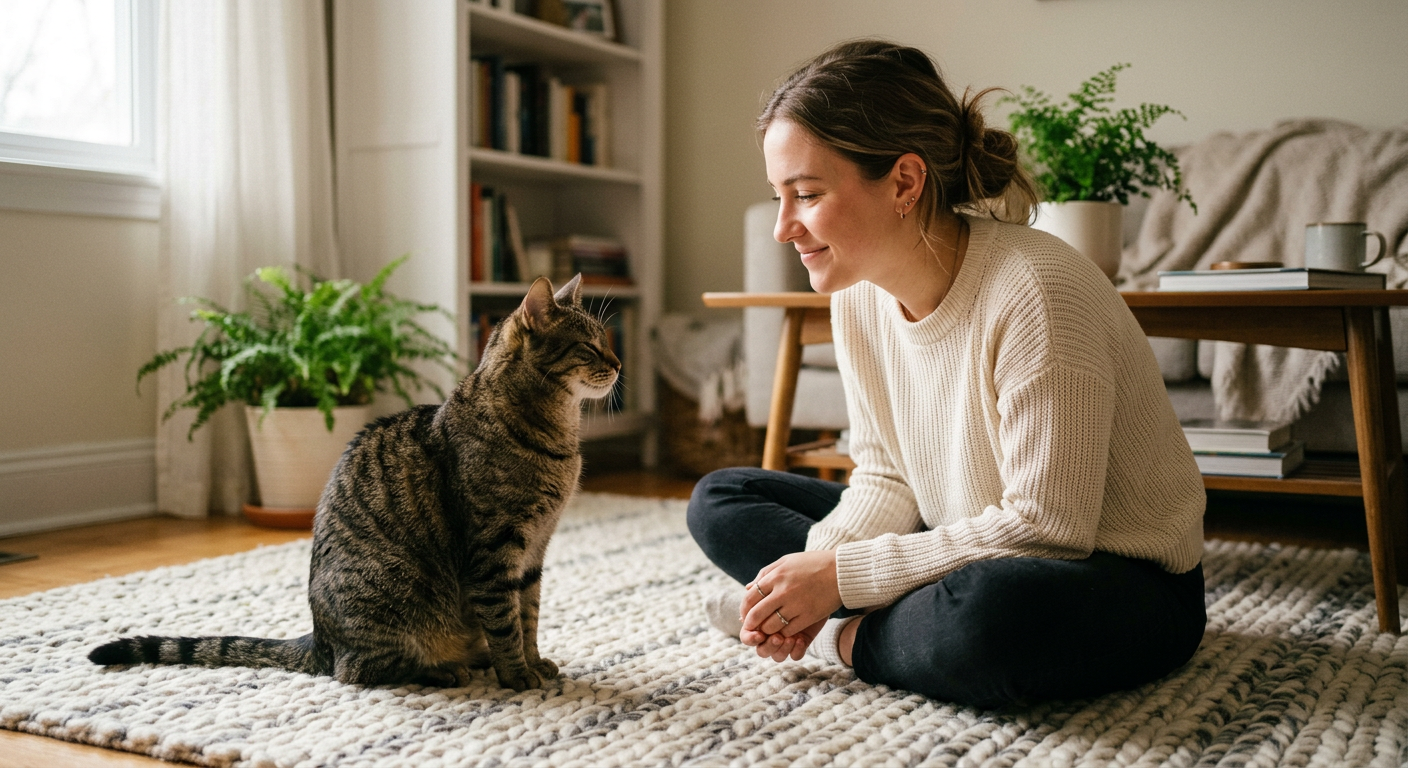
Knowing the meaning behind slow blinks gives you a powerful tool for social interaction. To "talk back" to your cat, start by making soft eye contact. Avoid staring intensely, as this can be seen as aggressive. Instead, keep your facial muscles relaxed and your gaze gentle. Slowly close your eyes, hold them shut for a count of one, and then slowly open them while looking slightly away.
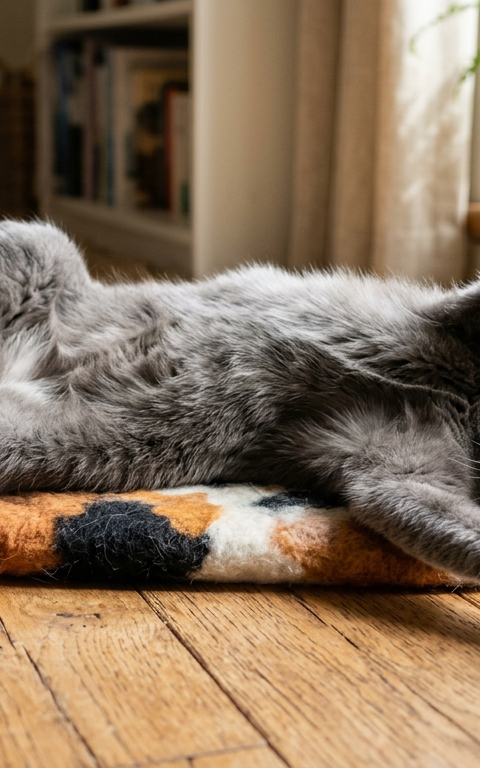
Timing is everything when it comes to feline etiquette. Wait for a moment when your cat is already relaxed, perhaps lounging on a sun-drenched rug or settling into their favorite bed. If they return the blink, you have successfully completed a "cat kiss." This simple exchange can lower stress levels for both you and your pet, fostering a calm environment.
Practice Makes Perfect
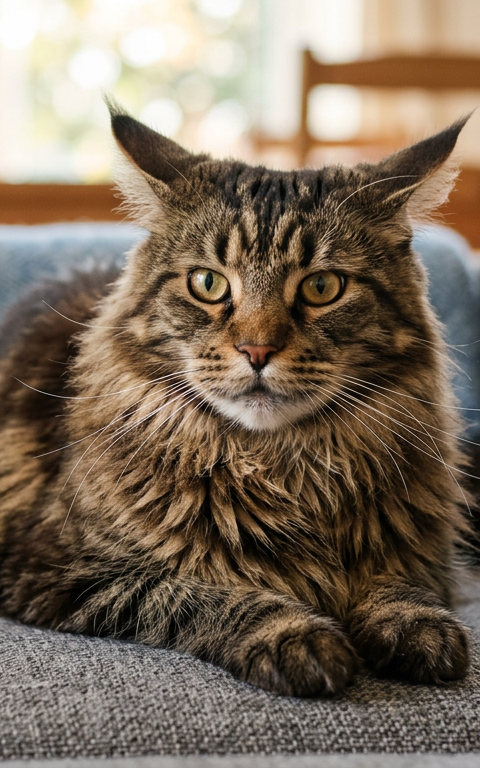
Don't be discouraged if your cat doesn't respond immediately. Some cats are more "talkative" with their eyes than others. Breeds like the Maine Coon or the British Shorthair might have different social temperaments, but they all share this fundamental biological trait. Consistent, gentle practice will eventually yield results.
Environmental Factors and Body Language
While the meaning behind slow blinks is generally positive, it is important to consider the context. A cat that is slow blinking while hiding under a bed may be trying to soothe itself in a stressful situation. Always look at the "whole cat" when interpreting their mood. Are they purring? Is their tail still or gently twitching at the tip? These are all signs of a happy, relaxed kitty.
Environmental enrichment plays a role in how often a cat communicates. A cat that feels safe in its territory is much more likely to be expressive. Providing vertical spaces, scratching posts, and consistent routines helps your cat feel secure enough to engage in these social displays. A confident cat is a communicative cat.
Distinguishing Between Sleepiness and Social Blinking
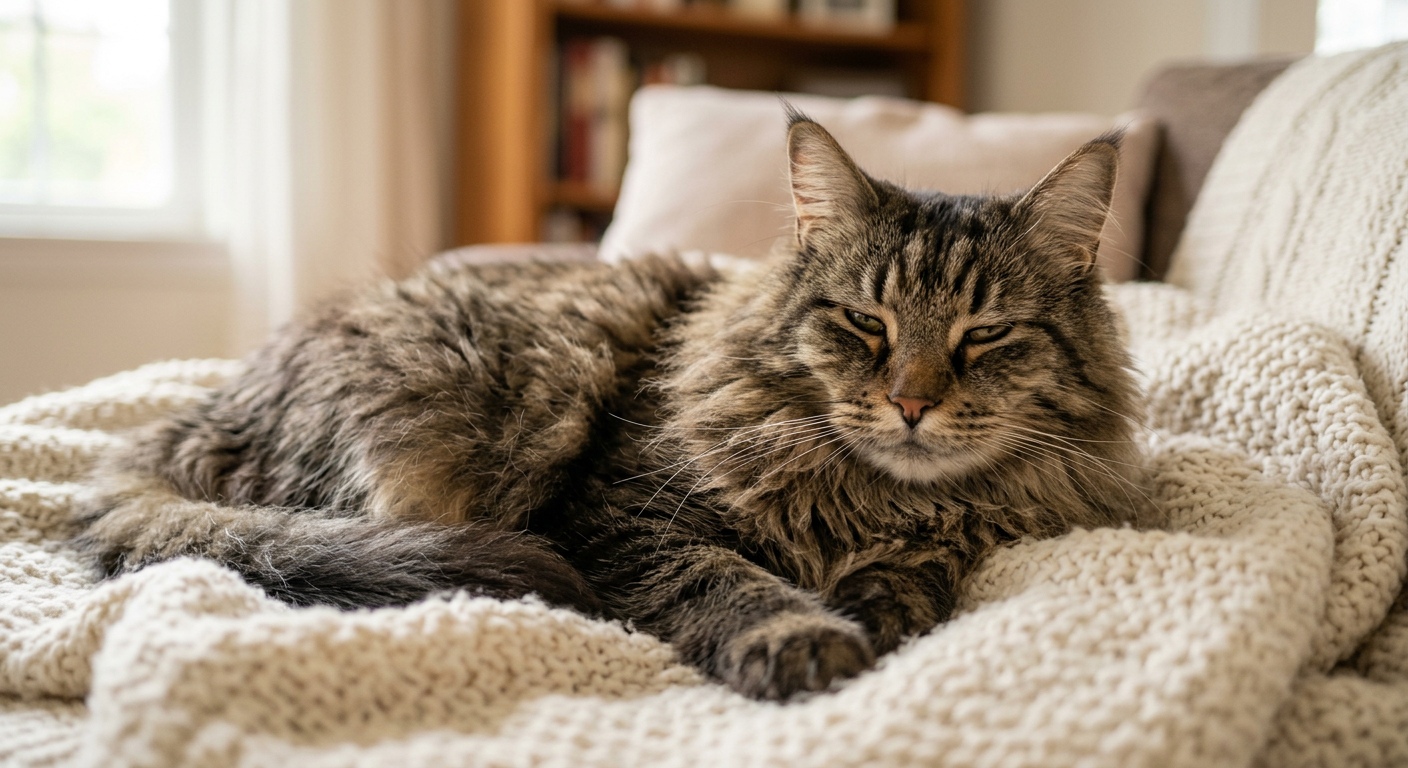
Sometimes, a cat is simply drifting off to sleep. You can tell the difference by watching their engagement levels. A social slow blink is usually directed specifically at a person or another pet. The cat will often look at you, blink, and continue to watch you with soft eyes. A sleepy cat will have drooping eyelids that don't necessarily focus on a target before they fully succumb to a nap.
The Role of Age in Communication
As cats mature, their communication styles may evolve. Kittens are often too busy playing to spend much time on subtle eye movements, while senior cats may use slow blinking as their primary way of showing affection as they become less physically active. Understanding the stages of your cat's life can help you interpret their needs better.
If you have a senior cat, you might be curious about how their age affects their behavior. You can check out our Maine Coon age calculator or other breed-specific tools to see where your cat stands in their life journey. Knowing their life stage helps you provide the proactive care they need to stay comfortable and communicative into their golden years.
Common Misconceptions About Cat Gazes
A common mistake many owners make is confusing the meaning behind slow blinks with a fixed stare. In the animal kingdom, a fixed stare is often an assertive or predatory behavior. If you find your cat staring at you without blinking, they might be waiting for food, observing a bug behind your head, or feeling a bit unsure. Always break a stare with a slow blink to reassure them.
Another misconception is that all cats use slow blinks to show love. While it is a sign of trust, for some cats, it is simply a way of acknowledging your presence without feeling the need to flee. Respecting these boundaries is key to a healthy relationship. If your cat blinks and then turns away, they might be saying, "I trust you, but I'd like some space now."
Refining Your Feline Intuition
The more time you spend observing your cat, the better you will get at recognizing their unique "eye dialect." Every cat has a personality. Some may give you quick, fluttering blinks, while others prefer a long, dramatic shut-eye. By paying attention to the meaning behind slow blinks, you become a more intuitive and supportive caregiver.
Conclusion and Wellness Considerations
Understanding the meaning behind slow blinks is a beautiful way to deepen the connection with your feline companion. It is a testament to the unique bond humans have cultivated with cats over thousands of years. By reciprocating this "cat kiss," you are speaking a language of peace and affection that resonates deeply with your pet's natural instincts.
If you ever notice a sudden change in your cat's eye appearance—such as squinting in only one eye, excessive discharge, or a cloudiness—it is important to move beyond behavioral interpretation. While slow blinking is a sign of wellness and trust, physical changes in the eyes can indicate health issues. Always consult a veterinarian if you have concerns about your cat's eye health or overall wellness.