As a cat owner, you have likely noticed that your feline companion is quite the conversationalist. While wild cats rarely vocalize with each other once they reach adulthood, domesticated cats have developed a sophisticated way to communicate with their human caregivers. Understanding cat meowing patterns is the key to unlocking a deeper bond with your pet and ensuring their daily needs are met with precision and care.
Every "meow" is a unique data point in the lifelong dialogue you share with your cat. By paying close attention to the pitch, duration, and frequency of these sounds, you can begin to translate what your cat is trying to tell you. In this guide, we will explore the various nuances of feline vocalization to help you become a more intuitive pet parent.
The Evolution of the Domestic Meow
It is a fascinating biological fact that adult cats in the wild almost never meow at one another. This specific vocalization is primarily reserved for kittens who need to get their mother's attention for warmth or food. However, domesticated cats have learned that humans respond to these vocal cues, leading them to extend this "kittenhood" behavior throughout their entire lives.
Research suggests that cats modify their meows to better suit their specific household. You might find that your cat has a different set of sounds than your neighbor's cat. This is because cats are excellent mimics and fast learners; they refine their sounds based on which ones get the quickest reaction from you, whether that is a treat, a pet, or a filled kibble bowl.
Why Cats Choose Vocalization Over Body Language
While cats rely heavily on scent and body language with other animals, they have adapted to human communication styles. Since humans are primarily verbal and visual, cats use meowing as a "bridge" to bridge the communication gap. If you want to learn more about non-verbal cues, you might enjoy decoding your cat's behavior through their physical movements.
Common Categories of Meowing
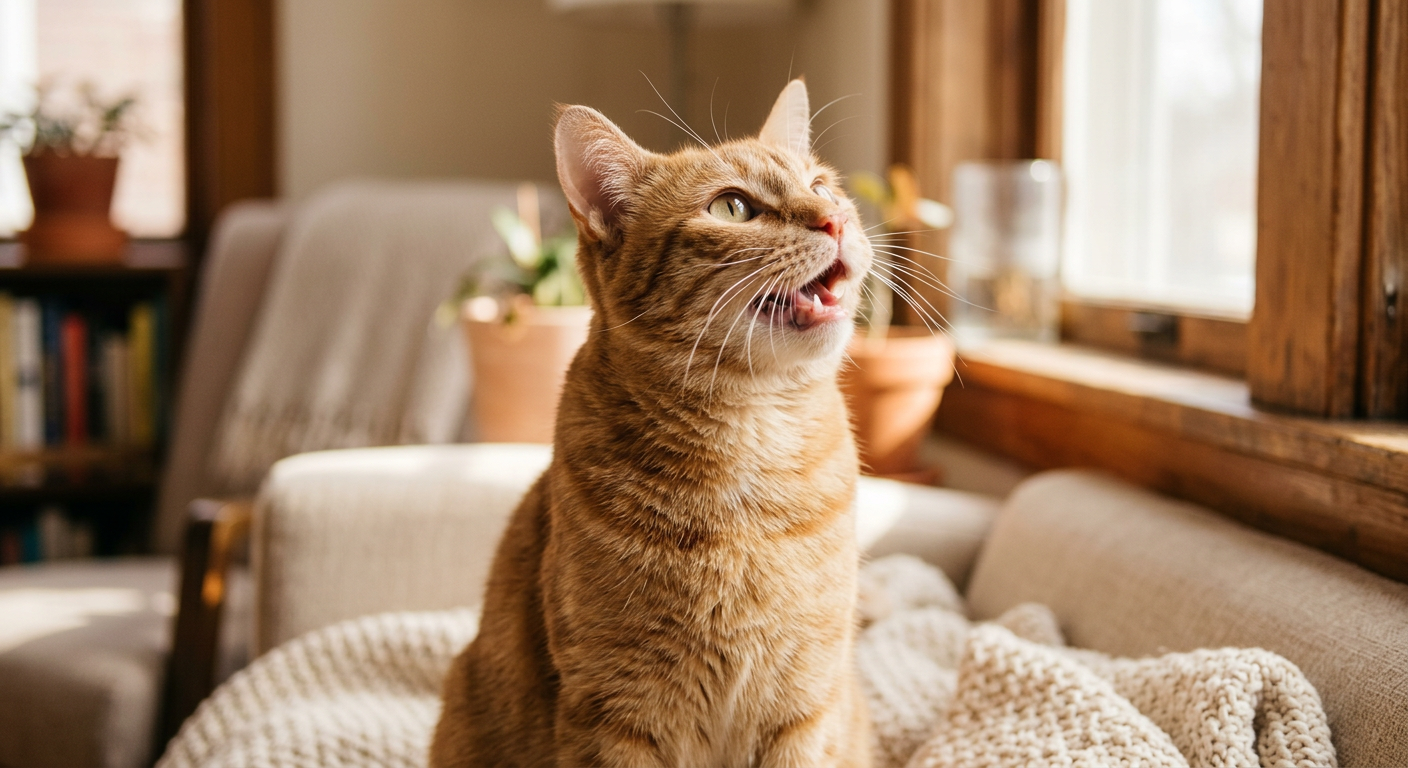
While every cat is an individual, most feline vocalizations fall into a few predictable categories. Recognizing these general patterns is the first step in understanding cat meowing patterns and responding appropriately to your pet's requests.
The Short Greeting Meow
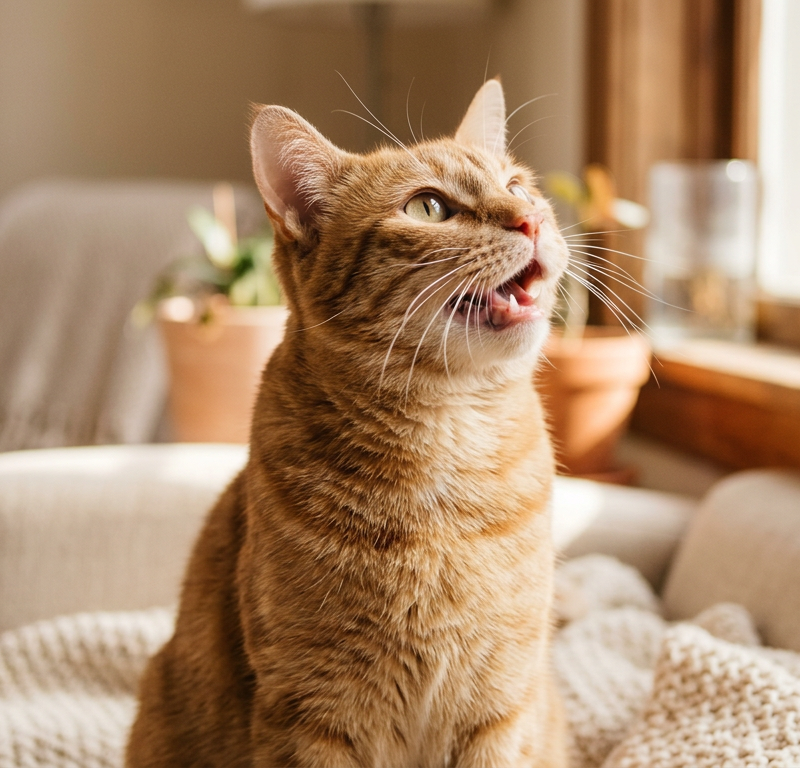
When you walk through the door after work, you are likely greeted with a short, high-pitched chirp or a quick "mew." This is the feline equivalent of a friendly "hello." It is usually accompanied by an upright tail and a relaxed posture. This pattern indicates a cat that is happy to see you and is socially engaged.
The Demand Meow
We all know the persistent, mid-pitched meow that happens around dinner time. This is the demand meow. It is characterized by its repetitive nature and a tone that sits right in the middle of the feline vocal range. If you ignore it, the meow may become louder or longer until the requirement—usually food or outdoor access—is met.
The Distress or Pain Call
A sudden change in understanding cat meowing patterns involves listening for low-pitched or harsh sounds. A low "yowl" can indicate that a cat is trapped, in pain, or feeling unwell. If your normally quiet cat suddenly begins yowling or meowing with unusual intensity, it is always a proactive wellness step to consult with your veterinarian to rule out underlying health issues.
Understanding Pitch and Frequency
The "music" of a meow tells you a lot about the cat's emotional state. Generally, higher pitches are associated with positive or inquisitive emotions, while lower pitches can signal frustration or discomfort. Understanding the frequency of these sounds also helps differentiate between an urgent need and a casual observation.
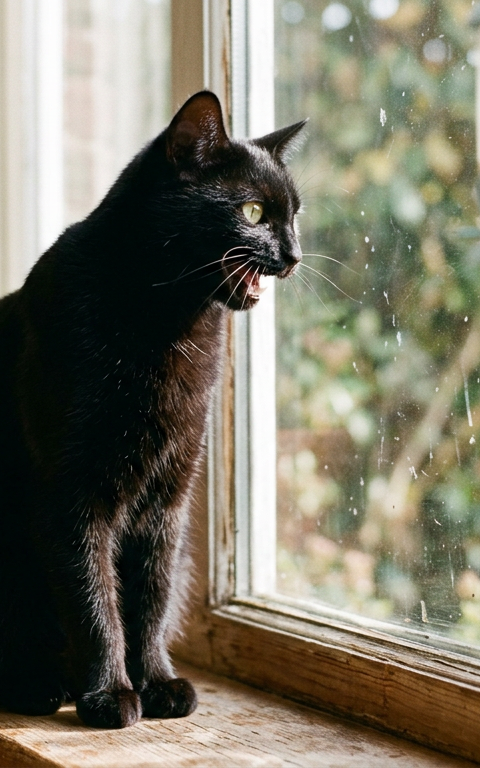
A cat that meows once and then waits for a response is showing patience. Conversely, a cat that meows in rapid succession is likely experiencing high arousal. This could be due to excitement about a toy or frustration if they can see a bird through a window but cannot reach it. Observing these nuances helps in understanding cat meowing patterns over time.
The Role of Breed in Vocalization
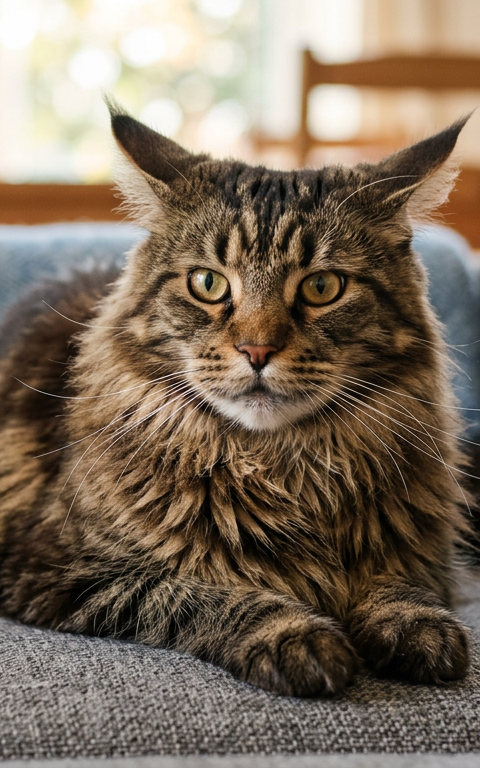
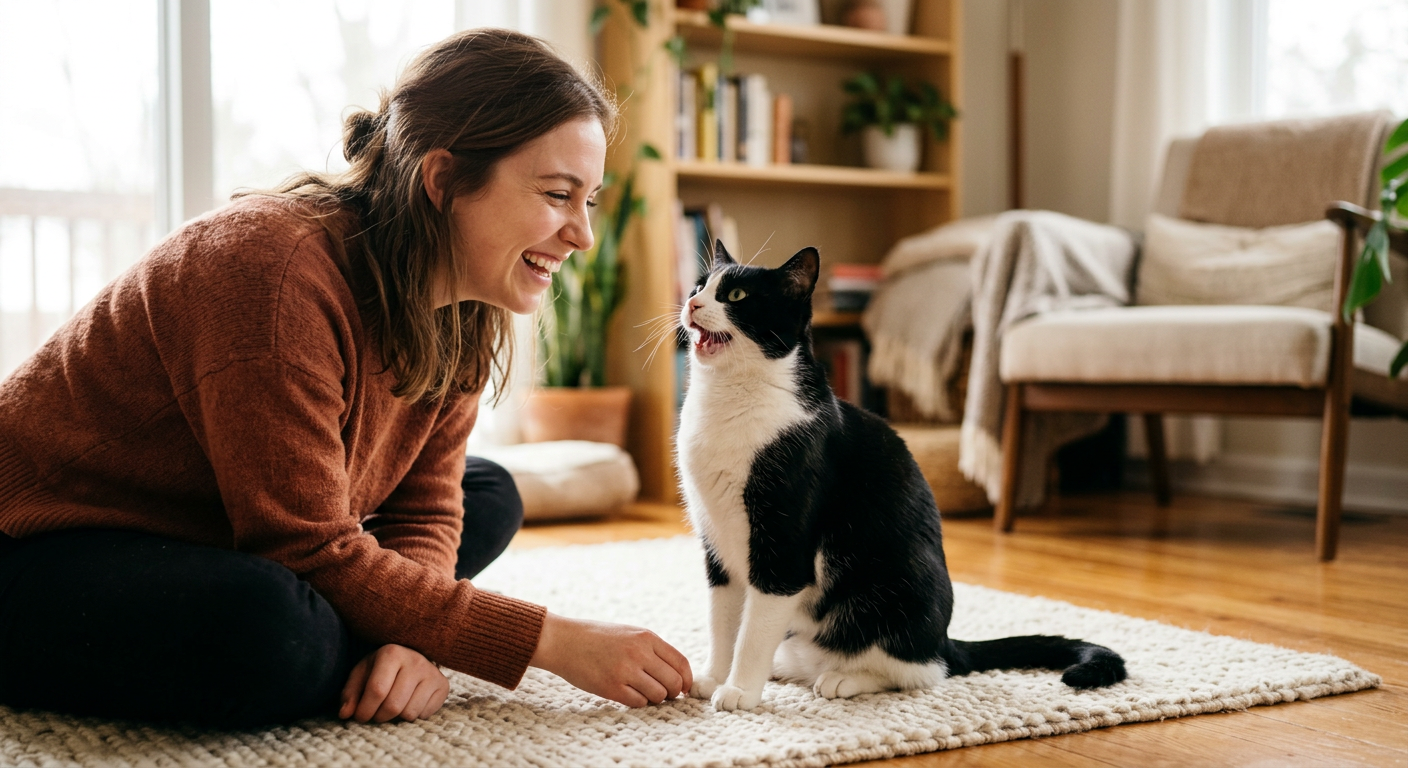
Just as humans have different accents and speaking styles, different cat breeds have different vocal tendencies. Some breeds are notoriously quiet, while others are known for being "chatterboxes." For example, the Maine Coon is famous for its distinctive chirps and trills rather than a standard meow.
Oriental breeds, such as the Siamese or Burmese, are often much louder and more persistent with their vocalizations. They may "talk" to you all day long about their day, their food, and their desire for attention. If you prefer a quieter home, researching breed tendencies is a great way to ensure a good match between pet and owner.
Silent Breeds vs. Vocal Breeds
If you are considering a new feline friend, understanding cat meowing patterns specific to their breed is helpful. Breeds like the Russian Blue or the British Shorthair are often more reserved, using their voices only when absolutely necessary. This contrast is a key factor when evaluating which cat fits your lifestyle.
Age Related Changes in Vocalization
As cats move through different life stages, their communication patterns often shift. Finding a balance in understanding cat meowing patterns means acknowledging that a kitten's needs are very different from those of a senior cat. Kittens meow frequently because they are learning how to navigate their world and rely on you for everything.
As cats reach their senior years, you may notice an increase in vocalization, particularly at night. This can sometimes be related to age-related changes in vision or hearing. If your senior cat starts meowing more frequently, it is a kind gesture to leave a small nightlight on or provide extra comfort, as well as discussing these changes with your vet.
How to Respond to Your Cat's Meow
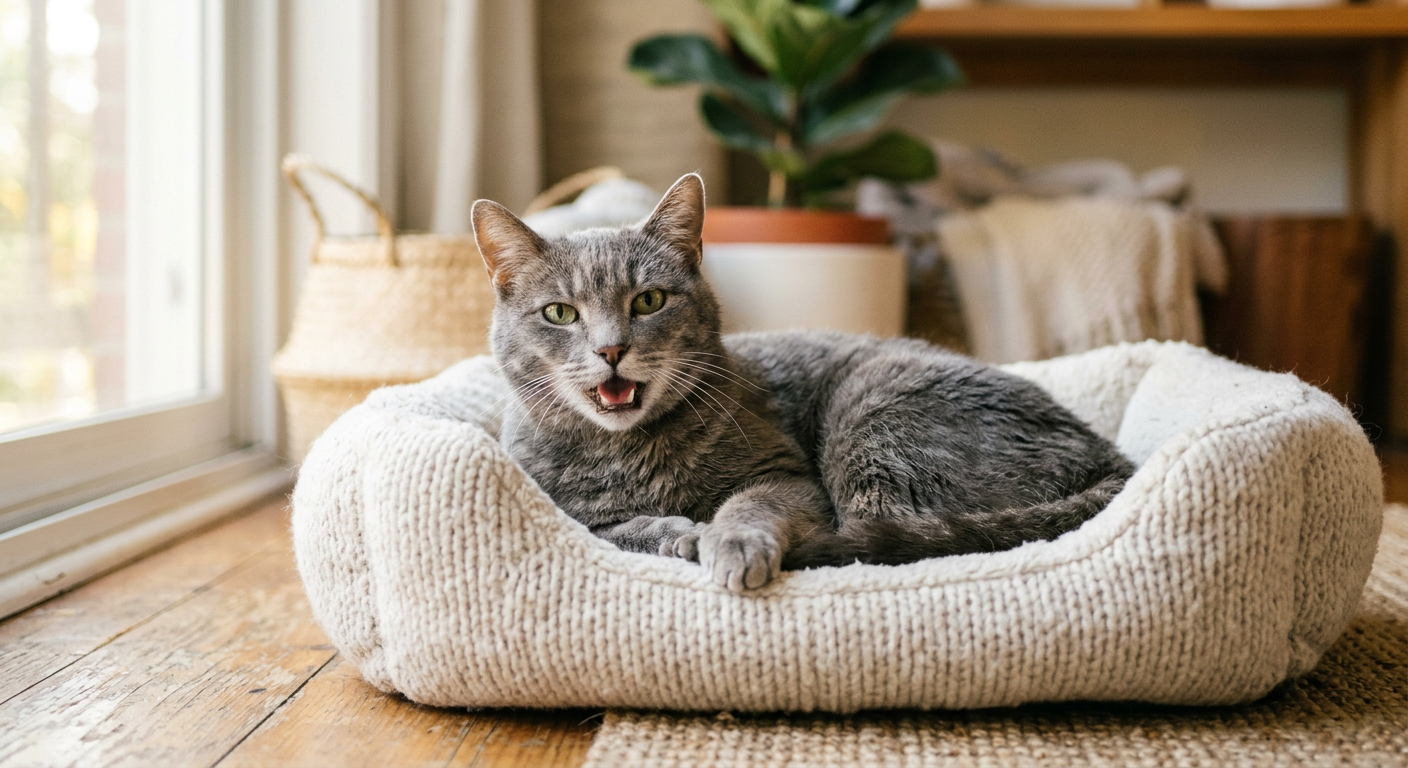
The way you respond to your cat's vocalizations will reinforce certain behaviors. If you always feed your cat the moment they meow loudly, they will learn that loud meowing is the most effective way to get fed. To maintain a peaceful environment, it is often best to reward quiet behavior with attention and treats.
Understanding cat meowing patterns also means knowing when not to respond. If your cat is meowing for attention at 3:00 AM, responding—even to tell them to be quiet—provides the interaction they are seeking. Staying consistent with your responses helps your cat understand the "house rules" of communication.
Building a Vocabulary Together
Over time, you and your cat will develop a shared language. You will begin to distinguish the "I'm lonely" meow from the "there is a bug on the ceiling" meow. This level of understanding cat meowing patterns is one of the most rewarding aspects of cat ownership. It shows that you are tuned into your pet's emotional world and are dedicated to their happiness.
If your cat uses subtle cues like blinks in addition to meows, you might want to read about the meaning behind slow blinks to round out your feline translation skills. Combining vocal cues with visual body language provides the most accurate picture of your cat's well-being.
Conclusion
Mastering the art of understanding cat meowing patterns takes time, patience, and observation. By listening to the pitch, tone, and context of your cat's voice, you can provide a higher level of care and companionship. Remember that every cat is a unique individual, and their voice is a special gift meant just for you.
Whenever you are in doubt about a change in your cat's vocalization patterns, a quick check-up with a veterinarian is always the best path forward. Here's to many years of happy, meaningful conversations with your feline friend!