Understanding the subtle nuances of feline communication is a journey that every cat owner embarks upon. When you focus on decoding your cat's behavior, you open a window into their emotional world, moving beyond the simple "meow" to understand their complex social language. Whether it is a slow blink or a rhythmic purr, your cat is constantly sharing their feelings with you.
By learning these signals, you can strengthen the bond with your feline companion and ensure their home environment meets their unique needs. Cats are masters of body language, utilizing everything from their ears to the tips of their tails to express contentment, curiosity, or a need for space. Let's delve into the fascinating world of feline linguistics.
The Language of the Tail
A cat's tail is perhaps their most expressive physical feature, acting like a furry barometer for their mood. While many people associate tail wagging with canine happiness, in the feline world, a twitching tail often signals something entirely different. Understanding these movements is the first step in decoding your cat's behavior effectively.
The Upright Question Mark
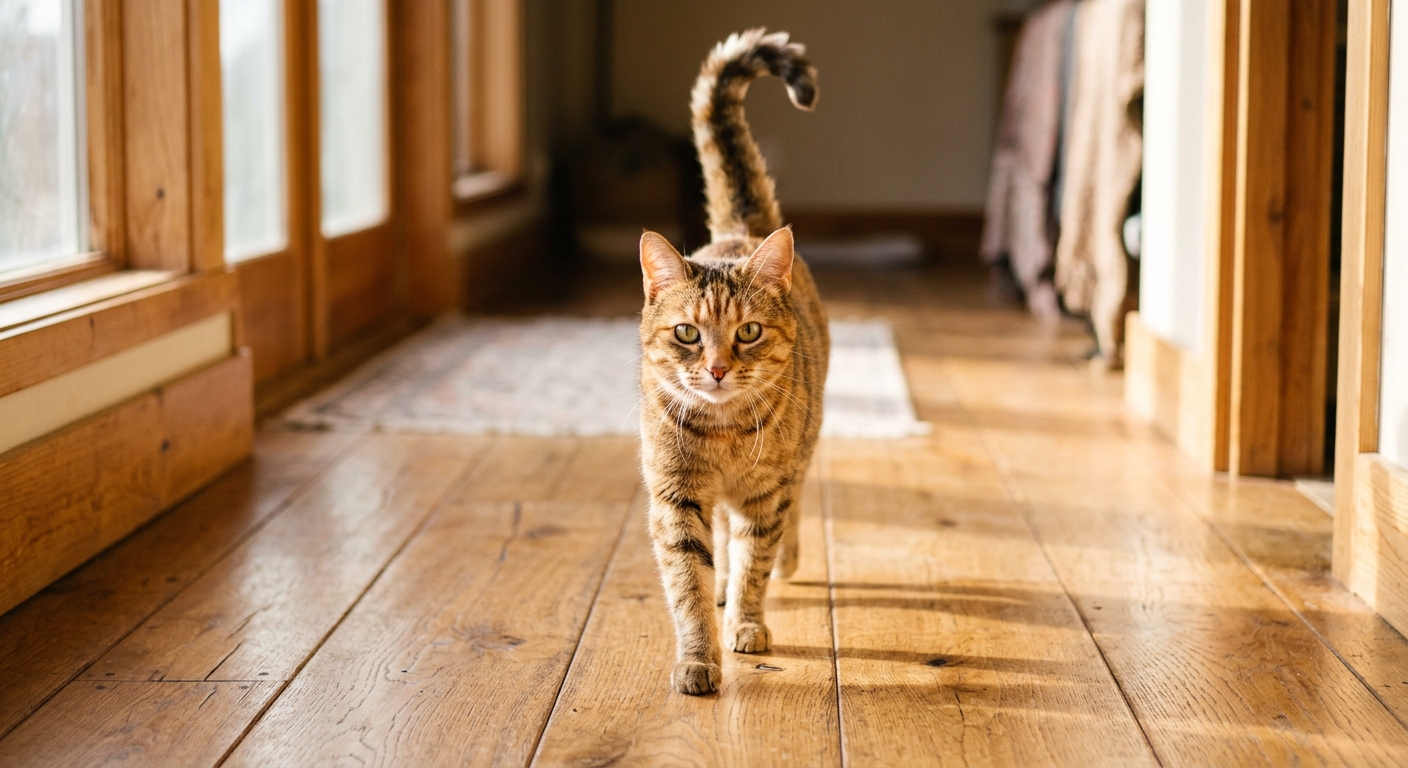
When your cat approaches you with their tail held high and a slight curl at the tip, they are essentially saying "Hello!" This posture indicates a friendly, confident, and approachable state of mind. It is the perfect time for a gentle head scratch or a quick play session.
The Slow Swish vs. The Rapid Lash
A slow, rhythmic side-to-side motion often means your cat is intensely focused on something, like a bird outside the window or a favorite toy. However, if the tail begins to lash back and forth rapidly, your cat may be feeling overstimulated or annoyed. It is helpful to give them some quiet space during these moments to help them feel more relaxed.
The Puffy Tail
When a cat's tail hair stands on end, making it look much larger than usual, it is a sign that they feel startled or defensive. This "piloerection" is a natural response designed to make the cat look larger to potential threats. If you notice this, try to identify what might be making them feel uneasy and remove the stressor if possible.
Vocalizations: Beyond the Meow
While adult cats rarely meow at other cats, they have developed this specific vocalization primarily to communicate with their human companions. Each meow can have a different meaning depending on the pitch, volume, and situation. Proactive care involves learning these distinct sounds to better serve your pet's needs.
The Contented Purr
The purr is one of the most soothing sounds in nature. While usually associated with deep relaxation and happiness, cats also purr to self-soothe during times of healing or stress. If your cat is purring while lounging in your lap, it is a wonderful sign of trust and comfort.
Chirps and Trills
Have you ever heard your cat make a bird-like chirping sound? Mothers often use trills to gather their kittens, and adult cats use them to greet their humans. It is an affectionate sound that indicates excitement and a desire for interaction. You might even find yourself chirping back to them!
The Warning Hiss
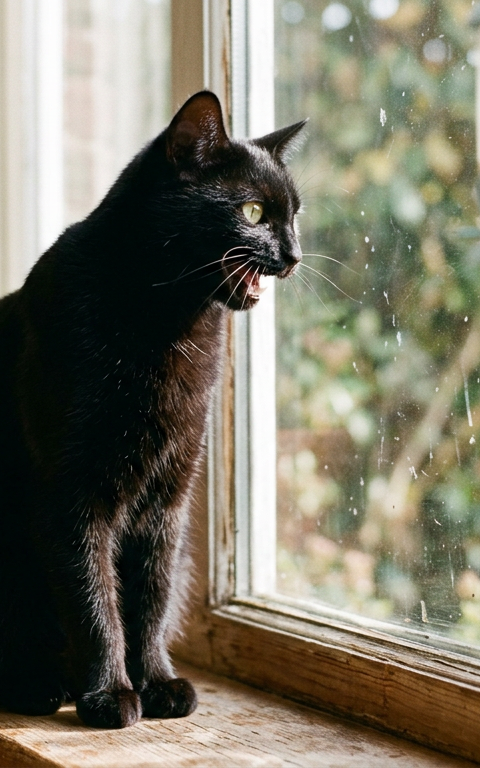
A hiss is a clear and direct way for a cat to say, "I need some space right now." It is a defensive vocalization used when they feel vulnerable or overwhelmed. Respecting this boundary is crucial for maintaining a positive relationship. Always consult a veterinarian if you notice a sudden increase in vocalizations, as it can sometimes be a sign of physical discomfort.
The Mystery of the Eyes
A cat's eyes are incredibly communicative, and the size of their pupils can tell you a lot about their internal state. Because cats are both predators and prey, their vision is highly attuned to their surroundings, and their gaze reflects their emotional engagement with the world.
The Slow Blink: A Feline Kiss
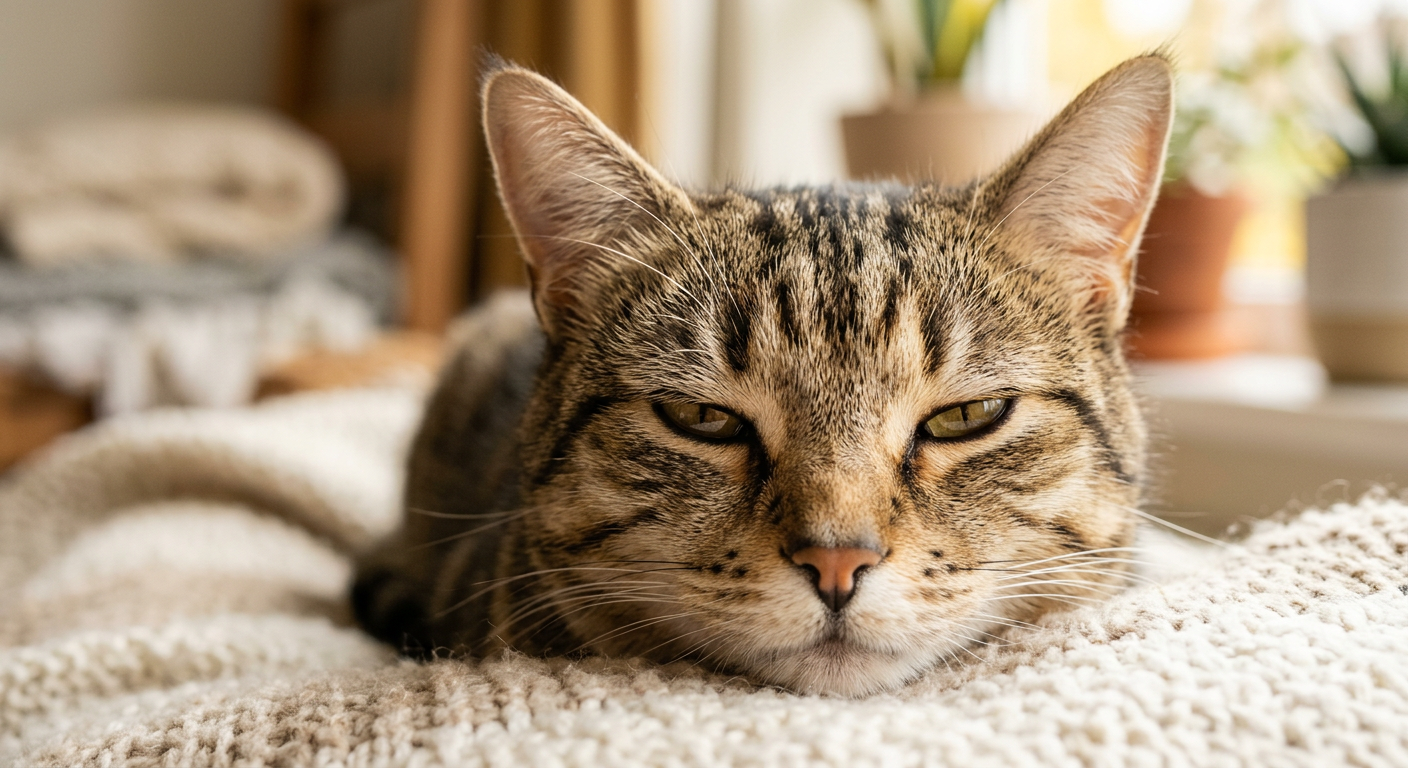
If you catch your cat looking at you and slowly closing and opening their eyes, you have just received a "cat kiss." This behavior signals that your cat feels safe and comfortable in your presence. You can return the gesture by slowly blinking back, which helps reinforce your bond of trust.
Dilated vs. Constricted Pupils
Pupils that are large and round (dilated) often indicate excitement, playfulness, or sometimes a bit of surprise. Conversely, pupils that are narrowed into slits can signal that a cat is feeling very focused or potentially defensive. Always look at the rest of the cat's body language to understand the context of their gaze.
Ears and Whiskers: Subtle Signals
Secondary cues like ear position and whisker placement provide additional layers of meaning to feline interactions. These movements are often very fast, so observing your cat during different activities can help you become an expert at decoding your cat's behavior.
Forward and Alert
Ears that are pointed forward and slightly outward indicate a cat that is curious and engaged. This is common during playtime or when they are investigating a new sound. It shows they are interested in what is happening in their environment.
The "Airplane" Ears
When a cat’s ears move to the side, resembling airplane wings, they are likely feeling a bit uncertain or overstimulated. If the ears are pinned flat against the head, the cat is feeling very defensive. In these instances, giving your pet a quiet area to retreat to is the best course of action.
Whisker Positioning
Relaxed whiskers that hang naturally to the sides indicate a calm cat. If the whiskers are pushed forward, your cat is likely hunting or investigating something closely. Whiskers pulled back against the face can suggest that the cat is feeling cautious about a situation.
Physical Contact and "Love Bites"
Cats show affection in ways that can sometimes be confusing to humans. Understanding these physical interactions is key to a happy co-existence. For example, some breeds may have different social needs; you can learn more about how different personalities mesh by visiting our page to compare the British Shorthair and Poodle temperament styles.
Kneading: The "Biscuit" Maker
Kneading, or "making biscuits," is a behavior kittens use to stimulate milk flow from their mothers. As adults, cats continue to do this when they feel extremely comfortable and content. It is a sign that they view you as a source of comfort and security.
The Gently Nipping Mouth
Sometimes, during a petting session, a cat might give you a tiny nibble. While it might feel surprising, these are often "love bites." However, if the nipping becomes more frequent, it might be a sign that they have reached their limit for physical touch. Every cat has a different "petting threshold," and learning yours is part of proactive care.
Social Grooming
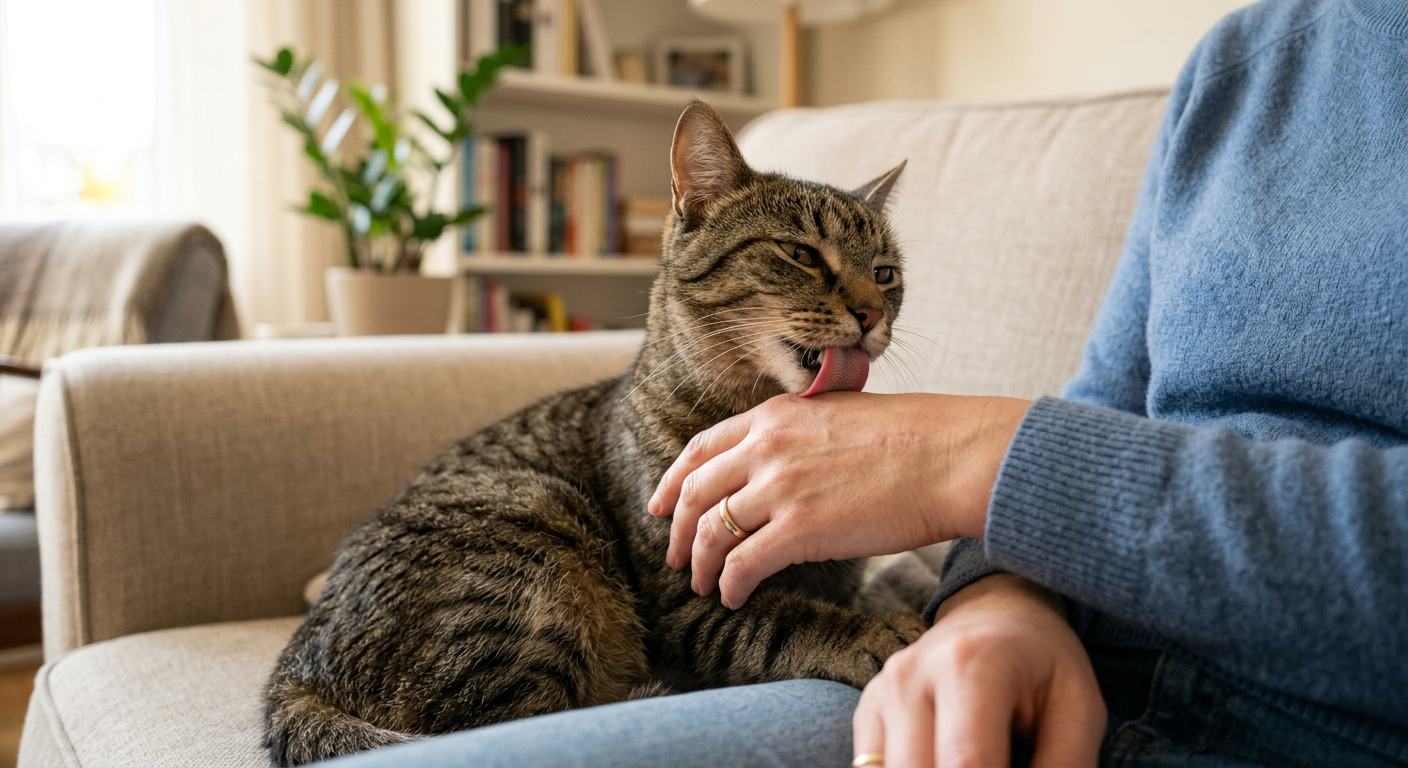
If your cat tries to lick your hand or hair, they are engaging in "allogrooming." In the wild, cats groom each other to strengthen social bonds and share a group scent. When they do this to you, they are essentially welcoming you into their "inner circle" or family unit.
The Importance of Routine and Environment
Cats are creatures of habit, and their behavior is heavily influenced by their environment. A change in their routine or a new addition to the home can temporarily alter their communication style. Ensuring they have vertical space, scratching posts, and quiet hiding spots can help them feel more secure.
When decoding your cat's behavior, always look for patterns. A happy cat is one whose physical and emotional needs are met through play, nutrition, and affection. If you ever notice a sudden or drastic change in your cat's behavior—such as hiding more often or changes in litter box habits—it is always best to consult a veterinarian to rule out any underlying wellness considerations.
Understanding your cat's age can also help you interpret their energy levels and social needs. If you have a cat breed common in many households, you might find our Russian Blue age calculator helpful in determining their current life stage and what behavioral changes to expect as they mature.
Bringing It All Together
Decoding your cat's behavior is an ongoing process of observation and empathy. By paying attention to the tail, eyes, ears, and vocalizations, you become more than just an owner—you become a true partner in your cat's life. This deeper understanding leads to a more fulfilling and harmonious relationship for both of you.
Remember that every cat is an individual. What holds true for one may be slightly different for another. Spend time each day observing your cat’s unique quirks and signals. Your feline friend will appreciate the effort, and you will enjoy the reward of a pet who feels truly understood and loved.
Seeing something in your pet that these signals do not quite explain? Record a short clip and run it through the AI pet symptom checker for a friendly read on movement, breathing and vocal cues.