Every cat owner knows the joy of a quiet afternoon spent bonding with their feline friend. You reach out to offer a gentle stroke, but suddenly, the physical response changes. You might wonder, why does my cat flatten its ears when I pet it? This subtle movement, often called "airplane ears," is one of the most expressive tools in a cat's communication kit.
Understanding these shifts in body language helps strengthen the bond between you and your pet. While a cat's purr is a well-known sign of happiness, their ears provide a more nuanced map of their current mood. By learning to read these signals, you can ensure your petting sessions remain a positive experience for both of you.
The Basics of Feline Ear Communication
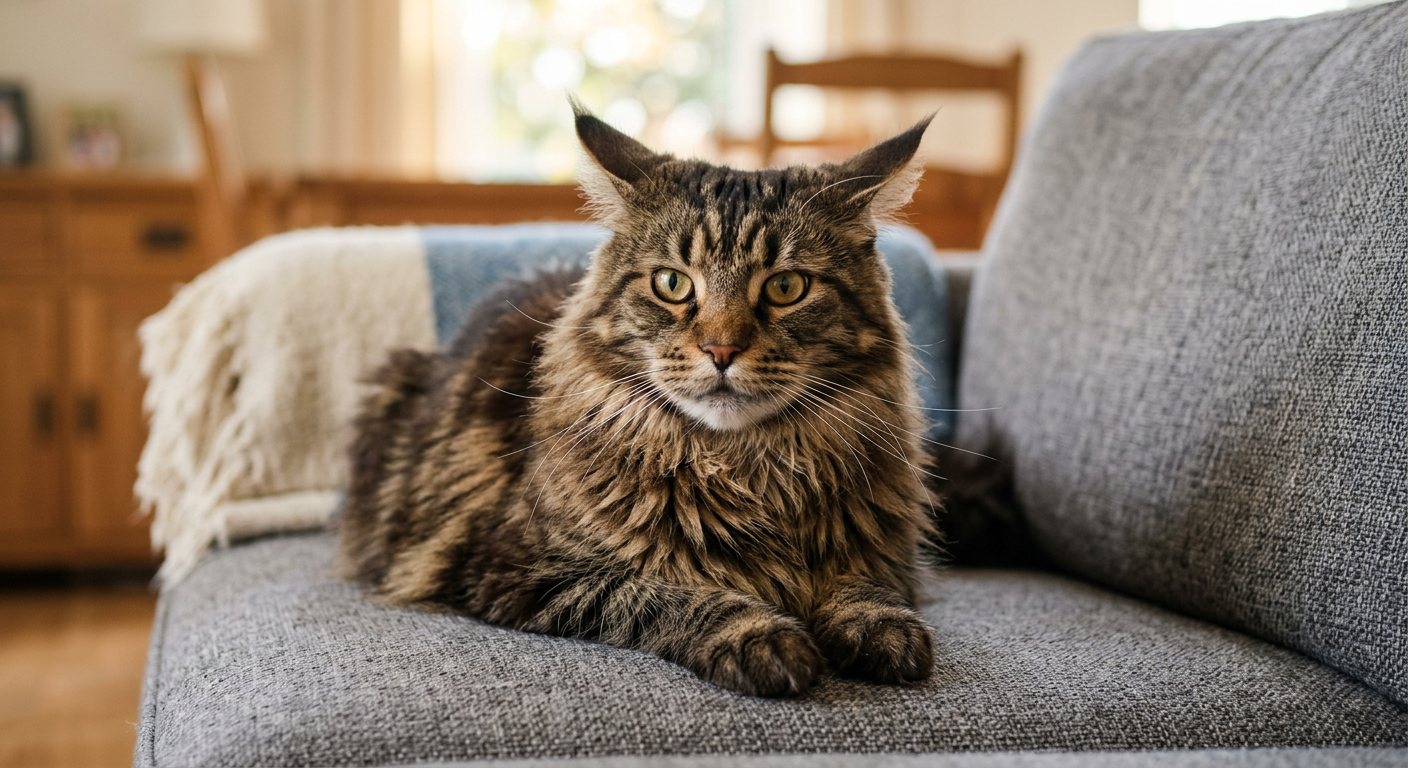
Cats have over 30 muscles in each ear, allowing them to rotate their pinnae (outer ears) up to 180 degrees. This incredible mobility isn't just for tracking the sound of a rustling treat bag; it is a primary way they broadcast their feelings. When a cat alters their ear position during an interaction, they are giving you real-time feedback on how they feel about your touch.
Generally, upright and forward-facing ears signal a cat that is relaxed, curious, or engaged. When the ears begin to shift, it suggests a transition in their emotional state. In the context of decoding your cat's behavior, flat ears are a signal that requires a bit of detective work to interpret correctly based on the surrounding environment.
The Protective Instinct
In the wild, a cat’s ears are vulnerable. Flattening them against the head is a natural defensive mechanism to protect the delicate ear canals from potential injury. Even during a friendly petting session, a cat might instinctively tuck their ears back if they feel the touch is too heavy or if they are startled by a sudden movement.
Common Reasons for Flat Ears During Petting
When you ask, "why does my cat flatten its ears when I pet it," the answer usually falls into one of three categories: overstimulation, sensitivity, or a simple physical reaction to the movement of your hand. Cats have different thresholds for physical contact, and these thresholds can change from day to day.
- Overstimulation: Also known as petting-induced aggression, this happens when a cat becomes overwhelmed by repetitive touch.
- Sensitive Spots: Many cats have specific areas, like the base of the tail or the belly, where touch feels too intense.
- Misdirected Play: Sometimes, flattened ears indicate the cat is shifting into "hunting mode" and may view your hand as a toy.
- Sound Localization: Your cat might be rotating their ears backward to listen to a sound behind them while you happen to be petting them.
Recognizing Overstimulation
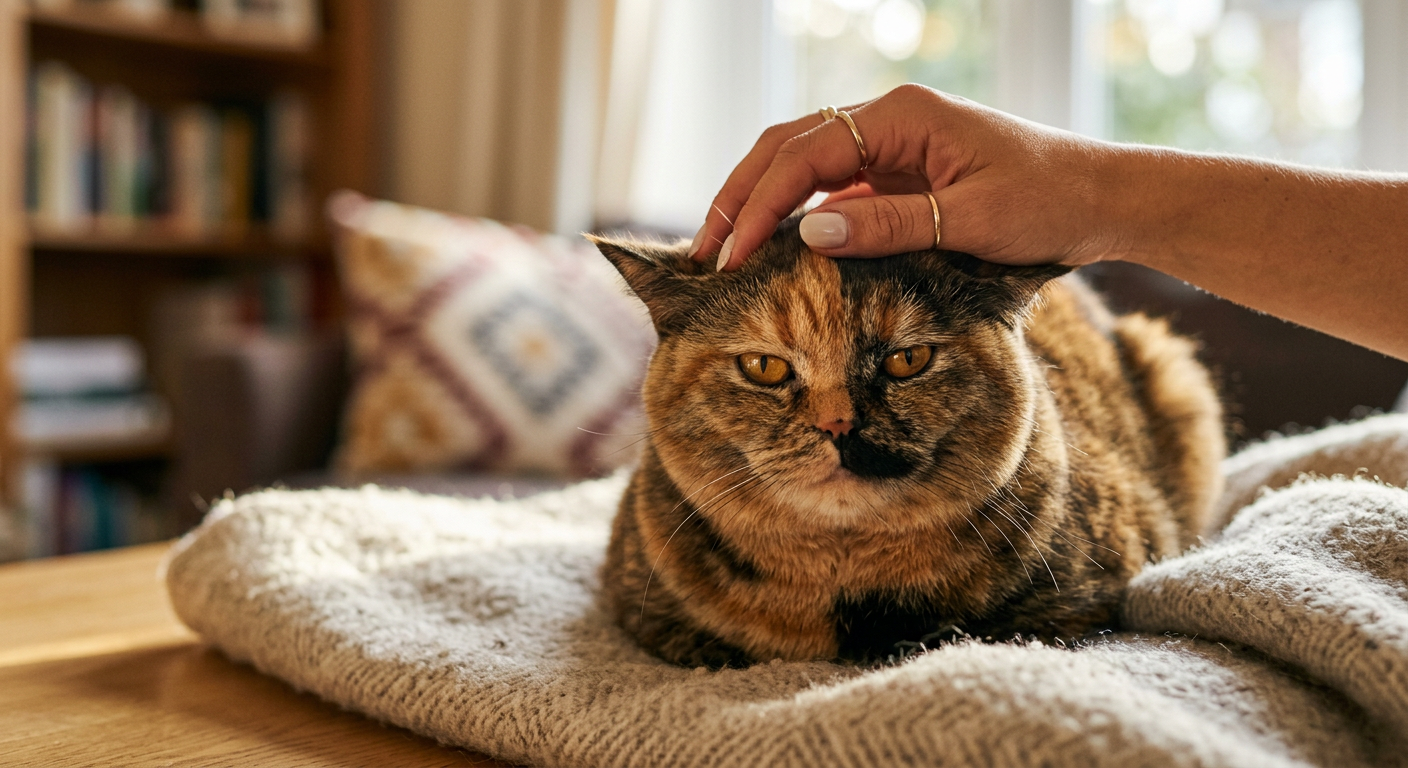
Overstimulation is a common reason for a change in ear posture. While a cat may initially enjoy the attention, the nerve endings in their skin can become over-sensitive after a few minutes. If you notice the ears flattening along with a flickering tail or skin twitching, it is a sign that your cat needs a break. Providing space at this moment prevents the interaction from becoming stressful.
Environmental Factors and Comfort Levels
A cat’s reaction to petting is rarely just about the hand touching them; it is also about where they are and how safe they feel. If there are loud noises, other pets nearby, or unfamiliar scents, a cat may be on high alert. In these instances, flattening the ears is a sign of "hyper-vigilance," where they are trying to process multiple sensory inputs at once.
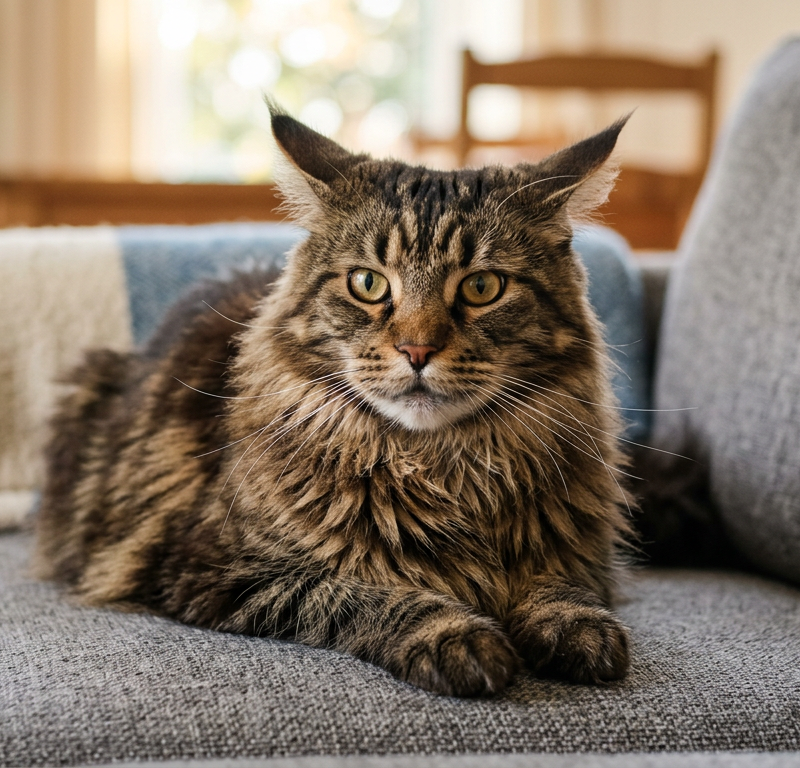
It is helpful to observe if this behavior happens more frequently with certain people or in specific rooms. For example, a Maine Coon might be more patient due to their size and temperament, but even the gentlest giant has limits. Checking in on your cat's comfort level ensures that petting remains a source of security rather than a source of tension.
The Role of Scent and Pheromones
Cats have scent glands located on their cheeks and foreheads. When they lean into your hand with their ears back, they might actually be trying to rub these glands against you. This is a marking behavior that signals trust. However, if the ears are pinned tightly rather than just angled back, it usually leans more toward a "please stop" signal.
Health and Wellness Considerations
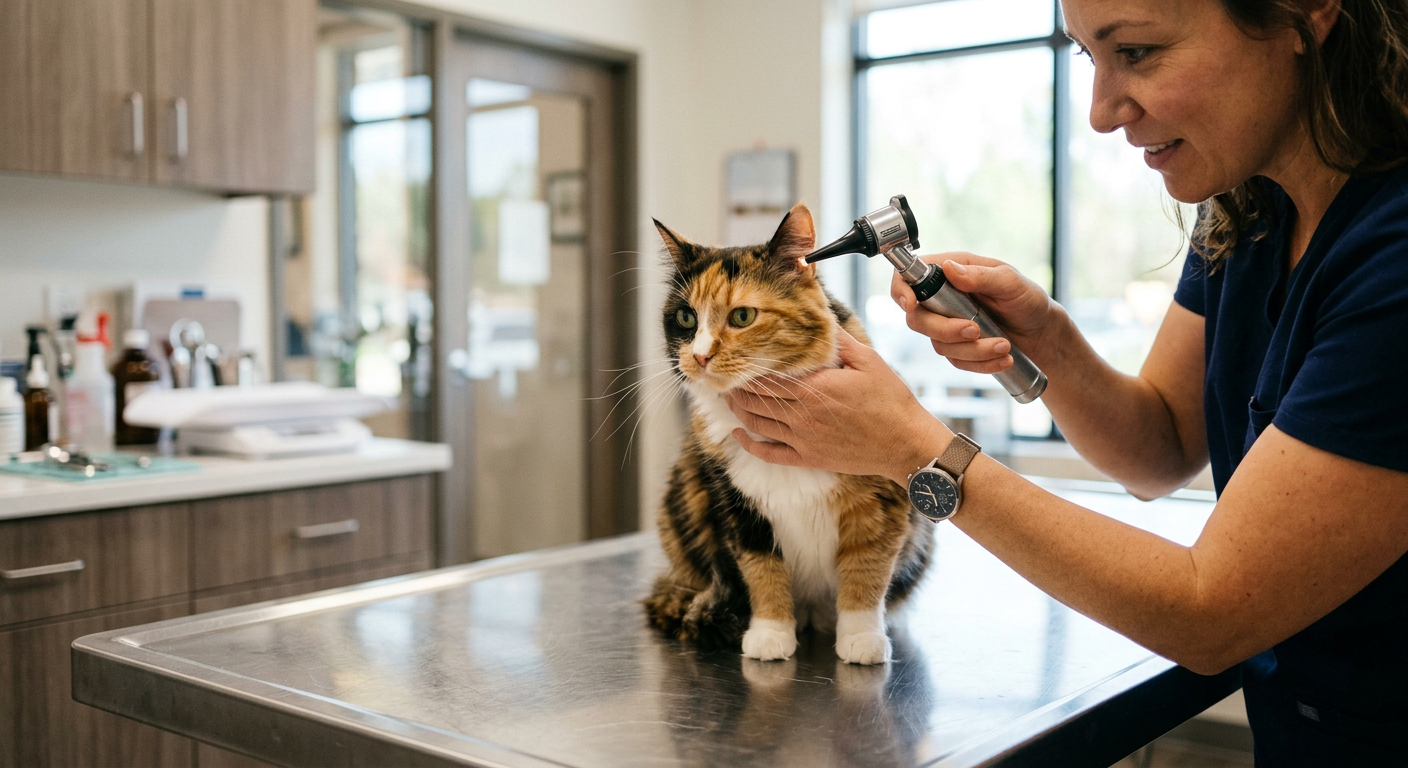
If your cat suddenly begins flattening their ears every time you touch their head, and this is a new behavior, it may be a wellness consideration. Ears that are held flat or tilted at odd angles can sometimes indicate discomfort within the ear canal itself. We always recommend consulting a veterinarian if you notice any discharge, redness, or if your cat seems to be in pain when touched.
Ear mites, infections, or even dental issues can make the head area sensitive to pressure. A proactive approach to feline health involves monitoring these subtle shifts. Just as you might use a British Shorthair age calculator to track their life stages, observing their physical reactions helps you stay ahead of their medical needs.
How to Respond to Flattened Ears
When you see the ears go back, the best response is usually to pause. Stop petting and keep your hand still or move it away slowly. Allow the cat to choose the next move. If they sniff your hand or rub against you again, they may just have needed a momentary reset. If they walk away, they are signaling that they have had enough social time for now.
Respecting these boundaries builds immense trust. Cats value autonomy, and knowing that their "no" will be respected makes them feel much safer in your presence. You can also try focusing your petting on the areas cats generally prefer, such as under the chin or around the ears, rather than long strokes down the back which can be more stimulating.
Enhancing Your Bond
Learning the language of your cat is a journey. While you might initially feel worried when you see flat ears, remember that it is simply a form of communication. By paying attention to these cues, you are becoming a better partner to your feline companion. Much like learning about the meaning behind slow blinks, understanding ear posture is another way to say "I hear you" to your cat.
Summary of Feline Ear Signals
To help you quickly identify what your cat might be feeling, here is a general guide to ear positions. Remember that every cat is an individual, and these signals should be read in conjunction with tail movement and vocalizations.
- Ears Forward: Relaxed, happy, or interested in something in front of them.
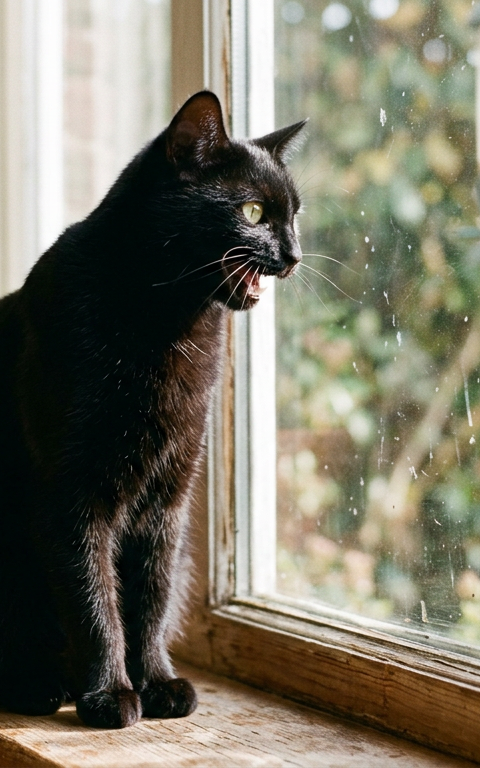
- Ears Slightly Back (Airplane Ears): Mildly annoyed, overstimulated, or listening to something behind them.
- Ears Flat and Sideways: Anxious, fearful, or feeling defensive.
- Ears Pinned Tightly Back: Very upset or ready to protect themselves; give this cat immediate space.
By staying observant and patient, you will find that your relationship with your cat grows deeper. When you understand why does my cat flatten its ears when I pet it, you can navigate your daily interactions with more confidence and kindness.