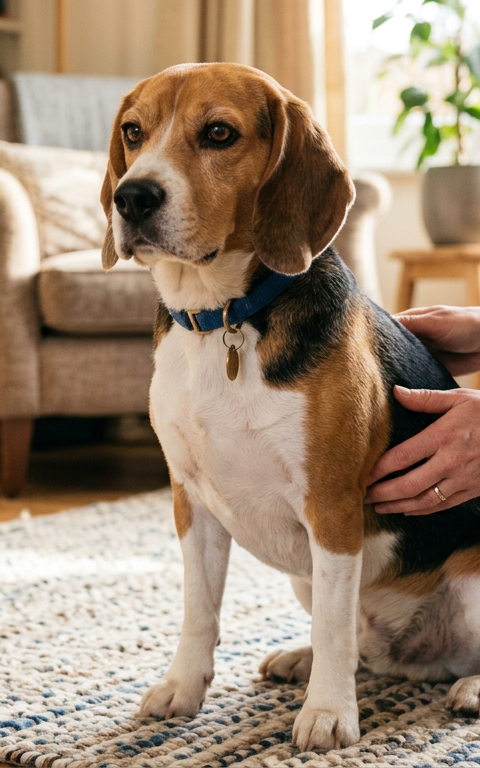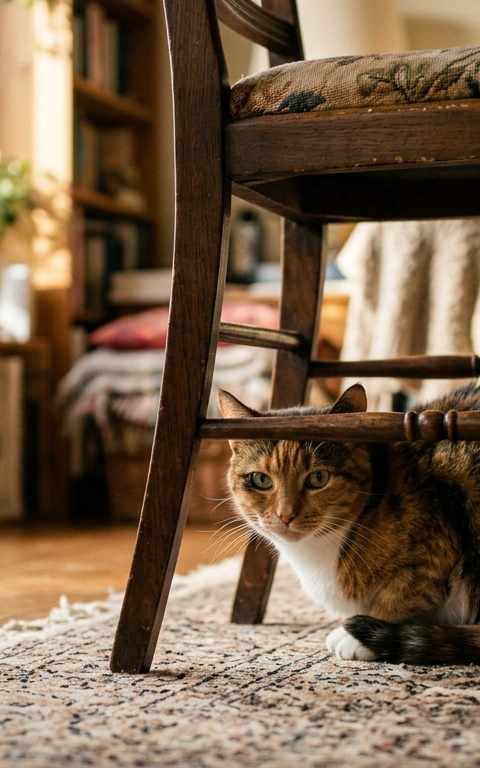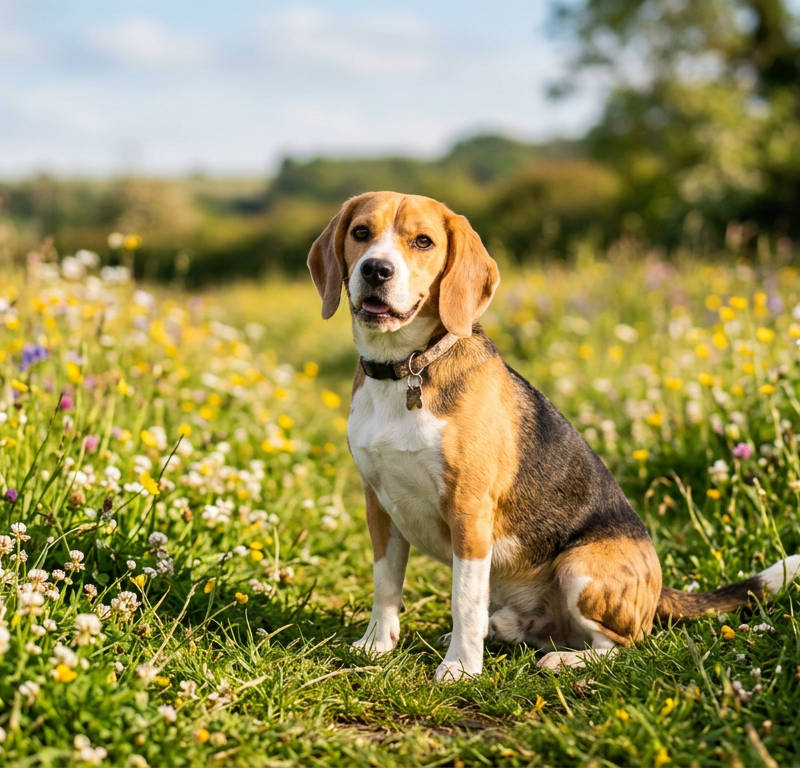
As the seasons change, our furry companions face different environmental challenges that can affect their well-being. Understanding seasonal health considerations for pets helps you stay ahead of potential issues, ensuring your dog or cat remains comfortable throughout the year. From the blooming flowers of spring to the icy sidewalks of winter, each period requires a tailored approach to proactive care.
Monitoring your pet's behavior during weather transitions is a hallmark of responsible ownership. While some animals adapt quickly, others might need extra support to handle temperature shifts or seasonal allergens. By staying informed, you can create a safe environment that supports their longevity and happiness regardless of the calendar date.
Spring Wellness and Allergy Management
Spring is a time of renewal, but for many pets, it is also the start of allergy season. Just like humans, pets can react to pollen, mold, and dust. However, instead of sneezing, dogs and cats often show signs of environmental sensitivities through their skin. Frequent scratching, paw licking, or ear irritation are common indicators that your pet is reacting to the changing environment.
This is also the time when external parasites become more active. As temperatures rise, fleas, ticks, and mosquitoes emerge from their winter dormancy. Implementing a consistent prevention plan is essential during these months to protect your pet from itchy bites and the various illnesses these pests can carry. You can find more details on maintaining overall vitality in our Pet Health and Wellness: A Proactive Care Guide.
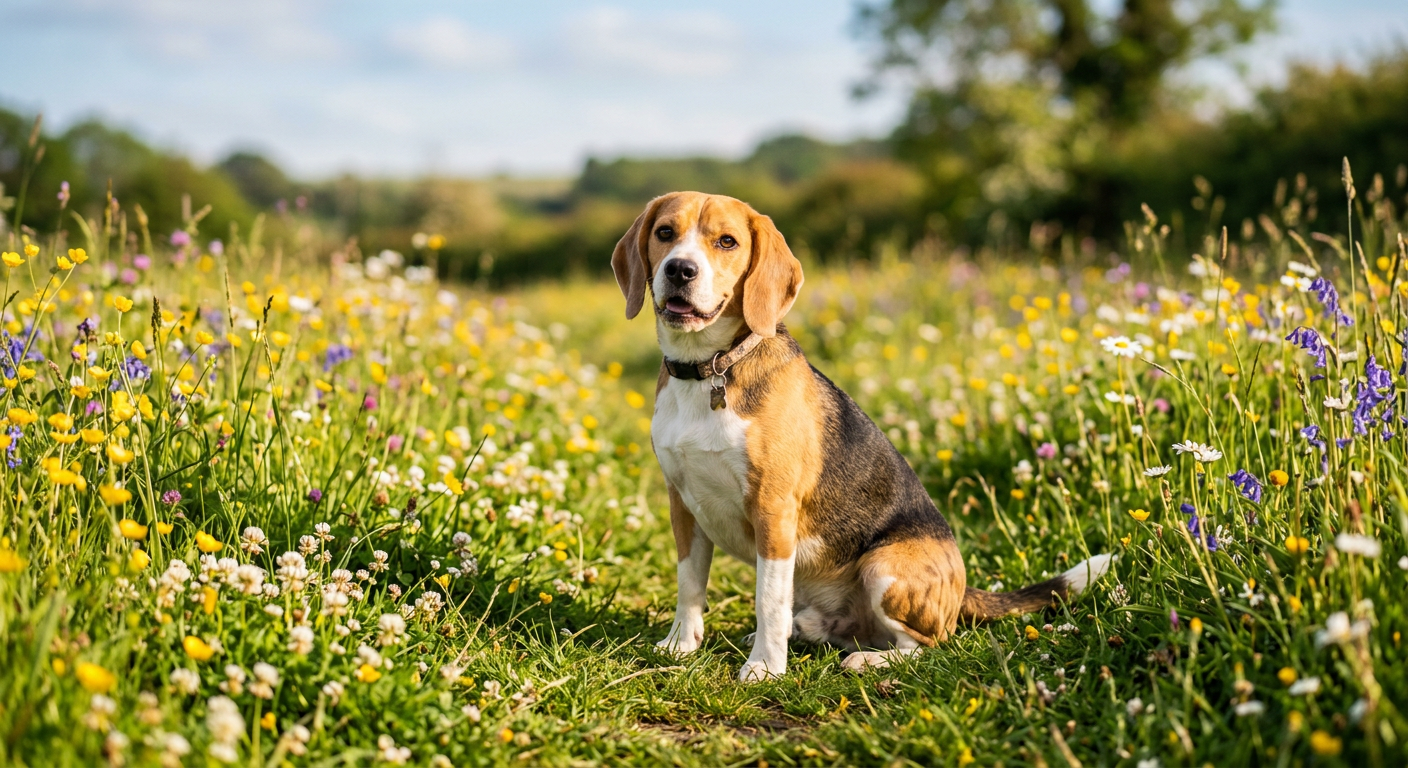
Spring Cleaning Hazards
Many pet owners engage in deep cleaning during the spring, but some household cleaners contain chemicals that are harsh for pets. Always ensure your cleaning products are pet-safe and keep your furry friends in a well-ventilated room until surfaces are completely dry. Additionally, be mindful of spring flowers like lilies or tulips, which can be toxic if ingested by curious cats or dogs.
Summer Heat and Hydration Strategies
Summer brings long days of sunshine, but high temperatures pose a risk of overheating. Unlike humans, pets cannot cool themselves down through sweating as effectively. They rely heavily on panting and releasing heat through their paw pads. Ensuring they have access to shade and fresh, cool water at all times is the most important step in summer care.
Exercise routines should be adjusted to avoid the hottest parts of the day. Walking your dog in the early morning or late evening protects their paws from scorching pavement, which can cause painful burns. For more active breeds, check out our Exercise Guidelines by Breed and Age to see how to scale back intensity during a heatwave.
- Provide multiple water stations around the home and yard.
- Use pet-safe sunscreen on areas with thin fur, like ears and noses.
- Never leave a pet in a parked car, even for a few minutes.
- Cooling mats or damp towels can help lower body temperature after outdoor play.
Water Safety Precautions
If you take your pet to the beach or a pool, remember that not all dogs are natural swimmers. Breeds with short muzzles or heavy bodies may struggle in deep water. Always supervise your pet around water and consider a life jacket for added security. After swimming, rinse their coat to remove chlorine or salt, which can irritate their skin.
Autumn Transitions and Indoor Safety
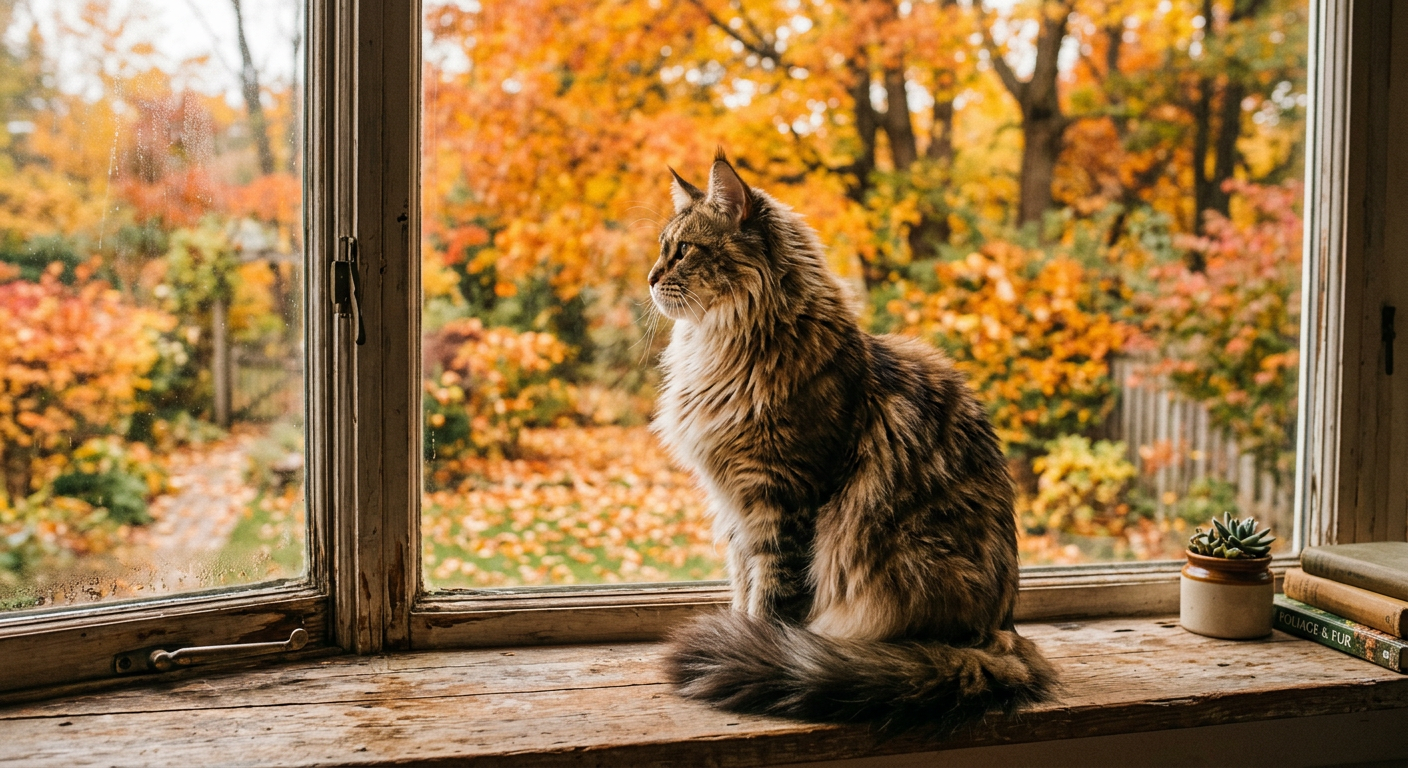
As the air turns crisp, your pet’s needs shift toward preparing for colder weather. Autumn is a common time for "shedding out" their summer coat to make room for a thicker winter layer. Regular grooming during this transition helps manage the extra fur and allows you to check for any skin issues that might have developed during the humid summer months.
Rodenticide use often increases in many households during the fall as mice seek warmth indoors. These poisons are extremely dangerous to pets. If you need to manage pests, look for mechanical traps or pet-safe alternatives. Similarly, be cautious during walks, as fallen leaves can hide mushrooms or decaying organic matter that could upset a pet's stomach if eaten.
The Danger of Antifreeze
Fall is when many people change their car's coolant. Antifreeze (ethylene glycol) has a sweet taste that is unfortunately attractive to pets. Even a tiny amount can lead to serious health complications. Always clean up spills immediately and store these chemicals in a secure, high cabinet where your pet cannot reach them.
Winter Care and Cold Weather Comfort
When the temperature drops, some pets may need extra help staying warm. Smaller breeds, thin-coated dogs, and senior pets often benefit from sweaters or coats when heading outside. Winter also brings dry air, which can lead to itchy skin and a dull coat. Adding a veterinarian-recommended omega-3 fatty acid supplement to their diet can help maintain skin moisture during the heating season.
For breeds that handle the cold better, such as the Siberian Husky, the challenge is often more about paw protection than body heat. Ice, snow, and salt used to melt ice can cause cracking or chemical burns on paw pads. Using pet booties or applying a protective paw wax before walks can create a necessary barrier.
Senior Pet Consideration in Winter
Winter can be particularly tough on older pets with joint issues. Cold weather often exacerbates stiffness and discomfort. Providing a heated pet bed or simply ensuring their sleeping area is away from cold drafts can make a significant difference in their comfort levels. If you notice your pet moving more slowly, consult your veterinarian about senior-specific wellness plans.
Year-Round Wellness Habits
While specific hazards change with the calendar, some health requirements remain constant. Dental hygiene, for example, is a year-round necessity. You can learn the basics of maintaining a healthy mouth in our article on Dental Care Basics for Dogs and Cats. Likewise, maintaining a consistent weight through proper diet is vital across all seasons.
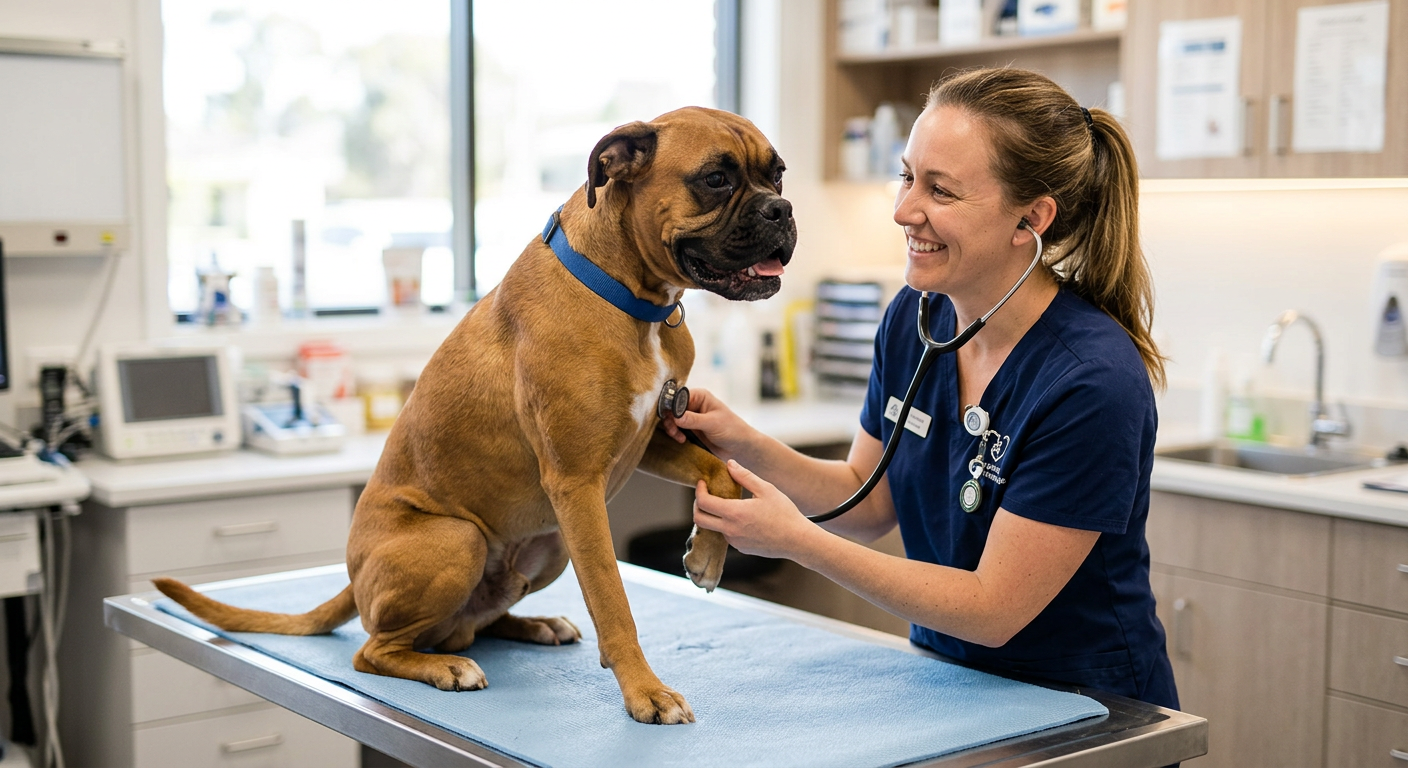
Regular veterinary checkups are the best way to monitor how your pet is aging and how they are handling seasonal shifts. Your vet can provide specific advice based on your local climate and your pet's individual health history. Consistency in preventative medications, even in the winter months, ensures there are no gaps in protection against heartworm or other year-round threats.
Conclusion
Taking a proactive approach to seasonal health considerations for pets allows you to enjoy every time of year with your companion. Whether it is managing spring allergies, shielding them from the summer sun, or protecting paws from winter ice, your attention to detail makes a world of difference. By adapting your care routine as the leaves change and temperatures shift, you provide the foundation for a long, healthy life. Always consult your veterinarian if you notice any unusual changes in your pet’s health or behavior during these seasonal transitions.