It can be a confusing experience when a bird that previously enjoyed your company begins to nip. Understanding why a parrot biting suddenly after being hand tame occurs is the first step toward restoring your bond. This behavior is rarely a sign of aggression for the sake of being mean; rather, it is usually a form of communication or a reaction to internal changes.
When your feathered friend goes from cuddly to cautious, it is important to look at the situation from their perspective. Birds are highly sensitive creatures that react to subtle shifts in their environment, hormones, and physical well-being. By identifying the root cause, you can help your bird feel secure again.
In this guide, we will explore the common reasons for sudden biting and how to navigate these behavioral shifts with patience. Remember, if you notice any sudden changes in behavior accompanied by physical symptoms, consulting an avian veterinarian is always the best proactive care step.
The Role of Hormonal Changes in Sudden Biting
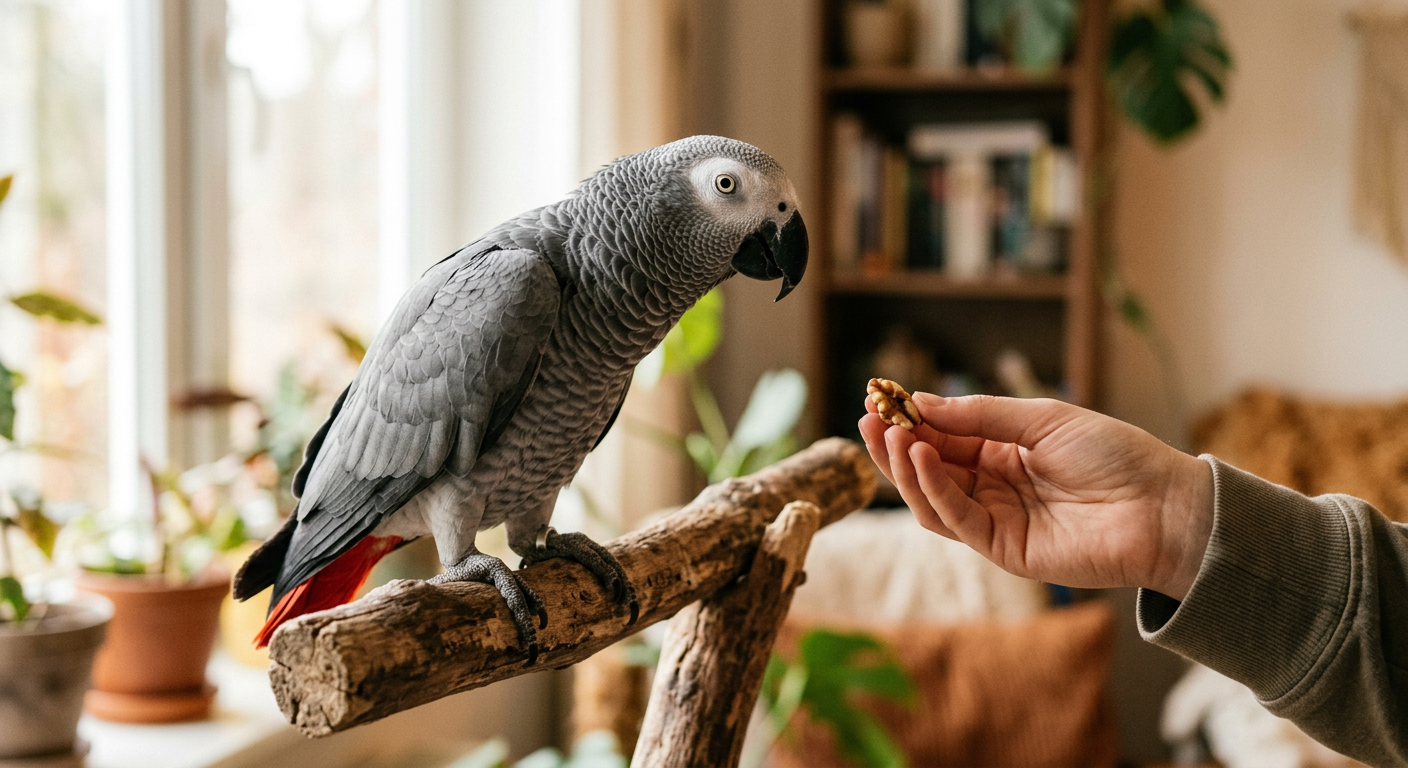
One of the most frequent reasons for a parrot biting suddenly after being hand tame is the onset of sexual maturity or seasonal hormonal cycles. As birds reach a certain age, their instincts to protect a territory or find a mate become very strong. This is often referred to as "the bluffing stage" in younger birds, but it can happen in adults during spring or autumn.
During these periods, a bird may become more protective of their cage or a specific person they have bonded with. You might notice them "venting" or shredding paper more than usual. This is a natural part of their biology, and while it can be frustrating, it is usually temporary. Providing a consistent routine and ensuring they get 10-12 hours of uninterrupted sleep can help balance these hormonal spikes.
Recognizing Breeding Triggers
Sometimes, we accidentally encourage hormonal behavior through the way we interact with our birds. Petting a parrot anywhere other than the head and neck can be interpreted as a mating signal. If your bird suddenly nips when you touch their back or under their wings, they may be reacting to these mixed signals.
To reduce these triggers, stick to head scratches and avoid providing nesting materials like cardboard boxes or dark corners during high-hormone seasons. You can read more about bird body language and soothing behaviors in our article on cockatiel grinding beak at night meaning.
Environmental Stress and Behavioral Shifts
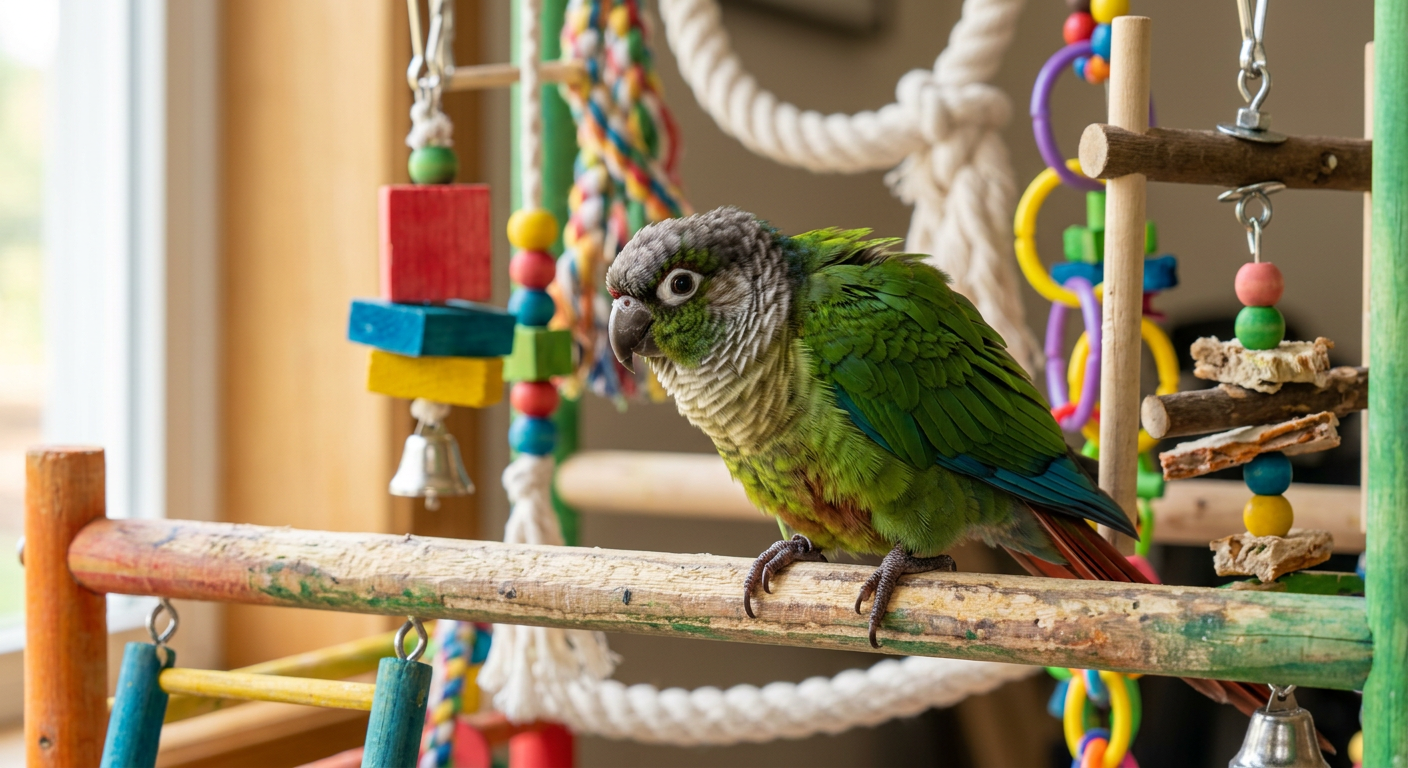
Parrots are creatures of habit, and even small changes in their surroundings can lead to anxiety. If your bird has started nipping, consider if anything in the house has changed recently. This could be a new pet, a change in cage location, or even a new piece of furniture that looks intimidating to them.
Stress-induced biting is often a defensive mechanism. If a bird feels they cannot fly away from a perceived threat, they will use their beak to create distance. Pay attention to their feathers; a bird that is "slicked down" or leaning away is showing signs of fear before the bite actually happens.
Identifying Hidden Stressors
- New people or loud visitors in the home.
- Changes in the lighting or noise levels near the cage.
- A shift in your personal schedule that reduces their out-of-cage time.
- The presence of "scary" objects like balloons, hats, or vacuum cleaners.
If you suspect stress is the cause, try to move slowly around your bird and offer treats from a distance. Building back that trust takes time, but it is entirely possible with positive reinforcement.
Physical Wellness and Discomfort
Sometimes, a parrot biting suddenly after being hand tame is a way of saying "I don't feel well." Birds are experts at hiding illness, a trait that protects them in the wild. If they are feeling lethargic or are in pain, they may become irritable and bite to prevent being handled.
Molting is another physical factor that causes sensitivity. When new feathers (pin feathers) are coming in, they can be very itchy and even painful if touched the wrong way. If you accidentally hit a "blood feather" while scritching your bird, they might nip in a reflex reaction to the sharp pain.
Keep an eye out for other subtle signs of discomfort. For instance, a bird that stays in one spot for too long might be trying to conserve energy. You can learn about similar sedentary behaviors in our post about a budgie sitting on bottom of cage.
The Impact of Fear and Negative Associations
A single negative experience can sometimes cause a hand-tame bird to become fearful. This could be something as simple as being caught in a towel for a vet visit or being startled by a loud noise while sitting on your hand. Because parrots have excellent memories, they may associate "the hand" with that scary moment.
To overcome fear-based biting, you must go back to basics. Avoid forcing the bird to come to you. Instead, let them choose to step up. Use high-value treats like sunflower seeds or spray millet to reward them for just being near your hand without biting. This helps replace the negative memory with a positive one.
Communication and Boundary Setting
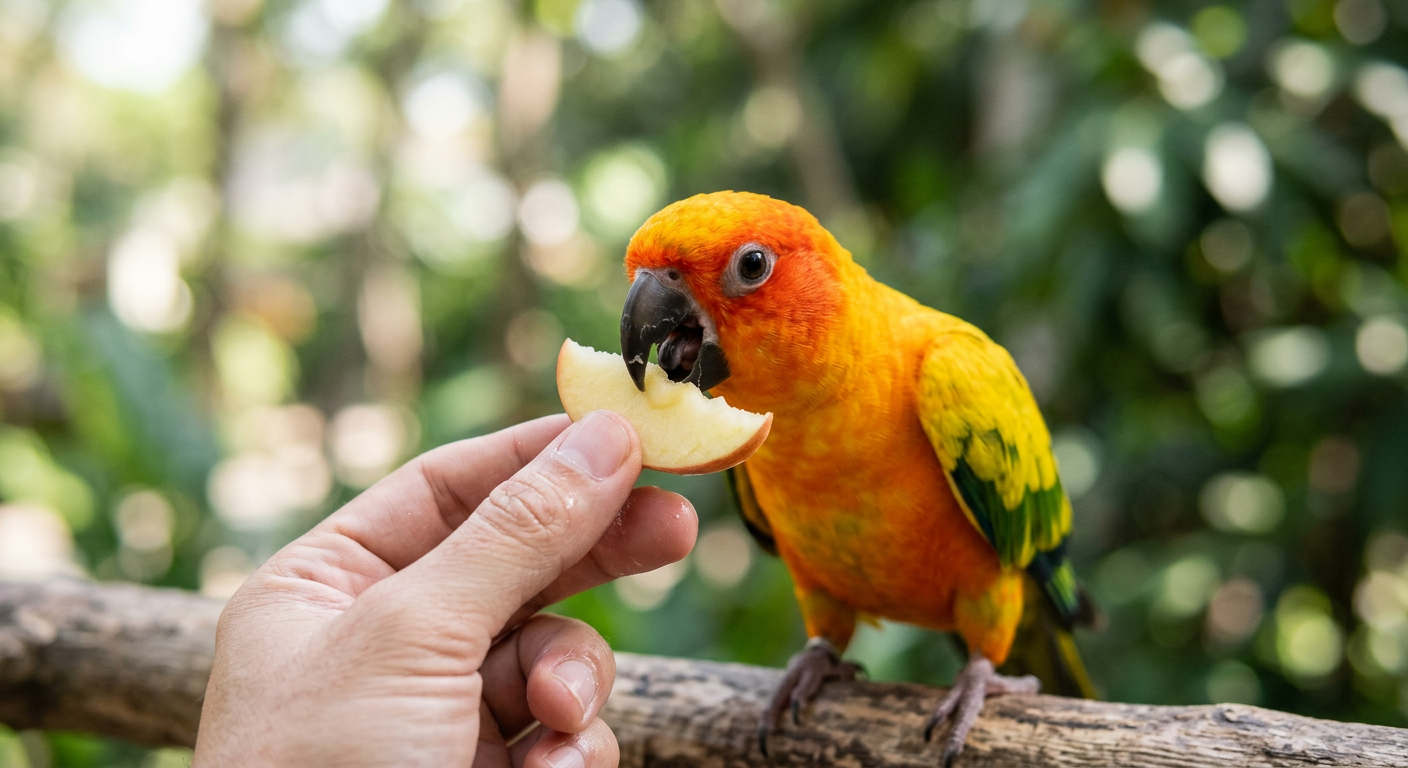
Believe it or not, some parrots use biting as a way to control their environment. If a bird learns that biting gets them exactly what they want—such as being put back in their cage or getting a loud reaction from you—they will continue the behavior. This is often called "learned aggression."
It is important to stay calm when a bite occurs. Pulling your hand away quickly and screaming can actually be exciting for some birds, reinforcing the behavior. Instead, try a "laddering" technique or a gentle "earthquake" (slightly moving your hand so they lose balance for a second) to redirect their attention without providing a dramatic reward.
Positive Reinforcement Strategies
- Target training: Use a stick to guide your bird to specific spots, rewarding them for following the target rather than biting.
- Stationing: Teach your bird to stay on a specific perch or "station" when they are out of the cage.
- Short sessions: Keep training and handling sessions short and positive, ending before the bird gets tired or cranky.
Conclusion
Dealing with a parrot biting suddenly after being hand tame requires a mix of detective work and patience. By looking at hormonal cycles, environmental stressors, and physical health, you can pinpoint the reason for the change. Most birds want to interact with their owners and will return to their sweet selves once the underlying issue is addressed.
Always prioritize building a relationship based on trust rather than dominance. If the behavior persists or you notice physical changes like parakeet feathers puffed up all day, a trip to the vet is the safest course of action. With time and gentle guidance, your hand-tame companion will be back to their happy, nipless self.