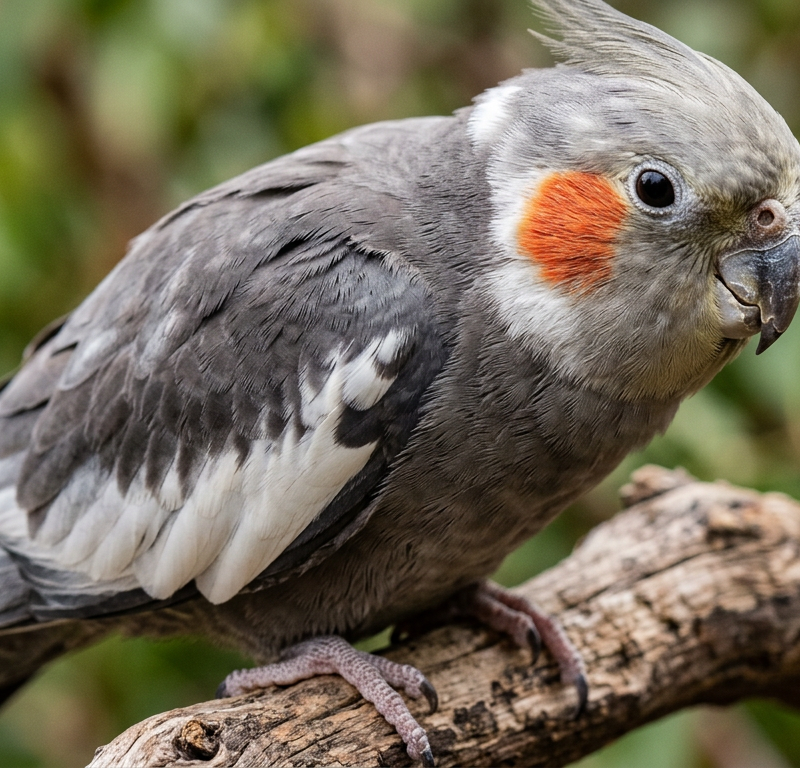
Observing a cockatiel one eye closed but eating normally can be a confusing experience for many bird owners. While it is reassuring to see your feathered friend maintaining a healthy appetite, a squinting or closed eye usually indicates that something needs your attention. Birds are masters at hiding discomfort, so understanding the nuances of this behavior is essential for proactive care.
A cockatiel may keep its eye shut for various reasons ranging from a simple nap to a minor environmental irritation. Because they are prey animals, they often continue to eat and drink even when they aren't feeling 100%. This guide will help you decode what your bird is trying to tell you while maintaining a calm and helpful perspective on their wellness.
Common Reasons for One Eye Being Closed
When you notice your bird has one eye shut, the first thing to consider is their current environment. Often, a cockatiel one eye closed but eating normally is simply reacting to a physical irritant. Dust from their own feathers, known as "powder down," or small particles from seed mixes can easily find their way into a bird's eye.
Drafts or low humidity levels in your home can also cause dry eyes in parrots. If the air is too dry, the delicate membranes around the eyelid may become slightly irritated, leading the bird to blink more frequently or keep the eye closed to retain moisture. Checking the placement of the cage away from air conditioning vents is a great first step.
Rest and Nap Patterns
Sometimes, the explanation is much simpler: your cockatiel might just be half-asleep. Birds are capable of unihemispheric slow-wave sleep, which allows one half of the brain to rest while the other stays alert. If your bird is perched comfortably and fluffed up, they might just be taking a quick "power nap."
To differentiate sleep from a wellness concern, watch if the eye opens fully when you approach or offer a favorite treat. If the eye stays clamped shut even when the bird is active and moving, it is less likely to be rest-related. You can learn more about unique nighttime behaviors like a cockatiel grinding beak at night meaning to better understand their sleep habits.
Physical Irritation and Scratches
Cockatiels are active and curious, which sometimes leads to minor mishaps during play. A small scratch on the cornea, known as a corneal ulcer, can cause a bird to keep its eye closed. This might happen if they brush against a rough toy or a sharp piece of cage accessory while grooming.
If you see your bird scratching at their face or rubbing their eye against a perch, they are likely trying to soothe an itch or remove a foreign object. While a cockatiel one eye closed but eating normally is a good sign of vitality, persistent rubbing can lead to further inflammation. It is always wise to inspect their toys for any frayed edges or sharp points.
- Check for "feather dust" buildup in the cage corners.
- Look for any discharge or wetness around the feathers near the eye.
- Observe if the third eyelid (nictitating membrane) is visible or moving frequently.
- Ensure the cage is positioned away from direct paths of fans or heaters.
Environmental Factors and Household Safety
Our homes contain many things that can affect a bird's sensitive respiratory and ocular systems. Aerosols, strong perfumes, or smoke from cooking can cause a cockatiel to squint or keep one eye closed. Their eyes are highly sensitive to chemical irritants in the air, which can cause redness and discomfort even if the bird continues to eat and play.
If you have recently used new cleaning products or candles, these could be the culprit. Ensuring your bird has access to clean, filtered air is a cornerstone of avian wellness. If your bird exhibits other signs like ruffling, you might want to read about why are parakeet feathers puffed up all day to see if environmental stressors are a broader issue.
Light Sensitivity
Sometimes, the lighting in a room can be too intense for a cockatiel. If a bright lamp is positioned on one side of the cage, the bird may close the eye facing the light to reduce glare. Try adjusting the lighting to see if the bird opens the eye once the environment is more dimly lit or the light is more evenly distributed.
Wellness Considerations for Bird Owners
While we hope the issue is just a bit of dust, it is important to monitor the situation closely. A cockatiel one eye closed but eating normally could potentially be in the early stages of a localized infection, such as conjunctivitis. In birds, these issues can sometimes be related to sinus pressure as their sinuses are located very close to the eye sockets.
If you notice the eye area looking swollen, or if there is any cloudiness within the eye itself, these are signs that a professional opinion is needed. A veterinarian specializing in avian care can perform a safe flush of the eye or provide specialized drops to ensure your bird stays comfortable and healthy.
Hydration and Nutrition
A bird that is eating well is a great sign, but ensure they are also drinking plenty of water. Hydration helps maintain the moisture levels of the mucous membranes. If your bird seems otherwise healthy, offering a shallow bowl for a "bath" might encourage them to splash water on their face, which naturally cleanses the eyes.
When to Consult a Veterinarian
As a rule of thumb, any eye issue that persists for more than 24 hours warrants a call to your avian vet. Because birds are so small, even minor irritations can progress if not addressed. You should seek professional advice if you notice any of the following symptoms alongside the closed eye:
- Cloudiness or a "blue" tint to the eye surface.
- Persistent discharge or crustiness around the eyelids.
- Swelling of the skin surrounding the eye (the cere or orbital area).
- A change in behavior, such as becoming less vocal or lethargic.
- Increased frequency of sneezing or nasal clearings.
Your vet may use a special stain to check for scratches on the cornea that are invisible to the naked eye. This is a quick and painless procedure that provides peace of mind and a clear path toward helping your bird feel better.
Conclusion
Seeing your cockatiel one eye closed but eating normally is often a sign of a minor irritation or a simple nap, but it requires a watchful eye from a dedicated owner. By assessing their environment, checking for drafts, and ensuring their cage is clean, you are taking the right steps toward their wellness. Always prioritize a consultation with an avian veterinarian if the behavior persists, as they can provide the best care for your feathered companion's unique needs.