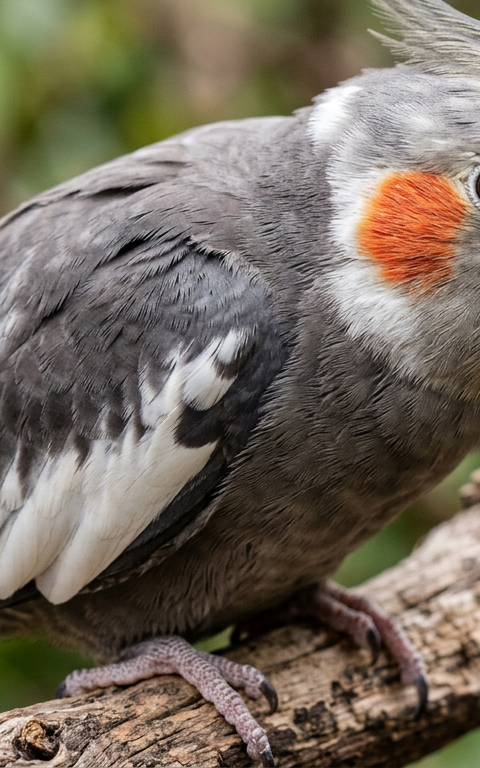
As a cockatiel owner, you may have noticed a peculiar clicking or crunching sound coming from your bird’s cage as the sun goes down. This rhythmic noise is often a cockatiel grinding beak at night meaning your feathered friend is entering a state of deep relaxation. While it might sound like something is wrong to a new bird parent, this behavior is actually one of the most positive signs of a happy, healthy bird.
Understanding why your cockatiel makes these sounds is essential for building a strong bond. These social and intelligent birds communicate through a variety of vocalizations and physical actions. While some sounds signal a need for attention, beak grinding is a unique self-soothing ritual that mirrors how humans might settle into a cozy bed after a long day.
In this guide, we will explore the biological and emotional reasons behind this behavior. We will also look at how to distinguish normal grinding from other beak-related activities. By the end, you will feel confident in recognizing your cockatiel's nighttime routine as a sign of their trust and comfort in your home.
The Biological Purpose of Beak Grinding
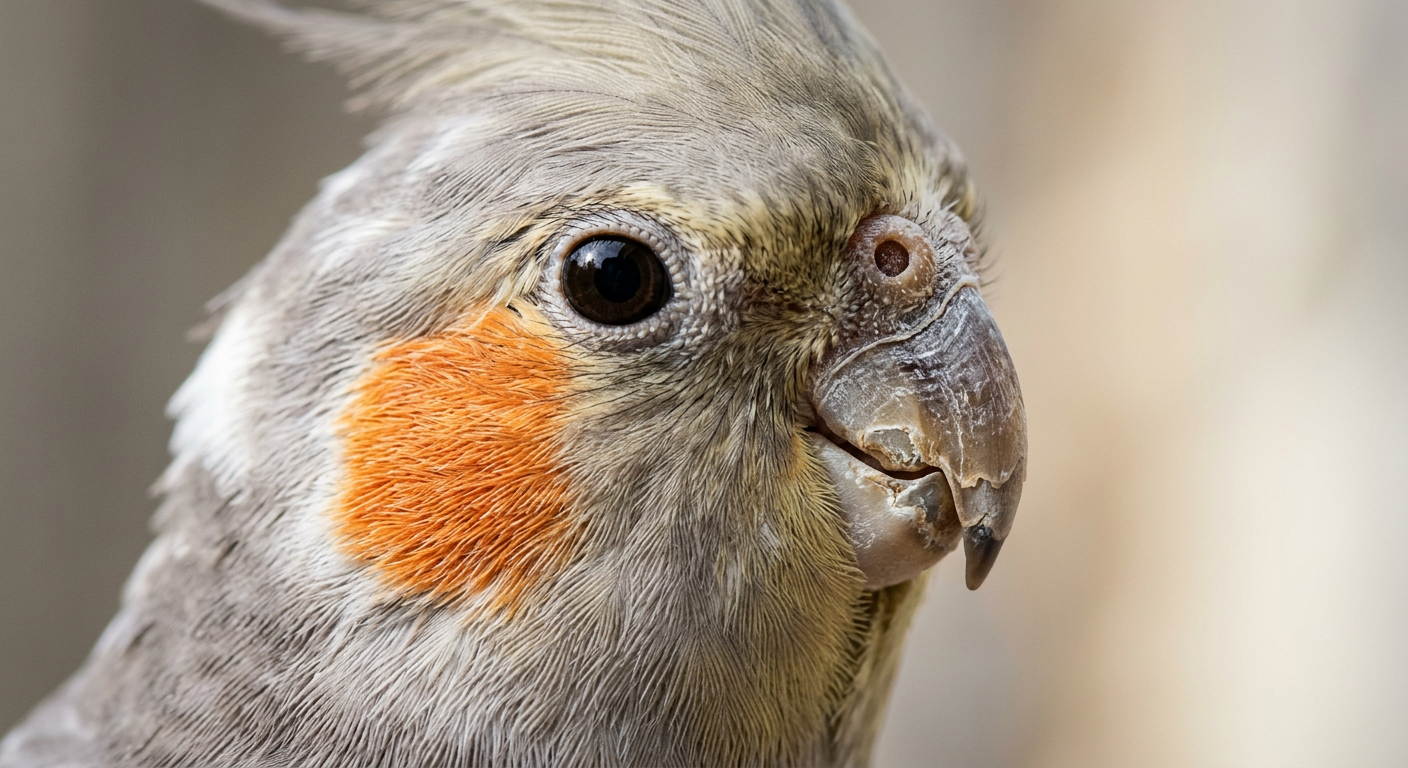
At its most basic level, beak grinding serves a functional purpose for birds. A cockatiel's beak is made of keratin, the same material as human fingernails, and it grows continuously throughout their life. While they use toys and cuttlebones to keep the length in check, the act of sliding the lower mandible against the upper mandible helps keep the edges smooth.
When you hear that distinct crunching sound, your bird is essentially performing a self-grooming task. This slight friction helps to keep the "occlusion," or the way the top and bottom pieces meet, perfectly aligned. This is vital for their ability to crack seeds, preen their feathers, and climb around their enclosure effectively.
A Sign of Sleep Readiness
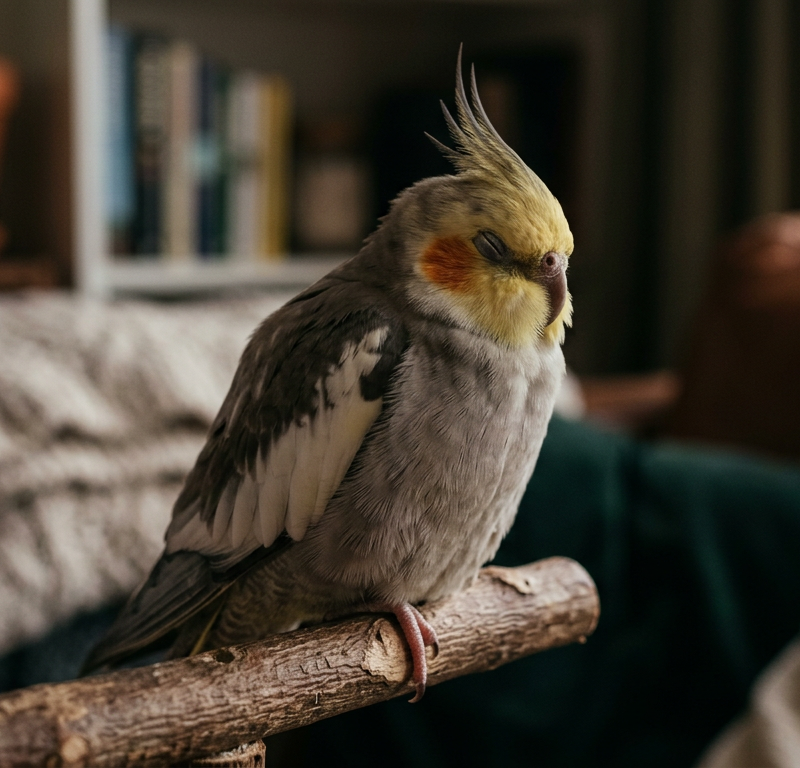
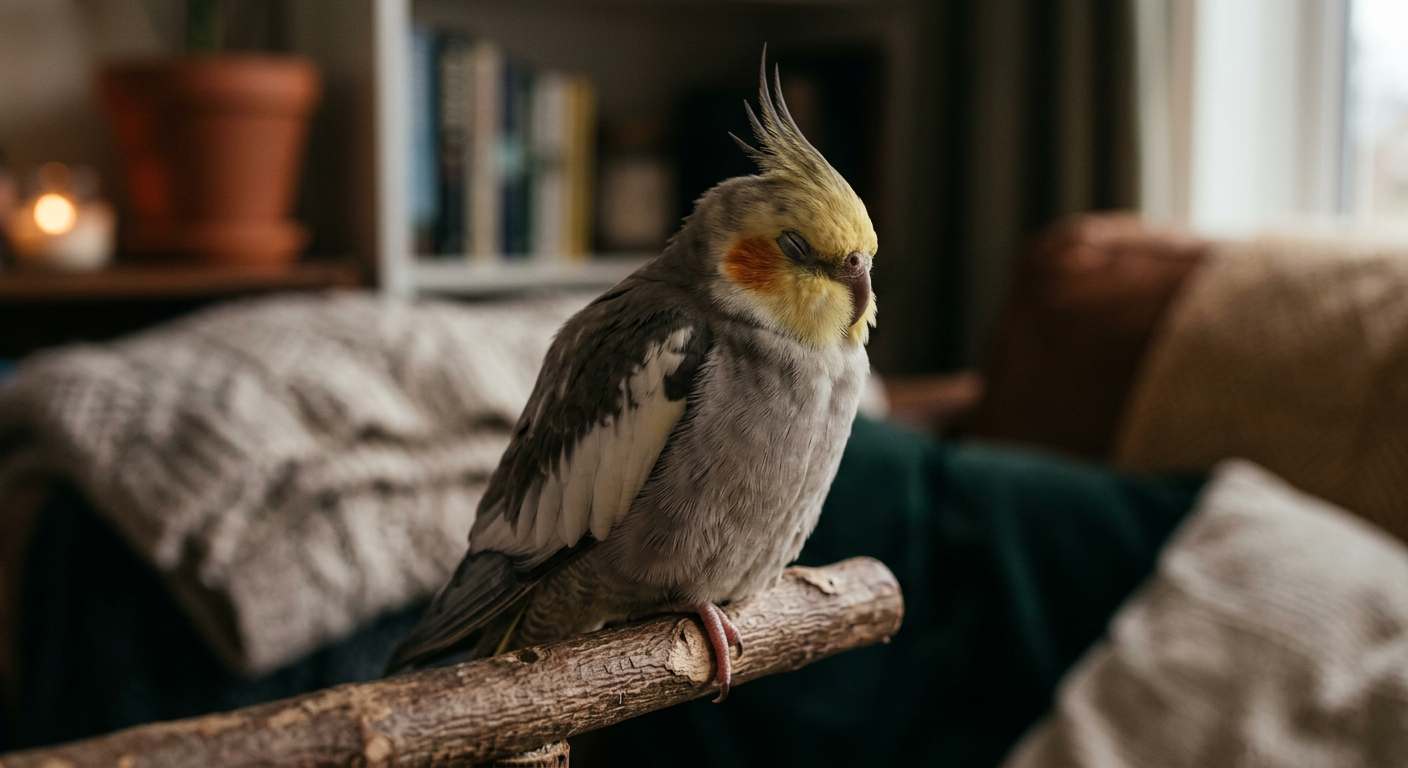
Most owners notice their cockatiel grinding its beak at night because it is a "pre-sleep" ritual. Just as we might fluff our pillows, a bird grinds its beak when they are feeling drowsy and secure. It indicates that the bird has finished eating for the day and is ready to tuck its head back for a nap.
If you hear this sound, it is a great time to dim the lights and give your bird some quiet. They are signaling that their environment feels safe enough to let their guard down. In the wild, a bird would never engage in such a relaxed behavior if they sensed a predator nearby, so take it as a compliment to your caretaking.
Emotional Meaning of Grinding at Night
Beyond the physical benefits, the emotional cockatiel grinding beak at night meaning is one of pure contentment. It is the avian equivalent of a cat purring. It shows that the bird is not stressed, cold, or frightened by its surroundings.
Cockatiels are prey animals, meaning they are naturally hyper-aware of their environment. If a cockatiel is grinding its beak, it means they have transitioned from "alert mode" to "rest mode." This transition is a key indicator of a high-quality lifestyle and a strong bond with their human family.
- Comfort: Your bird feels warm and physically comfortable.
- Security: There are no perceived threats in the immediate area.
- Satiety: The bird has a full crop and is satisfied with its meal.
- Trust: They feel safe enough to enter a vulnerable state of sleep near you.
If you are interested in how other birds show their comfort levels, you might also want to read about a budgie sitting on bottom of cage not sick to see how different species display relaxation. Just like cockatiels, budgies have specific resting habits that can be misunderstood by owners.
Distinguishing Grinding from Other Behaviors
It is important for owners to distinguish between a cockatiel contentedly grinding its beak at night and other beak movements that might require attention. While grinding is a slow, rhythmic, and soft sound, other behaviors might look similar but have different meanings.
Beak Chattering vs. Grinding
Beak chattering is usually faster and sharper than grinding. Chattering can sometimes be a sign of excitement or even a slight chill in the air. Grinding, by contrast, is very deliberate and usually occurs when the bird is stationary, often perched on one foot with its feathers slightly fluffed out.
If you notice your bird's feathers are excessively puffed up for the entire day, it might be more than just relaxation. You can learn more about this in our article on why parakeet feathers are puffed up all day, which covers wellness considerations for small psittacines.
Clicking Sounds
Sometimes cockatiels make a clicking sound with their tongues or by snapping their beaks. This can be a form of mimicry or a way to get your attention. Unlike the nighttime grind, clicking is often louder and directed at a person or a toy. Grinding is an internal, self-focused activity that the bird does for its own comfort.
Creating the Perfect Environment for Nighttime Rest
Since we know that a cockatiel grinding its beak at night means they are ready for sleep, we should do our best to support that rest. Cockatiels generally need 10 to 12 hours of sleep in a dark, quiet environment to maintain a healthy immune system and a balanced mood.
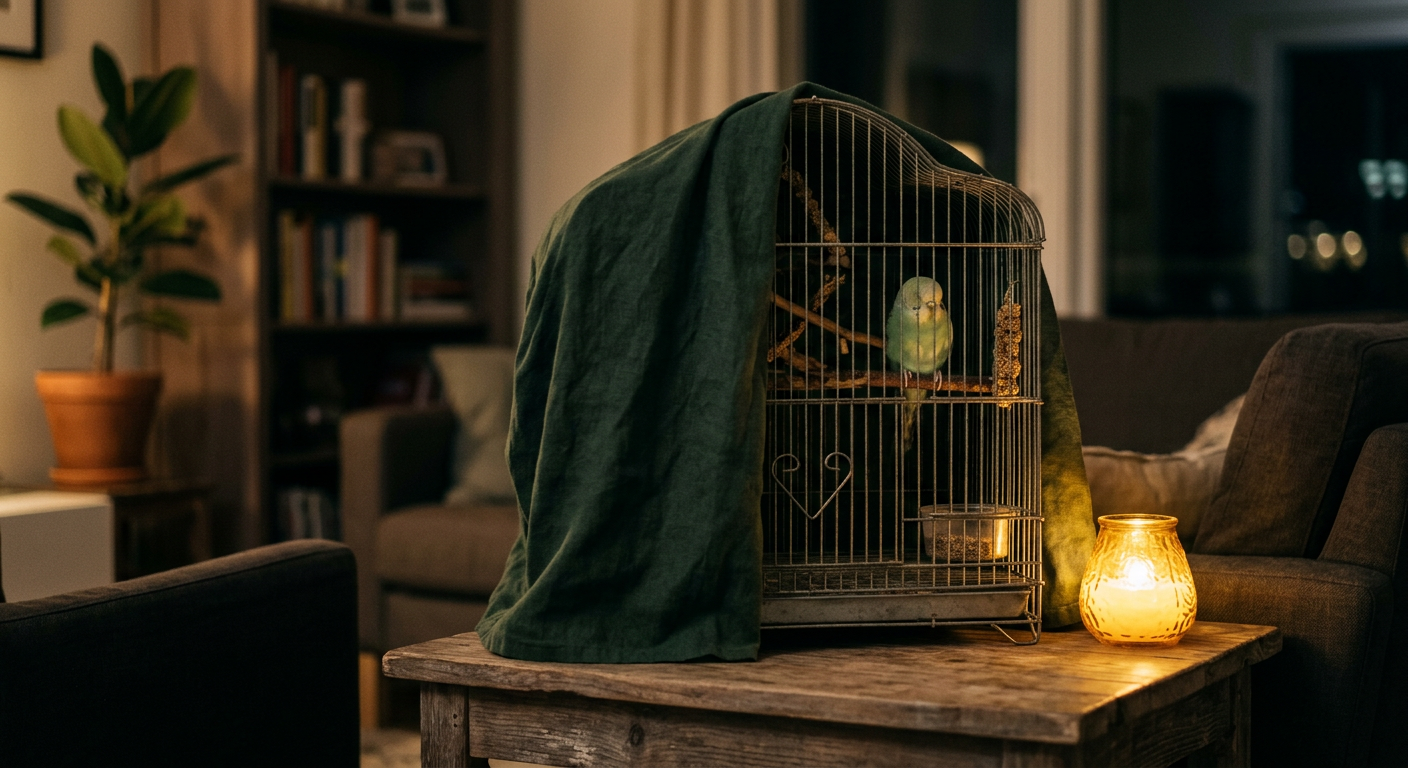
- Cover the Cage: Using a breathable, dark cover can help block out ambient light and drafts.
- Consistent Schedule: Try to put your bird to bed at the same time every night to regulate their internal clock.
- Quiet Zone: Move the cage away from high-traffic areas or loud televisions during the evening hours.
- Safe Perches: Ensure they have a comfortable natural wood perch at the highest point of the cage, as birds prefer to sleep high up.
When to Consult a Veterinarian
While the focus of this article is the peaceful cockatiel grinding beak at night meaning, pet owners should always remain observant. While grinding itself is healthy, it should be accompanied by other signs of wellness. If your bird is grinding its beak but also showing signs of lethargy, loss of appetite, or unusual droppings, a wellness check is a good idea.
Proactive care involves watching how your bird interacts with its environment. A healthy cockatiel will grind its beak before sleep but will be active, vocal, and hungry during the day. If the grinding is accompanied by clicking or wheezing sounds from the chest, this could indicate a respiratory matter that requires a professional consultation with an avian veterinarian.
Conclusion
Hearing your cockatiel grinding its beak at night is one of the most rewarding experiences for a bird owner. It is a clear, audible signal that you have provided a home where your pet feels safe, loved, and completely at ease. This simple act of maintenance and relaxation is a beautiful part of their daily routine.
By understanding the cockatiel grinding beak at night meaning, you can rest easy knowing your feathered friend is doing the same. It is a sign of a deep bond and a healthy environment. Continue to observe their unique behaviors, and you will find that your cockatiel has many ways of telling you they are happy in your care.