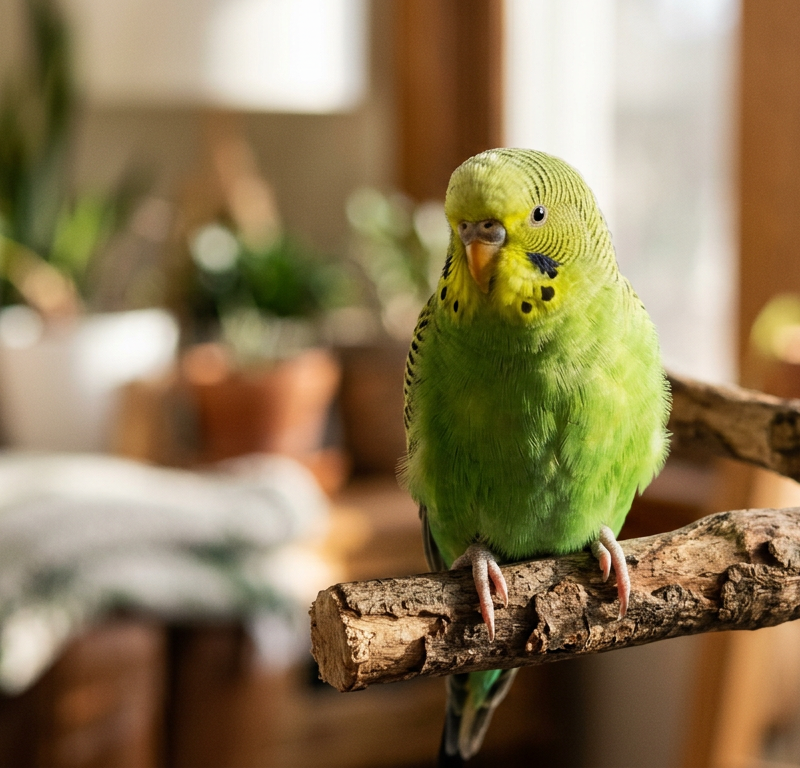
Observing your feathered friend's behavior is one of the most rewarding parts of bird ownership. You may have noticed your parakeet feathers puffed up all day and wondered if this is a sign of contentment or a reason for wellness monitoring. While birds naturally fluff their feathers to stay warm or prepare for sleep, constant fluffing can sometimes indicate that your pet needs a little extra attention or a change in their environment.
Understanding the subtle body language of budgies and parakeets is key to ensuring they live a vibrant life. When a bird expands its feathers, it is creating a layer of trapped air to regulate body temperature. However, when this behavior persists throughout the daylight hours, it serves as a visual cue for owners to investigate further. In this guide, we will explore why your bird might be staying fluffed and how to support their health.
Normal Reasons for Puffed Feathers
Before assuming there is a health concern, it is helpful to recognize when puffing is perfectly normal. Most parakeets will fluff up their feathers just before they settle down for a nap or a full night's rest. This helps them maintain a steady body temperature while their metabolic rate slows down during sleep.
You might also see your bird puff up briefly during grooming sessions. This allows them to reach the base of their feathers with their beak specialized for preening. If your bird shakes their feathers out and returns to a sleek appearance quickly, they are likely just maintaining their beautiful coat. If you are curious about other unique behaviors, you might also read about a budgie sitting on bottom of cage not sick to see how different postures communicate different needs.
Temperature Regulation and Comfort
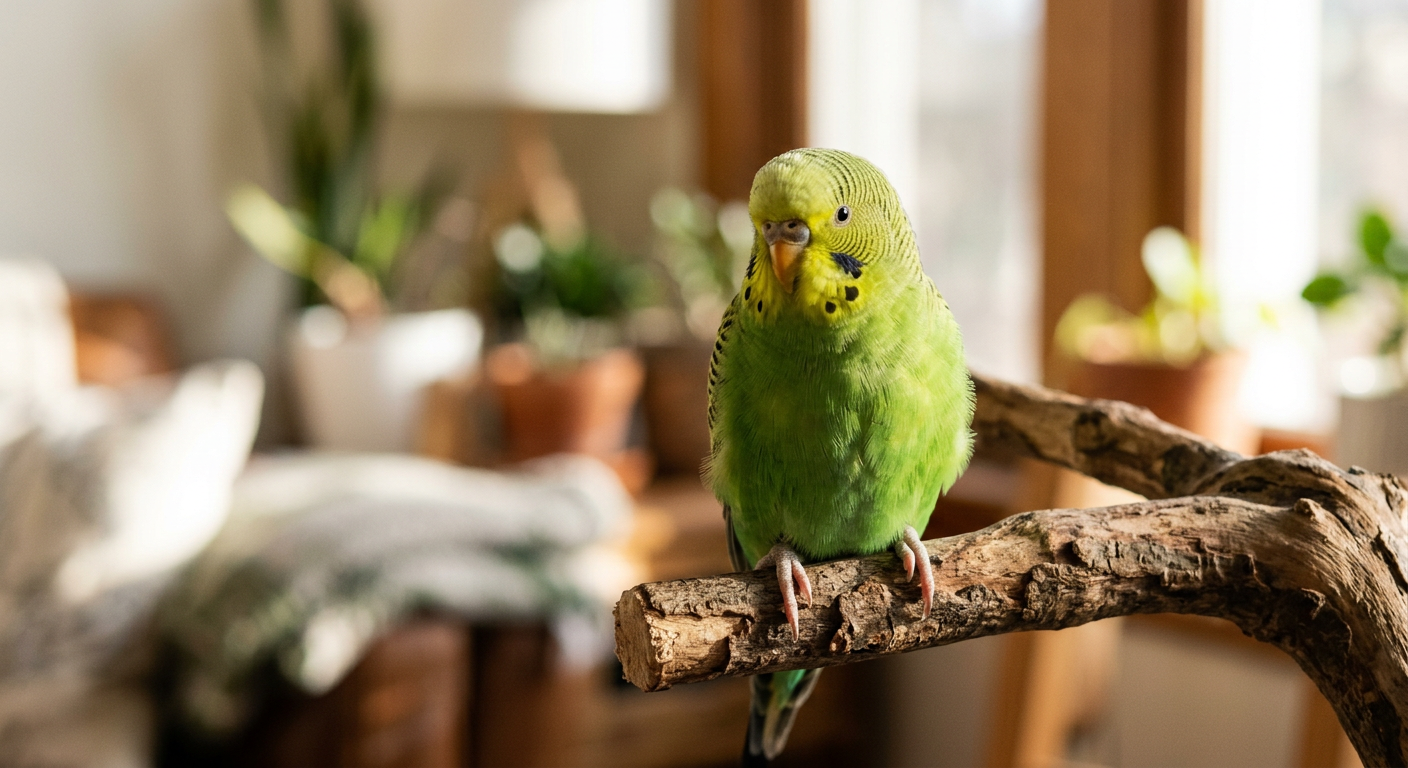
Birds are very sensitive to drafts and ambient temperature changes. If the room is slightly chilly, a parakeet might keep its feathers puffed to trap heat. This is a natural instinct inherited from their wild ancestors who had to survive cool nights in the Australian outback. Ensure your bird's cage is located away from air conditioning vents or drafty windows.
Puffing can also be a sign of extreme relaxation. When a parakeet feels safe and happy in its environment, it may sit on one leg with slightly loosened feathers. This "fluff of contentment" is usually accompanied by beak grinding, which is a sound birds make when they are feeling peaceful and ready for rest.
When Puffed Feathers Indicate a Health Concern
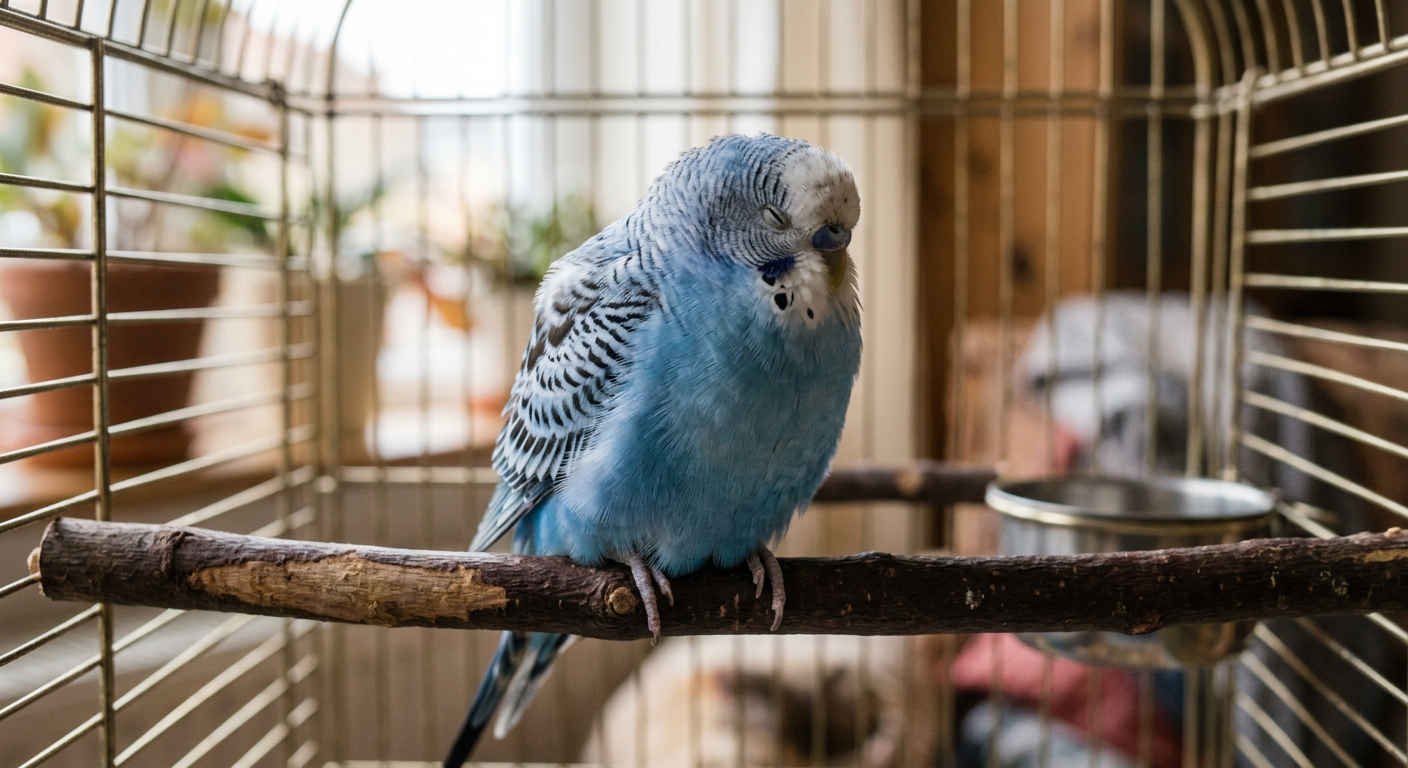
While occasional fluffing is fine, seeing parakeet feathers puffed up all day can sometimes be a proactive care signal. In the wild, birds are masters at hiding illness to avoid attracting predators. By the time a bird is consistently puffed up throughout the day, they may be putting a lot of energy into staying warm because they are feeling under the weather.
If your bird remains fluffed while the sun is up and they are usually active, it is time to look for secondary signs. A healthy parakeet is typically chatty, curious, and energetic. A bird that chooses to stay puffed and quiet for hours on end should be monitored closely. We always recommend consulting an avian veterinarian if you notice a persistent change in your bird's energy levels.
Accompanying Signs to Watch For
- Changes in droppings (color, consistency, or frequency).
- Discharge around the cere (the area above the beak) or eyes.
- Tail bobbing, which can indicate the bird is working harder to breathe.
- Loss of appetite or a sudden change in favorite food preferences.
- Drooping wings or sitting on the floor of the cage for extended periods.
Environmental Solutions for a Puffed Parakeet
If you suspect your bird is just a bit chilly, there are several ways to make their environment more comfortable. First, check the room temperature; most parakeets thrive in temperatures between 70°F and 80°F. If the room is cooler than this, your bird may be working overtime to keep warm.
Consider adding a bird-safe space heater or a thermal perch to the cage. These tools provide a consistent heat source that the bird can move toward or away from as needed. Additionally, covering the cage on three sides can help trap warmth and reduce exposure to subtle drafts that we humans might not even feel.
The Importance of a Consistent Routine
Stress can also cause a bird to puff up as a defensive or comforting mechanism. Parakeets thrive on routine and stability. Sudden changes in the household, such as a new pet or loud construction nearby, can cause a bird to feel insecure. Maintaining a consistent light-dark cycle of 10 to 12 hours of sleep can help keep their immune system strong and their feathers sleek.
Dietary Support for Feather Health
The quality of a parakeet's feathers depends largely on their nutrition. A bird that lacks essential vitamins and minerals may have dull, ragged feathers that don't lay flat properly. Ensure your bird is eating a high-quality pellet-based diet supplemented with fresh vegetables like leafy greens, carrots, and broccoli.
During molting season, parakeets use a significant amount of energy to grow new feathers. You may see more puffing during this time as they deal with the discomfort of "pin feathers." Providing extra protein and a bird-safe misting spray for baths can help soothe their skin and encourage healthy feather growth.
Conclusion
Observing parakeet feathers puffed up all day is an invitation to look closer at your bird's world. While it can simply be a sign that they need a warmer corner or a better night's sleep, persistent fluffing is often the first way a bird tells us they aren't feeling their best. By keeping their environment stable, their diet nutritious, and their stress levels low, you provide the best foundation for their wellness.
Always trust your intuition as a pet owner. If the puffed feathers are paired with lethargy or a quiet demeanor, a quick visit to an avian vet is the best way to ensure your feathered companion stays on the path to health. Your proactive care makes all the difference in their long-term happiness.
For more help understanding your companion, our free pet age calculator can offer a warm, helpful perspective in seconds.