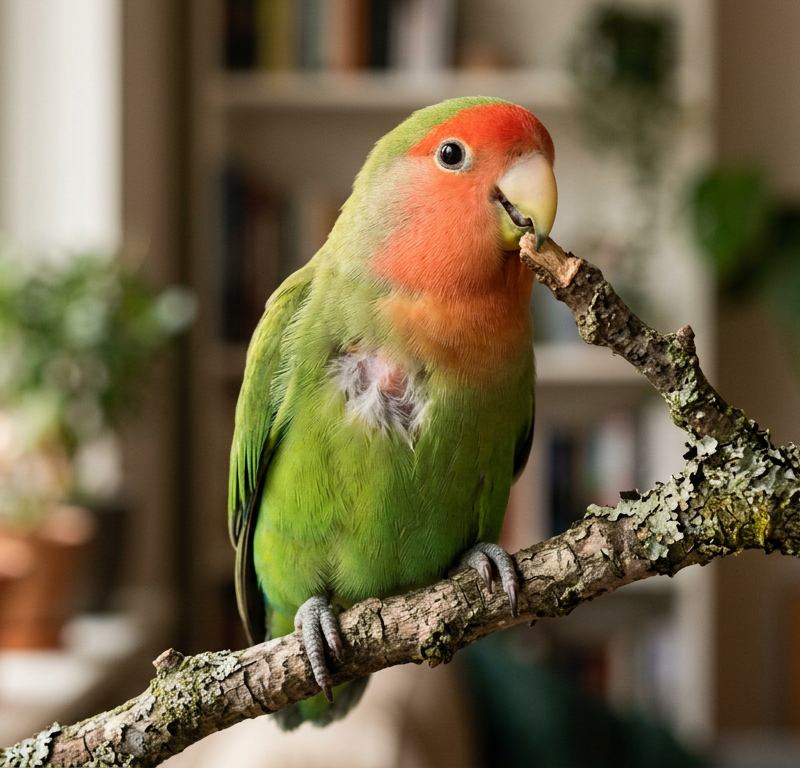
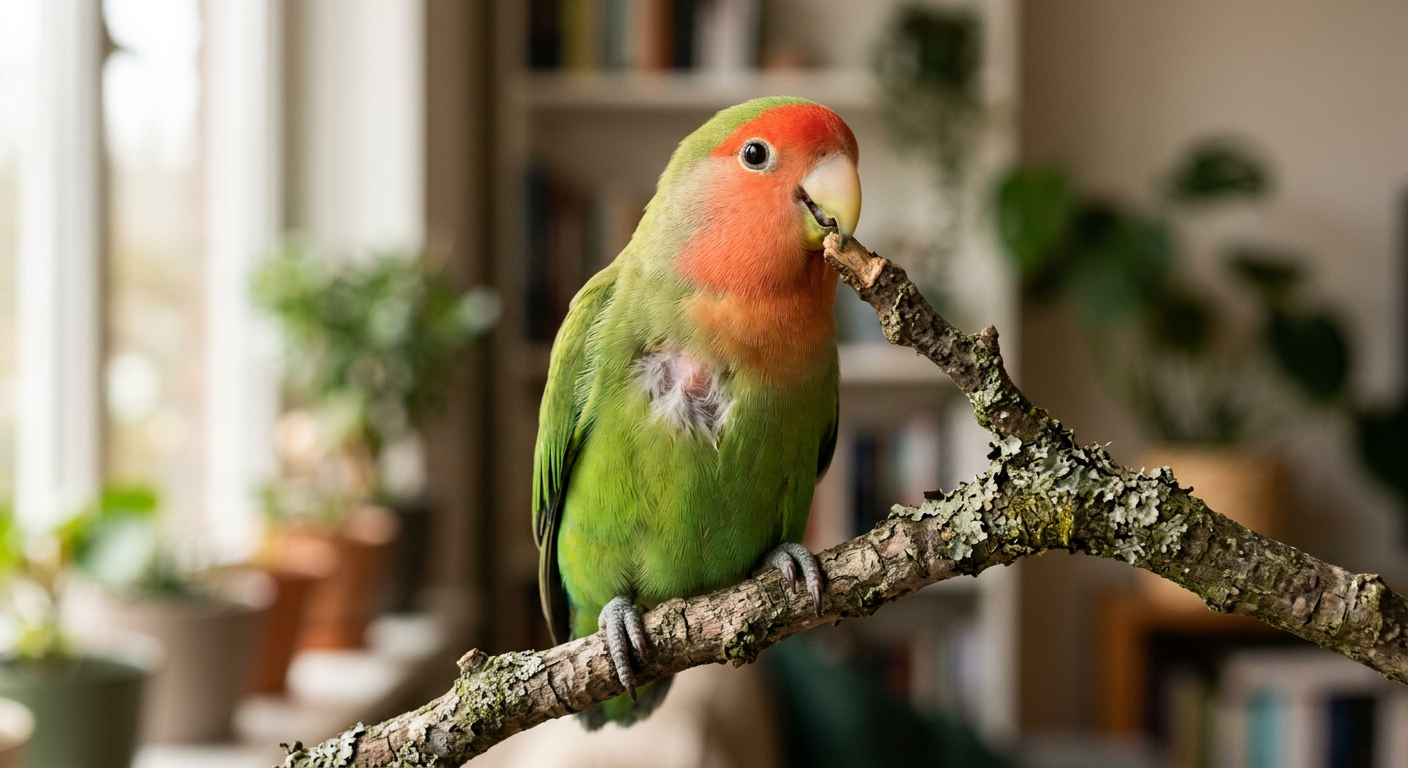
Finding your vibrant companion with a bare patch can be a surprising experience for any bird owner. If you notice your lovebird plucking feathers from chest areas, it is important to approach the situation with patience and curiosity. This behavior, often referred to as feather picking or pterotillomania, is a complex signal that something in your bird's world needs adjustment.
Lovebirds are highly social and intelligent creatures that require significant mental stimulation and physical comfort. When they begin removing their own plumage, they are usually reacting to a physical discomfort or an environmental stressor. By observing their patterns, you can begin to identify the root cause and help them return to their colorful, fluffy selves.
Understanding Why Lovebirds Pluck Their Chest Feathers
The chest is one of the most common areas for a lovebird to target because it is easily accessible. Unlike head feathers, which require a mate or a "scratching post" to preen, the chest is right within reach of that powerful beak. When a lovebird plucks feathers from chest regions, they are often seeking relief from an internal or external stimulus.
It is helpful to distinguish between normal preening and actual plucking. Preening is a healthy grooming habit where birds realign their feathers and remove dirt. Plucking, however, involves the deliberate removal of feathers, sometimes leading to damaged skin or bleeding. If you are also noticing changes in other birds, you might want to read about a budgie sitting on bottom of cage not sick to see how different species signal distress.
Common Physical Triggers
Wellness considerations often start with the skin and feathers themselves. Several physical factors can lead to an itchy or uncomfortable chest, prompting your bird to pull at their feathers for relief. Common culprits include:
- Dry skin caused by low humidity in the home.
- External parasites like mites or lice.
- Nutritional deficiencies, particularly a lack of Vitamin A or healthy fats.
- Internal sensitivities or allergies to specific foods or airborne irritants.
Environmental and Emotional Factors
Lovebirds are deeply emotional animals. Changes in their environment can lead to anxiety, which they may soothe through repetitive behaviors. If a lovebird feels bored, lonely, or neglected, they might turn their attention to their own feathers as a way to pass the time or cope with stress.
Environmental irritants also play a role. Strong scents from candles, cleaning products, or even cooking fumes can irritate a bird's sensitive respiratory system and skin. Providing a stable, clean, and engaging environment is the first step in proactive care for a plucking bird.
Proactive Steps for Feather Health
When you first notice your pet is losing plumage, the best course of action is to schedule a visit with an avian veterinarian. They can perform diagnostic tests to rule out infections or organ issues that might be causing discomfort. Once medical causes are addressed, you can focus on lifestyle improvements.
Dietary changes can make a significant difference. Many birds thrive when transitioned from an all-seed diet to high-quality pellets supplemented with fresh vegetables and occasional fruits. Proper nutrition strengthens the feather follicles and improves skin elasticity, making the bird less likely to feel itchy.
Enhancing Humidity and Bathing
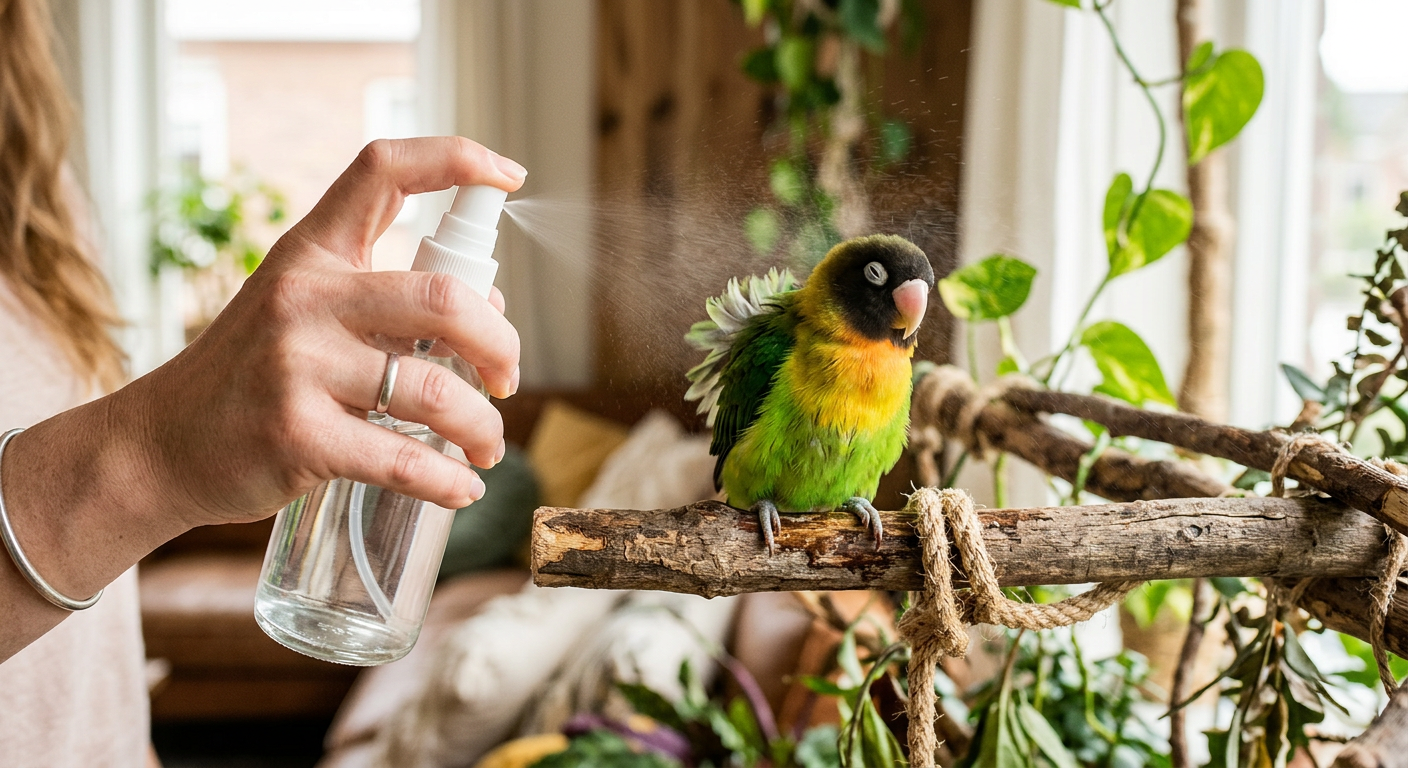
Many lovebirds originate from humid climates, and our climate-controlled homes can be quite drying. Increasing the humidity in the room can soothe dry skin. You can offer your lovebird a shallow dish of water for bathing or use a fine-mist spray bottle to gently dampen their feathers a few times a week.
Mental Stimulation and Foraging
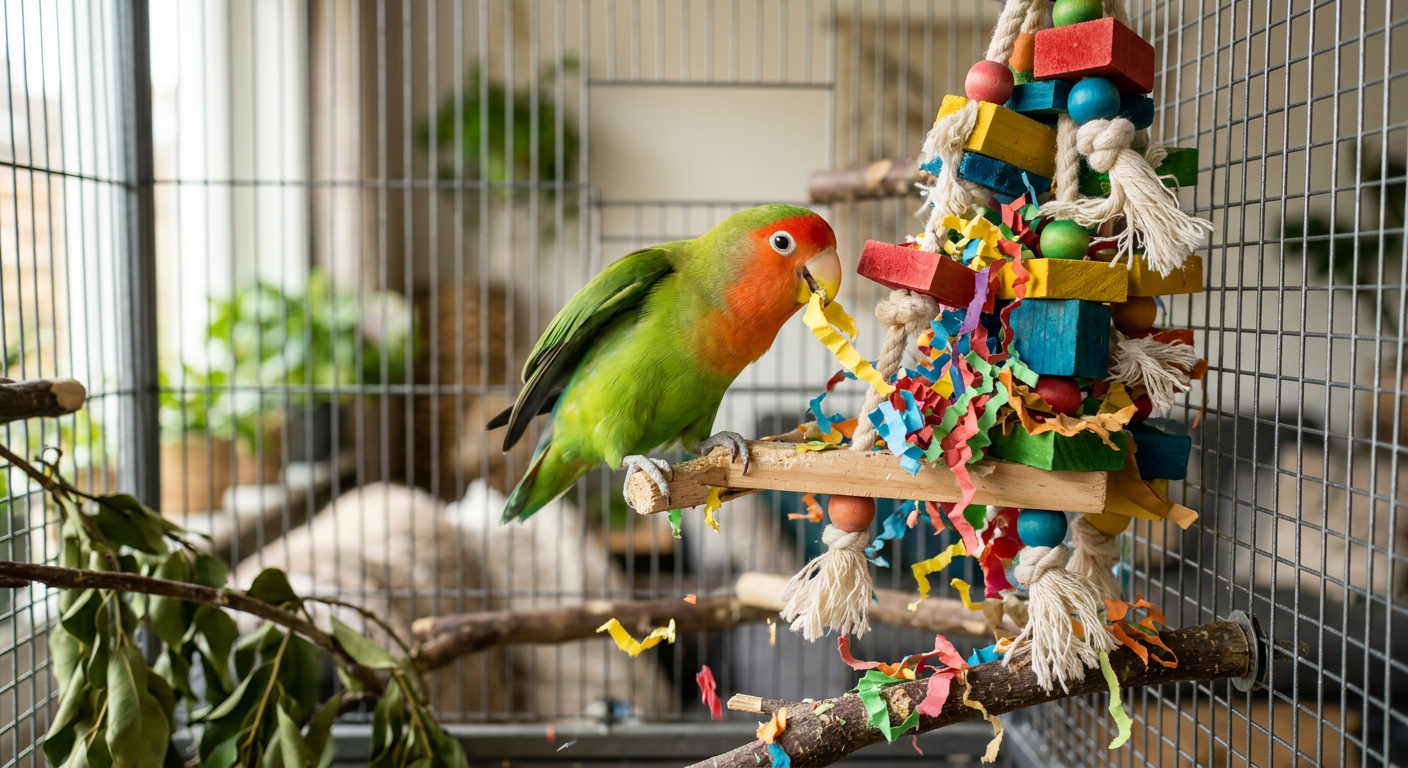
A bored lovebird is a bird that may look for trouble—or in this case, look to their feathers. Providing a variety of toys that encourage foraging, shredding, and chewing can redirect their energy. Instead of plucking their chest, they can spend their time shredding bird-safe paper or searching for treats hidden inside a toy.
If your bird's behavior seems to happen mostly at night or during quiet hours, you might find it interesting to compare this to other nocturnal habits, such as a cockatiel grinding beak at night meaning, which is often a sign of contentment rather than stress.
Creating a Soothing Environment
The placement of the cage can impact a lovebird's stress levels. A cage placed in a high-traffic, noisy area might be too overstimulating, while a cage in a dark, isolated corner can lead to loneliness. Aim for a "happy medium" where the bird feels like part of the family but has a wall behind the cage for a sense of security.
Consistent sleep is also vital. Lovebirds typically need 10 to 12 hours of uninterrupted darkness to maintain a healthy hormonal balance. If their sleep cycle is disrupted, they may become irritable and prone to self-mutilation or plucking behaviors.
When to Consult an Avian Specialist
While home adjustments are helpful, persistent plucking requires professional guidance. If you see blood, scabs, or if the bird seems lethargic, seek veterinary care immediately. An avian vet can provide specialized collars or temporary medications to help break the cycle of plucking while the underlying cause is being treated.
Remember that feather regrowth takes time. Even after the cause is addressed, it may take until the next molt for your lovebird to look fully feathered again. Patience is key during this recovery phase. Similar to how a parakeet feathers puffed up all day can indicate a need for warmth or rest, your lovebird's chest plucking is a plea for help that deserves a gentle response.
Long Term Wellness and Prevention
Preventing future episodes involves maintaining a consistent routine. Birds find comfort in knowing when they will be fed, played with, and put to bed. Sudden changes should be introduced gradually whenever possible. By staying observant, you can catch the early signs of stress before it escalates to feather damage.
If you also share your home with furry friends, keeping their health in check is just as important. For those with dogs, you can use our Labrador Retriever age calculator to ensure your larger pets are hitting their developmental milestones alongside your feathered ones.
In conclusion, a lovebird plucking feathers from chest areas is not a "bad" bird, but a bird that is communicating a need. With a combination of veterinary support, improved nutrition, and a stimulating environment, most lovebirds can overcome this habit. Your dedication to their wellness ensures they will continue to be a joyful part of your home for years to come.