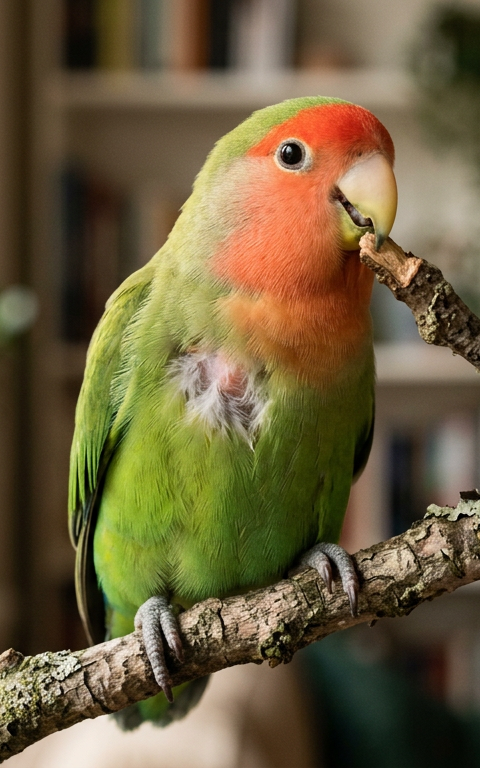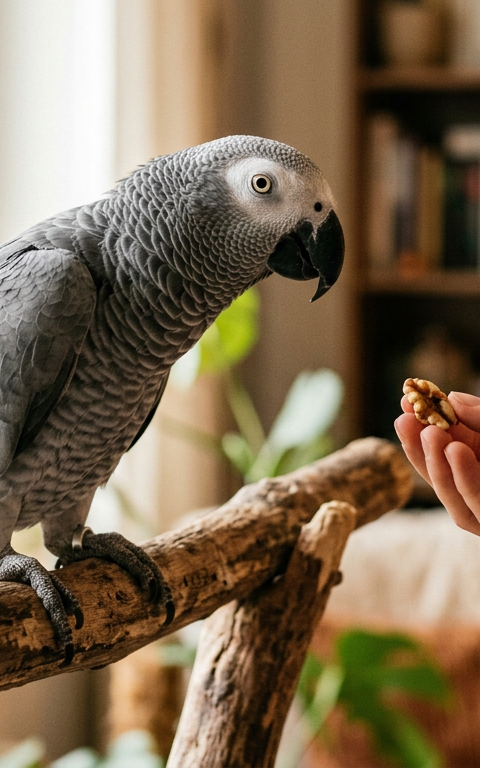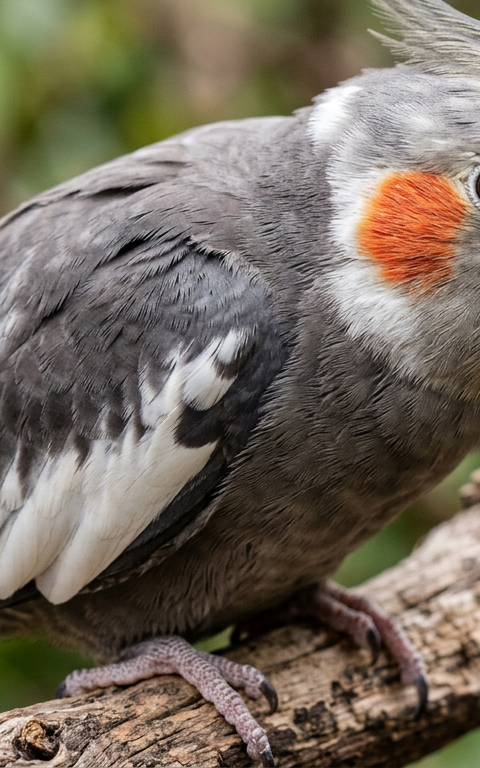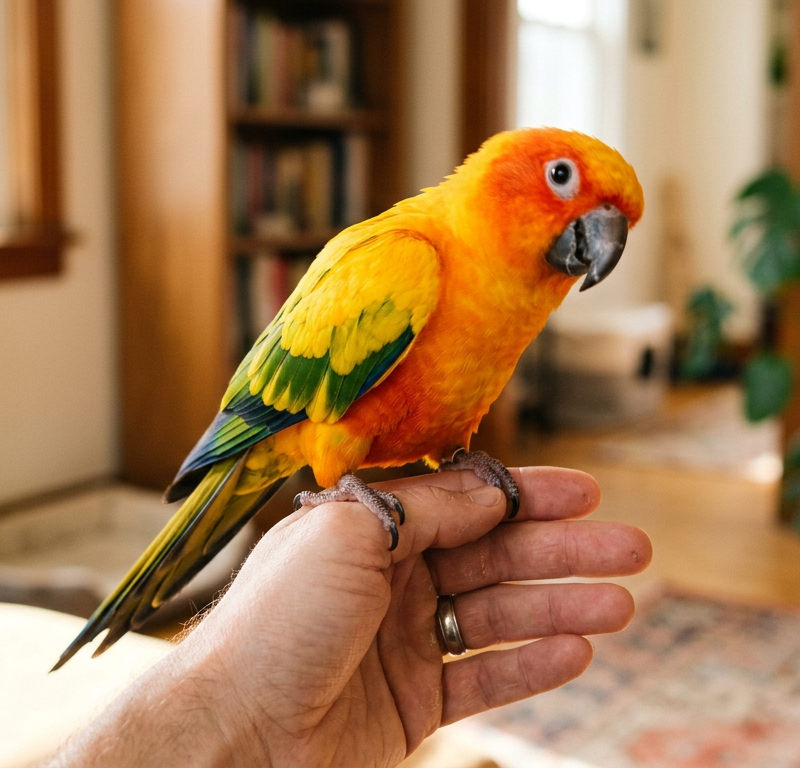
If you are a bird parent, you might have experienced a moment where your feathered friend bobbles their head and offers you a sticky, partially digested gift. Seeing your parrot regurgitating food on owner meaning can be a bit confusing or even off-putting at first. However, in the world of avian communication, this behavior is a significant gesture that speaks volumes about your bond.
Regurgitation is a natural biological process where a bird brings up food from its crop. While it might look like vomiting to the untrained eye, it is actually a distinct social behavior. Understanding why your bird chooses to share their meal with you is the first step in fostering a healthy and respectful relationship with your pet.
The Difference Between Regurgitation and Vomiting
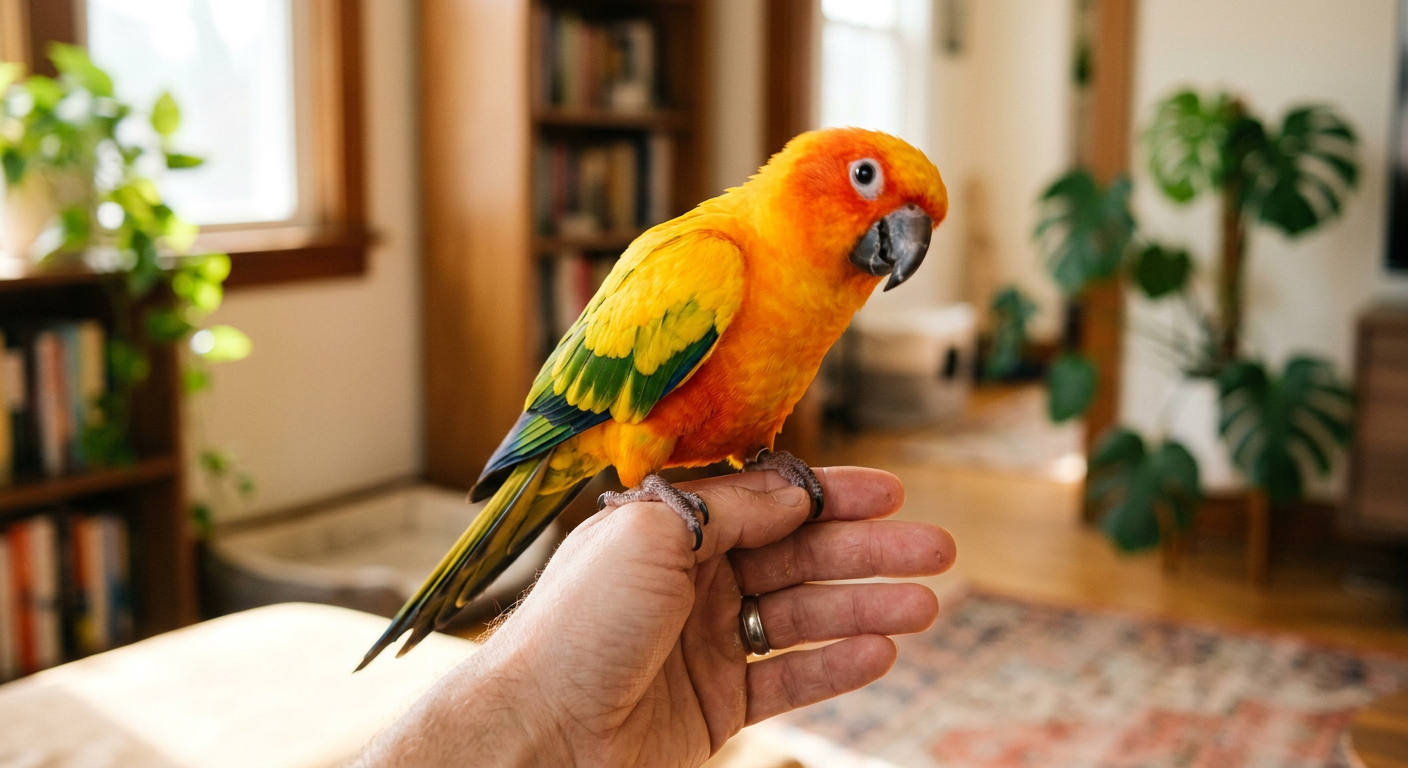
Before diving into the "why," it is essential to distinguish between a healthy social gesture and a health concern. When a parrot is regurgitating, the movement is rhythmic and purposeful. You will often see them stretch their neck and bob their head up and down before the food appears.
The food brought up during this process is usually undigested and looks much like it did when they ate it. This is quite different from vomiting, which is often messy and lacks the rhythmic "dance" of social regurgitation. In cases of illness, the bird may flick their head from side to side, spreading liquid or digested food across their feathers or the cage bars.
Recognizing Body Language
Healthy regurgitation is accompanied by positive body language. Your bird might have pinned eyes (rapidly dilating and contracting pupils), ruffled feathers, or drooping wings. These are all signs of excitement and affection rather than distress. If your bird seems lethargic or has a tucked tail, it is time to consult a veterinarian.
For those who also keep cats or dogs, you might find it interesting to see how different species show affection. While a bird offers food, a British Shorthair might show love through quiet proximity. Every animal has a unique way of saying "I love you."
Bonding and Affection in the Avian World
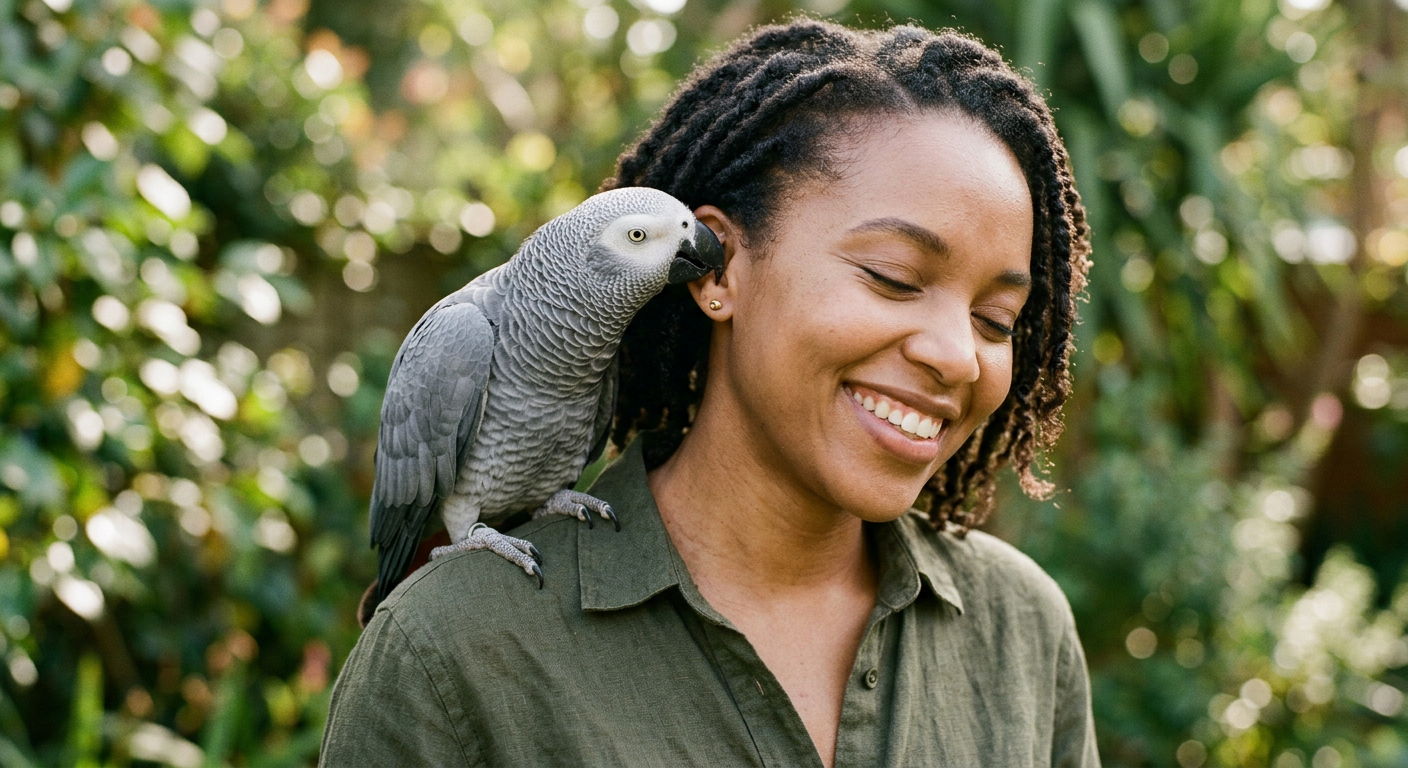
In the wild, parrots are highly social creatures that live in bonded pairs or large flocks. Regurgitation is a primary way they show commitment to a mate. When your parrot offers food to you, they are essentially signaling that they view you as their most important person—their "flock mate" or partner.
This behavior is also seen between parent birds and their chicks. It is an act of providing and nurturing. If your bird views you as a parental figure or a trusted companion, they use this method to ensure you are "fed" and cared for, mirroring the cooperative nature of wild parrot colonies.
The Role of Hormones
While the sentiment behind a bird sharing food is sweet, it is often driven by hormonal triggers. During certain times of the year, usually spring, light cycles and temperature changes signal to a bird that it is "nesting season." This surge in hormones makes the urge to provide for a mate much stronger.
If you notice this behavior increasing, it might be tied to environmental factors. Providing 12 to 14 hours of total darkness at night can help regulate these hormonal spikes. Similar to how a Poodle and a Beagle have different energy management needs, different parrot species require specific light and sleep schedules to stay balanced.
Common Triggers for This Behavior
Understanding what sets off this behavior can help you manage it effectively. Parrots are highly observant and react to specific physical and environmental cues. Here are a few common triggers:
- Inappropriate Petting: Petting a parrot anywhere other than the head or neck can be interpreted as a mating signal. Touching the back, wings, or belly often triggers regurgitation.
- Favorite Toys: Some birds become "romantically" attached to a specific mirror or bell, leading them to regurgitate on the object or you when you are near it.
- Warm Foods: Feeding warm mashes or soft foods can mimic the consistency of regurgitated food, encouraging the bird to reciprocate.
- High-Calorie Diet: A diet too rich in fats and sugars can signal to many species that there are plenty of resources available to raise a family, sparking nesting instincts.
If you find your bird is frequently mimicking the cockatiel grinding beak at night meaning seen in other birds, they might be expressing contentment before attempting to feed you. You can read more about these nighttime sounds at Cockatiel Grinding Beak at Night Meaning.
How to Respond to Your Parrots Gesture
While it is a compliment that your bird loves you so much, encouraging this behavior can lead to problems. Overly hormonal birds can become frustrated, leading to feather plucking or territorial aggression. It is best to gently discourage the act without making the bird feel rejected.
When you see the head-bobbing begin, the best response is to calmly place the bird back on its perch or in its cage. This provides a "cool down" period. Avoid shouting or reacting with disgust, as any big reaction can be seen as "drama" which birds actually find quite reinforcing.
Redirecting Energy
Focus on training and foraging activities to occupy your bird's mind. Teaching them tricks or providing complex puzzles helps shift their focus from mating behaviors to cognitive challenges. This keeps their brain active and their hormones in check.
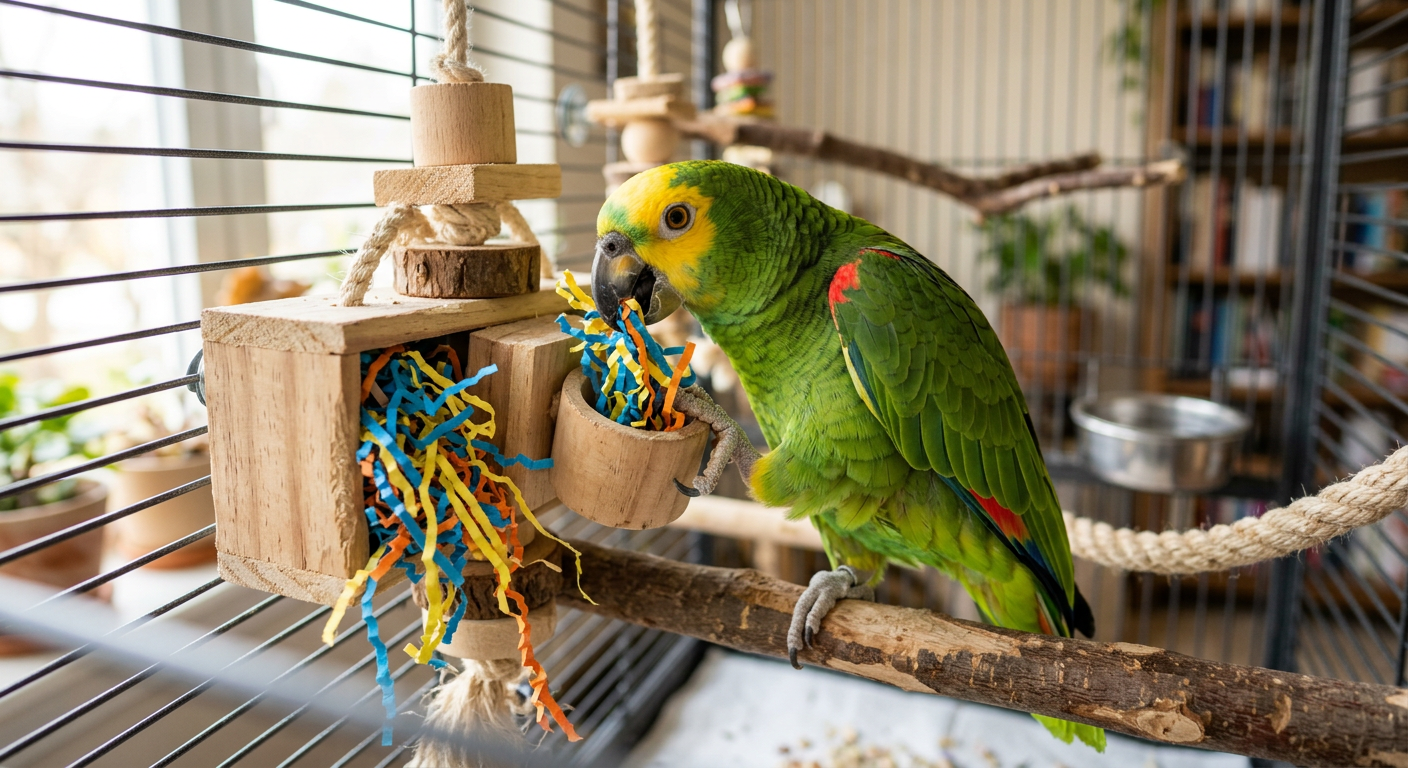
Foraging is a natural behavior that takes up much of a wild bird's day. By hiding treats inside paper wraps or cardboard boxes, you encourage them to work for their food. This mimics natural wild "chores" and reduces the time they spend focusing on hormonal bonded behaviors with their owners.
Wellness Considerations and When to See a Vet
While social regurgitation is normal, it should not be constant. If your bird is bringing up food dozens of times a day, they may lose weight or irritate their crop lining. Monitoring their weight with a gram scale is a proactive way to ensure they stay healthy.
Always keep an eye out for changes in the consistency of the material. If it becomes foul-smelling, contains mucus, or if the bird is shaking its head violently, these are signs of a crop infection or other wellness issues. A quick visit to an avian veterinarian can provide peace of mind and necessary care.
Healthy birds are active and engaged. If your bird seems quiet and you notice your parakeet feathers puffed up all day, it might be more than just a behavioral quirk. For more on this specific sign, visit Why are Parakeet Feathers Puffed up All Day.
Conclusion
Understanding your parrot regurgitating food on owner meaning helps you navigate the complex emotional lives of these intelligent animals. It is a gesture born of deep trust and a desire for connection. By recognizing the triggers and responding with gentle redirection, you can maintain a wonderful friendship with your bird while keeping them healthy and balanced.
Every species has its own way of showing bond and social status. Whether you are curious about your bird or looking into the life stages of a Labrador Retriever, understanding behavior is the key to a happy home. Cherish the bond you have, but always keep an eye on the wellness of your feathered friend.