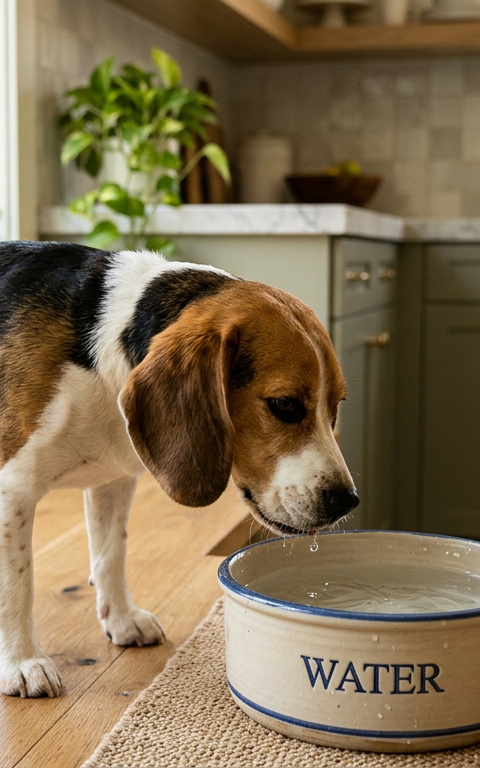
Visiting the clinic can be a whirlwind of emotions, but knowing how to describe pet symptoms to a vet accurately is the most important tool you have to support your furry friend. When your pet isn't feeling their best, they cannot speak for themselves, making you their primary advocate and translator. Clear communication ensures your veterinary team can narrow down possibilities quickly and start the right wellness plan.
Effective observation starts at home before you even load the carrier into the car. By tracking specific changes in behavior, appetite, and physical appearance, you provide the missing pieces of the puzzle that a brief physical exam might not reveal. In this guide, we will explore how to organize your observations and use precise language to help your vet help your pet.

Creating a Timeline of Observations
One of the first questions a veterinarian will ask is, "When did this start?" Instead of a general "a few days ago," try to pinpoint the exact moment you noticed a change. Was it right after a walk, or perhaps after a specific meal? A chronological timeline helps the vet determine if the issue is acute or a slow-developing chronic condition.
It is also helpful to note if the symptoms are constant or intermittent. For example, a dog that limps only after a nap presents a different diagnostic path than one who limps after heavy exercise. If you own a specific breed, such as a French Bulldog, knowing their age in human years can also provide context for age-related mobility changes.
The Power of Video Evidence
Sometimes, a pet acts perfectly normal the moment they step into the vet's office. This "waiting room adrenaline" can mask symptoms like coughing, limping, or tremors. Capturing a 30-second video of the behavior at home is often more valuable than a thousand words of description.
When filming, try to capture the pet's whole body and the environment around them. This allows the vet to see the context of the behavior. If your pet is displaying unusual physical signs, you can also use a free online pet symptom checker to help categorize what you are seeing before your appointment.
Using Precise Descriptive Language
To describe pet symptoms to a vet accurately, try to avoid vague terms like "he’s acting weird." Instead, focus on objective data. Are they sleeping four hours more than usual? Are they drinking twice as much water? Quantifying changes makes it easier for the medical team to assess the severity of the situation.
Focus on the "Four Pillars of Pet Health" when gathering your notes:
- Appetite: Are they refusing all food, or just being picky? Are they still drinking water?
- Elimination: Note any changes in frequency, color, or consistency of urine and stool.
- Energy Levels: Is the lethargy constant, or do they have bursts of energy?
- Mobility: Are they hesitant to jump, or are they dragging a specific paw?

Recognizing Subtle Behavioral Shifts
Pets are masters at hiding discomfort, a survival instinct inherited from their ancestors. Understanding how to read my pet body language when unwell is essential for early detection. Subtle signs like a lowered tail carriage, squinting eyes, or a change in how they greet you at the door can be significant.
Hiding is another common indicator that something is off. If your normally social cat is suddenly spending all day under the bed, it is worth mentioning. You can learn more about this specific behavior in our guide on what does it mean when a pet hides when unwell to provide more context to your vet.
Comparing Normal vs. Abnormal
You know your pet better than anyone else. If you have multiple pets, such as a Beagle and a Poodle, you likely already recognize that "normal" looks different for every individual. Mentioning how your pet’s current behavior deviates from their established baseline is incredibly helpful for the diagnostic process.
The Role of AI in Symptom Preparation
Modern technology has made it easier to organize your thoughts before a consultation. AI-driven tools can help you filter through various observations to find the most relevant details. Many owners find that AI tools help pet owners read symptoms and behavior more objectively, reducing the stress of a clinical visit.
While AI cannot replace a physical exam, it can provide a structured summary that you can hand to your vet. This ensures you don't forget small details like a slight change in breath odor or a new patch of dry skin while you are in the exam room. These tools are excellent for learning how to know if your pet is uncomfortable during those middle-of-the-night worry sessions.
Preparing Your List for the Clinic
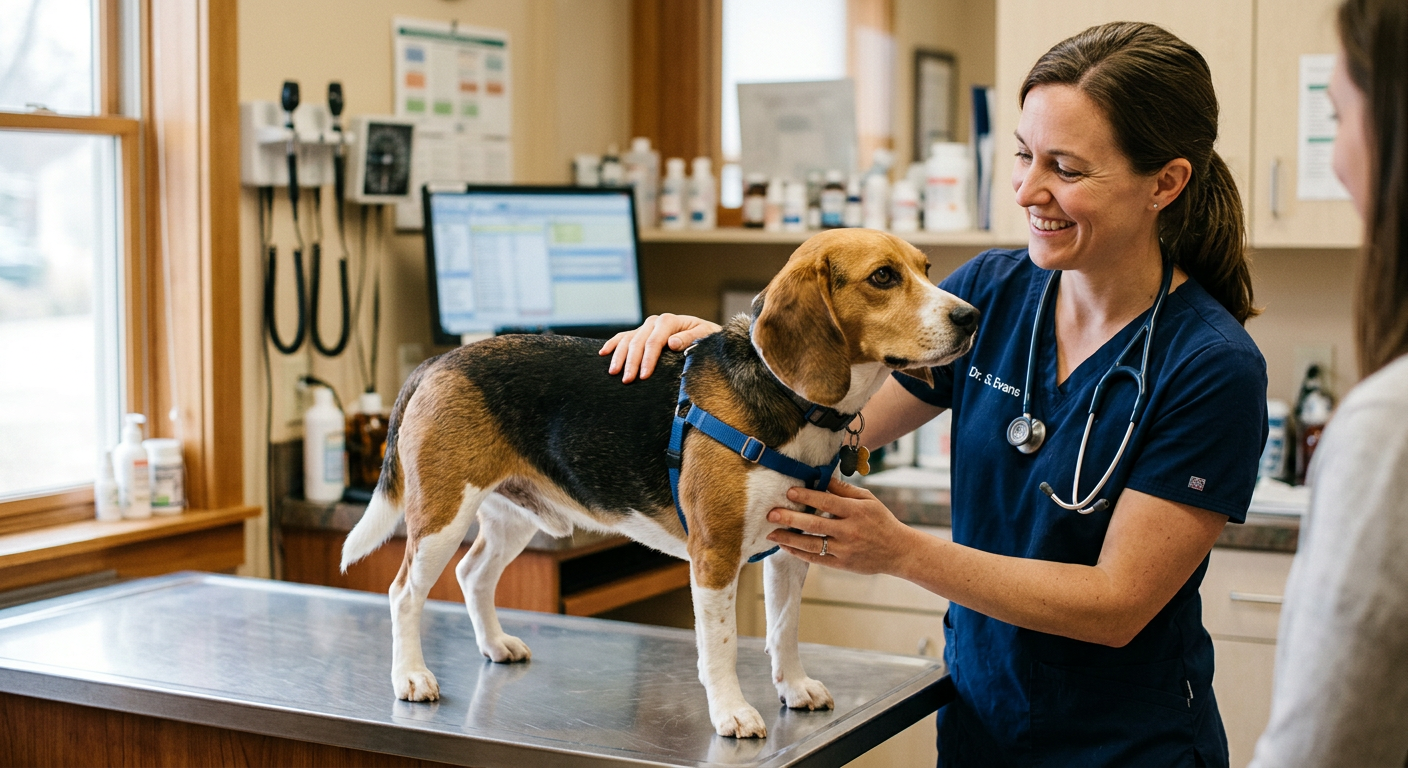
Before you walk through the clinic doors, have a written list or a digital note ready. This keeps the conversation focused and ensures your most pressing concerns are addressed first. A well-organized pet owner is a vet's best partner in care.
- List the primary concern (the "chief complaint").
- Note the date and time the symptom was first observed.
- List any current medications or recent changes in diet/treats.
- Include a list of questions you want the vet to answer.
- Mention any recent travel or exposure to other animals.
Conclusion
Learning how to describe pet symptoms to a vet accurately is a skill that improves over time with practice and observation. By providing a clear timeline, using specific descriptors, and utilizing modern tools like video and AI assistants, you bridge the communication gap between your pet and their healthcare provider.
Your observations are the foundation of a successful diagnosis. When you come prepared with objective details and a calm perspective, you ensure that your pet receives the most efficient and effective care possible. Always remember to trust your intuition—if something feels "off," your vet is there to help you figure out why.