Understanding what our furry companions are thinking can often feel like a guessing game. While pet owners develop a deep bond with their animals, subtle shifts in mood or activity can be difficult to interpret accurately. This is where modern technology steps in, as learning how AI helps decode pet behavior changes is becoming a vital part of proactive pet parenting.
Artificial intelligence uses complex algorithms to analyze data points that the human eye might miss. By processing patterns in movement, vocalization, and daily routines, these tools provide a clearer picture of a pet's internal state. This doesn't replace the intuition of a loving owner, but rather enhances it with data-driven insights.
Whether you are curious about why your dog is suddenly napping more or why your cat has started avoiding their favorite perch, AI offers a new lens for observation. By bridging the communication gap between species, we can ensure our pets live happier, more comfortable lives.
The Science of Behavioral Analysis
At its core, AI for pets works by establishing a "baseline" of normal behavior. Every animal has a unique personality and set of habits. A German Shepherd might naturally be more active than a Bulldog, and understanding these nuances is key to spotting when something is off.
Machine learning models are trained on thousands of hours of video and sensor data from various breeds. This allows the software to recognize specific actions, such as scratching, shaking, or pacing. When these actions deviate from the norm, the AI flags the change for the owner to review.
Recognizing Subtle Shifts
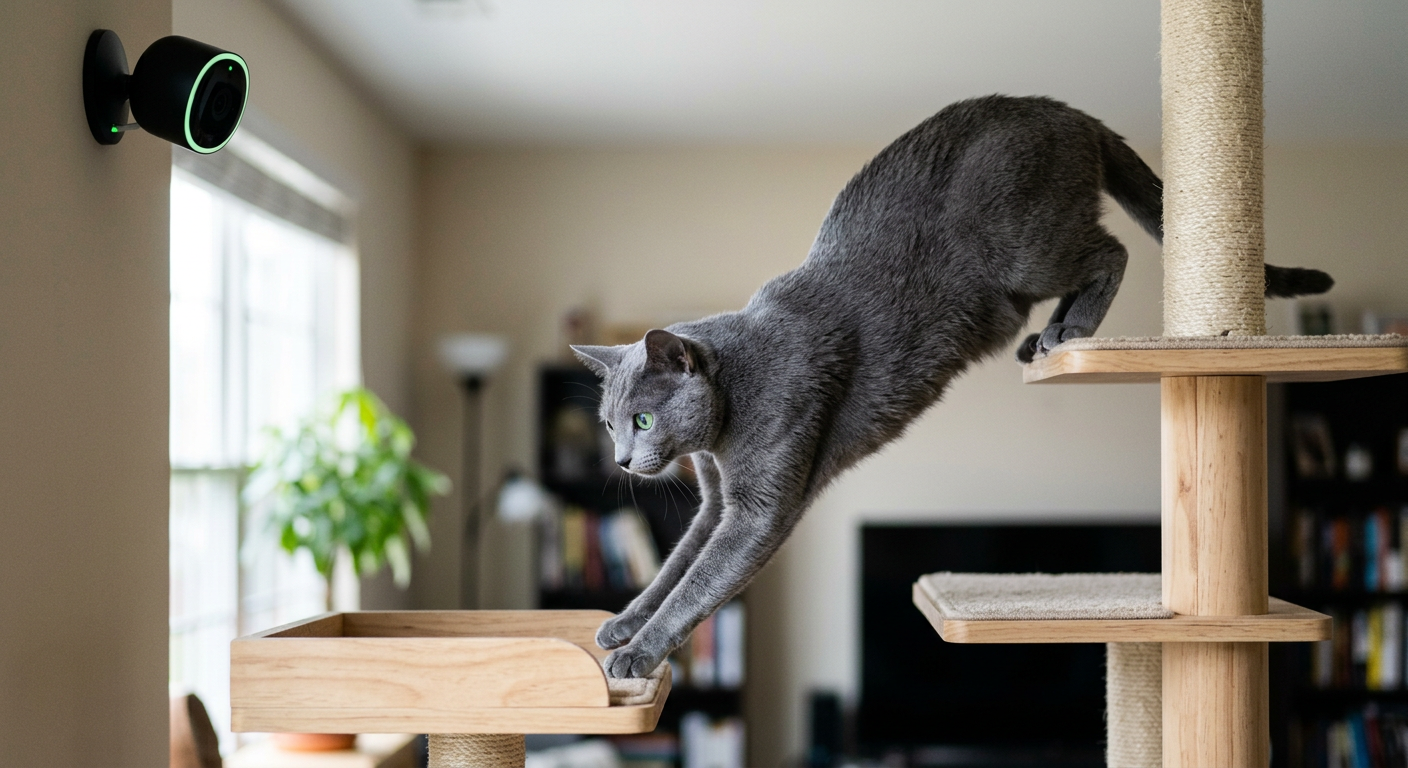
Often, the first signs of discomfort or aging are incredibly subtle. A cat might start jumping onto the sofa in two stages rather than one smooth leap. While a human might overlook this, AI-powered cameras or wearables can track these micro-movements over time.
For example, if you are monitoring an older dog, using a tool like the German Shepherd age calculator can help you understand their life stage, while AI monitors their mobility. Together, these resources provide a comprehensive view of your pet's wellness journey.
Early Detection of Wellness Considerations
One of the most significant ways how AI helps decode pet behavior changes is through the early identification of health-related shifts. Pets are experts at masking discomfort, a survival instinct inherited from their wild ancestors. By the time a pet shows obvious signs of being unwell, the issue may have been progressing for weeks.
AI tools look for "invisible" symptoms, such as:
- Changes in sleep cycles or restlessness during the night.
- Increased frequency of grooming in specific areas.
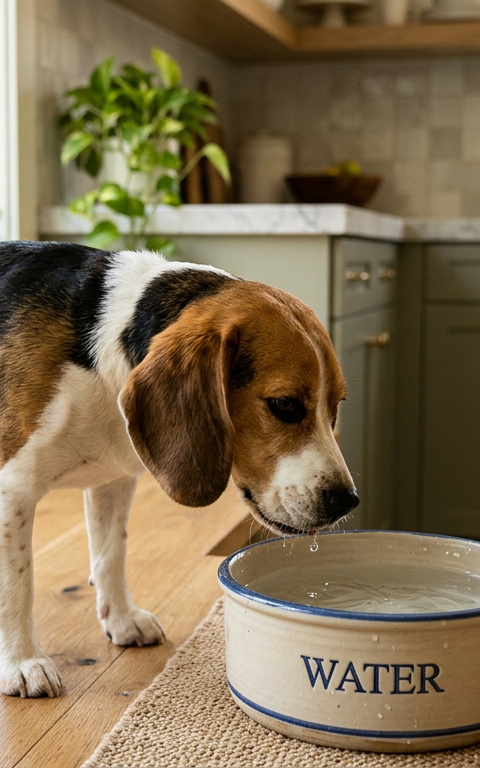
- Subtle decreases in water intake or appetite.
- Variations in heart rate or respiratory patterns detected by smart collars.
By catching these variations early, pet owners can schedule a check-up with their veterinarian before a small concern becomes a larger one. This proactive approach is a cornerstone of modern veterinary care.
Interpreting Body Language and Vocalization
Decoding the meaning behind a tail wag or a specific type of purr is now possible through visual and auditory AI analysis. Not all tail wags mean a dog is happy, and not all purrs mean a cat is content. AI can analyze the tension in a pet's face or the frequency of a bark to provide context.
If you have ever wondered how to read my pet body language when unwell, AI serves as a digital translator. It can distinguish between an "I'm excited" bark and an "I'm frustrated" bark by analyzing pitch and duration. This helps owners respond more appropriately to their pet's emotional needs.
Reducing Stress for Pet Owners
Living with a pet who is acting strangely can be stressful. AI provides objective data that can calm an owner's nerves or provide the necessary push to seek professional advice. Knowing that your pet's activity levels have only dropped by 5% vs. 50% helps put behavioral changes into perspective.
Enhancing the Vet-Owner Relationship
When you visit the vet, they often ask, "When did this behavior start?" Most of us struggle to give an exact answer. AI provides a digital diary of your pet's life, offering concrete data that your veterinarian can use to make a diagnosis.
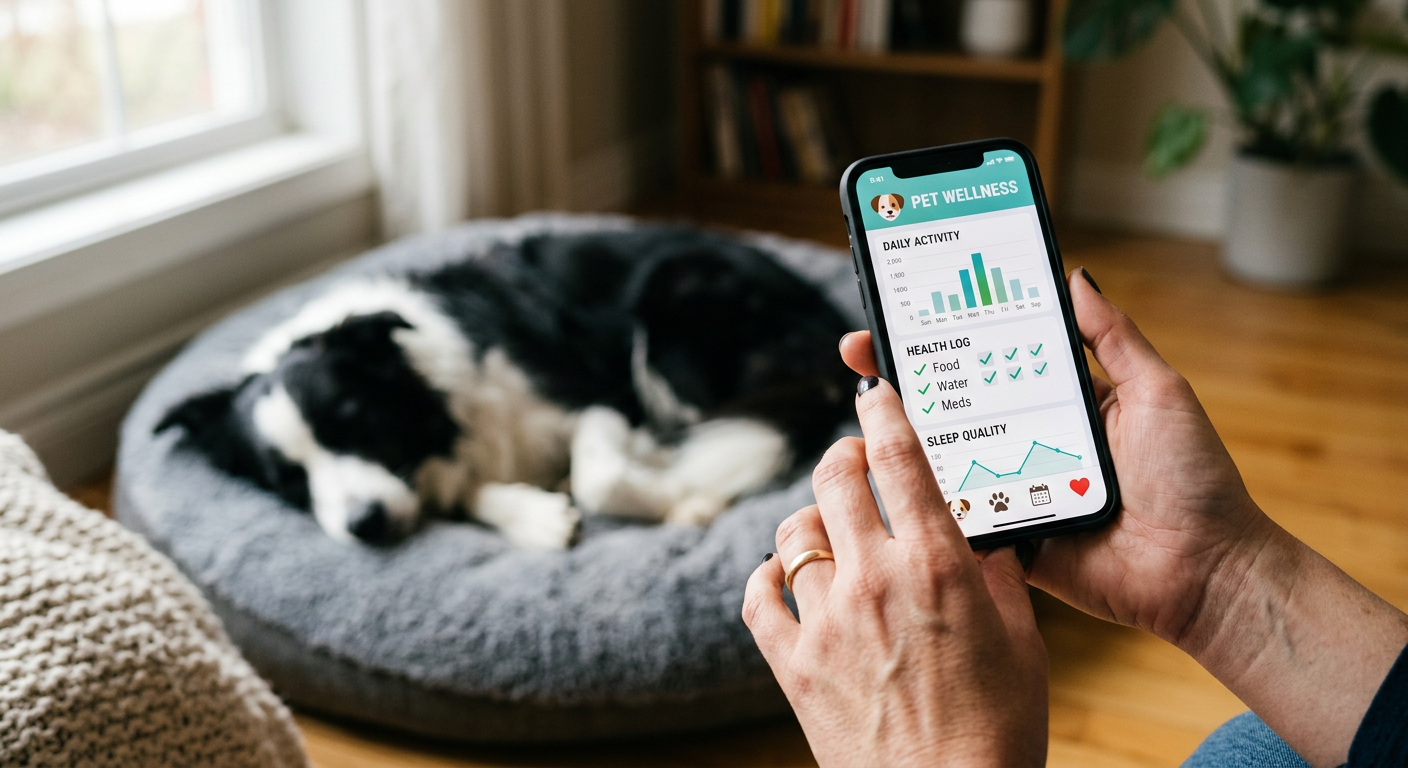
Instead of saying "he seems tired," you can show a graph illustrating a 30% decline in activity over the last fourteen days. This level of detail is invaluable for medical professionals. It transforms subjective observations into actionable data points.
For those interested in how these technologies are evolving, reading about how AI tools help pet owners read symptoms and behavior can provide deeper insight into the future of pet care. These tools are becoming more accessible, allowing every pet owner to benefit from high-tech monitoring.
The Role of Wearable Technology
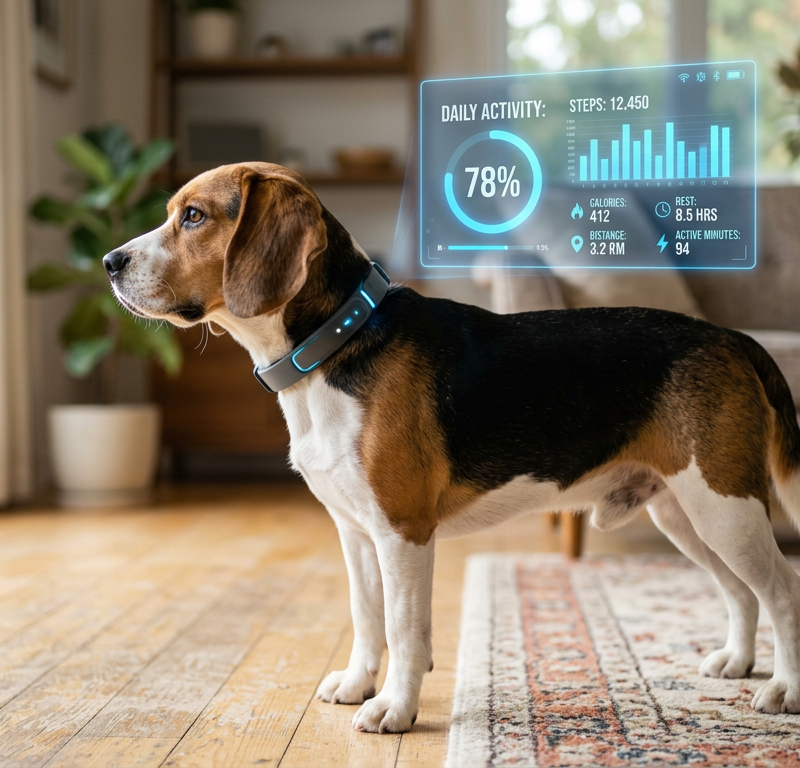
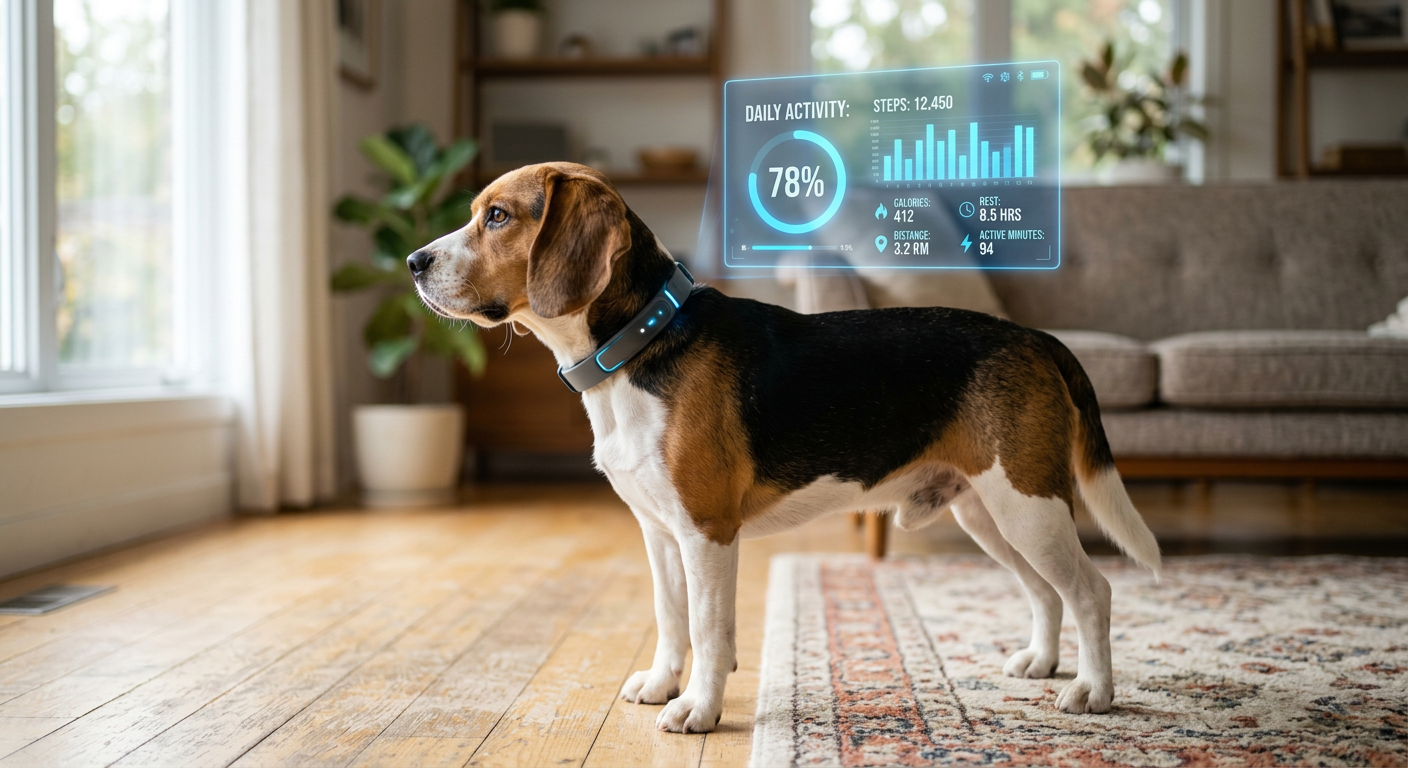
Smart collars and harnesses are the primary way most owners interact with pet AI today. These devices function similarly to human fitness trackers but are calibrated specifically for animal physiology. They track everything from calories burned to the quality of sleep.
If you are comparing breeds, such as looking at a Boxer vs Poodle, you will find that their activity needs differ wildly. AI software adjusts its expectations based on the breed's known characteristics, ensuring the alerts you receive are relevant to your specific pet.
Environmental Factors
AI can also help determine if external factors are causing behavior changes. For instance, if a pet becomes anxious every Tuesday at 2 PM, the AI might help you realize that is when the neighbor's lawn service arrives. Identifying these triggers allows you to create a more soothing environment for your animal companion.
Conclusion
Technology is not a replacement for the love and attention we give our pets, but it is an incredible tool for advocacy. Understanding how AI helps decode pet behavior changes allows us to be more responsive to their needs and more informed during veterinary consultations.
By leveraging data to understand the silent language of our pets, we can provide a higher standard of care. As these AI tools continue to advance, the bond between humans and animals will only grow stronger, rooted in a deeper level of mutual understanding and proactive wellness.