As a devoted pet owner, you know your furry companion better than anyone else. Because our pets cannot speak, they rely on us to interpret their subtle physical and behavioral cues. Identifying the signs your pet needs a vet visit is an essential skill for proactive wellness care, ensuring your companion stays happy and healthy for years to come.
Sometimes the signals are obvious, but often they are quiet whispers that require a keen eye. By learning to recognize these indicators early, you can provide your pet with the support they need before minor issues develop into larger concerns. Evaluating your pet's wellness regularly helps you stay ahead of potential health changes.
Recognizing Changes in Appetite and Hydration
One of the most immediate signs your pet needs a vet visit is a noticeable shift in their eating or drinking habits. While a missed meal might occasionally happen due to hot weather or a change in routine, persistent disinterest in food is a signal that deserves attention. Conversely, a sudden, ravenous appetite can also indicate metabolic changes that your veterinarian should evaluate.
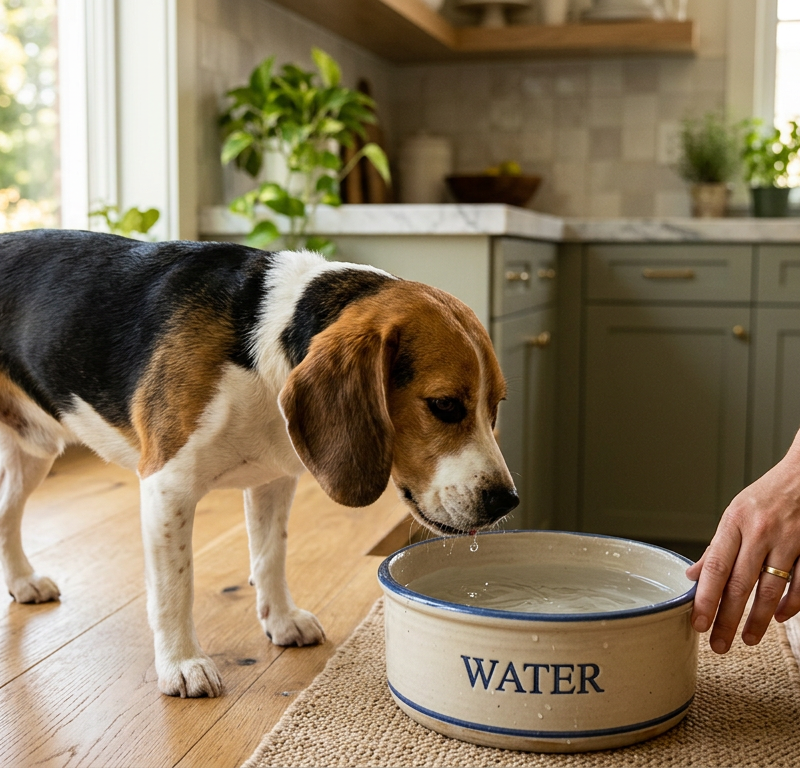
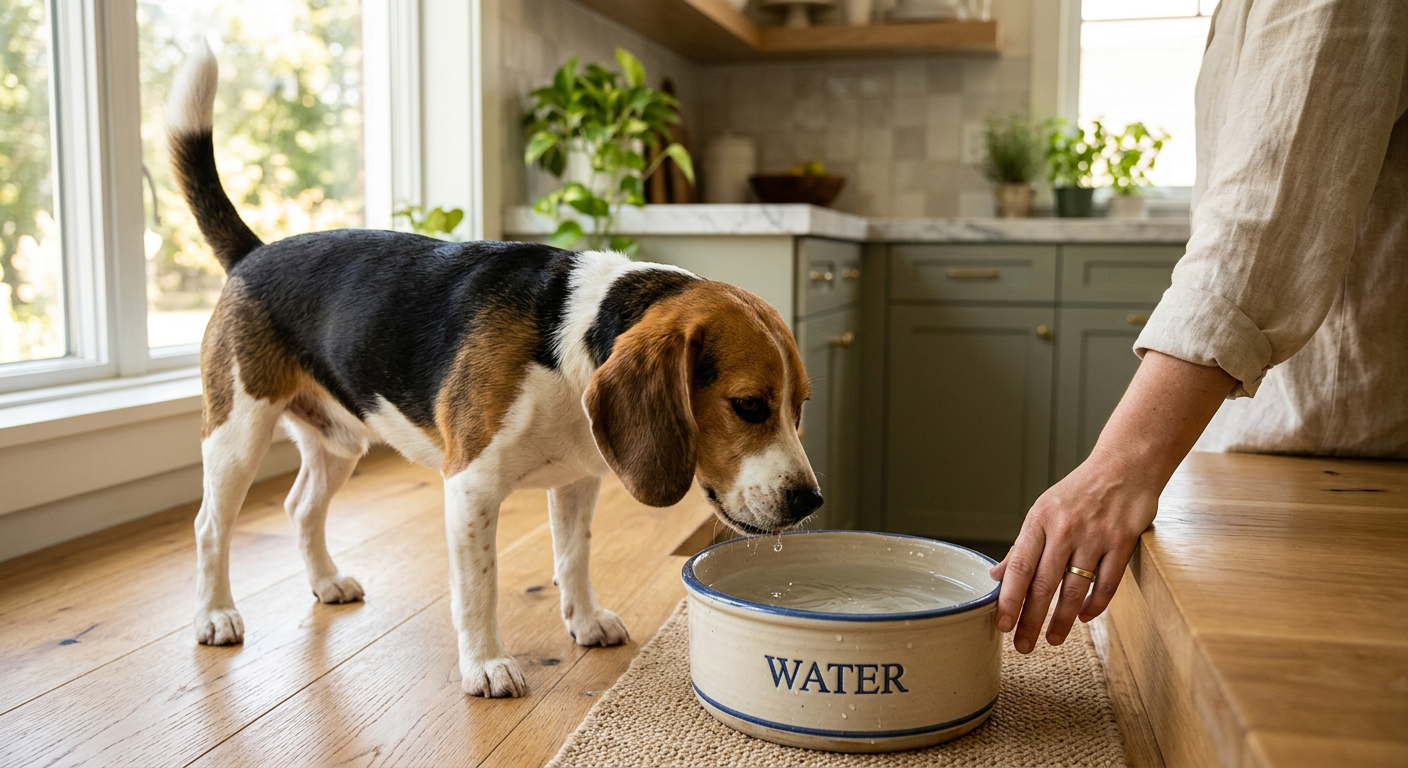
Hydration is equally important to monitor. If you find yourself refilling the water bowl significantly more often than usual, or if your pet seems to ignore their water entirely, it may be a sign of an underlying wellness consideration. Monitoring these basic biological needs is the cornerstone of responsible pet ownership.
Changes in Weight
Gradual weight loss or gain can be difficult to spot if you see your pet every day. You might first notice that their collar feels loose or that you can feel their ribs more prominently during a cuddle session. Taking your pet for a wellness check is the best way to determine if weight fluctuations are due to diet, activity levels, or a health-related factor.
Shifts in Energy Levels and Behavior
Our pets thrive on routine, so any deviation from their "normal" self can be revealing. Lethargy is a common indicator that something isn't quite right. If your once-energetic Border Collie is suddenly reluctant to go for their morning walk, it may be time to consult a professional. You can even check their life stage progress using our Border Collie age calculator to see if age-related slowing is expected.
Behavioral changes are often a pet's way of communicating discomfort. A social cat that suddenly spends all day under the bed may be experiencing physical unease. Understanding what it means when a pet hides can help you decide when a veterinary consultation is necessary for their emotional and physical well-being.
Unusual Aggression or Irritability
If a typically sweet-natured pet begins snapping, growling, or hissing when touched in certain areas, they may be protecting a sore spot. These "grumpy" moments are frequently signs your pet needs a vet visit to rule out localized discomfort. Always approach an irritable pet with gentleness and give them the space they need while you arrange for professional care.
Monitoring Digestive and Urinary Health
The contents of the litter box or what happens on your daily walks provide a wealth of information about your pet's internal health. Persistent vomiting or diarrhea that lasts more than 24 hours should always prompt a call to your clinic. While pets occasionally eat things they shouldn't, ongoing digestive upset requires a professional's touch.
Urinary habits are just as telling. Look for these specific markers of urinary health:
- Straining or vocalizing while attempting to go
- Increased frequency of trips to the litter box or yard
- Accidents in the house from an otherwise trained pet
- Changes in the color or odor of the urine
These symptoms are common indicators that your pet’s system needs a little extra support. Early intervention for urinary concerns ensures your pet remains comfortable and avoids unnecessary stress.
Physical Indicators on the Body
Regular "at-home wellness checks" involve running your hands over your pet's body to feel for anything unusual. New lumps, bumps, or areas of swelling should always be noted. While many growths are benign, your veterinarian can perform a simple test to provide you with peace of mind. For more tips on this, read our guide on how to know if your pet is uncomfortable.
The condition of the skin and coat is another window into overall health. A dull, thinning coat or excessive scratching and licking can suggest allergies or skin sensitivities. If your pet is constantly chewing at their paws or rubbing their face against the carpet, they are likely feeling quite itchy and could benefit from a soothing treatment plan from their vet.
The Eyes and Nose
Clear, bright eyes are a sign of a healthy pet. If you notice discharge, squinting, or a cloudiness in the lens, it is important to seek professional advice. Similarly, while a "dry nose" isn't always a sign of illness, persistent nasal discharge or frequent sneezing should be monitored closely by a healthcare provider.
Respiratory and Circulatory Wellness
Breathing should be effortless for your pet when they are at rest. If you notice heavy panting when it isn't hot or after minimal exercise, it may be one of many signs your pet needs a vet visit. Labored breathing or a persistent cough—especially one that sounds like honking or occurs mainly at night—should be evaluated promptly.

Checking the color of your pet's gums is another helpful wellness trick. Healthy gums are typically a bubblegum pink. If you notice they look pale, grayish, or extremely dark red, it is a significant signal that your pet's circulatory system needs a professional look. This is a great habit to include in your weekly grooming routine.
The Role of Technology in Pet Care
Modern pet owners have more tools than ever to stay informed. Many people find value in using a free online pet symptom checker to help categorize what they are seeing. These tools don't replace a vet, but they can help you organize your observations so you can provide a clear history to your veterinarian.
AI-driven tools can also help you become more attuned to your pet's daily life. Learning how AI tools help pet owners can give you a deeper understanding of behavior patterns you might otherwise miss. This proactive approach allows for earlier intervention and better long-term wellness outcomes.
Conclusion
Being attentive to the signs your pet needs a vet visit is one of the kindest things you can do for your animal companion. Whether it is a change in their morning appetite, a new lump, or a shift in how they interact with the family, your intuition as an owner is a powerful tool. When in doubt, always lean toward scheduled professional care.
Your veterinarian is your partner in your pet’s health journey. By staying vigilant and documenting the changes you see, you ensure that your cat or dog receives the best possible care throughout their life. Remember that a proactive check-up is always a positive step toward a long, happy life together.