Learning how to know if your pet is uncomfortable without a vet visit is one of the most valuable skills a pet owner can develop. Our furry companions are experts at masking their feelings, a trait inherited from their wild ancestors to avoid appearing vulnerable. However, by paying close attention to subtle shifts in their daily routines, you can often identify issues before they become more serious health concerns.
Every pet has a unique baseline of behavior, and noticing a departure from this "normal" is usually the first sign that something is amiss. Whether it is a slight change in appetite or a new sleeping position, these small clues help you advocate for your pet's wellness. While professional advice is always necessary for diagnosis, your observations provide the data your veterinarian needs to help your pet feel better.
Monitoring your pet at home allows you to identify patterns that might be missed during a brief clinic visit. By combining your personal observations with modern digital tools, you can gain a clearer picture of your pet's current state of comfort and overall health status.
Observing Subtle Behavioral Shifts in Dogs and Cats
The most common indicators of discomfort are often behavioral rather than physical. A dog that is usually a "velcro dog" might suddenly seek out a quiet corner to be alone, while a social cat might stop greeting you at the door. These changes in personality are frequently the way our pets communicate that they aren't feeling their best.
Aggression or irritability is another significant sign. If a gentle pet suddenly growls or snaps when touched in a specific area, it is a clear indicator of localized discomfort. This isn't a sign of "bad behavior," but rather a protective reflex to prevent further sensitivity in a sore spot.
Changes in Activity and Playfulness
Decreased interest in favorite toys or shorter play sessions often points to low energy or physical malaise. You might notice your pet taking longer to get up from their bed or hesitating before jumping onto the couch. For larger breeds, it is helpful to check their age-specific needs using a tool like our German Shepherd age calculator to see if these shifts align with normal aging.
Altered Sleeping Patterns
Pets who are uncomfortable often have trouble settling down. You might see them pacing, circling excessively, or changing positions every few minutes. Conversely, a pet that is sleeping significantly more than usual may be using that energy to recover from an internal wellness challenge.
Physical Indicators You Can Check at Home
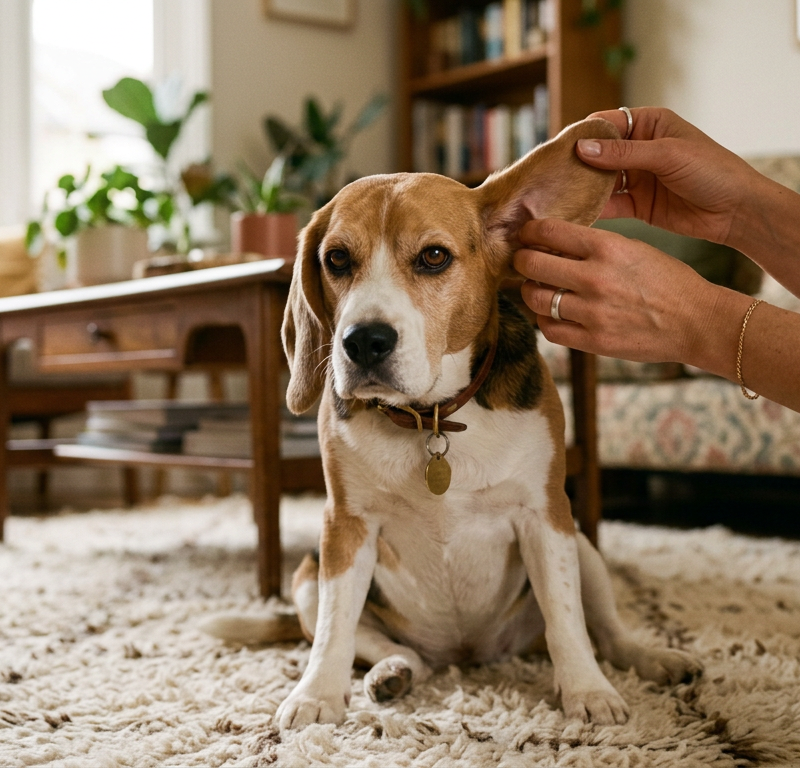
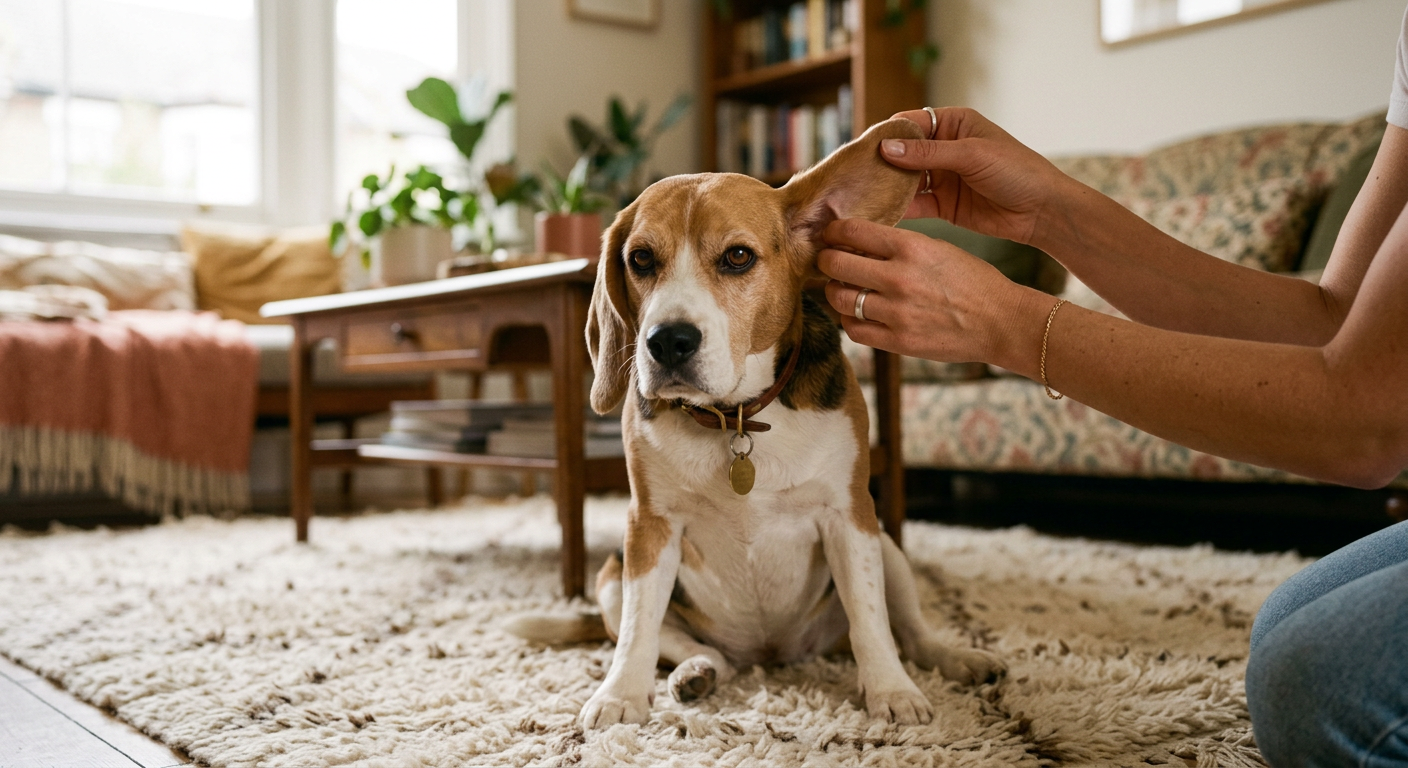
While you aren't a medical professional, you can perform a basic "nose-to-tail" check to look for physical signs of discomfort. Start by looking at their eyes; squinting or excessive blinking can indicate eye irritation. Check their gums as well—they should be a healthy bubblegum pink, not pale or deep red.
Pay close attention to your pet's breathing. Panting when it isn't hot or after minimal exercise is a common sign of discomfort in dogs. In cats, open-mouthed breathing is a more urgent sign that requires immediate professional attention. A faster respiratory rate while resting is another subtle clue that the body is working harder than usual.
Grooming Habits and Skin Changes
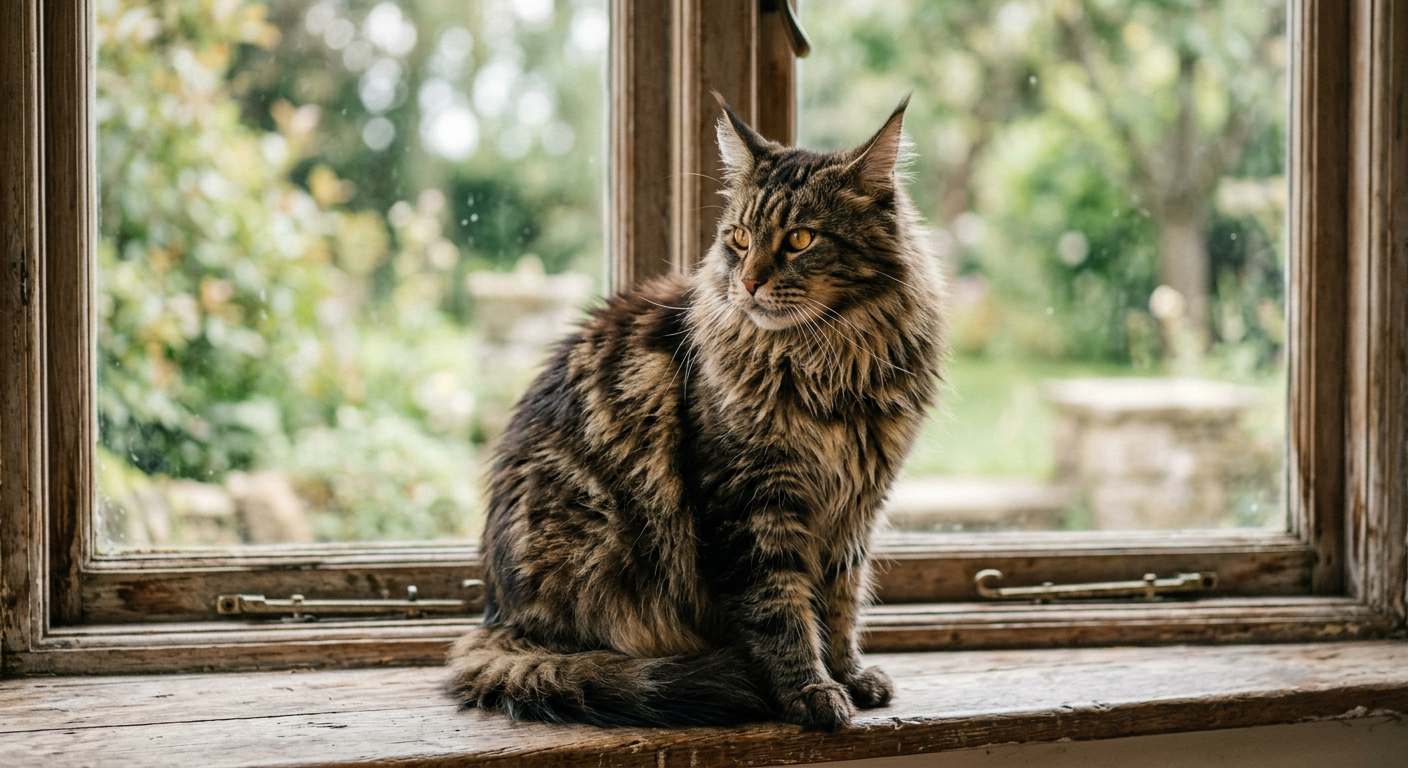
Cats are meticulous groomers, so a sudden lack of grooming (a "scruffy" coat) or over-grooming a specific area until it is bald are both red flags. In dogs, constant licking of the paws or the base of the tail often indicates either feline/canine allergies or localized irritation. Feel for any new lumps, bumps, or areas that feel warmer to the touch than the rest of their body.
Mobility and Gait
Watch your pet walk on a floor with good traction. Are they putting equal weight on all four paws? A slight limp might only be visible when they first wake up. Stiffness in the hind quarters is common in many breeds; comparing breeds like the Boxer vs Golden Retriever can show how different body types express mobility issues as they age.
Using Digital Tools to Monitor Pet Wellness
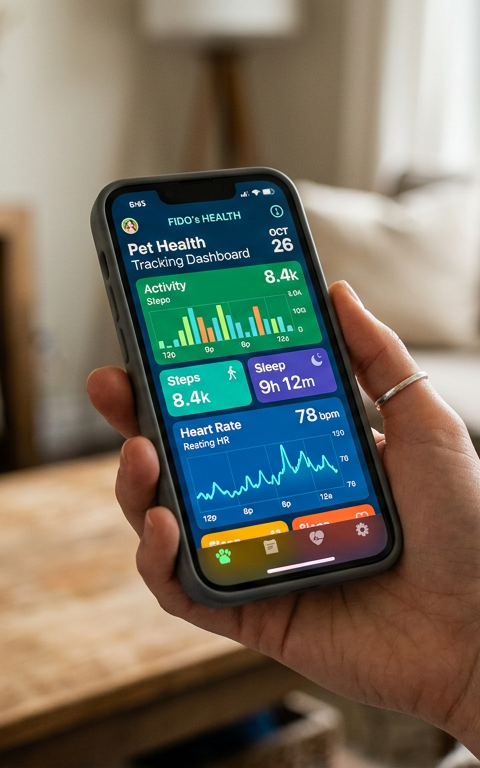
In the modern age, you don't have to rely solely on your own eyes. Technology has made it much easier to track and interpret what our pets are trying to tell us. Digital health logs and behavior trackers provide a bridge between home observation and professional veterinary care.
AI-driven tools can help you analyze specific symptoms or "awkward" movements by comparing them against thousands of known health data points. This doesn't replace a doctor, but it helps you decide how soon a visit is needed. To lean more about this, read our guide on how AI tools help pet owners read symptoms and behavior.
- Symptom Checkers: Input specific behaviors to see potential wellness categories.
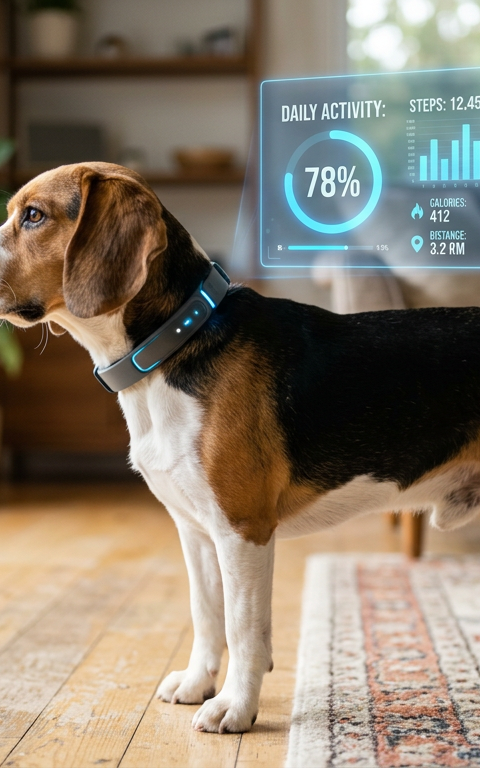
- Activity Trackers: Monitor if your pet is moving less throughout the day.
- Video Logs: Recording a strange behavior or gait to show your vet later is incredibly helpful.
- Nutrition Apps: Track calorie intake and weight fluctuations that might signal discomfort.

The Role of Appetite and Hydration
Food is a major motivator for most pets, so a change in eating habits is a primary way how to know if your pet is uncomfortable without a vet visit. A pet that skips one meal might just be picky, but refusing multiple meals or showing a sudden lack of interest in high-value treats is a signal that something is wrong.
Difficulty chewing or dropping food while eating can point toward dental sensitivity. Similarly, if your pet is drinking significantly more water than usual, it may indicate an underlying metabolic shift. Keep a mental or written log of how often you fill the water bowl to catch these trends early.
Digestive Consistency
It isn't the most glamorous part of pet ownership, but monitoring "output" is essential. Changes in stool consistency, frequency, or straining are all signs of gastrointestinal discomfort. If your pet is having accidents in the house after years of being perfectly potty-trained, this is often a physical cry for help rather than a behavioral slip-up.
When Professional Intervention Becomes Necessary
While home monitoring is helpful, there are certain "red line" symptoms that should always prompt an immediate call to your veterinarian. Understanding the difference between "wait and see" and "act now" is part of being a responsible pet parent. Always trust your intuition; you know your pet better than anyone else does.
- Persistent lethargy lasting more than 24 hours.
- Inability to keep down food or water.
- Visible trauma or deep wounds.
- Difficulty breathing or blue-tinted gums.
- Sudden disorientation or inability to walk.
If you are unsure, many clinics offer telehealth consultations where you can describe your observations and determine if an in-person exam is required. Being proactive with these wellness considerations ensures your pet lives a long, comfortable life by your side.
Conclusion
Success in how to know if your pet is uncomfortable without a vet visit comes down to consistency. By spending quality time with your pet and noting their typical habits, you become an expert in their unique language. Using a mix of physical checks, behavioral observation, and digital tools allows you to maintain a high standard of care between professional checkups.
Remember that your veterinarian is your partner in your pet's health. Your detailed observations are the most valuable tools they have to keep your furry friend thriving. Stay observant, stay curious, and always prioritize your pet's comfort as the foundation of your bond.