As technology continues to reshape our daily lives, many pet parents are discovering that digital innovation can offer meaningful support for their furry companions. Understanding your pet's needs often feels like a guessing game, but modern developments have introduced a more analytical approach. Learning how AI tools help pet owners read symptoms and behavior is the first step toward a more proactive wellness journey.
Artificial Intelligence provides a bridge between a pet's silent communication and a human's desire to help. These platforms analyze vast amounts of veterinary data to provide insights that might not be immediately obvious to the untrained eye. While these tools never replace professional veterinary expertise, they offer a powerful secondary resource for monitoring daily health and mood shifts.
By leveraging sophisticated algorithms, these technologies help identify patterns in how your dog or cat moves, eats, and interacts. This article explores the transformative role of AI in the pet care industry, highlighting how digital tools can enhance your relationship with your pet and streamline your visits to the veterinarian.
The Evolution of Pet Health Monitoring
Historically, monitoring a pet’s health relied entirely on a caregiver’s observation and memory. You might notice your Labrador Retriever is slowing down, but it is difficult to quantify that change over several months. AI changes this by providing a structured framework for recording and interpreting these shifts in real-time.
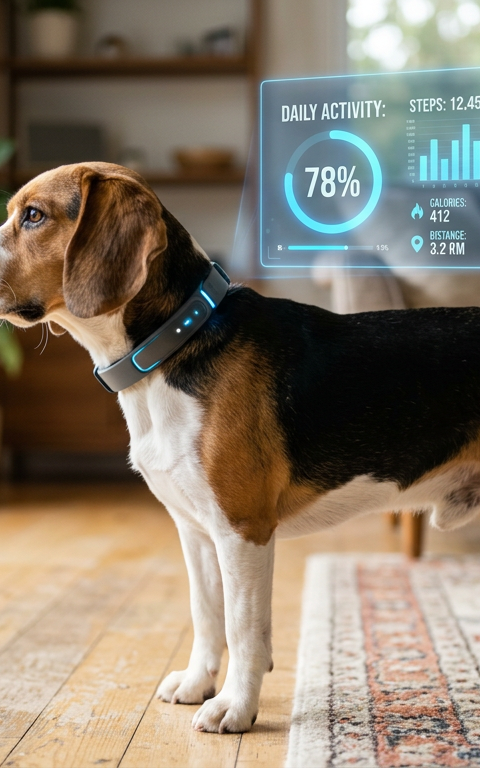
Modern pet tech has moved beyond simple calorie counters. We are now seeing the rise of "smart" collars and camera systems that use machine learning to recognize specific actions. Whether it is excessive scratching, frequent water consumption, or changes in sleep cycles, AI can flag these behaviors before they become obvious physical problems.
From Wearables to Visual Analysis
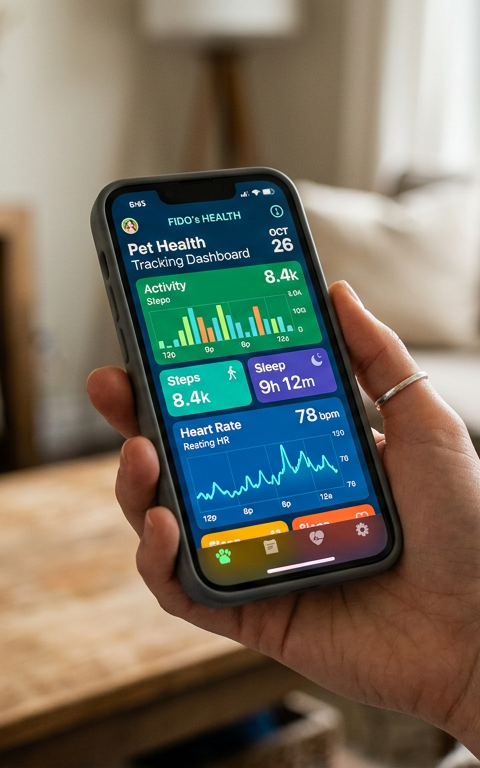
Wearable devices are perhaps the most common application of AI in pet care today. These gadgets collect biometric data and use algorithms to distinguish between normal resting and lethargy. If a dog’s activity level drops significantly over a week, the system can notify the owner to keep a closer eye on their pet's energy levels.
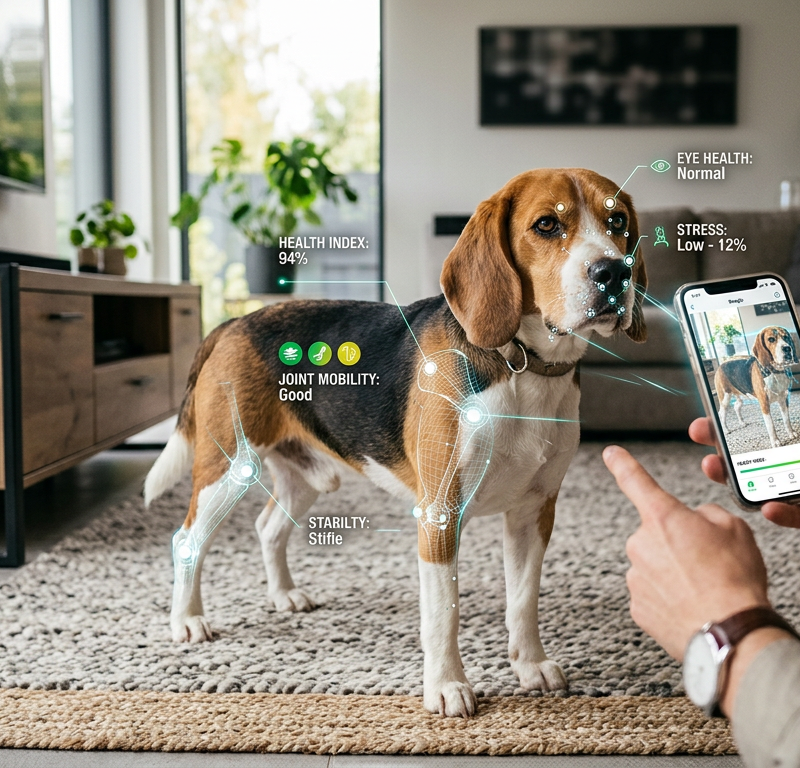
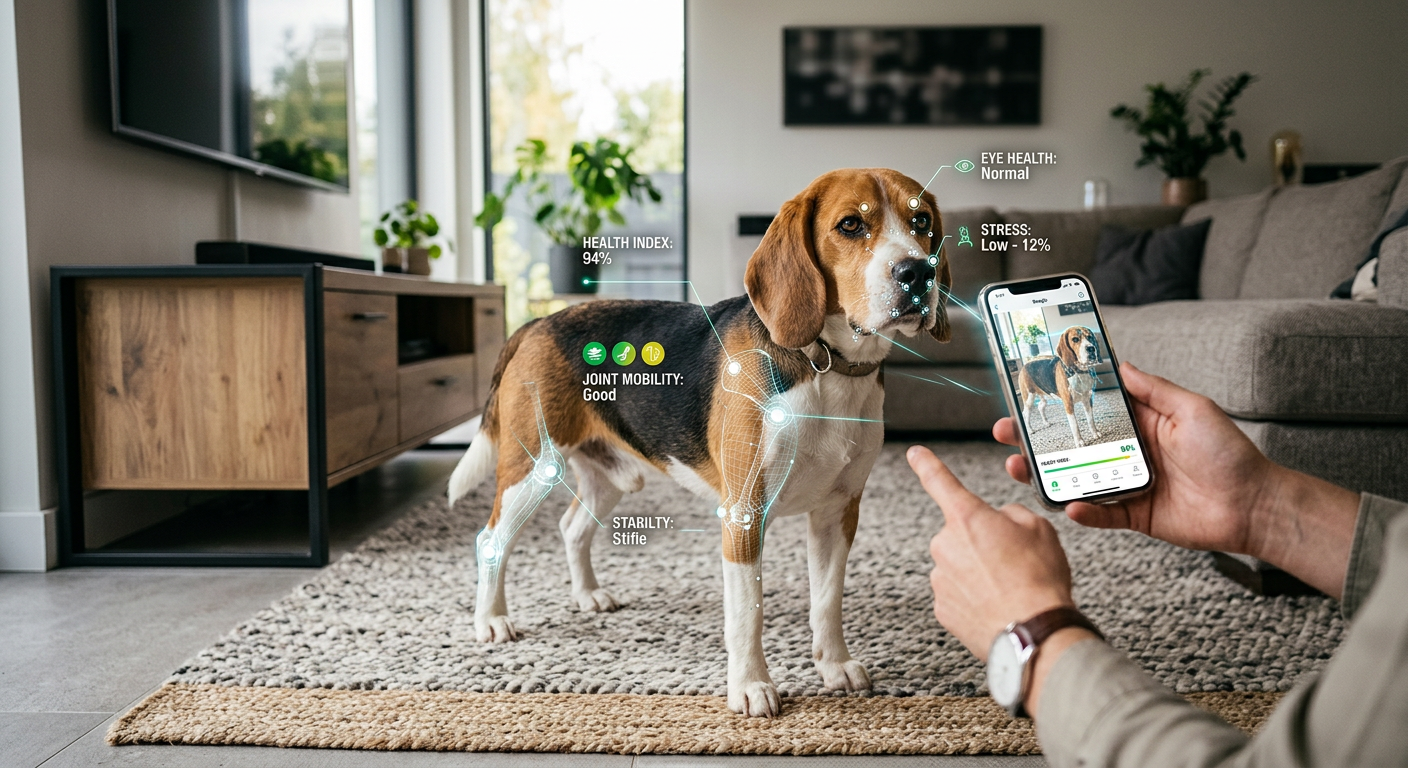
Visual AI is also making immense strides. By analyzing photos or short videos, some platforms can assess a pet’s body condition score or detect subtle changes in their gait. This visual data provides a historical record that you can share with your vet, offering a much clearer picture than a verbal description of "he's walking a bit funny."
How AI Tools Help Pet Owners Read Symptoms and Behavior Effectively
The core benefit of these tools lies in their ability to decode the "hidden" language of animals. Unlike humans, pets often instinctively hide their discomfort. AI tools help pet owners read symptoms and behavior by identifying microscopic changes in routine that might signal a need for a check-up.
For instance, an AI-powered camera might track how many times a cat visits the litter box. A sudden increase in frequency, even if the cat appears fine, could prompt a proactive consultation about urinary health. This type of early detection is the primary goal of integrating technology into the home environment.
Identifying Pain Indicators in Dogs and Cats
One of the most challenging aspects of pet ownership is knowing when a pet is in pain. AI systems are being trained on "Grimace Scales" for both dogs and cats. These tools analyze facial expressions, such as ear position and eye tension, to provide a probability of discomfort.
By capturing a photo of your pet through an app, you can receive an objective assessment of their "wellness pose." This helps remove the emotional bias that owners often have, allowing for a more logical approach to deciding when a veterinary visit is necessary. It is about adding a layer of data to your parental intuition.
Supporting Behavioral Wellness Through Pattern Recognition
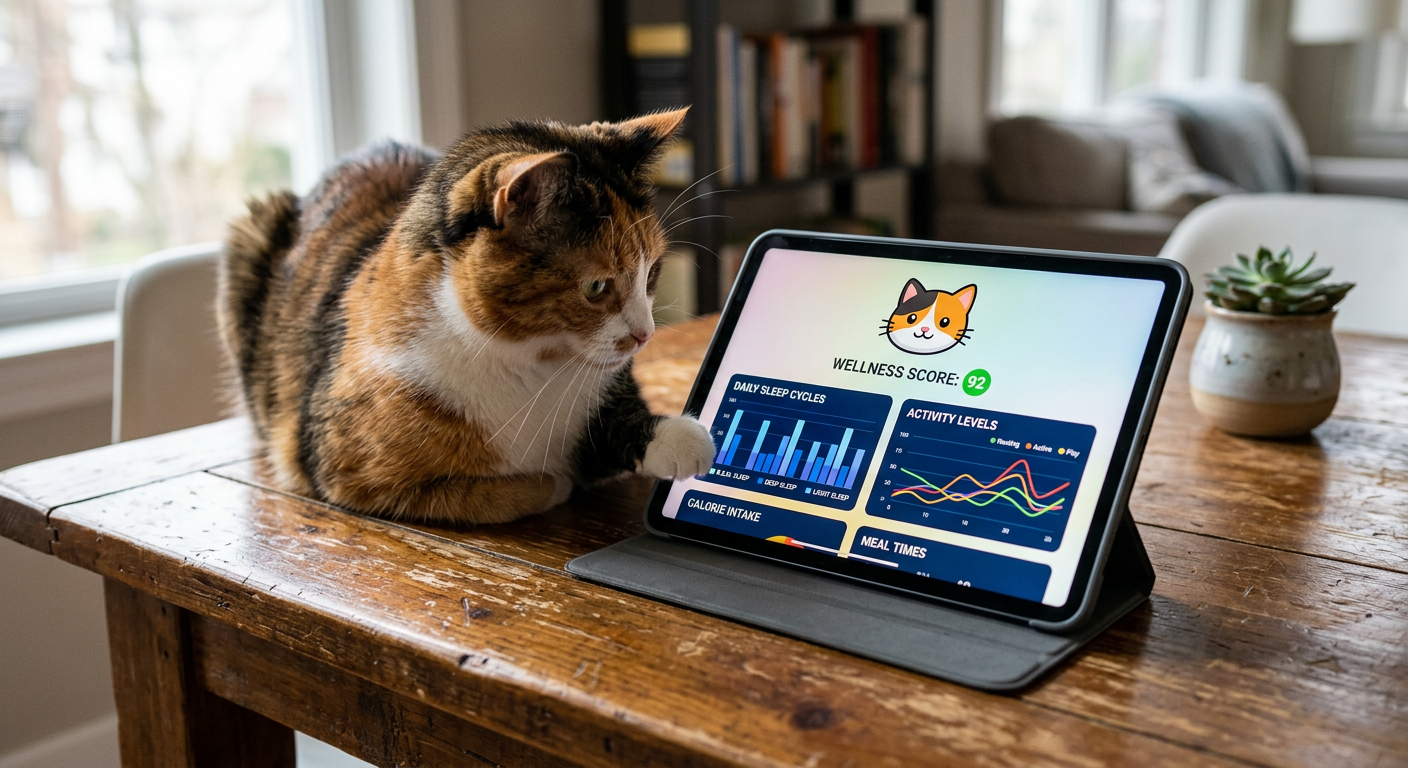
Behavior is often the first indicator of underlying wellness concerns. AI doesn't just look for physical illness; it monitors psychological well-being. For breeds known for specific temperaments, like the German Shepherd and Poodle, understanding what is "normal" for the individual versus the breed is crucial.
Machine learning models can learn your pet's specific "baseline." Once the tool knows your French Bulldog's typical snoring pattern or activity level, it can alert you to deviations. This personalized approach ensures that the alerts you receive are relevant to your specific animal, not just a generic standard.
Managing Separation Anxiety and Stress
AI tools are exceptionally helpful for pets that struggle with being alone. Smart cameras can now distinguish between a dog playing with a toy and a dog pacing due to anxiety. Some systems can even play soothing music or dispense a treat when they detect high-stress vocalizations.
Over time, these tools provide a detailed report on when your pet feels most vulnerable. You might discover that your pet is calm for the first three hours but becomes restless right before you return home. This data allows you to tailor your enrichment strategies and discuss specific behavioral interventions with a professional trainer.
The Benefits of Informed Veterinary Visuals
One of the largest hurdles in veterinary medicine is the "white coat effect," where pets act differently at the clinic than they do at home. AI helps bridge this gap by providing "at-home" data. When you walk into the clinic with a report of your pet's sleep quality and activity levels, you provide the vet with high-quality evidence.
- Accurate Timelines: Instead of saying "it started a while ago," you can show exactly when the behavior changed.
- Quantifiable Symptoms: Provide data on the exact number of coughs or trips to the water bowl.
- Visual Evidence: Show AI-flagged video clips of the specific behavior in the pet's natural environment.
- Trend Tracking: Monitor how a pet is responding to a new diet or medication over several weeks.
This level of detail allows veterinarians to make more informed decisions. It minimizes the need for "watchful waiting" because the tool has already done the watching for you. Ultimately, this leads to more efficient appointments and a more collaborative relationship between the owner and the vet.
Navigating the Future of Digital Pet Care
The integration of AI into pet care is a journey toward deeper understanding, not a replacement for human touch. As these technologies become more accessible, the focus remains on enhancing the bond between humans and their animals. When we understand what our pets are trying to tell us, we can provide a higher quality of life for them.
It is important to remember that while AI is incredibly helpful, it lacks the context of "love." A computer can tell you your dog is walking slower, but it cannot feel the warmth of your dog's head on your lap. Use these tools as a supportive guide to complement your attentive care and the professional advice of your local veterinarian.

Proactive Wellness in Your Daily Routine
Incorporating AI into your routine doesn't have to be overwhelming. Many owners start with simple apps that track feeding and exercise. As you become more comfortable, you can explore more advanced tools like symptom checkers and behavioral monitors. The key is to use the data to become a more observant and responsive pet parent.
Whether you are raising a young Golden Retriever or caring for a senior cat, technology offers a way to stay ahead of clinical signs. By learning how AI tools help pet owners read symptoms and behavior, you are investing in a future where your pet's needs are understood clearly and met with compassion.
In conclusion, the rise of AI in pet care represents a significant milestone in animal welfare. These digital assistants provide us with the eyes and ears we need to monitor our pets 24/7. While we must always rely on veterinary professionals for diagnosis and treatment, AI gives us the data we need to be the best possible advocates for our beloved companions.