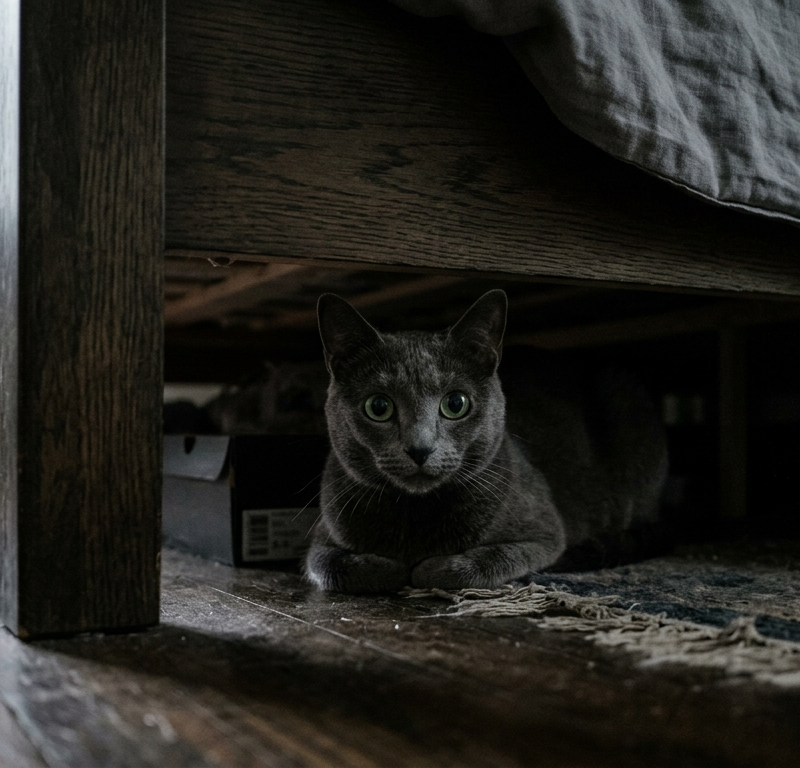
As a devoted pet owner, you know your companion's routines by heart. You know the exact sound of their paws on the hardwood and the specific way they nudge your hand for attention. When those patterns change and you find yourself wondering what does it mean when a pet hides when unwell, it can feel confusing and worrisome. This behavior is one of the most common ways animals communicate that they are not feeling their best.
Hiding is a deeply rooted instinct that transcends the domestic life of our modern dogs and cats. While our homes are safe environments, our pets still carry the survival blueprints of their wild ancestors. Understanding why they seek out dark corners or under-bed retreats is the first step in providing the gentle care they need during a period of recovery or discomfort.
The Evolutionary Reason Behind Hiding
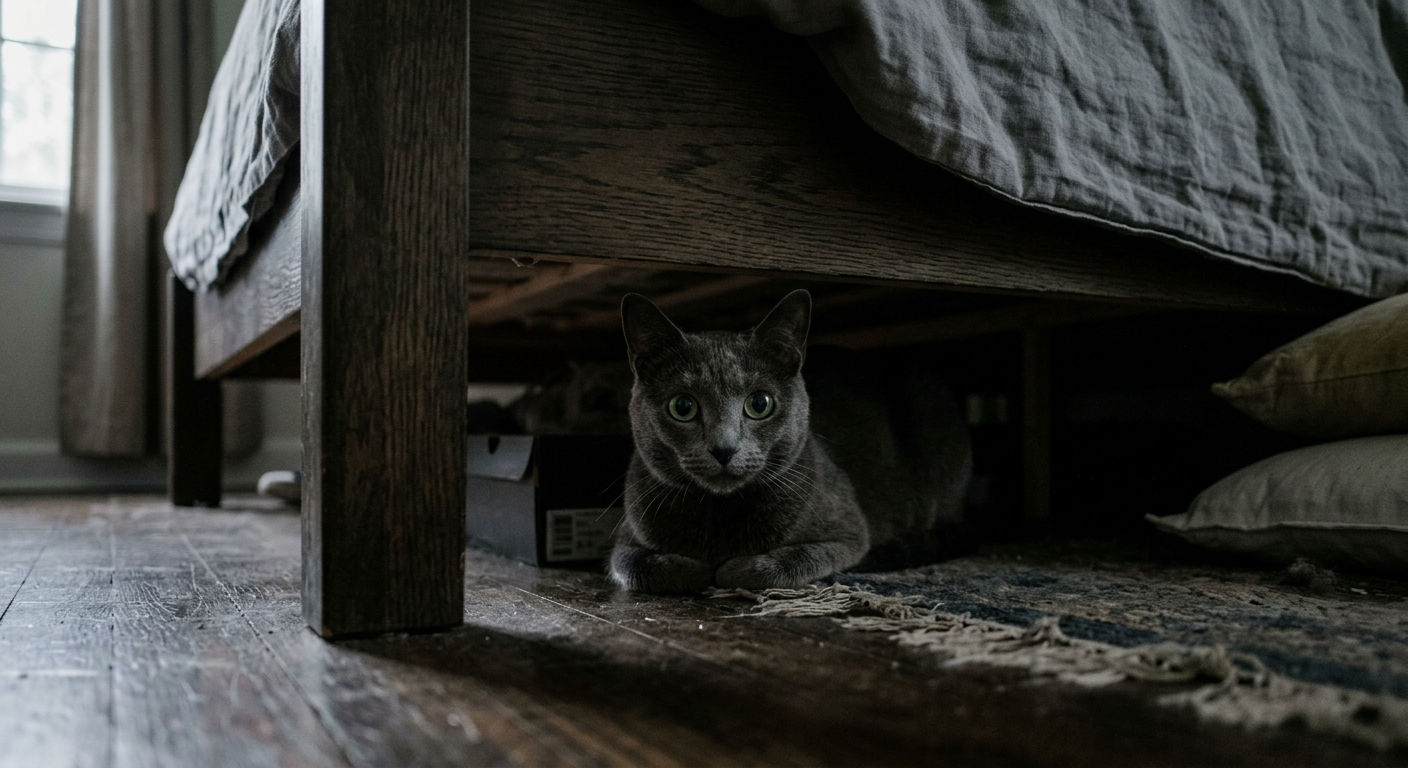
To understand why a sick pet retreats, we have to look at their history. In the wild, a wounded or ill animal is vulnerable to predators. By finding a secluded, "den-like" space, an animal minimizes its visibility and protects itself from potential threats while its body focuses on healing. Even though your living room is predator-free, your pet’s brain is still wired to prioritize safety when their physical defenses are lowered.
The Conservation of Energy
When a pet feels poorly, their body redirects all available energy toward the immune system or the healing of an injury. Engaging in social interaction, play, or even standing up can be exhausting. Choosing a quiet, hidden spot allows them to rest undisturbed, ensuring that every ounce of physical resources goes toward getting better.
A Need for Sensory Deprivation
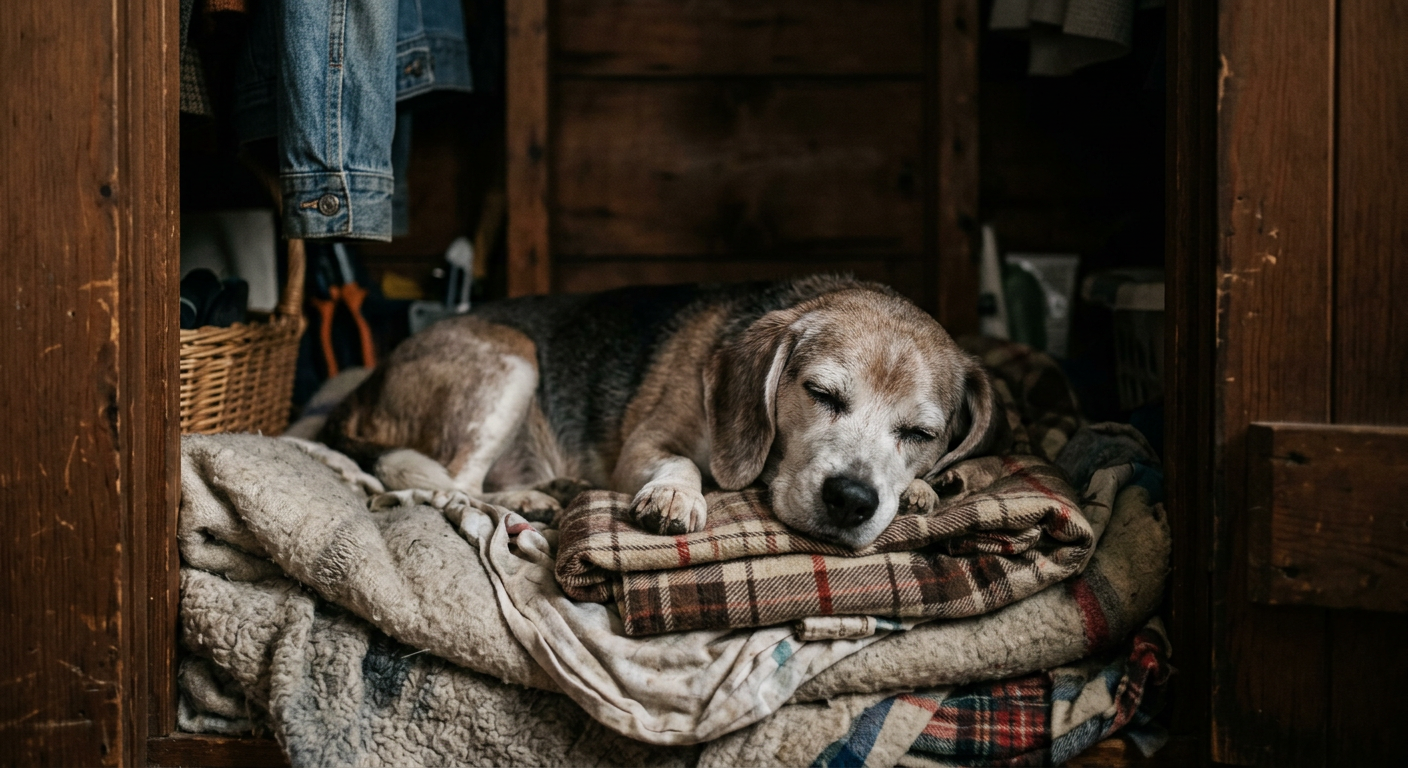
Often, being unwell comes with increased sensitivity to light, sound, and touch. A busy household with bright lights and television noise can be overwhelming for a nauseous dog or a cat with a headache. A dark closet or the space behind a sofa provides a sensory-neutral zone where they can find relief from the overstimulation of daily life.
Signs Your Pet is Using Hiding as a Symptom
It is important to distinguish between a pet who just enjoys a cozy nap and one who is hiding due to a health concern. If your cat usually sleeps on the windowsill but is suddenly tucked behind the washing machine, this shift in baseline behavior is a significant indicator. You might also notice subtle changes in their body language when they are unwell, such as a tucked tail or flattened ears.
- Changes in Appetite: Refusing treats or skipping meals alongside hiding is a major red flag.
- Altered Grooming Habits: Cats might stop grooming, resulting in a matte coat, while dogs might excessively lick a specific area.
- Lethargy: A total lack of interest in toys or greeting you at the door.
- Vocalizations: Unusual growling or meowing when you approach their hiding spot, indicating they want to be left alone.
If you notice these signs in a senior dog, it can be helpful to check their relative age to see if age-related discomfort might be a factor. For example, you can use our Labrador Retriever age calculator to better understand their life stage and common wellness considerations for that breed.
Common Wellness Considerations Linked to Hiding
While only a veterinarian can provide a formal diagnosis, several common issues often lead to this reclusive behavior. Gastrointestinal upset, such as nausea or abdominal discomfort, is a frequent culprit. Pets often feel vulnerable when their stomach is unsettled and will seek a quiet place to wait out the feeling.
Chronic Discomfort and Joint Issues
In older pets, osteoarthritis or general joint stiffness can make moving around the house painful. They may choose a spot and stay there simply because the effort of getting up and down is too much. Monitoring how they settle into their hiding spot can give you clues about their mobility levels.
Internal Stressors
Sometimes the "illness" isn't a physical pathogen but an emotional or neurological one. High levels of anxiety or cognitive dysfunction in older pets can lead to a desire to retreat. This is where AI tools for pet symptoms can be incredibly useful, helping you track the frequency and duration of these episodes to share with your vet.
How to Support Your Hiding Pet
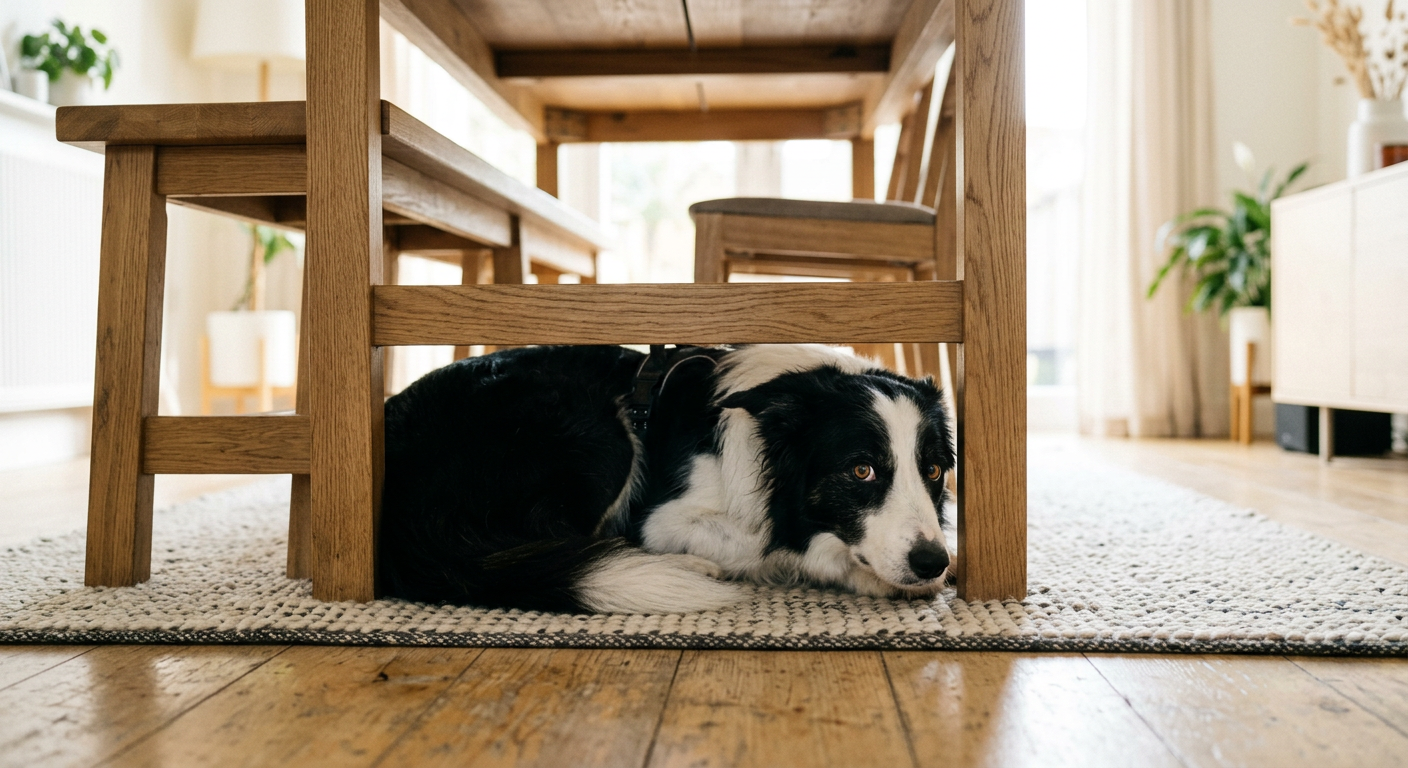
When your pet is tucked away, your first instinct might be to pull them out and cuddle them. However, if they are hiding because they are unwell, this might create more stress. Instead, try to bring the comfort to them. Ensure their water bowl is nearby and that the area is kept at a comfortable, warm temperature.
If you have multiple pets, you might need to limit access to the hiding area so the convalescing pet isn't bothered by curious siblings. If you are debating between two breeds and want to know which might be more prone to certain behaviors, you can compare the French Bulldog and Poodle to see how their temperaments and health profiles differ.
When to Consult Your Veterinarian
Hiding should never be ignored if it lasts longer than 24 hours or is accompanied by acute symptoms like vomiting, labored breathing, or a complete refusal of water. Because pets are masters at masking discomfort, the act of hiding is often their way of telling us something is wrong before more obvious signs appear. Working with a professional ensures that underlying issues are addressed before they become more serious.
For more insights on monitoring your pet's health at home, check out our guide on using a pet symptom checker to stay proactive about their wellness.
Conclusion
Understanding what does it mean when a pet hides when unwell helps you become a more empathetic and effective caregiver. By recognizing this behavior as a natural instinct for protection and rest, you can provide the quiet environment they need to recover. Always observe their behavior closely and reach out to your veterinarian to ensure your furry friend receives the professional care they deserve.