
Our pets are masters at living in the moment, but they are also experts at hiding when they don't feel their best. Learning how to read my pet body language when unwell is one of the most rewarding skills you can develop as a pet owner. Because dogs and cats cannot tell us where it hurts, they rely on subtle physical cues and shifts in posture to communicate their needs.
Understanding these silent signals allows you to provide proactive care before a minor issue becomes more serious. While every animal is an individual, certain universal signs often point toward physical discomfort or a change in health. By observing your pet's daily routines and physical stance, you can become a better advocate for their well-being.
Recognizing Subtle Changes in Posture
The way your pet holds their body is often the first indicator of their internal state. A happy, healthy pet usually appears loose, fluid, and relaxed. When a pet feels under the weather, their muscles may tense, and their overall silhouette may change.
The Hunched or Tucked Position
In both dogs and cats, a "hunched" back—where the spine curves upward—can be a sign of abdominal discomfort or back issues. Cats, in particular, may sit in a "loaf" position but with their head lowered and shoulders bunched, which differs from their usual relaxed nap pose. If you notice your dog tucking their tail tightly between their legs or keeping their hindquarters low to the ground, it may indicate they are trying to protect a sensitive area.

Weight Shifting and Unusual Stance
Watch how your pet stands when they are eating or looking out a window. Are they putting more weight on one side? Are their legs splayed wider than usual? Subtle limping or a reluctance to put weight on a specific paw are clear indicators, but sometimes the sign is as quiet as a dog shifting their weight back and forth while standing still. Comparing your pet's current movement to their younger years using a Labrador Retriever age calculator can sometimes help put mobility changes into perspective.
Facial Expressions and Eye Contact
The face tells a story of its own. While we often look for obvious signs like discharge or redness, the "expression" of the face is equally important. A pet who is feeling unwell often has a focused, "tight" look around the eyes and mouth.
- The Squinty Look: Frequent blinking or holding one eye partially closed can indicate irritation or corneal issues.
- Fixed Gaze: A pet staring blankly into space or at a wall may be experiencing cognitive changes or significant discomfort.
- Muzzle Tension: Look for "grimacing," where the lips are pulled back slightly or the nose is wrinkled without a clear external trigger.
- Third Eyelid Exposure: In cats, seeing the haw (the third eyelid) at the corner of the eye often signals they are not feeling 100%.
Ears also play a role. A dog whose ears are usually perky but are now held out to the sides (often called "airplane ears") may be showing signs of stress or malaise. Similarly, a cat with ears pinned back or rotated outward is likely experiencing some level of irritation or physical unease. You can read more about interpreting these signals in our guide on how to know if your pet is uncomfortable.
Behavioral Shifts and Social Withdrawal
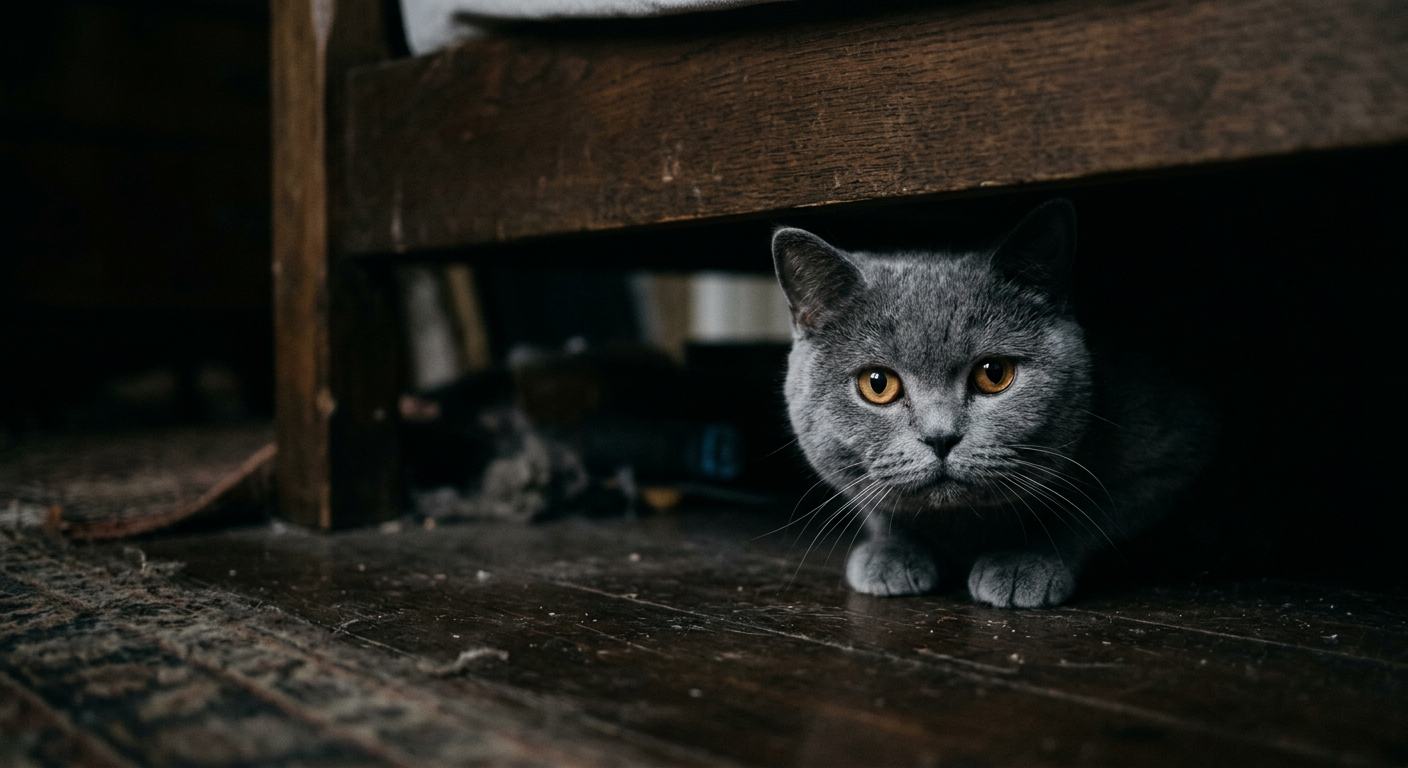
When investigating how to read my pet body language when unwell, it is vital to look at behavioral context. Many pets instinctively seek solitude when they feel vulnerable. If your social butterfly dog is suddenly sleeping in a dark closet, or your affectionate cat is hiding under the bed, take note.
Changes in Interaction
Does your pet still greet you at the door? Do they still enjoy their favorite toy? An "unwell" pet often loses interest in the activities that usually bring them joy. This isn't laziness; it's a way for the body to conserve energy for healing. If you find yourself wondering why your pet's personality seems to have shifted, it's always worth a consultation with your veterinarian to rule out underlying causes.
Aggression or Irritability
Even the gentlest pet can become "cranky" when they are in pain. If your dog growls when you touch a specific spot, or your cat nips when you pick them up, they aren't being "bad." They are using their body language to say, "Please don't touch that; it hurts." This is a defensive mechanism that helps them protect a sensitive area of the body.
Breathing Patterns and Resting Habits
Monitoring how your pet breathes while at rest is one of the most effective ways to gauge their health. A resting pet should breathe slowly and effortlessly. If you see their chest or abdomen moving forcefully, or if they are "panting" while the house is cool, this is a significant cue.
The "Orthopneic" Position
This is a specific posture where a pet stands or sits with their elbows pointed outward and their neck extended. It is an attempt to make breathing easier. If you see this, it is an immediate signal that your pet needs professional evaluation. It is quite different from a standard "play bow" or a normal stretch.
Sleep Disruptions
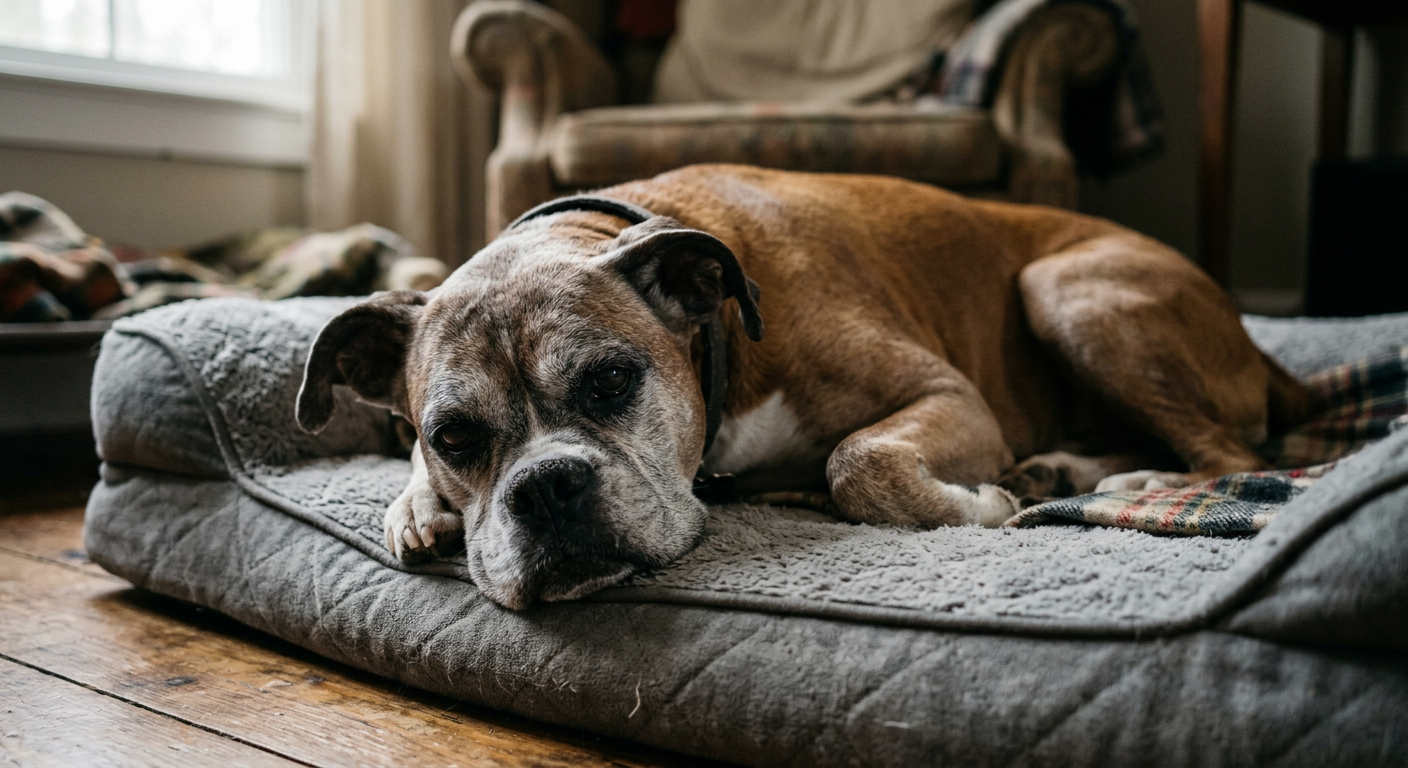
An unwell pet may have trouble settling down. You might see them circling their bed repeatedly, lying down only to get back up a minute later, or frequently changing positions. This restlessness often suggests they cannot find a comfortable way to rest their body. On the flip side, excessive lethargy—where it is difficult to wake the pet for a walk or meal—is also a major indicator of poor well-being.
Using Technology to Aid Observation
Sometimes the changes in our pets are so gradual that we don't notice them day-to-day. This is where modern tools can be incredibly helpful. Using a free online pet symptom checker can help you organize your observations and decide on the next steps for your pet's care.
AI-driven tools are especially good at identifying patterns. By inputting the specific body language cues you've noticed—like the squinting eyes or the hunched back—you can get a better sense of what your pet might be trying to tell you. This technology serves as a bridge between your intuition and the specialized knowledge of a veterinary professional.
Conclusion
Learning how to read my pet body language when unwell is a journey of observation and love. By paying attention to their posture, facial expressions, and social habits, you create a deeper bond with your companion. Remember that you know your pet better than anyone else. If your "gut feeling" says something is off based on their movements or stance, trust that instinct and reach out to your veterinarian. Providing proactive care starts with being a mindful observer of the quiet language our pets speak every day.