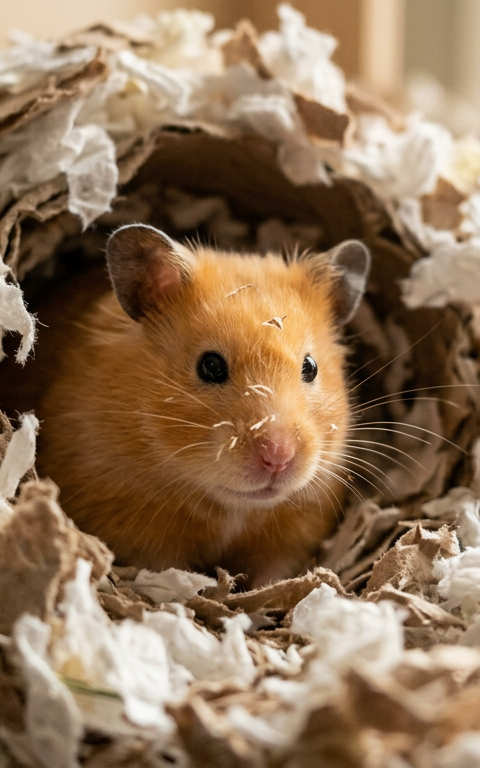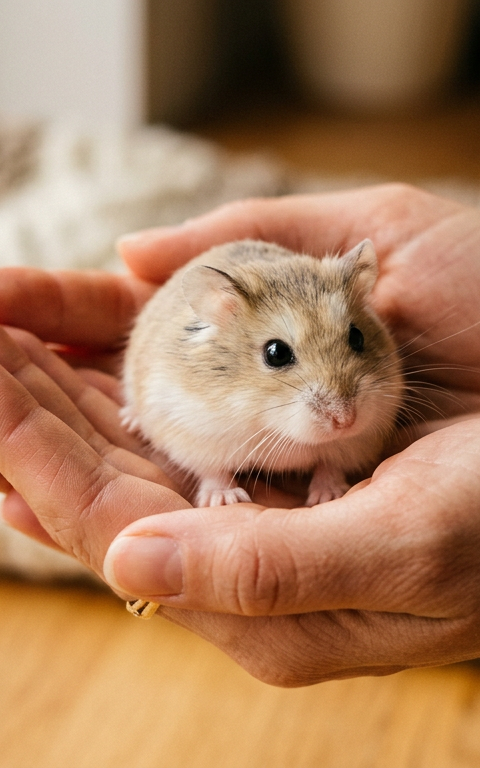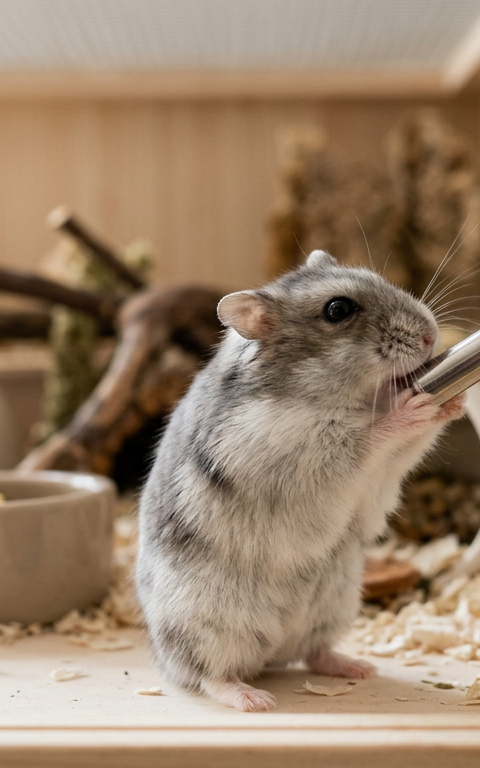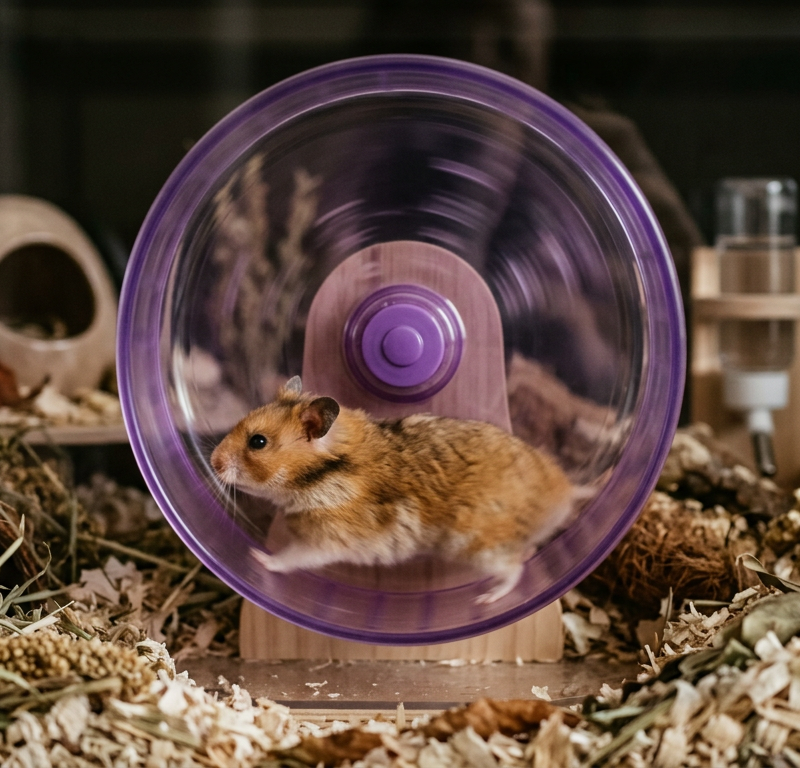
If you have recently brought a new furry friend into your home, you might be surprised by the sheer amount of noise coming from their enclosure after the sun goes down. Many new owners find themselves asking: is a hamster running wheel all night normal behavior? The short answer is a resounding yes. Hamsters are high-energy creatures with a biological drive to cover vast distances, and the wheel is their primary outlet for this natural instinct.
Understanding why your pet is so active while you are trying to sleep can help you bond with them and ensure their environment meets their physical needs. While the constant rhythmic pitter-patter might seem excessive to us, it is a sign of a healthy, motivated hamster. In this guide, we will explore the science behind this nocturnal marathon and how to manage the activity for a peaceful household.
The Biology of the Nocturnal Runner
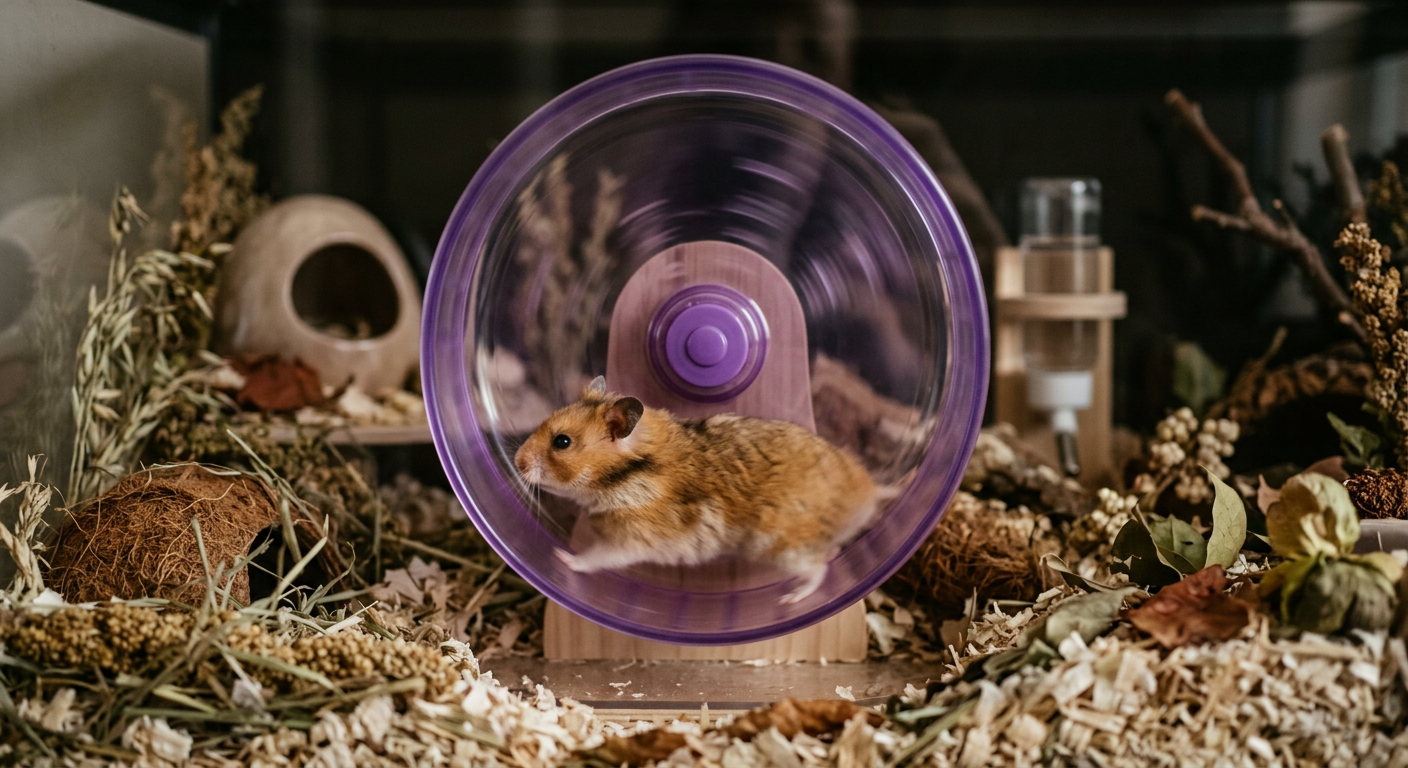
To understand why your hamster is obsessed with their wheel, we have to look at their wild ancestors. In their natural habitats, such as the deserts of Syria or the steppes of Central Asia, hamsters are foragers. They must travel long distances every single night to find seeds, grains, and insects to bring back to their burrows. A wild hamster can easily travel up to five miles in a single evening.
Domestic hamsters carry these same genetic blueprints. Even though their food is provided in a ceramic bowl just inches away, their brains are hardwired to move. When a hamster runs on its wheel for hours, it isn't just playing; it is fulfilling a primal biological necessity. This intense drive is why your small pet seems to have endless stamina once the lights go out.
Crepuscular and Nocturnal Habits
Most hamster species are nocturnal or crepuscular, meaning they are most active during the night or twilight hours. Their eyes are sensitive to light, and their natural defense mechanism is to stay hidden during the day when predators are most active. This schedule often puts them at odds with human sleep patterns. If you notice your hamster biting their cage in addition to running, it may be a sign they are seeking even more stimulation during their peak hours.
Is a Hamster Running Wheel All Night Normal for Health?
Veterinarians and animal behaviorists agree that consistent wheel running is a vital indicator of a hamster's well-being. A stationary hamster is often more concerning than an active one. If you ever find your hamster sitting still and not moving for extended periods during their usual active time, it may be worth a wellness check with a vet.
Running provides several health benefits for your pet:
- Cardiovascular health: Just like humans, hamsters need aerobic exercise to keep their hearts strong.
- Weight management: Hamsters are prone to obesity, especially with a diet rich in seeds and treats. The wheel burns off those extra calories.
- Mental stimulation: Boredom can lead to repetitive behaviors or "stereotypies." The wheel keeps their minds engaged.
- Stress reduction: Running allows hamsters to expend nervous energy, which can help prevent aggression or cage restlessness.
Choosing the Right Wheel for Safety and Silence
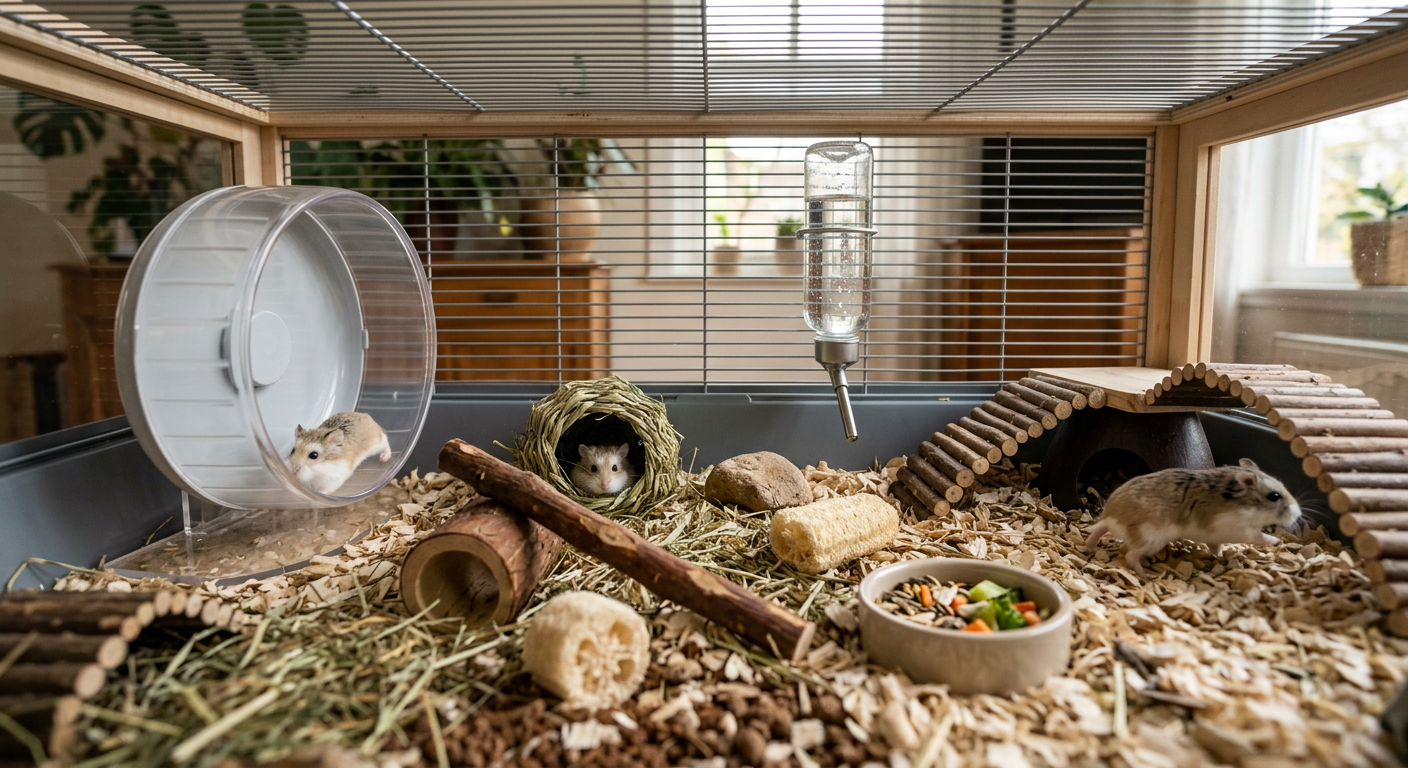
Since your pet will be spending a significant portion of their life on this piece of equipment, choosing the right model is critical. A poor wheel choice can lead to injuries or unwanted noise that disrupts your sleep. When selecting a wheel, size is the most important factor. If the wheel is too small, the hamster’s back will arch unnaturally, which can cause long-term spinal issues.
The Importance of a Solid Surface
Avoid wheels made of wire mesh or bars. These "ladder-style" wheels can cause a painful condition called bumblefoot or lead to broken limbs if a leg gets caught between the rungs. Always opt for a solid-surface plastic or wooden wheel. These provide a safe, flat running path that protects those delicate paws.
Quiet Technology for Light Sleepers
If the sound of the hamster running wheel all night normal activity is keeping you awake, you don't have to remove the wheel. Modern "silent" wheels utilize ball-bearing technology to reduce friction and noise. These are a fantastic investment for owners who keep hamsters in bedrooms or shared living spaces. Additionally, ensuring the wheel is properly lubricated with a drop of vegetable oil can silence a squeaky axle.
When Should You Be Concerned?
While high activity levels are standard, there are rare instances where running habits might change. If your hamster goes from running miles every night to suddenly stopping, it could indicate an underlying wellness consideration. Check for signs of "wet tail," a serious digestive issue. You can learn more about early signs of wet tail to stay proactive about their health.
Conversely, if a hamster is running so much that they are losing weight or neglecting to eat and drink, they may be experiencing high levels of stress. Ensure their cage is in a quiet area during the day so they can get the 12-14 hours of sleep they require. A well-rested hamster is a happy runner.
Supplementing the Wheel with Other Activities
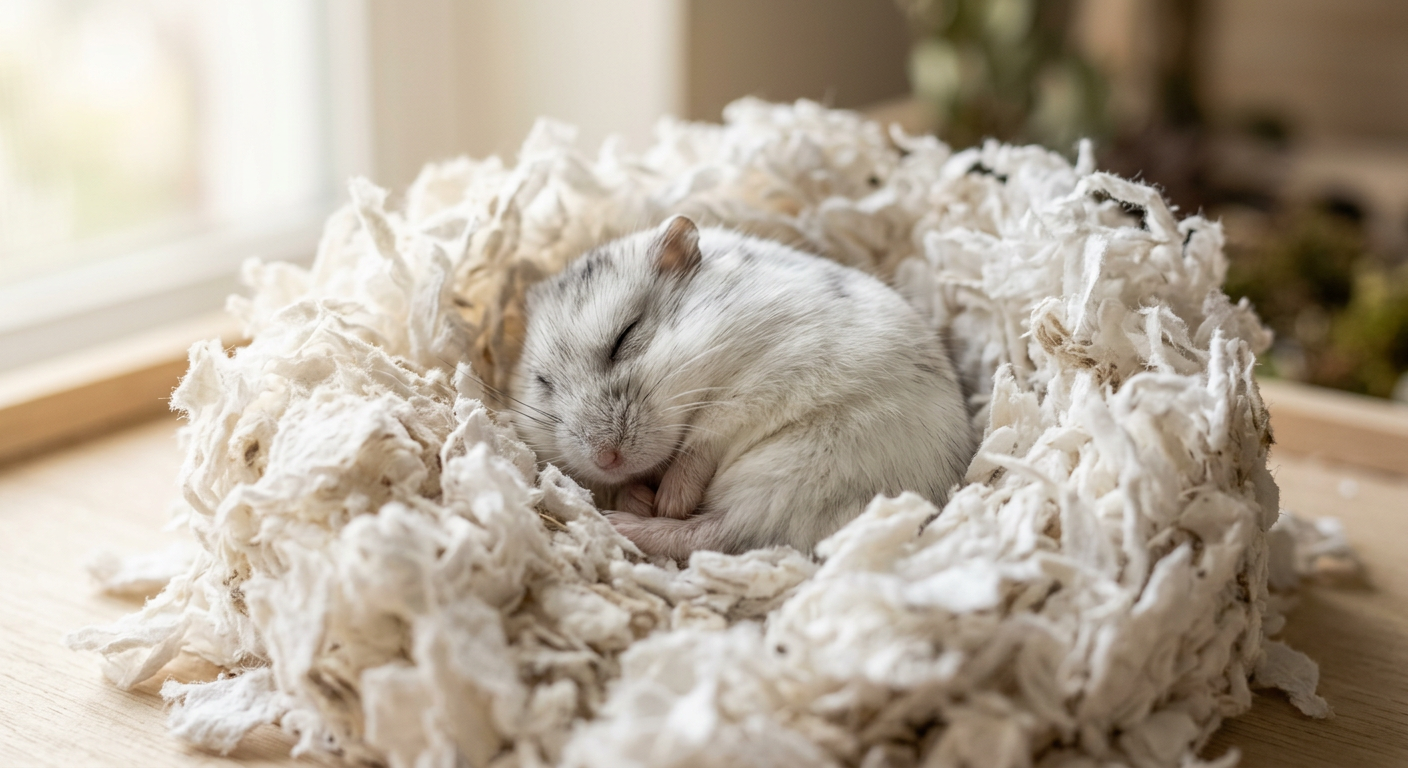
Although the wheel is the primary source of exercise, variety is the spice of life for a rodent. You can help your hamster burn off energy in other ways to balance out their nightly runs. Providing deep bedding (at least 6-10 inches) allows them to engage in burrowing, which is another excellent form of physical exertion.
Scatter feeding is another great technique. Instead of putting all their food in a bowl, hide pieces of grain and seeds around the enclosure. This encourages the foraging behavior they would normally do in the wild. You can even watch them as your hamster stuffs their cheeks to transport the found treasures back to their nest. This mental engagement can actually make their wheel time more focused and productive.
Creating a Safe Play Space
If you want to bond with your pet during their active hours, consider a secure playpen. This allows them to explore a larger area outside their cage under supervision. It provides a different type of sensory input—new smells, textures, and heights—that a wheel simply cannot replicate. Just be sure the area is "hamster-proofed" so they cannot slip under furniture or chew on electrical cords.
Conclusion
At the end of the day, seeing your hamster running wheel all night normal behavior should give you peace of mind. It means your pet is healthy, energetic, and following their natural instincts. These tiny athletes are built for distance, and providing them with a safe, silent, and appropriately sized wheel is the best gift you can give them.
By understanding their nocturnal nature and providing a stimulating environment, you ensure your hamster lives a long, active life. If you ever have concerns about their energy levels or physical condition, always reach out to an exotic animal veterinarian for professional advice. Happy running!