As the temperatures drop and the days grow shorter, you may notice your small companion spending significantly more time beneath the substrate. If you see your hamster burrowing more than usual in winter, it is often a natural response to the changing environment. These industrious rodents are hardwired to adapt to seasonal shifts, even when they live in the comfort of your home.
Understanding these subtle shifts in behavior is key to ensuring your pet remains healthy and happy. While domestic hamsters do not experience the harsh wilderness, their biological clocks still respond to ambient light and temperature changes. This guide explores why this behavior occurs and how you can support your pet's seasonal adjustments.
Seasonal Instincts and Natural Insulation
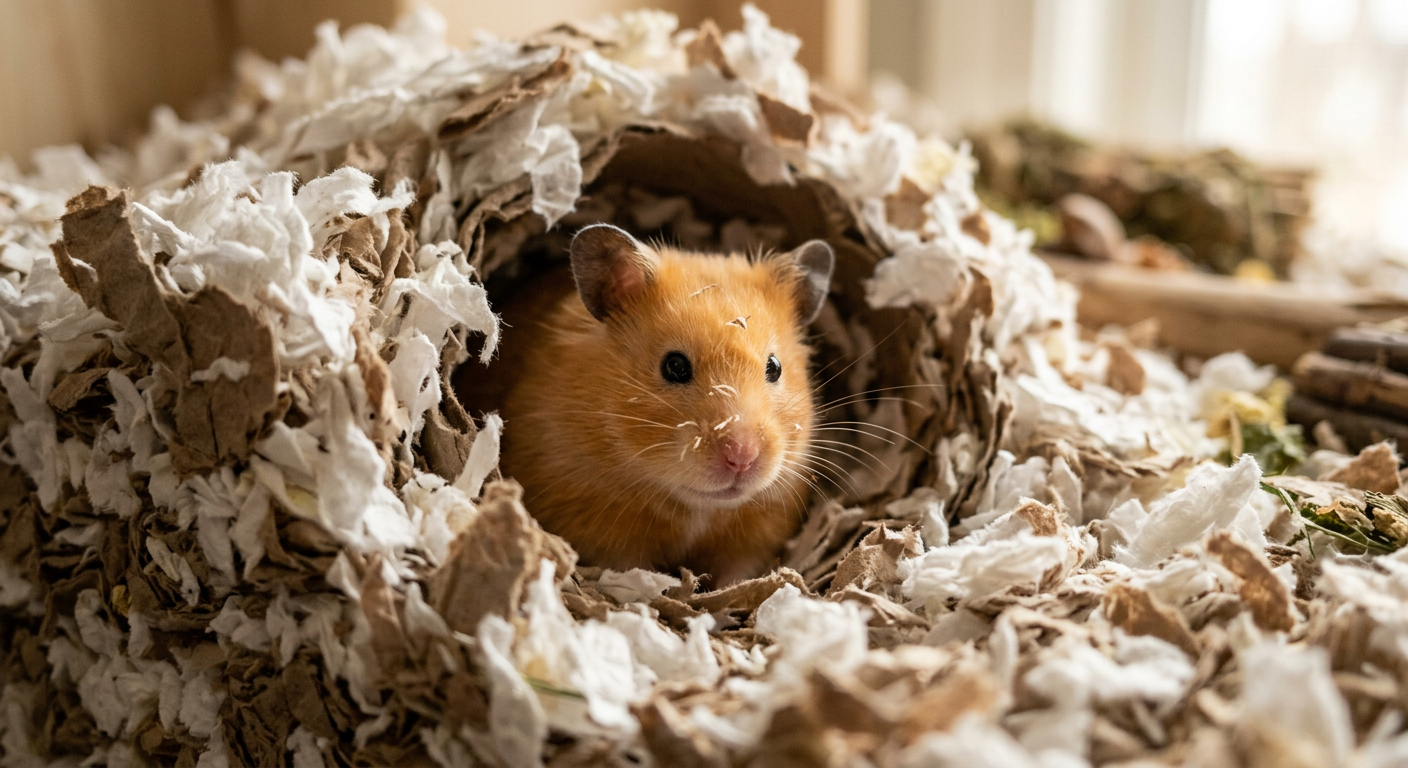
In the wild, hamsters are master excavators. When winter approaches, their primary goal is temperature regulation. Soil acts as a natural insulator, and by digging deep into the earth, they can escape the biting frost of the surface. Your pet carries these same instincts, even if their cage is kept in a climate-controlled room.
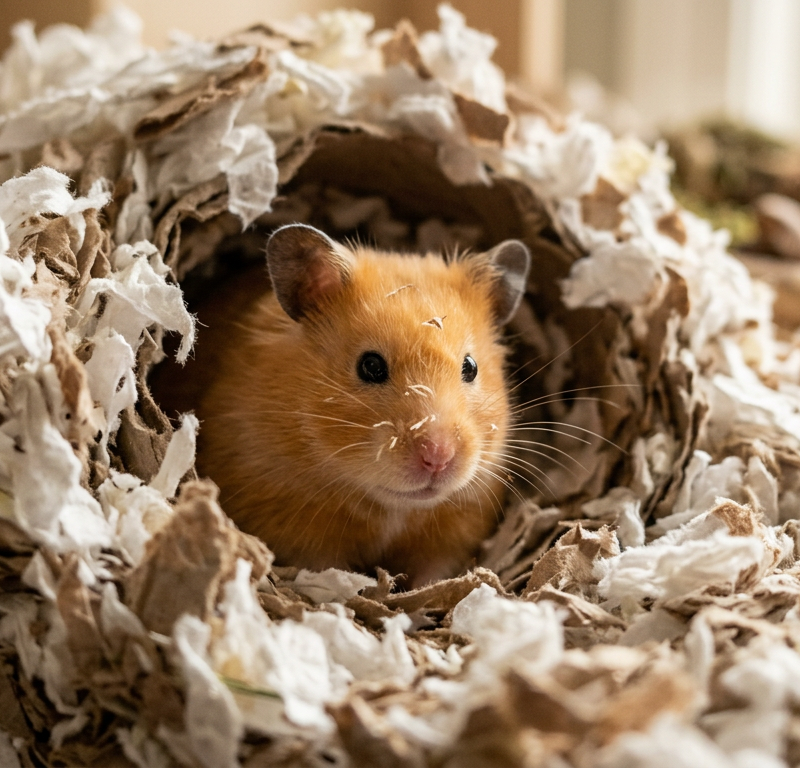
When a hamster senses a dip in temperature, their first instinct is to create a more substantial thermal barrier. By piling up bedding and creating deep tunnels, they trap their own body heat more effectively. This behavior is a proactive way for them to stay cozy without needing external heat sources.
The Role of Light and Circadian Rhythms
It isn't just the cold that triggers increased digging. The reduced hours of daylight during winter months signal to a hamster's brain that resources may become scarce. This often leads to a surge in nesting activity as they prepare a secure "winter headquarters."
If you notice your pet is also changing their activity levels, you might be interested in learning about hamster running wheel all night patterns to see how their energy levels fluctuate. Often, a hamster that burrows more may spend slightly less time on the wheel, focusing instead on home improvement.
Creating the Perfect Winter Habitat
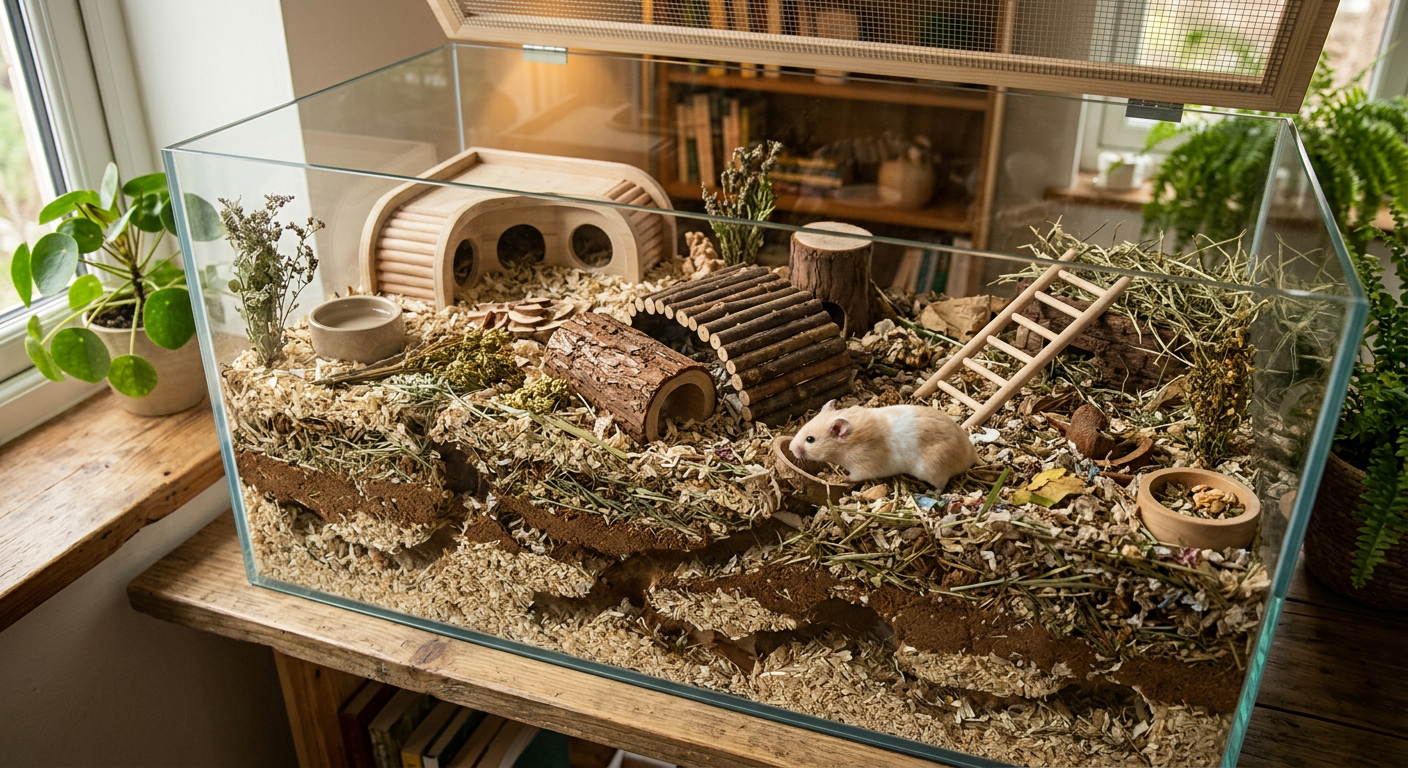
To support a hamster burrowing more than usual in winter, you should evaluate the depth and type of bedding you provide. Providing ample material allows them to express their natural behaviors fully, which reduces stress and promotes wellness. A deep layer of substrate is one of the kindest gifts you can give your pet during the colder months.
We recommend providing at least 6 to 10 inches of bedding. This depth allows for stable tunnel structures that won't collapse. When the hamster feels secure in their tunnels, they are less likely to experience seasonal anxiety. Consider mixing different textures, such as paper-based bedding and soft hay, to help the burrows hold their shape.
- Use unscented paper bedding for maximum warmth and softness.
- Add layers of orchard grass or timothy hay to reinforce tunnel walls.
- Provide extra nesting material, like shredded plain white paper towels.
- Avoid cotton "fluff" as it can be dangerous if ingested or caught on limbs.
Energy Conservation and Food Hoarding
During winter, you might notice your pet becoming a bit more "thrifty" with their resources. A hamster burrowing more than usual in winter is often also busy building a massive larder. In their underground chambers, they will store seeds, grains, and pellets to ensure they have food within reach without having to leave their warm nest.
This behavior is closely linked to other interesting traits. For instance, if you see your pet stuffing cheeks then emptying them in a specific corner of their burrow, they are likely organizing their winter stores. It is a sign of a very healthy and prepared hamster.
Monitoring Weight and Health
While increased nesting is normal, keep a gentle eye on your pet's weight. A healthy winter hamster should maintain a steady weight. If they are burrowing so much that you rarely see them, try to perform a "wellness check" every couple of days by offering a favorite treat to lure them out. This ensures they are staying active and hydrated.
Distinguishing Between Nesting and Torpor
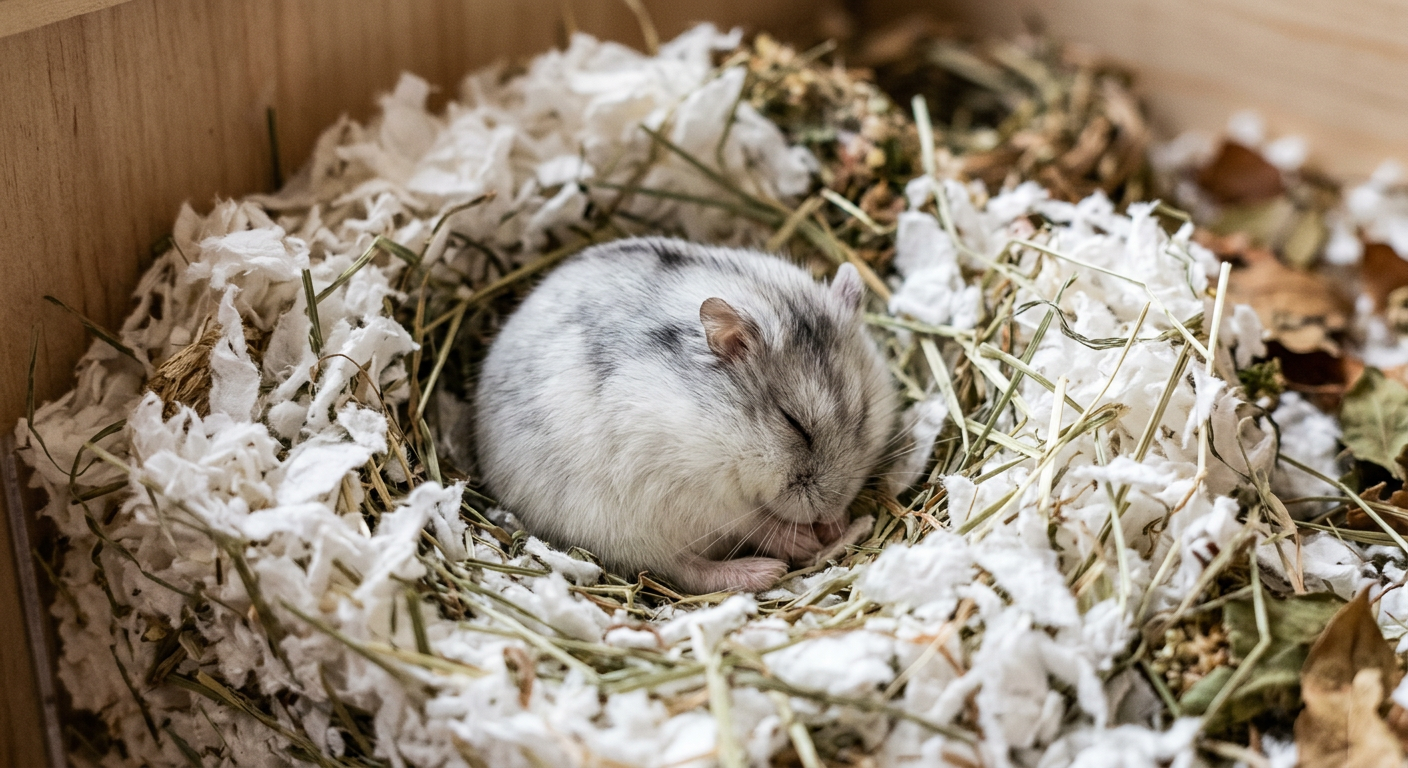
One common concern for owners when they see a hamster burrowing more than usual in winter is the risk of torpor. Torpor is a sleep-like state that domestic hamsters enter if they become too cold. It is not a true hibernation and can be quite taxing on their little bodies. Deep burrowing is actually a way hamsters prevent themselves from entering this state.
If your hamster is tucked away in a deep burrow but emerges normally for food and water, they are simply enjoying their winter nest. However, if you find your hamster sitting still not moving but breathing and they feel cold to the touch, they may be in torpor. In such cases, you should slowly warm them up and consult a veterinarian immediately.
Signs of a Healthy Winter Burrower
How do you know if your pet is just being a cozy winter bug? Look for these positive signs:
- They emerge at night to use their wheel or explore.
- They are still eating their regular portions and drinking water.
- Their coat remains thick, shiny, and clean.
- They show interest in high-value treats like sunflower seeds or mealworms.
Tips for Maintaining a Warm Environment
While the burrow provides great insulation, you can help by maintaining a consistent temperature in the room where your hamster lives. Ideally, the room should stay between 65°F and 75°F (18°C to 24°C). Avoid placing the cage near drafty windows, doors, or directly in front of heating vents which can cause dehydration.
If the room is naturally chilly, you can move the cage to a more central area of the house. You can also cover part of the cage with a heavy blanket at night to help retain heat, ensuring there is still plenty of ventilation. By supporting their natural desire to burrow, you are helping them navigate the winter months with ease and comfort.
In conclusion, seeing your hamster burrowing more than usual in winter is a fascinating glimpse into their natural instincts. It shows that your pet is attuned to the seasons and is taking proactive steps to stay comfortable. By providing deep bedding, plenty of food for hoarding, and a draft-free environment, you can ensure your furry friend has a wonderful, cozy winter season. If you ever have concerns about their activity levels or health, always reach out to a specialized exotic veterinarian for guidance.