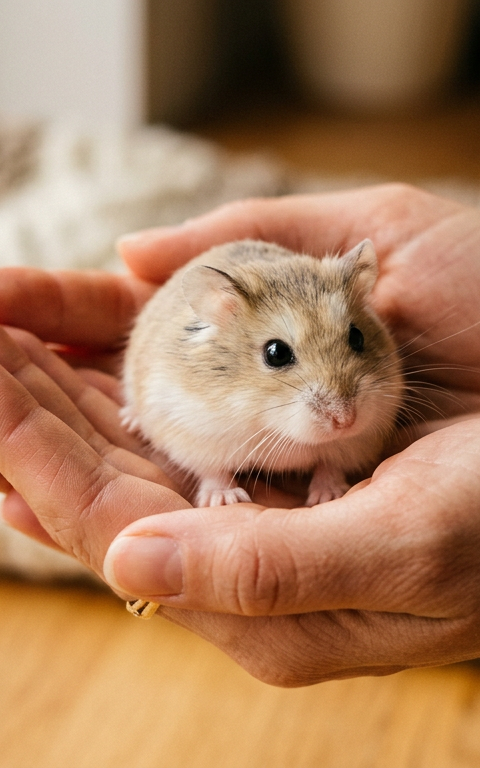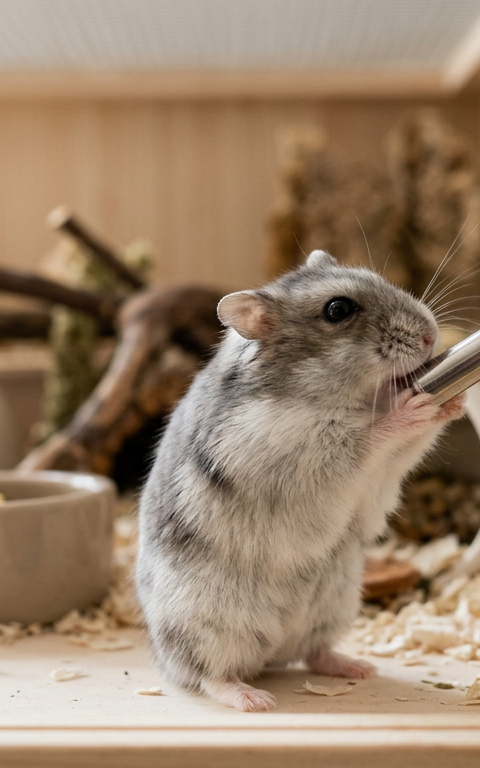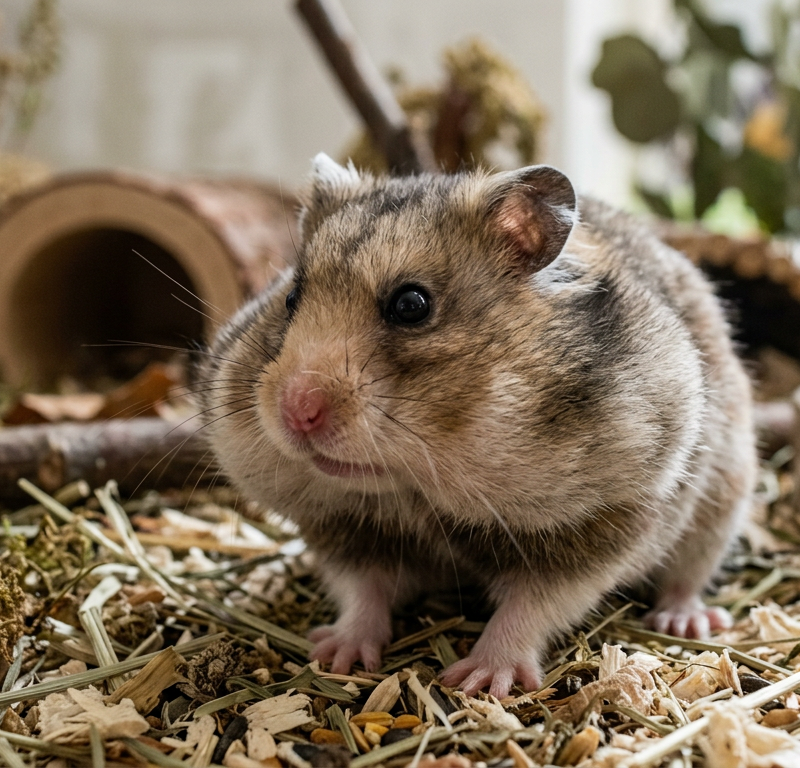
One of the most captivating behaviors to witness in a pet hamster is their incredible ability to expand their faces. You might see your hamster stuffing cheeks then emptying them in a rhythmic cycle, turning their sleek profile into a round, lumpy ball in seconds. This behavior is a fundamental part of being a hamster, rooted deeply in their evolutionary history as desert-dwelling foragers.
When you observe your small friend packing every available sunflower seed into their face, you are watching a sophisticated biological mechanism at work. While it looks amusing, this process is essential for their sense of security and well-being. Understanding why they do this can help you provide a better environment for your pet.
The Anatomy of the Hamster Pouch
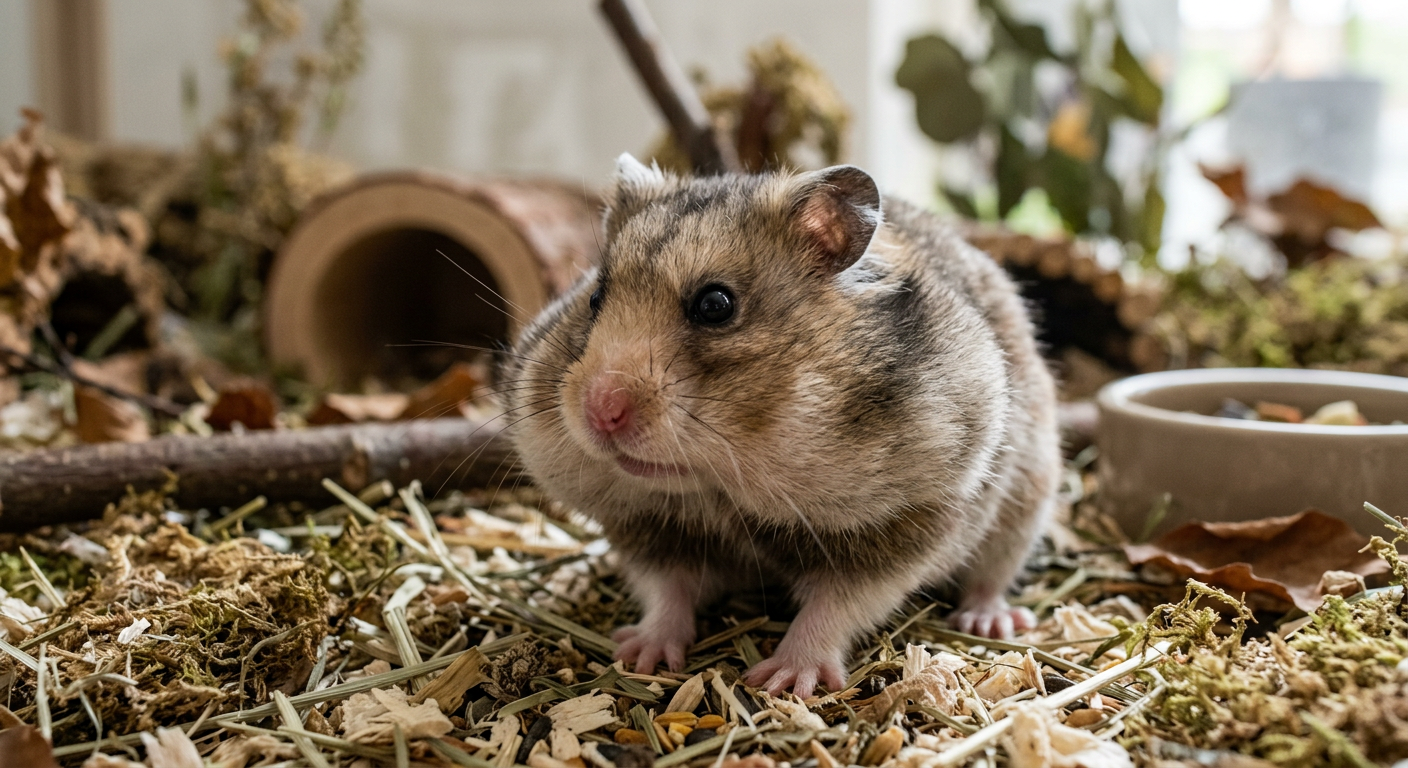
Hamsters possess specialized oral cavities known as buccal pouches. These pouches are essentially pockets of skin that extend from the jaw all the way back to the shoulders. Unlike human cheeks, these pouches do not contain salivary glands, which helps keep the stored food dry and prevents it from spoiling quickly during transport.
These pouches are incredibly elastic. A hamster can carry a significant percentage of its own body weight in its cheeks. This allows them to minimize the time they spend out in the open, where they would be naturally vulnerable to predators in the wild. By stuffing their cheeks quickly, they can gather a large amount of food and retreat to a safe location to process it.
How Muscles Control the Pouches
The movement of food into and out of the pouches is controlled by specialized retractor muscles. When a hamster finds a food source, it uses its front paws and tongue to guide items into the openings. Once the pouches are full, the hamster returns to its burrow or a favorite hiding spot to begin the emptying process.
To empty the pouches, the hamster uses its front paws to massage the outside of its cheeks, pushing the food forward toward the mouth. This "unloading" process is often just as rapid as the stuffing process. You might notice your hamster looks quite different once they have emptied their stores, suddenly appearing much smaller and more agile.
Why Hamsters Hoard and Move Food
The primary reason for hamster stuffing cheeks then emptying them is the instinct to hoard. In the wild, food sources are unpredictable and can be far apart. A hamster survives by creating "caches" or hidden treasure piles of food within their burrows. This ensures they have a steady supply even when the weather is poor or predators are nearby.
Even in the safety of a domestic cage, these instincts remain powerful. Your hamster isn't just "eating"; they are "managing resources." You might notice they empty their cheeks in a specific corner of their cage or inside their sleeping hut. This is their way of creating a pantry, which provides them with a profound sense of security.
- Resource Management: Ensuring food is available during sleeping hours.
- Scent Marking: Food moved in pouches often carries the hamster's scent, marking the territory as theirs.
- Nesting Preparation: Sometimes cheeks aren't full of food, but soft bedding material for a new nest.
- Safety Instincts: Keeping food in a private "safe zone" rather than an exposed bowl.
Common Items Hamsters Stuff in Their Cheeks
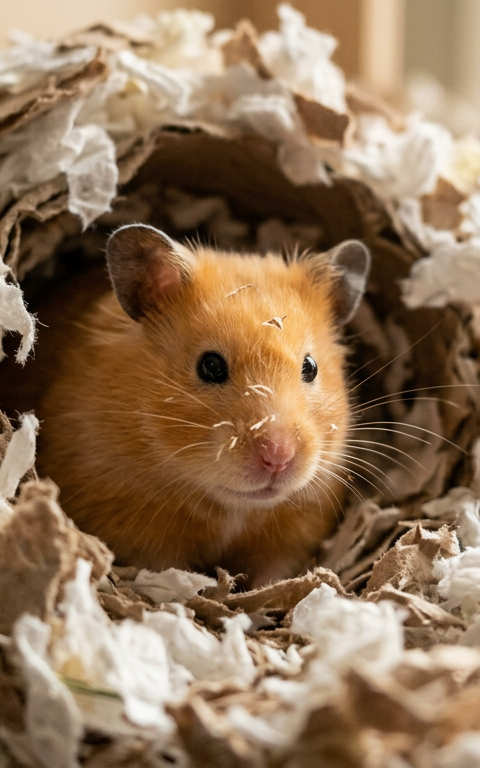
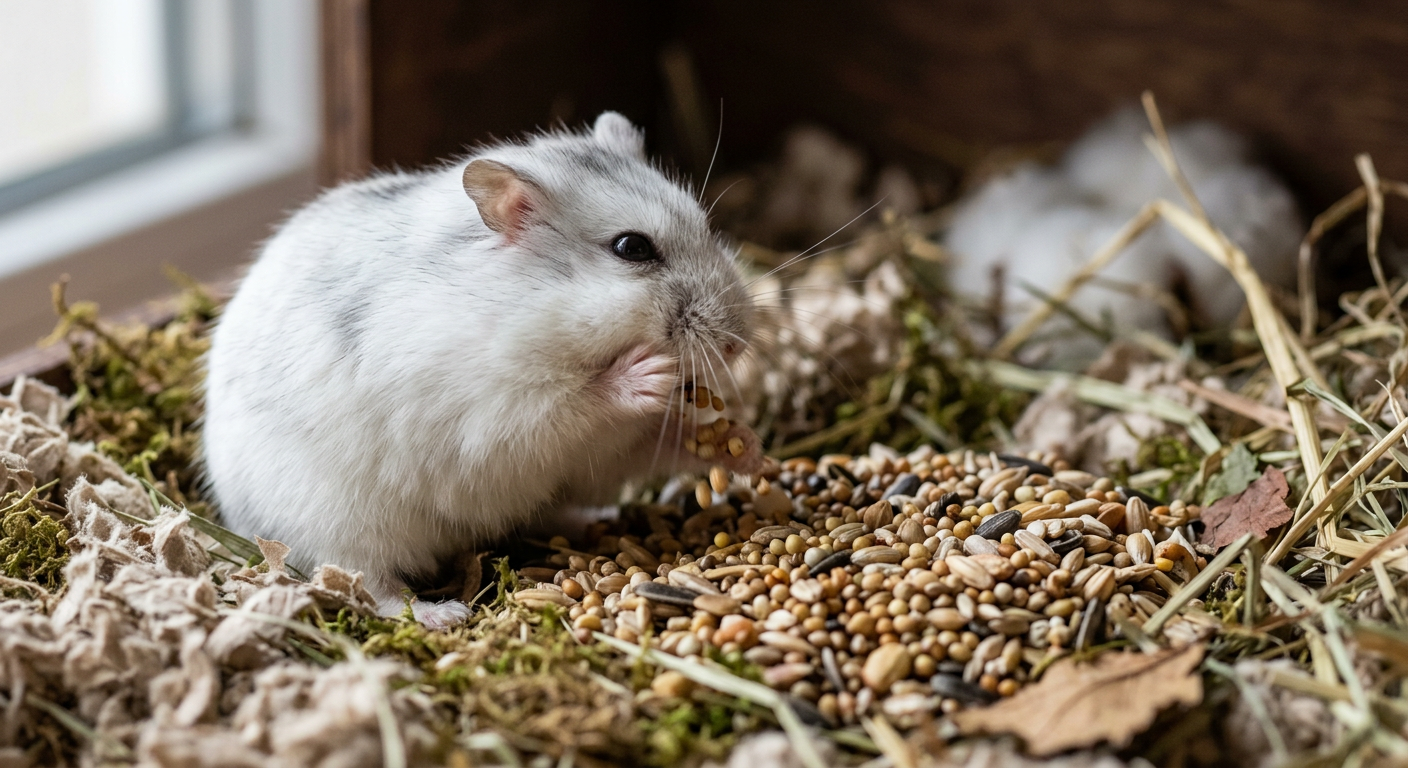
While food is the most common cargo, hamsters are surprisingly versatile in what they choose to transport. As a responsible owner, it is important to monitor what they are picking up to ensure their safety. Soft materials, like shredded paper or hay, are frequently stuffed into pouches to be moved to a nesting site.
Sometimes, hamsters will attempt to stuff objects that are too large or sharp. While their cheek skin is tough, it is not invincible. If a hamster tries to pouch something with sharp edges, it can lead to internal scratches or "impacted" pouches where the item gets stuck. Always ensure the treats and bedding you provide are pouch-safe.
If you enjoy watching your hamster's natural behaviors, you might also be interested in other unique habits. For instance, if you ever see your hamster sitting still not moving but breathing, it is often a sign of deep focus or a reaction to a new sound, much like their focused hoarding behaviors.
The Emotional Comfort of a Full Pantry
For a hamster, a full cheek pouch and a subsequent hidden pile of food represent a high quality of life. When you clean your hamster's cage, it is tempting to throw away these hidden food piles. However, doing so can actually be quite stressful for your pet. They have worked hard to gather that "wealth."
Instead of removing the entire hoard, try to only remove perishable items like fresh vegetables or fruits that might mold. Leave the dry seeds and grains behind if they are clean. This respects the hamster's hard work and keeps their stress levels low. A hamster that feels their hoard is constantly "stolen" may become more anxious and spend more time frantically stuffing their cheeks.
Wellness Considerations for Cheek Pouches
While the cycle of stuffing and emptying is normal, there are a few wellness signs to watch for. Rarely, a hamster may develop "pouch impaction," which occurs when sticky food (like honey-coated treats) or large objects get stuck. This prevents the hamster from emptying the pouch, which can lead to inflammation.
Signs of a potential issue include a cheek that remains "full" for several days, a foul odor coming from the mouth, or a hamster that stops eating. If you notice a persistent lump that doesn't go away after the hamster has had time to retreat to their nest, it is best to consult a veterinarian. They can safely flush the pouch and check for any irritation.
Just like larger pets, hamsters have specific needs based on their age and size. While we often think about breed sizes for dogs, such as the Siberian Husky or the Shih-Tzu, hamsters also have unique life stages that affect their activity levels and hoarding habits. Maintaining a consistent environment helps them thrive throughout their lives.
Conclusion
Watching your hamster stuffing cheeks then emptying them is a wonderful window into their wild ancestors' lives. It is a sign of a healthy, active pet engaging in its most natural instincts. By providing a variety of safe foods and bedding, and respecting their hidden hoards, you support their mental and physical wellness.
As you bond with your tiny companion, remember that these small behaviors are what make hamsters such unique and rewarding pets. Providing a safe space for them to "empty" their treasures ensures they feel right at home in your care. Always keep an eye on their pouches as part of your regular wellness checks to ensure they stay happy and healthy.