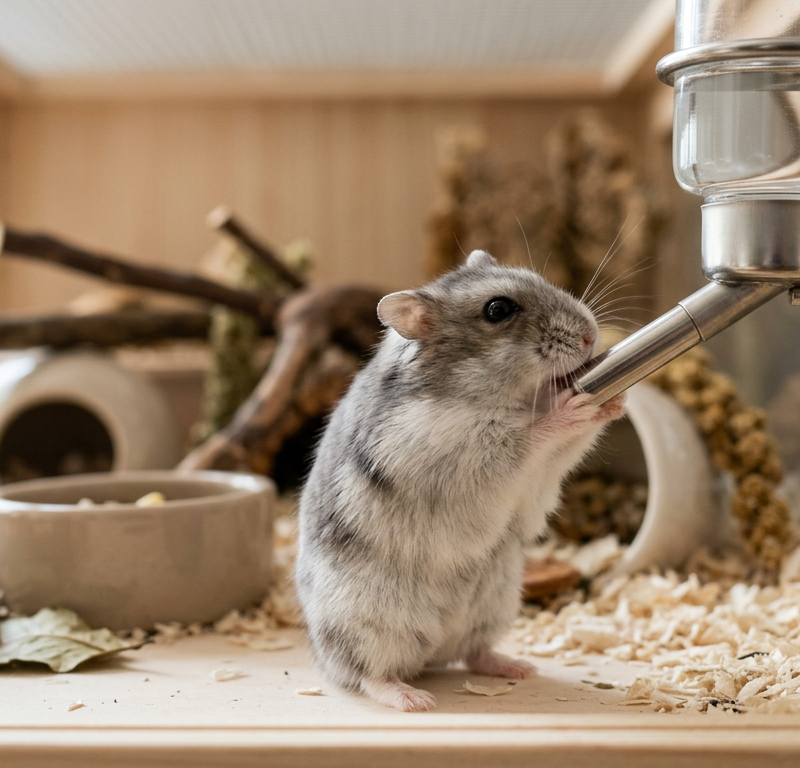
Noticing a hamster drinking lots of water dwarf breed owners often find themselves concerned about their tiny companion’s hydration habits. While it is normal for these small pets to visit their water bottle throughout the night, a sudden or significant increase in thirst can be a signal that something in their environment or health is changing. Understanding what constitutes "normal" for a Campbell’s, Winter White, or Roborovski dwarf hamster is the first step in providing proactive care.
Dwarf hamsters are unique because of their small size and specific metabolic needs. Because they are so tiny, even a small change in water intake can seem dramatic. By monitoring their daily habits and knowing the common reasons for increased thirst, you can ensure your pet remains happy and healthy. If you are also tracking the wellness of other pets in your home, you might find our Russian Blue age calculator helpful for managing multi-pet households.
Normal Hydration Levels for Dwarf Hamsters
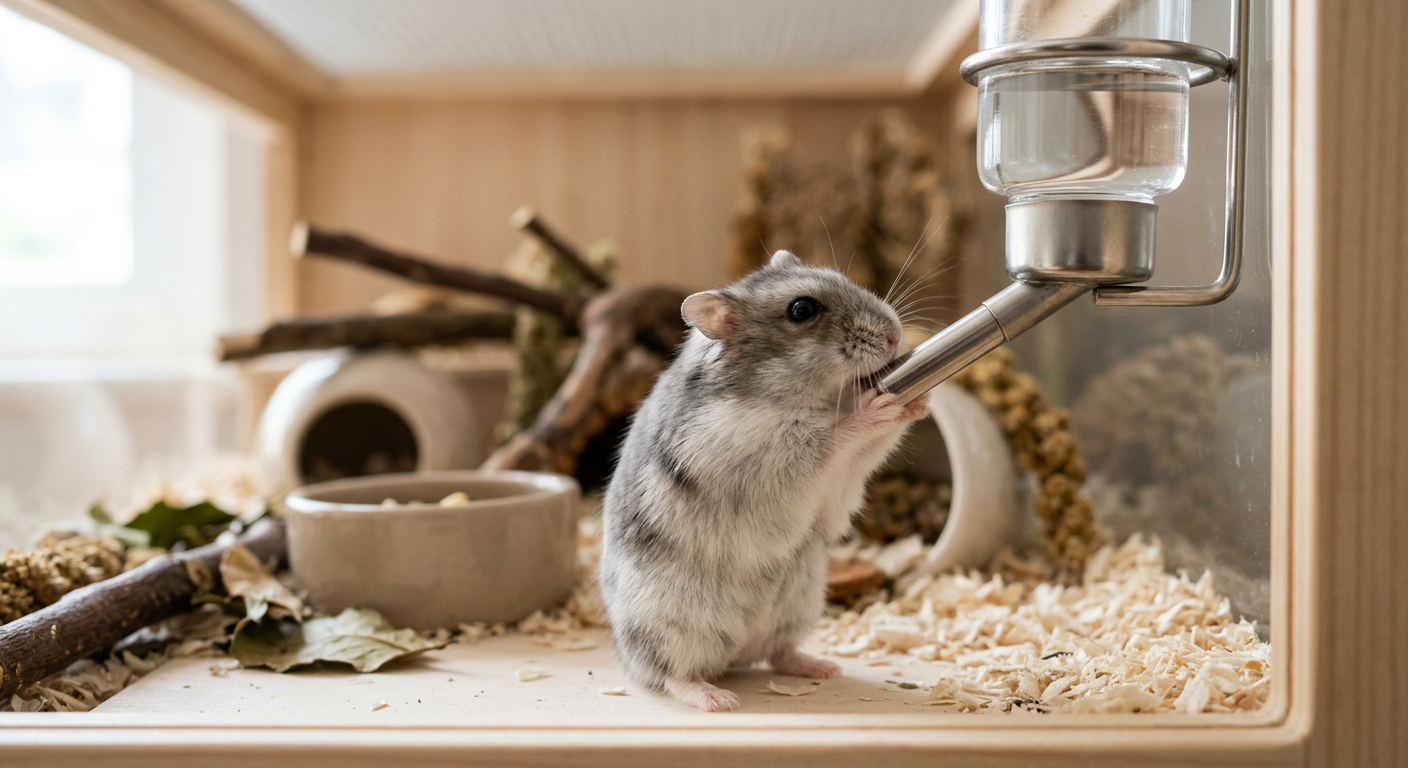
Before assuming there is a wellness consideration, it is helpful to know how much a healthy dwarf hamster typically drinks. On average, a hamster will consume about two teaspoons of water per 100 grams of body weight. Since most dwarf breeds weigh between 25 and 50 grams, they may only drink a few teaspoons a day. This amount can fluctuate based on their activity levels and the temperature of the room.
Monitoring your pet's water bottle is the best way to track changes. You might notice the water level dropping faster than usual, or you might hear the clicking of the metal ball in the sipper tube more frequently. If you observe your dwarf hamster spending more time at the water station than in their wheel, it is worth investigating further.
Environmental Factors and Thirst
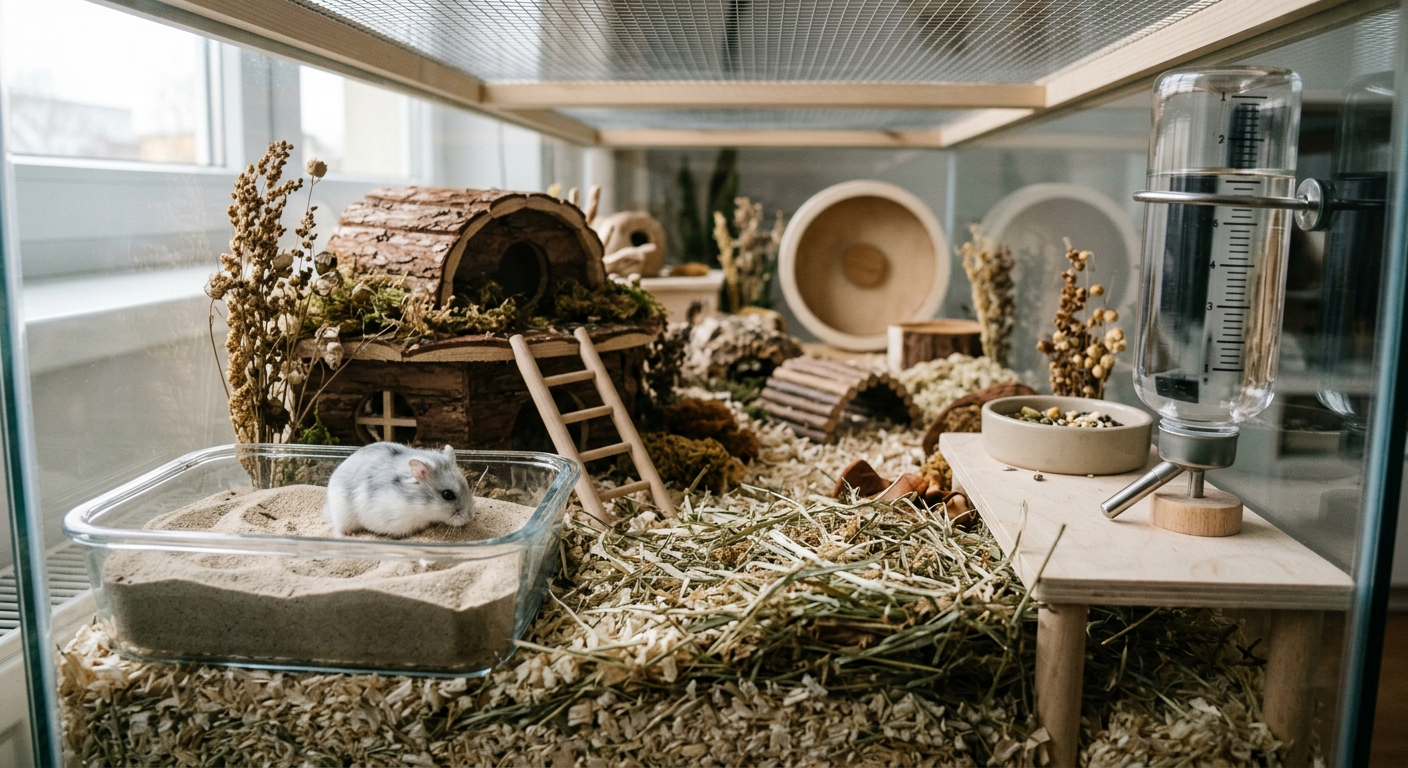
Sometimes, the reason for a hamster drinking excessively is purely environmental. If your home is particularly warm or if the hamster’s cage is near a radiator or in direct sunlight, they will naturally drink more to stay cool. Similarly, a very dry environment, common during winter months when heaters are running, can lead to increased thirst.
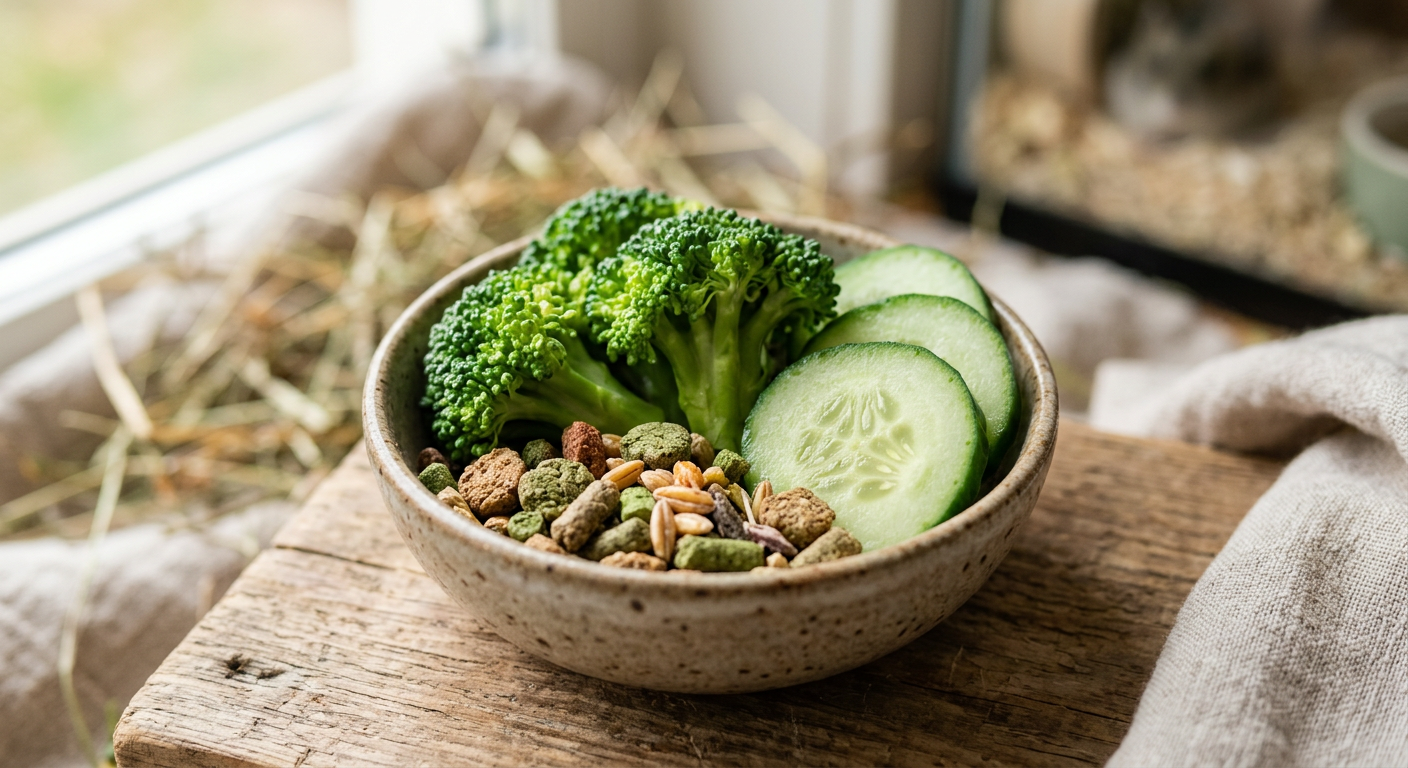
Diet also plays a significant role in hydration. If you have recently introduced more dry treats or a new seed mix with high salt content, your pet will reach for their water bottle more often. Conversely, hamsters who eat plenty of fresh vegetables like cucumber or lettuce may drink less because they are getting moisture from their food.
Wellness Considerations for Increased Thirst
When you see a hamster drinking lots of water dwarf breed specific health traits should be considered. Dwarf hamsters, particularly Campbell’s and Winter Whites, are genetically predisposed to certain metabolic conditions. Increased thirst, known medically as polydipsia, is often one of the first visible signs that their body is working harder to maintain balance.
It is important to look for accompanying signs of changes in wellness. Are they also urinating more frequently? Is their bedding wetter than usual? Are they maintaining their weight, or do they seem to be losing body condition despite eating well? Keeping a simple log of these observations can be incredibly helpful for your veterinarian.
The Role of Diabetes in Dwarf Breeds
Diabetes is a relatively common wellness consideration for dwarf hamsters. Because their bodies may struggle to process sugars and starches, their blood sugar levels can rise, prompting the kidneys to flush out the excess through urine. This leads to a cycle of dehydration and heavy drinking. While this sounds concerning, many hamsters live full lives with managed diets and proper care.
Kidney and Urinary Health
As hamsters age, their kidney function may naturally change. Increased water consumption helps the kidneys filter waste products more effectively. Additionally, urinary tract infections (UTIs) can cause a hamster to feel the need to drink more. If you notice any changes in the color or smell of the urine, or if your hamster seems lethargic, a veterinary consultation is recommended to rule out these common issues.
Monitoring and Managing Water Intake
If you suspect your pet is drinking more than usual, start by measuring exactly how much they consume over 24 hours. You can mark the water bottle with a small piece of tape or a marker to see how far the level drops. Ensure the bottle isn't leaking, as a faulty vacuum seal can often mimic increased drinking.
- Check the water bottle daily for leaks or blockages.
- Provide fresh, filtered water every 24 hours.
- Keep the cage in a cool, draft-free area away from direct sunlight.
- Observe if the increased thirst correlates with a change in diet or treats.
While monitoring thirst, you might also notice other nighttime habits. For example, if your pet is active but seems restless, you might want to learn about hamster running wheel behavior to see if their activity levels are contributing to their thirst.
Dietary Adjustments for Hydration Support
Supporting your hamster’s wellness often starts with the food bowl. For dwarf breeds prone to thirst-related issues, avoiding sugary treats is essential. This means limiting honey-coated seeds, yogurt drops, and high-sugar fruits. Instead, focus on high-quality pellets and safe proteins like mealworms or small pieces of plain cooked chicken.
Fiber is also important for maintaining a steady metabolism. Providing timothy hay or fiber-rich leafy greens can help regulate their system. Always introduce new foods slowly to avoid upsetting their delicate digestive tracts. If you are worried about their overall health, looking for early signs of wet tail is also a good practice for any hamster owner.
When to Consult a Veterinarian
If the increased thirst is accompanied by weight loss, a dull coat, or a change in temperament, it is time to visit an exotic animal veterinarian. They can perform simple tests, such as a urinalysis, to determine if there is an underlying reason for the behavior. Early detection of metabolic changes allows for easier management through diet and lifestyle adjustments.
Conclusion
Noticing a hamster drinking lots of water dwarf breed varieties often exhibit is a sign of an attentive owner. Whether the cause is a warm room, a change in snacks, or a wellness consideration like diabetes, being proactive is the best way to support your small friend. By maintaining a stable environment and a healthy diet, you can ensure your dwarf hamster enjoys a comfortable and hydrated life. Remember to always consult with a professional if you feel your pet’s behavior has shifted significantly.