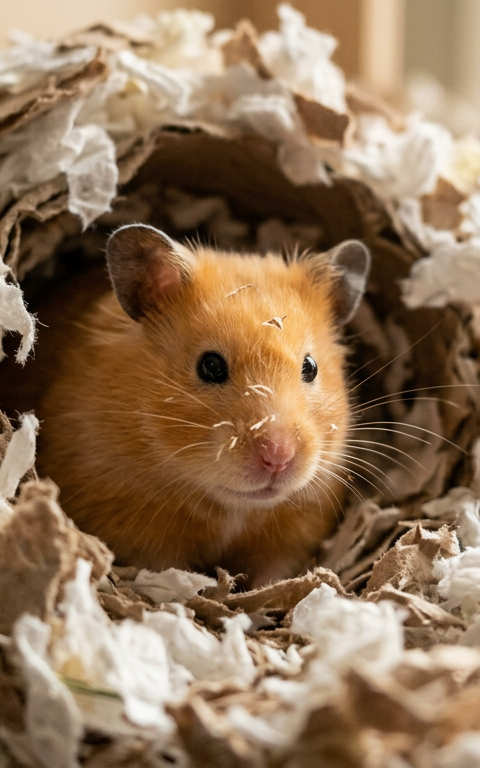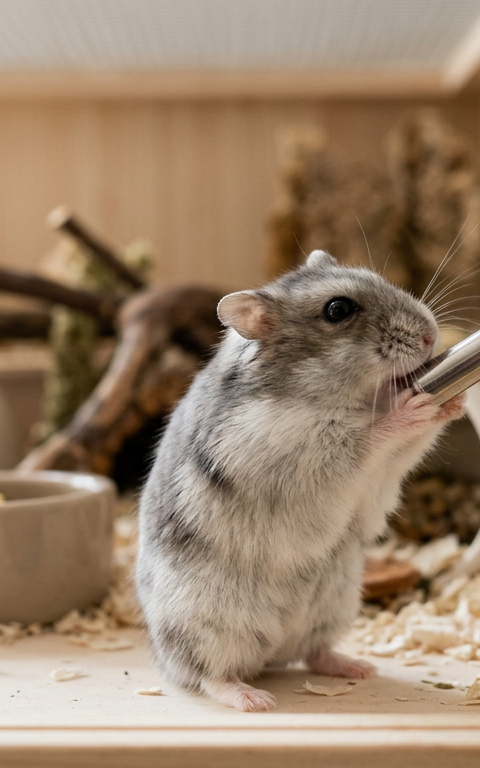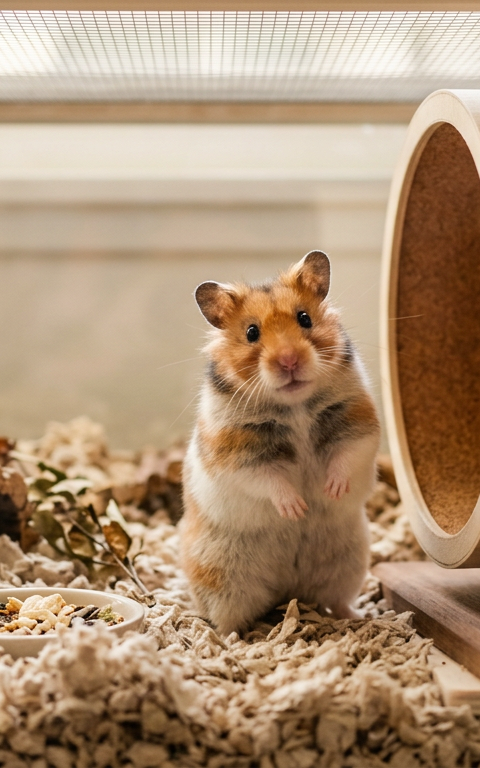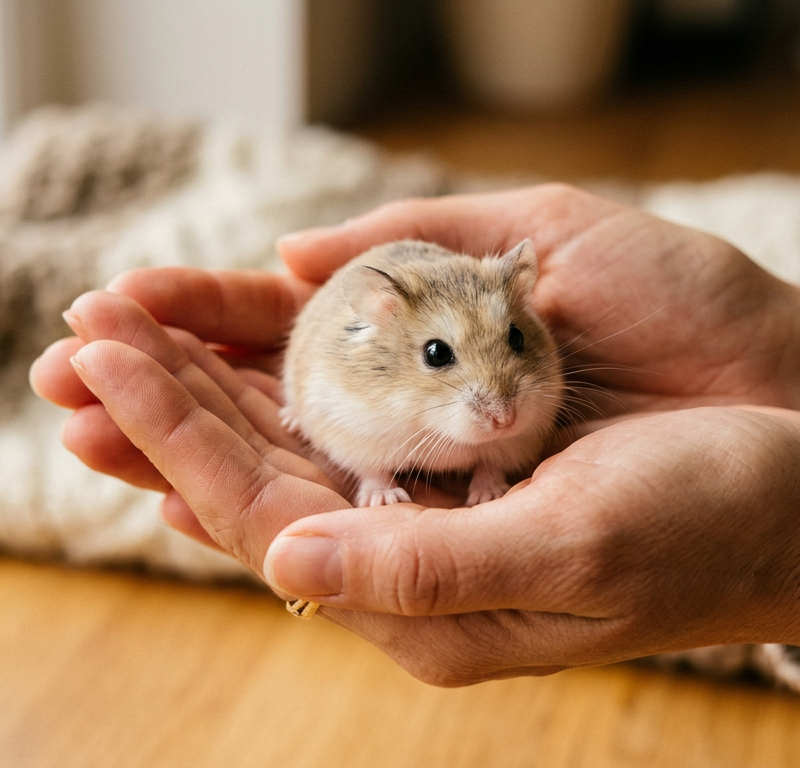
Bringing home a new pocket-sized friend is an exciting journey, but it often comes with a learning curve as you decipher their unique language. If you have noticed your hamster making squeaking sound when picked up, you might be wondering if they are happy, startled, or simply trying to tell you something important. These vocalizations are one of the primary ways hamsters communicate their feelings to their human companions.
Understanding these sounds is a key part of proactive care for your pet. While a squeak can sometimes be startling for a new owner, it is usually just a form of expression. By paying attention to the context and your hamster's body language, you can build a stronger bond and ensure they feel safe in your hands. You might even find yourself curious about how their development compares to larger pets, such as how a Russian Blue cat matures over time.
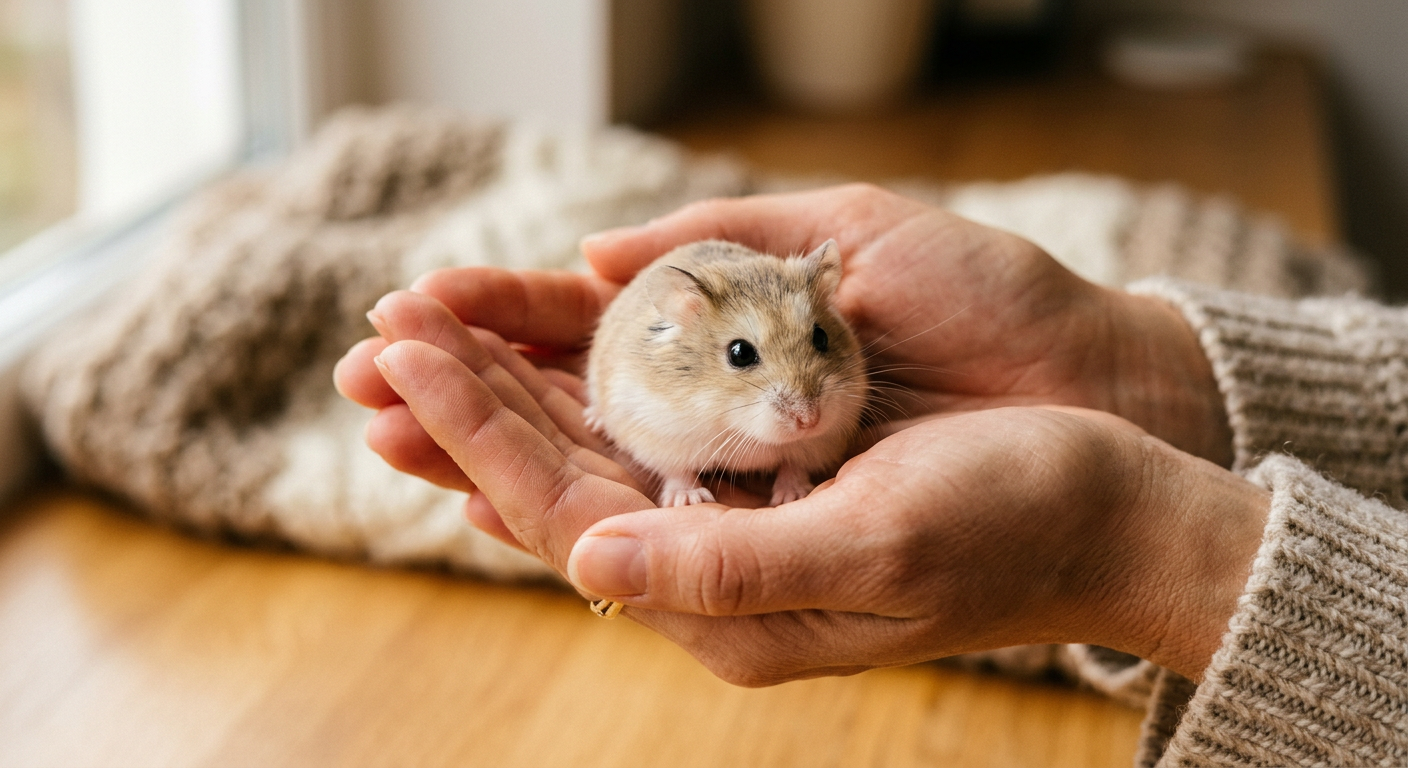
Common Reasons for Squeaking During Handling
The most frequent reason for a hamster to vocalize when being lifted is a simple case of being startled. Because hamsters are prey animals in the wild, their natural instinct is to be wary of large shadows or sudden movements coming from above. When you reach into the enclosure, your hand might momentarily look like a predator to them, leading to a defensive squeak.
Another common factor is the "new environment" phase. If you have recently brought your hamster home, they are still adjusting to your scent and the way you move. During this taming period, squeaking is a very normal response as they learn to trust that your hands represent safety and perhaps the occasional treat. It is helpful to remember that every species has its own way of communicating, just as you can compare Beagle vs Poodle temperaments to see how differently dogs express themselves.
Excitement and Positivity
Surprisingly, not all squeaks are complaints! Some hamsters emit soft, chirping squeaks when they are excited or happy. If your pet is willingly climbing into your palm and making light vocalizations, they may be expressing joy at the prospect of playtime or out-of-cage exploration. These "happy chirps" are usually quieter and less sharp than defensive noises.
Protesting the Interaction
Sometimes, your hamster just isn't in the mood to be held. They might be sleepy, focused on a snack, or busy grooming. If they squeak when you try to pick them up, they might be politely (or not so politely) asking for some personal space. Respecting these boundaries helps prevent stress and encourages a more trusting relationship in the long run.
Recognizing Stress vs Communication
It is important to distinguish between a "talkative" hamster and one that is genuinely distressed. A stressed hamster will often pair their vocalizations with specific physical cues. Look for signs like pinned-back ears, baring teeth, or attempts to flip onto their back. If your pet shows these signs while your hamster making squeaking sound when picked up occurs, it is best to move slowly and give them a break.
High-pitched, long shrieks are usually a sign of significant fear or physical discomfort. If the sound is short and rhythmic, it is more likely to be a communicative "pipsqueak." Always ensure your hands are clean and free of strong scents, as smells like citrus or even other pets can sometimes cause a hamster to feel uneasy during handling.
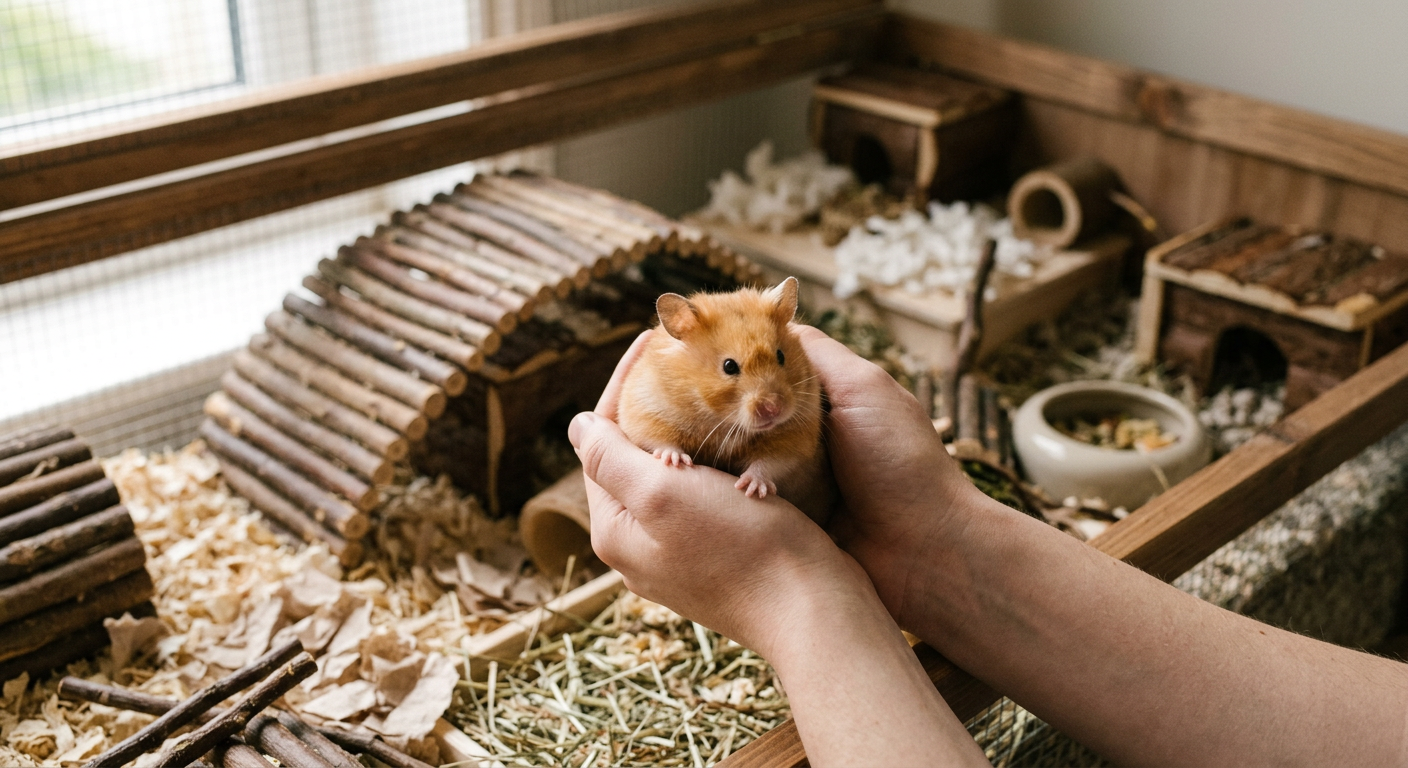
Tips for Quiet and Stress-Free Handling
To reduce vocalizations and help your hamster feel more comfortable, you can implement a few simple strategies during your daily interactions. Consistency is the secret to a calm hamster. Try to handle them at the same time each evening when they are naturally awake and active.
- The Scoop Method: Instead of grabbing from above, scoop your hamster up from underneath using both hands or a small cup.
- Scent Recognition: Rub your hands on some of their clean bedding before picking them up so you smell familiar.
- Treat Association: Offer a small piece of vegetable or a sunflower seed immediately after picking them up to create a positive association.
- Short Sessions: Start with just thirty seconds of handling and gradually increase the time as they become more comfortable.
If you notice other unusual behaviors, such as your hamster sitting still not moving but breathing heavily, it might be a sign they are feeling overwhelmed by the interaction. In these cases, simply place them back in their habitat and try again another time.
When Squeaking Indicates Wellness Considerations
While most squeaks are behavioral, a sudden change in vocalization patterns can sometimes be related to health. If your hamster usually enjoys being held but suddenly begins squeaking or flinching when touched in a specific area, it could indicate localized sensitivity or discomfort. This is a great time to perform a gentle wellness check.
Check their coat for any unusual dampness, which can be a sign of digestive wellness issues. Understanding hamster wet tail early signs to look for can help you stay ahead of common health hurdles. If the squeaking is accompanied by sneezing, wheezing, or lethargy, it is always best to consult a veterinarian who specializes in exotic pets to ensure your small friend is feeling their best.

Building Trust Over Time
Patience is the foundation of a good relationship with a hamster. Some individuals are naturally more vocal than others. You may find that even after months of bonding, your hamster continues to be a "talker." As long as they are eating, drinking, and active—perhaps even running on their wheel all night—a little bit of chatter is usually nothing to worry about.
Each hamster has a unique personality. Some are bold explorers, while others are more reserved. By learning to interpret the hamster making squeaking sound when picked up, you are becoming a more attentive and responsive owner. This proactive approach to care ensures that your pet feels understood and safe within their home environment.
Conclusion
In conclusion, a vocal hamster is often just a communicative one. Whether they are startled, excited, or simply expressing their need for a nap, these sounds are a vital window into their world. By using gentle handling techniques and paying close attention to their body language, you can turn those squeaks into a language of trust and companionship. Remember, if you are ever unsure about a new sound or behavior, reaching out to a vet is the best way to support your pet's long-term wellness.