Discovering your hamster not using wheel suddenly can feel a bit puzzling for any pet owner. These small creatures are famous for their high energy levels and their love for midnight cardio sessions. When that familiar squeak or whir of the wheel stops, it is natural to wonder what might be happening in your furry friend's world.
A hamster’s wheel is more than just a toy; it is a vital outlet for their physical health and mental enrichment. While a change in routine can sometimes be a simple choice, it often serves as a subtle communication tool. By understanding the common reasons behind this shift, you can ensure your pet remains happy and healthy in their habitat.
In this guide, we will explore the various factors that influence wheel usage. From environmental changes to physical wellness considerations, we will help you decode why your hamster has decided to take a break from their favorite activity.
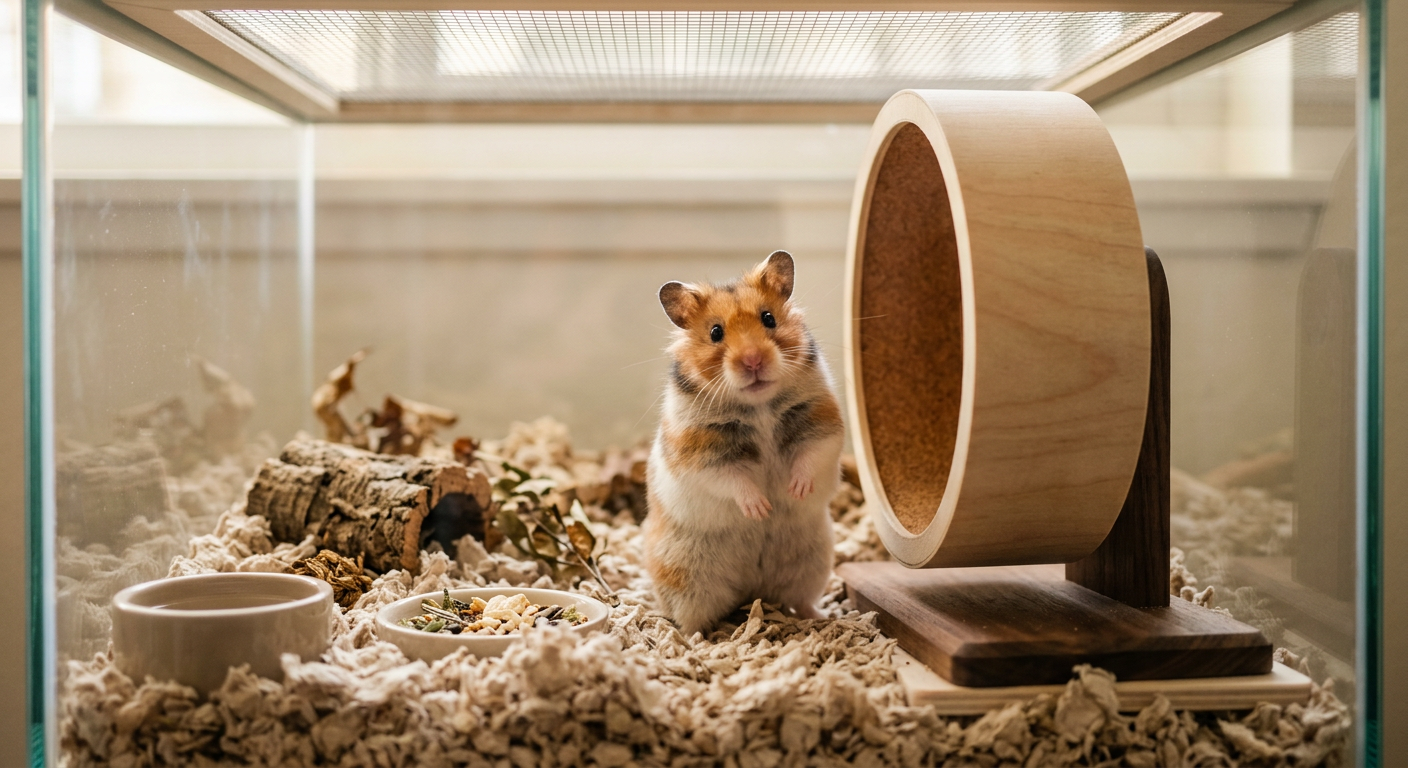
Mechanical Issues with the Equipment
Sometimes the simplest explanation is the most likely one. Before worrying about your pet's health, take a close look at the wheel itself. Mechanical failures are a common reason for a hamster to stop running, as these animals are sensitive to how their equipment feels and sounds.
Check for Obstructions
Bedding, food stashes, or even a stray chew toy can easily jam a wheel. Hamsters often enjoy stuffing their cheeks and emptying them near their favorite spots, which can lead to debris getting caught in the axle. Spin the wheel manually to ensure it moves freely without catching on anything.
Noise and Stability
If the wheel has become exceptionally noisy or shaky, your hamster might find it unpleasant to use. Some wheels develop a loud rattle over time that can startle a shy pet. Additionally, if the wheel is leaning or unstable, the hamster may feel unsafe while running at high speeds and choose to avoid it altogether.
Size and Comfort
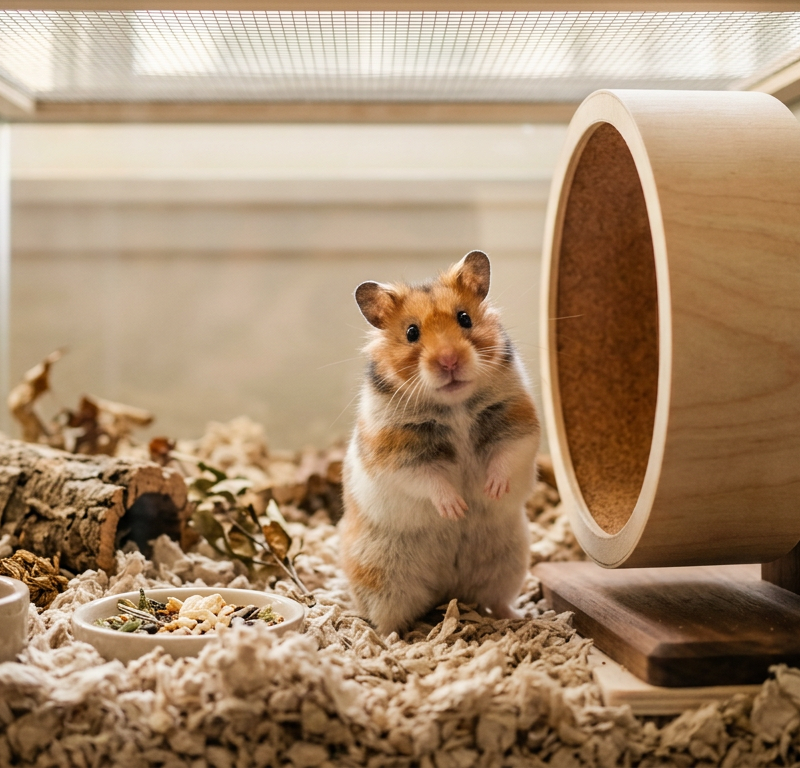
As hamsters grow, a wheel that was once perfect might become too small. If your hamster’s back arches while they run, it can cause discomfort. Upgrading to a larger, solid-surface wheel can often reignite their passion for exercise. Always ensure the running surface is solid to prevent tiny paws from getting caught in wire mesh.
Natural Aging and Energy Levels
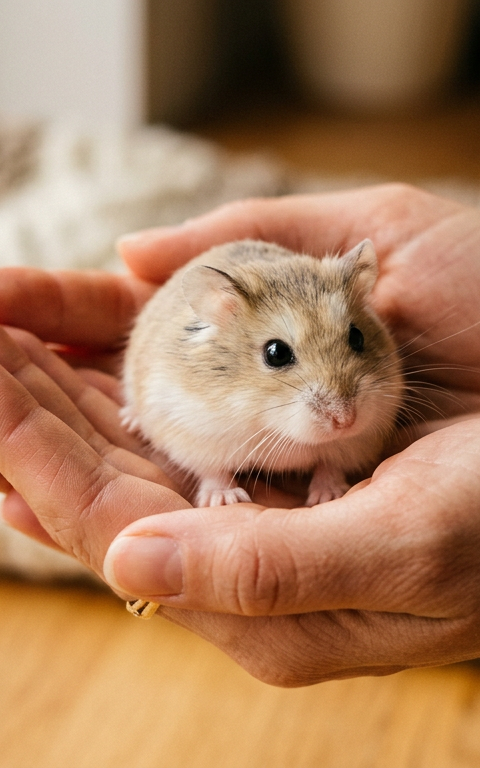
Just like humans, hamsters experience changes in their energy levels as they get older. If your hamster is entering their golden years, a decrease in wheel activity is a perfectly normal part of the aging process. They may prefer more low-impact activities like foraging or grooming.
Older hamsters might still want to be active but find high-speed running a bit taxing on their joints. You might notice they still enter the wheel but walk slowly or only stay in for a few minutes. Providing easy-access ramps and softer bedding can help support an aging hamster's comfort.
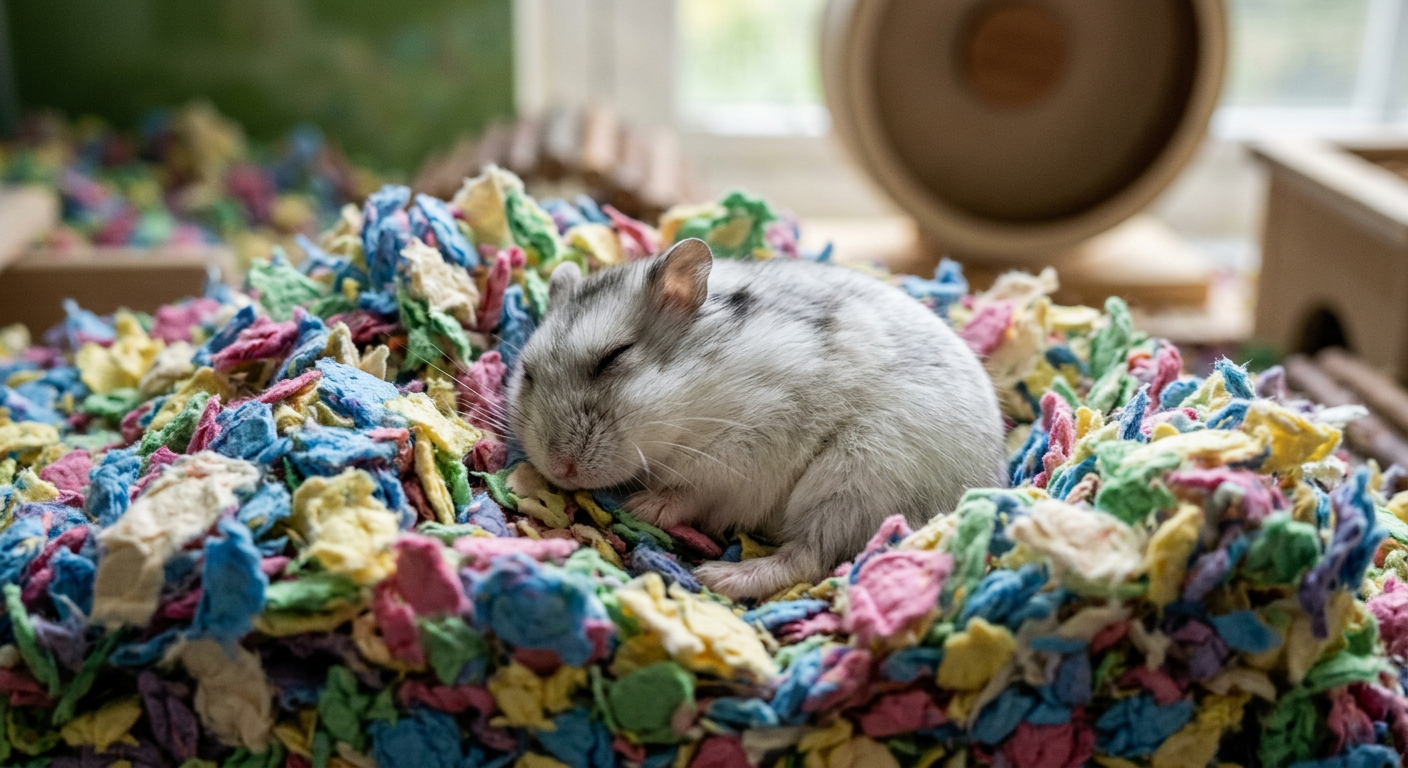
Environmental Stress and Changes
Hamsters are creatures of habit and can be sensitive to changes in their environment. If you have recently moved their cage, introduced a new pet to the household, or even changed the room temperature, your hamster might be feeling a bit unsettled.
- Temperature Shifts: If the room is too cold, hamsters may become sluggish to conserve energy. Conversely, if it is too hot, they may avoid heavy exercise to stay cool.
- Lighting Cycles: Hamsters are nocturnal. If their room is kept bright late into the night, it may disrupt their natural internal clock, leading to less activity.
- New Noises: A new television or a buzzing appliance near the cage can create a stressful environment where the hamster feels the need to stay hidden and quiet.
If your hamster is also biting their cage at night, it could be a sign of boredom or stress related to their environment. Assessing the overall atmosphere of the room can help you create a more peaceful space for your pet.
Physical Wellness Considerations
When a hamster stops using their wheel abruptly, it can sometimes be a sign that they aren't feeling their best. Since hamsters are prey animals, they are experts at hiding signs of discomfort. A sudden stop in exercise is often one of the first "clues" they give us.
Joint and Muscle Comfort
Minor strains or stiff joints can make the repetitive motion of running uncomfortable. If you notice any limping or a change in how your hamster walks, it is worth observing them closely. Softening the environment and ensuring all resources are on one level can help while they recover.
Digestive and General Health
If your hamster is feeling under the weather, they will prioritize rest over play. Keep an eye out for other signs of changes in wellness, such as a dull coat, changes in appetite, or lethargy. For example, being aware of wet tail early signs is important for any hamster owner, as digestive issues can significantly impact their energy.
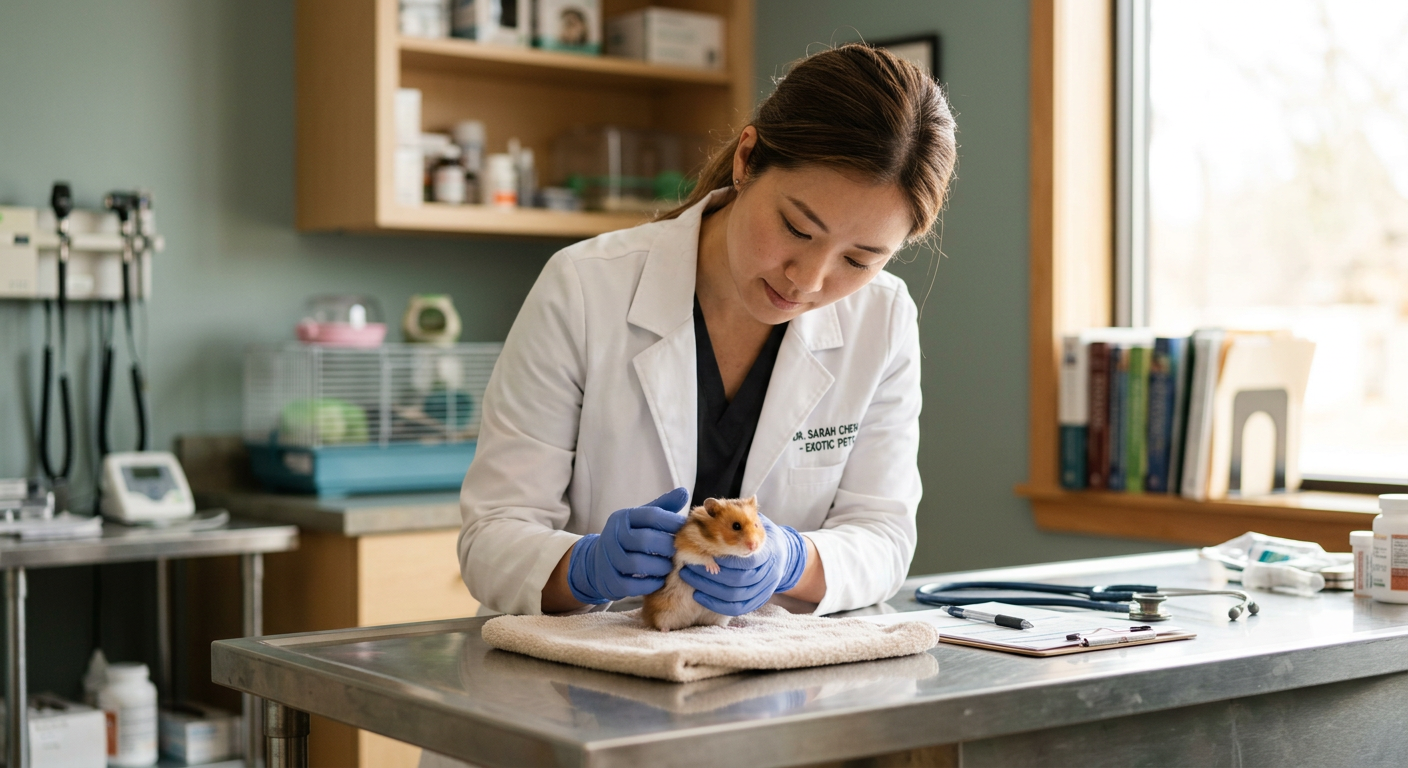
Always consult with a veterinarian who specializes in exotic pets if you suspect your hamster is unwell. They can perform a thorough check-up and provide professional guidance on how to support your pet's recovery.
Alternative Forms of Enrichment
It is possible that your hamster has simply found something more interesting to do! While the wheel is a staple, some hamsters go through phases where they prefer different types of enrichment. If you have recently added a new digging box, complex tunnels, or interactive foraging toys, they might be spending their "gym time" elsewhere.
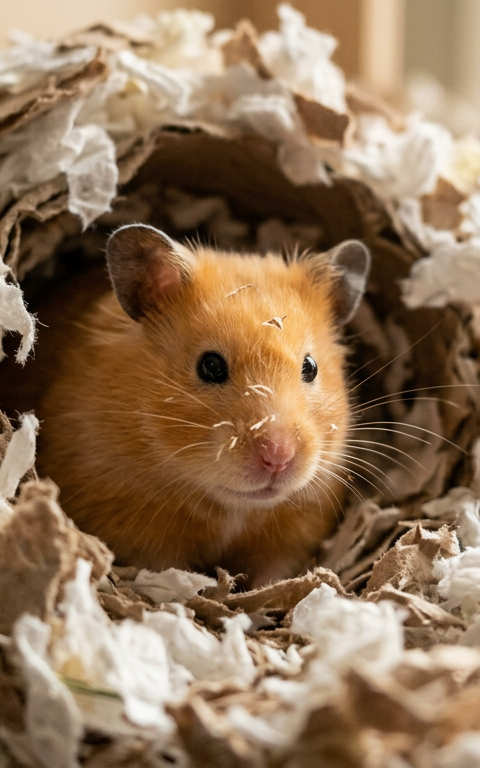
To encourage movement, try hiding healthy treats around the enclosure or introducing safe, pet-friendly cardboard structures. If you see your hamster sitting still and breathing, they might just be taking a focused break or listening to sounds in the house. This is often normal behavior as they process their surroundings.
Conclusion
Seeing your hamster not using wheel suddenly can be a gentle reminder to check in on your pet’s environment and physical well-being. Most of the time, the solution is as simple as cleaning a stuck axle or adjusting the room temperature. By staying observant and proactive, you can ensure your hamster continues to enjoy a vibrant and active life. Remember, if the lack of activity is accompanied by changes in eating or grooming habits, a quick call to your vet is always the best course of action.