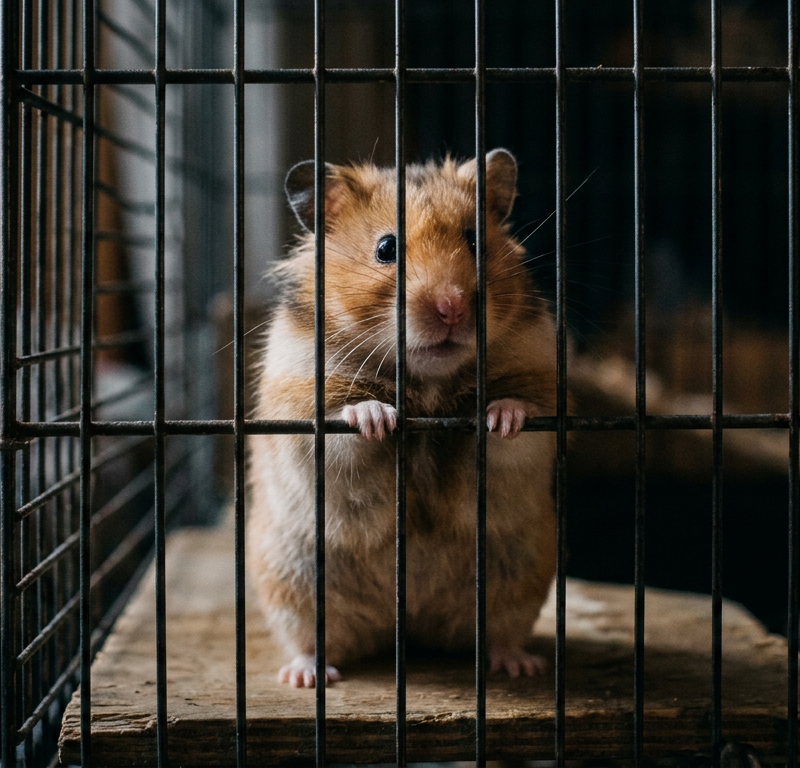
If you are a hamster owner, you might have experienced the sudden sound of metal clinking in the middle of the night. Having a hamster biting cage at night how to stop can feel like a mystery, especially when you provide them with plenty of food and a cozy bed. This behavior is quite common in the world of pocket pets, but it is important to address because it often indicates that your hamster’s environment needs a little adjustment.
Hamsters are naturally nocturnal and curious creatures. While a few nibbles on the bars might seem harmless, persistent chewing can lead to dental issues or nose rubs. By understanding the underlying reasons for this habit, you can create a more serene environment for both your pet and your sleep schedule. Let's explore why this happens and how you can encourage more positive behaviors.
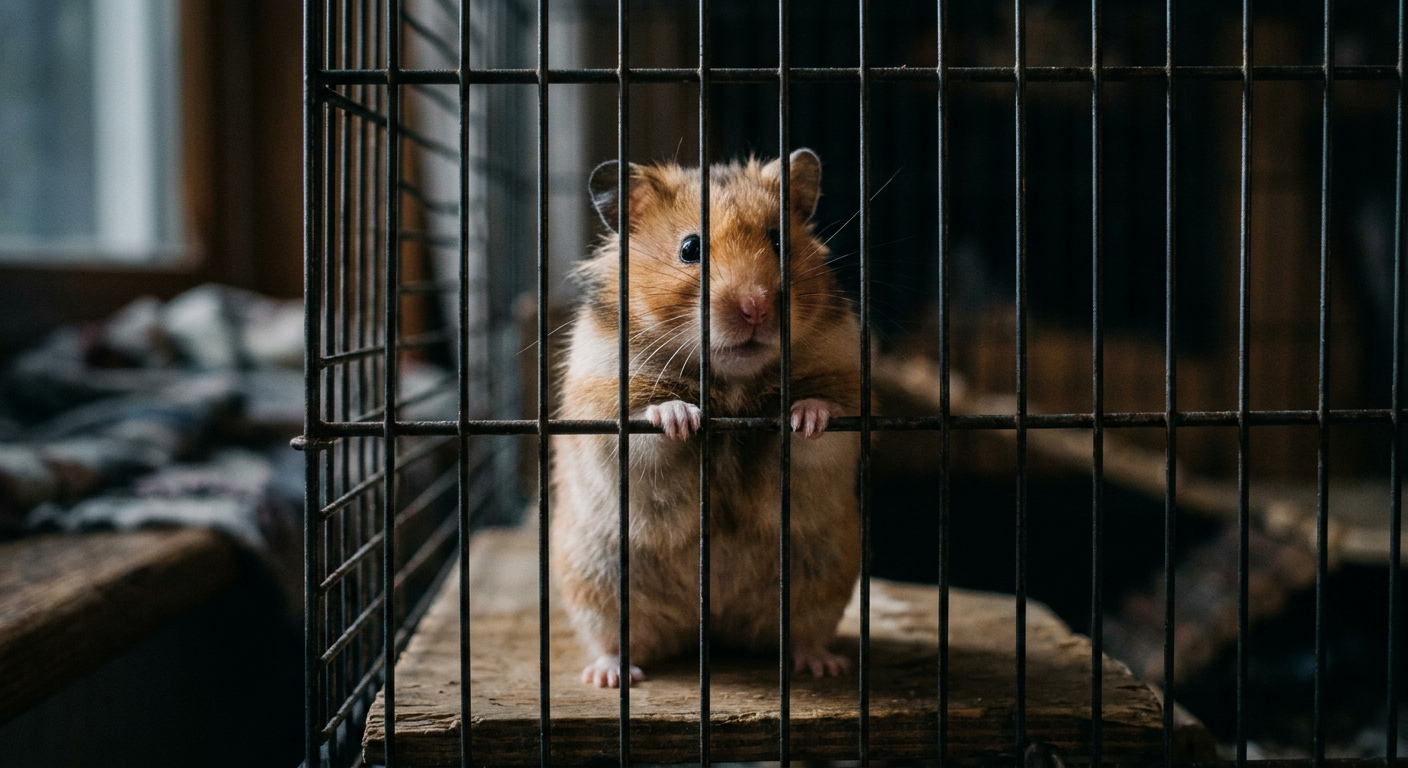
Understanding Why Hamsters Chew Their Cages
To find a solution, we first need to look at the "why." Hamsters have incisors that never stop growing throughout their lives. To keep these teeth at a manageable length, they have an instinctive drive to gnaw on hard surfaces. If they do not have appropriate outlets for this urge, the metal bars of a cage often become the next best thing.
Boredom and Pent-Up Energy
In the wild, hamsters travel several miles every night foraging for food. In a domestic setting, they can quickly become bored if their environment is static. If your hamster lacks mental stimulation, they may turn to bar biting as a way to pass the time or express frustration. To understand how your pet's needs change as they grow, check out our guide on hamster life stages and behaviors.
Searching for an Escape
Hamsters are champion explorers. If the cage feels too small or restrictive, their instinct is to find a way out. Chewing on the bars is often an attempt to widen a gap or find a weak point in their enclosure. Providing a larger living space is one of the most effective ways to reduce this drive to "break out."
Immediate Steps for Hamster Biting Cage at Night How to Stop
If you are wondering about a hamster biting cage at night how to stop, the most effective approach is a combination of environmental enrichment and habitat expansion. Transitioning to a bin cage or a large glass terrarium effectively removes the bars entirely, which is the most permanent fix. However, if you are keeping your current setup, focus on diversions.
- Introduce varied chew toys like apple orchard sticks or seagrass twists.
- Scatter feed their meals to encourage natural foraging behaviors.
- Ensure the wheel is the correct size so they can run comfortably without arching their backs.
- Provide deep bedding (at least 6-10 inches) to allow for natural burrowing.
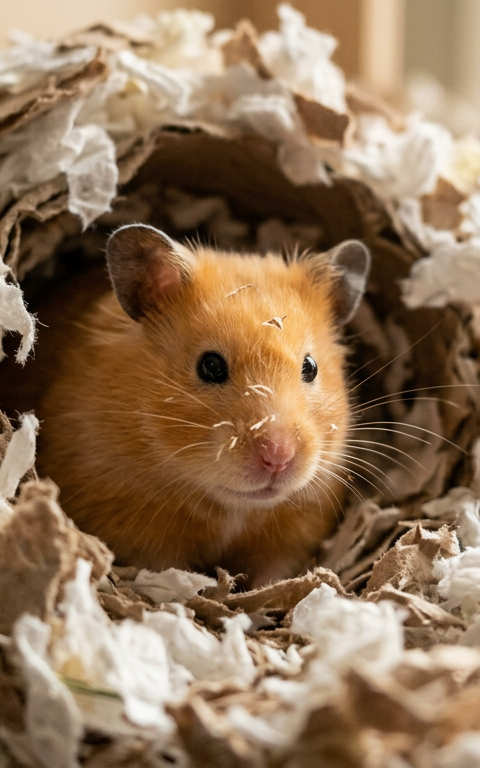
Adding these elements gives your hamster a "job" to do. When they are busy digging tunnels or deconstructing a cardboard tube, they are much less likely to focus on the cage bars. You might also notice them carrying food to different corners of their cage, which is a great sign of an active, engaged mind.
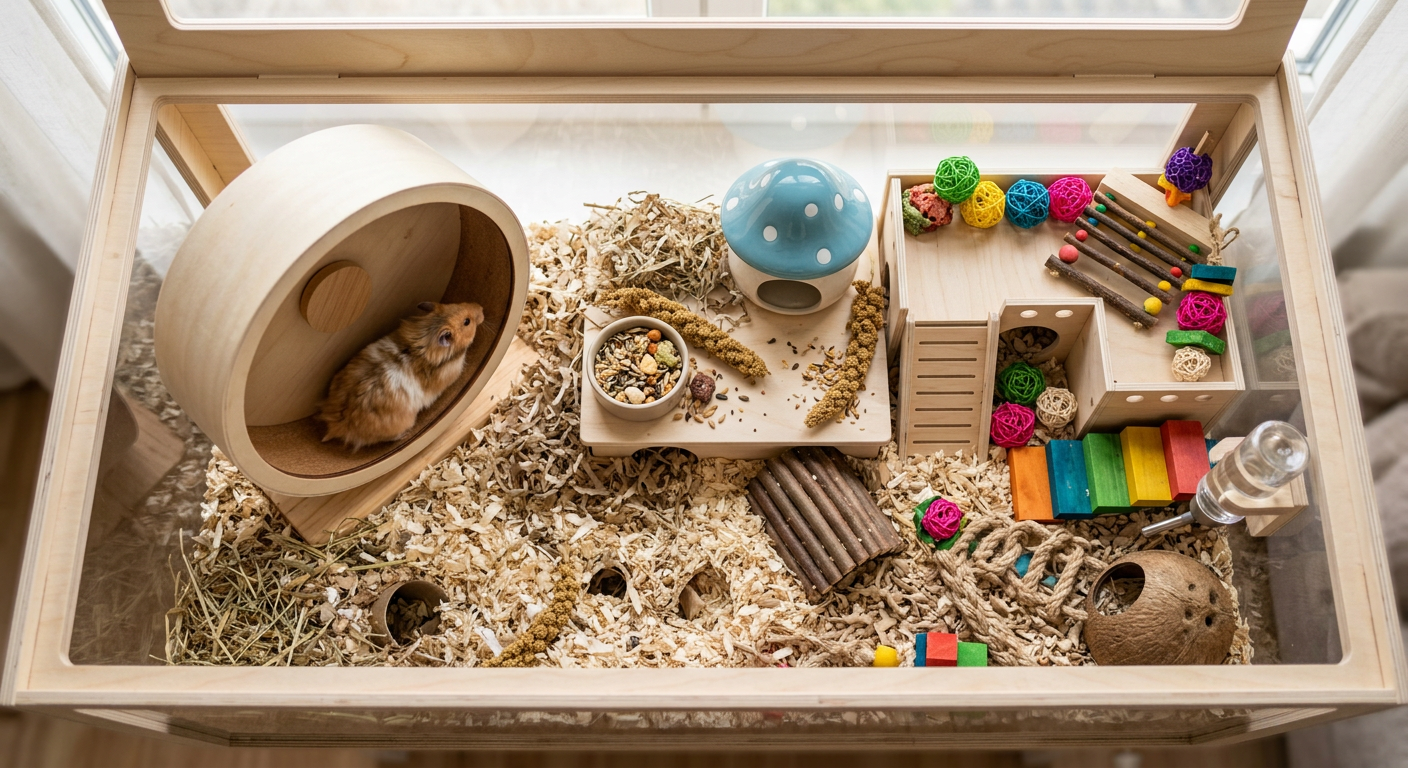
The Importance of Habitat Size
The size of your hamster's home plays a massive role in their stress levels. Many commercial cages sold in pet stores are unfortunately too small for a hamster to thrive. When a cage is cramped, the animal may develop "cage stereotypy," which includes repetitive behaviors like bar biting or pacing.
Floor Space Requirements
Current wellness standards suggest a minimum of 450 to 600 square inches of unbroken floor space. For Syrian hamsters, even more space is often required to keep them satisfied. A larger habitat allows for more hides, larger wheels, and different textures like sand baths or coco peat, which keep a hamster’s mind occupied.
Out-of-Cage Time
Supervised playtime in a safe, enclosed playpen can help burn off excess energy. This change of scenery provides new scents and textures to explore. Use this time to bond with your pet and offer healthy treats, which reinforces a sense of security and reduces the urge to chew out of stress.
Selecting the Right Chew Alternatives
Since gnawing is a biological necessity, you shouldn't try to stop the chewing entirely—you just want to redirect it. Offer a variety of textures to see what your hamster prefers. Some enjoy hard, kiln-dried pine, while others might prefer softer loofah toys or woven grass balls.

You can even create DIY enrichment by hiding high-value treats inside a toilet paper roll stuffed with hay. The effort required to reach the treat provides excellent mental exercise. If the bar biting continues despite these additions, it may be time to consult a veterinarian to ensure there are no underlying dental misalignments or "malocclusions" causing discomfort.
Proactive Wellness and Monitoring
Monitoring your hamster’s nighttime routine can give you clues about their health. A happy hamster is usually one that spends its night alternating between running on the wheel, grooming, and burrowing. If you notice a sudden change in behavior, it is always a good idea to perform a quick wellness check on their teeth and paws.
While hamsters are quite different from larger pets like a Labrador or Golden Retriever, they still require a tailored approach to their care. Understanding their unique instincts is the first step toward a quiet, peaceful night for everyone in the house.
Conclusion
Addressing a hamster biting cage at night how to stop involves looking at the world from your pet's perspective. By providing ample space, a variety of textures to chew on, and plenty of opportunities for natural behaviors like burrowing and foraging, you can significantly reduce or eliminate bar biting. Remember that consistent chewing is often a polite request for more items to explore. With a few simple upgrades to their habitat, you can ensure your hamster feels safe, stimulated, and content in their home.