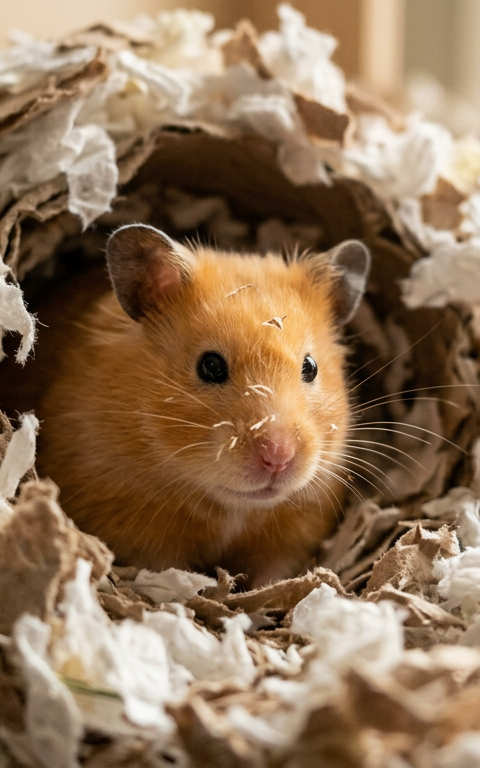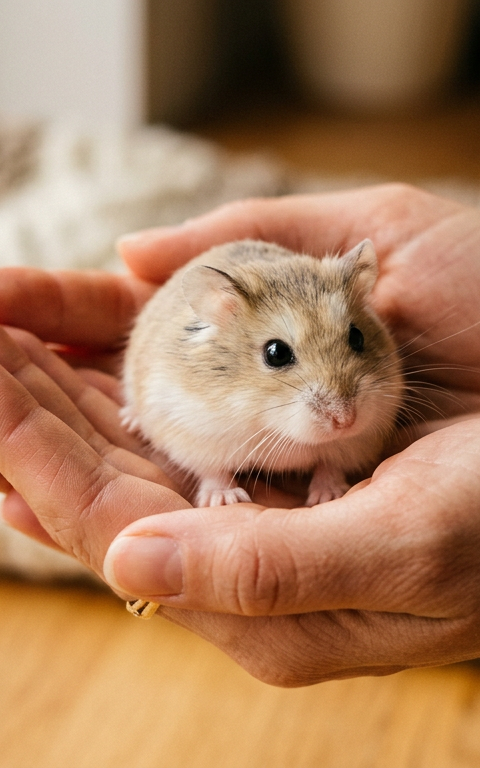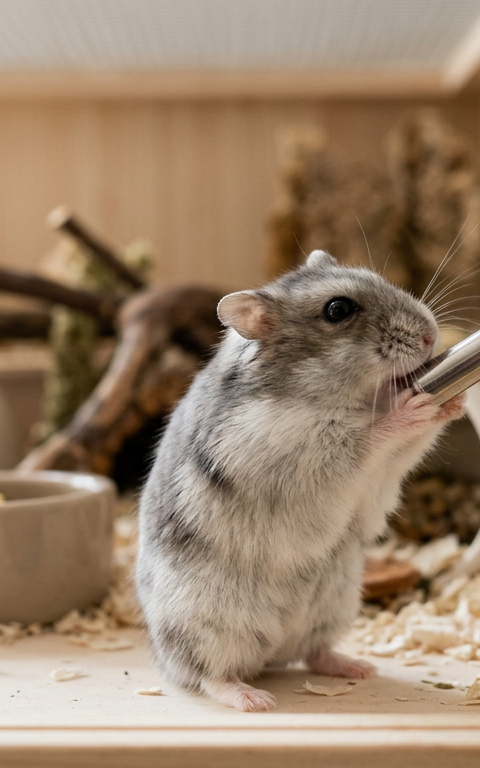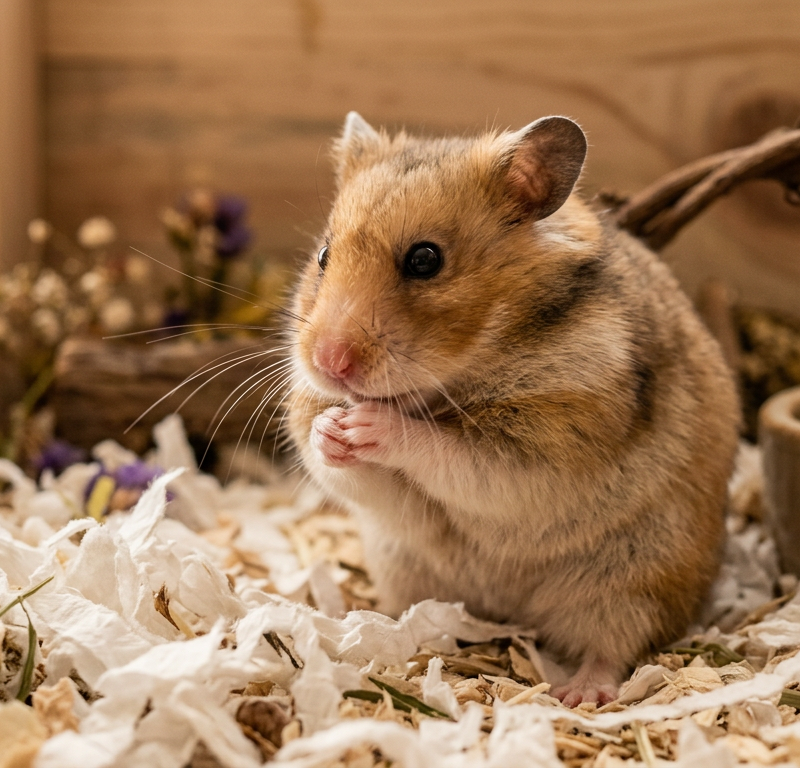
As a devoted hamster parent, you likely spend your evenings watching your small companion scurry through tubes and store snacks. Because these creatures are prey animals, they are naturally gifted at hiding when they feel under the weather. Recognizing hamster wet tail early signs to look for is one of the most important skills a small pet owner can master to ensure their furry friend receives proactive care.
Wet tail, medically known as proliferative ileitis, is a digestive condition that primarily affects young Syrian hamsters, though it can occur in other breeds and ages. It is often linked to stress or bacterial imbalances in the gut. By learning the subtle shifts in your hamster's behavior and appearance, you can act quickly to support their wellness journey alongside your veterinarian.
Physical Symptoms of Wet Tail in Hamsters
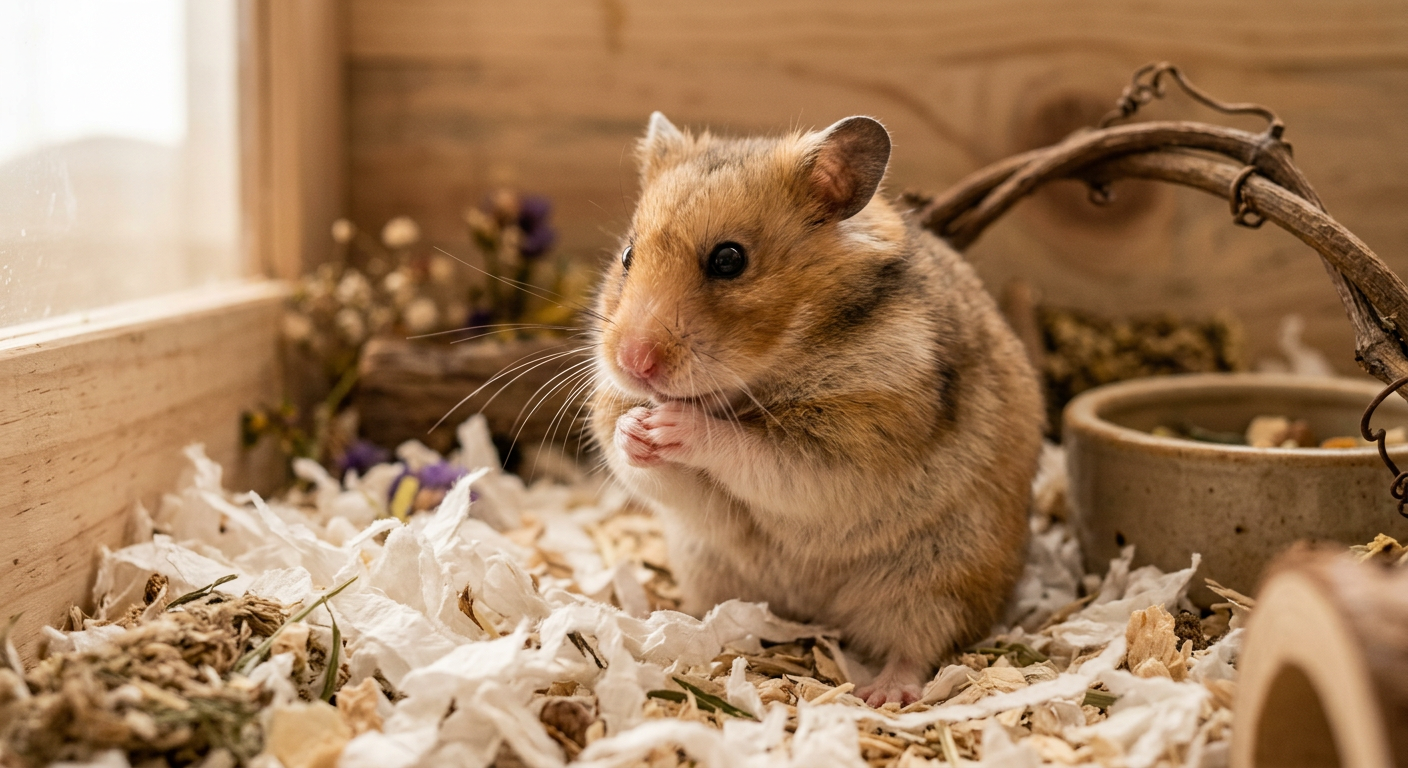
The most recognizable sign of this condition is a matted, damp appearance around the base of the tail and the hindquarters. This internal upset causes watery discharge that soils the fur, often making it look stained or clumped. If you notice your hamster's coat looks unusual in that specific area, it is time for a closer inspection.
Beyond the tail itself, you should monitor the consistency of your pet's waste. Healthy hamster droppings are typically firm, dark, and dry. If you see soft, light-colored, or liquid-like droppings in the cage, this is a significant indicator of digestive distress that requires professional attention.
Changes in Body Condition
As the condition progresses, hamsters may lose weight rapidly. You might notice their sides appearing "sunken" or their spine becoming more prominent when you gently pick them up. This occurs because the body is losing fluids and nutrients faster than it can replace them.
Your hamster’s eyes can also tell a story about their hydration levels. Bright, clear eyes are a sign of health. In contrast, dull, squinting, or sunken eyes often suggest that the animal is feeling fatigued or dehydrated. Keep a close watch on these facial cues during your daily interactions.
Early Behavioral Warning Signs
Long before physical changes become obvious, your hamster's personality might shift. A social hamster that usually greets you at the cage door might suddenly prefer to stay tucked away in their nest. Extreme lethargy—where the hamster seems to lack the energy to move or play—is a classic sign of many hamster wellness concerns.
You may also observe a loss of appetite. Hamsters are usually enthusiastic eaters. If you notice the food bowl remains full or your pet stops their usual habit of stuffing their cheeks with favorite treats, it is a signal that something is wrong. They may also stop drinking water, which is particularly concerning given the fluid loss associated with wet tail.
Changes in Grooming Habits
Healthy hamsters are meticulous groomers. They spend a large portion of their waking hours cleaning their fur. If your hamster stops grooming entirely, or if their coat begins to look greasy and unkempt, it is a sign they are feeling too weak to maintain their hygiene. Conversely, excessive licking of the tail area can also be an early indicator of discomfort.
Irritability is another behavioral shift to watch for. A hamster that is usually gentle might become nippy or defensive if you try to touch them. This isn't "bad" behavior; it's a way of communicating that they are in pain and want to be left alone in a quiet space.
Risk Factors and Preventive Care
Understanding what triggers this condition can help you create a safer environment. Stress is one of the biggest contributors to bacterial imbalances in a hamster's gut. Common stressors include:
- Moving to a new home or environment.
- Sudden changes in diet or water source.
- Overcrowding or living with incompatible cage mates.
- Dirty living conditions or excessive noise near the cage.
- Early weaning in young hamsters.
To support your hamster's health, maintain a consistent cleaning schedule. While it is important to keep the cage tidy, avoid deep-cleaning every single day, as the loss of familiar scents can actually increase a hamster's stress levels. Aim for a balance that keeps the environment sanitary without being disruptive.
Distinguishing Wet Tail from Other Issues
Not every case of loose stool is wet tail, but every case should be taken seriously. Simple diarrhea can sometimes be caused by feeding too many watery vegetables, like cucumber or iceberg lettuce. However, wet tail is a specific bacterial infection that is far more taxing on the body than a simple dietary upset.
If your hamster is acting out or biting their cage, it might be a sign of general stress or boredom, which can eventually lead to wellness issues if not addressed. Always consult a veterinarian who specializes in exotic pets or "pocket pets" to get an accurate diagnosis and a tailored care plan.
Proactive Steps for Hamster Owners
If you suspect your hamster is showing early signs of wet tail, the first step is to isolate them from any other hamsters to prevent the spread of bacteria. Provide a warm, quiet environment and ensure they have easy access to fresh water and their favorite familiar foods. Avoid introducing new treats or changing their bedding during this time.
Hydration is the most critical element of home support while waiting for a vet appointment. Your vet may recommend electrolyte solutions or specific pediatric rehydration fluids, but never administer these without professional guidance on dosage. Every hour counts when it comes to supporting a small animal’s recovery.
Consulting Your Veterinarian
A veterinarian will likely prescribe antibiotics to fight the bacterial infection and may provide fluids to combat dehydration. They can also offer professional advice on how to sanitize the cage properly once your hamster begins to feel better. Following their instructions precisely is the best way to help your companion return to their happy, active self.
Summary of Wellness Monitoring
Caring for a hamster is a rewarding experience that requires a keen eye for detail. By being mindful of their energy levels, eating habits, and the condition of their coat, you are acting as their best advocate. Early detection is the gold standard for managing hamster health and ensuring a long, happy life for your tiny friend.
Keep a "wellness journal" if you are concerned about your hamster. Note down when they eat, how much water they drink, and any changes in their droppings. This information is incredibly valuable to a veterinarian and can help them make a faster diagnosis. Your dedication to observing these hamster wet tail early signs to look for makes a world of difference in your pet's quality of life.