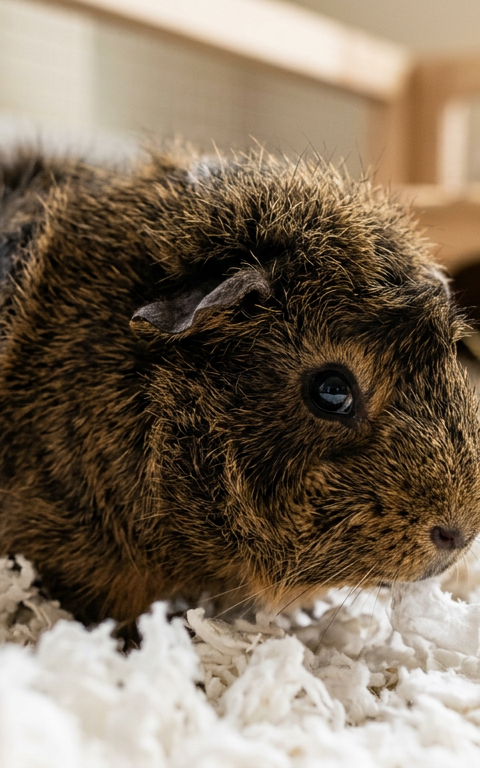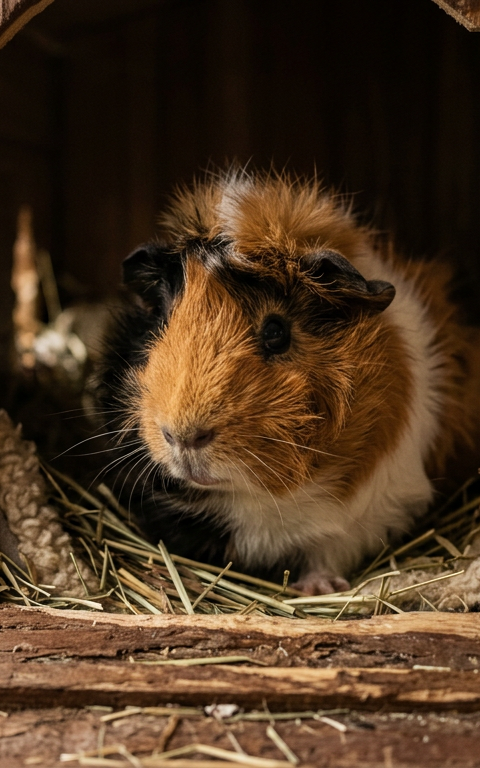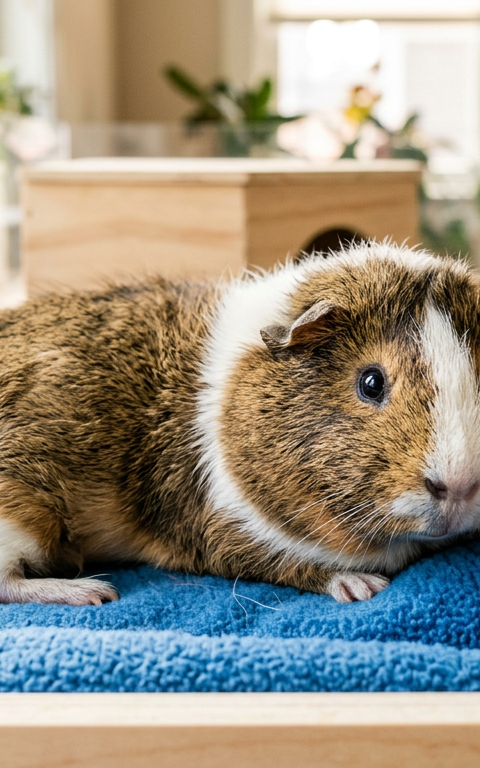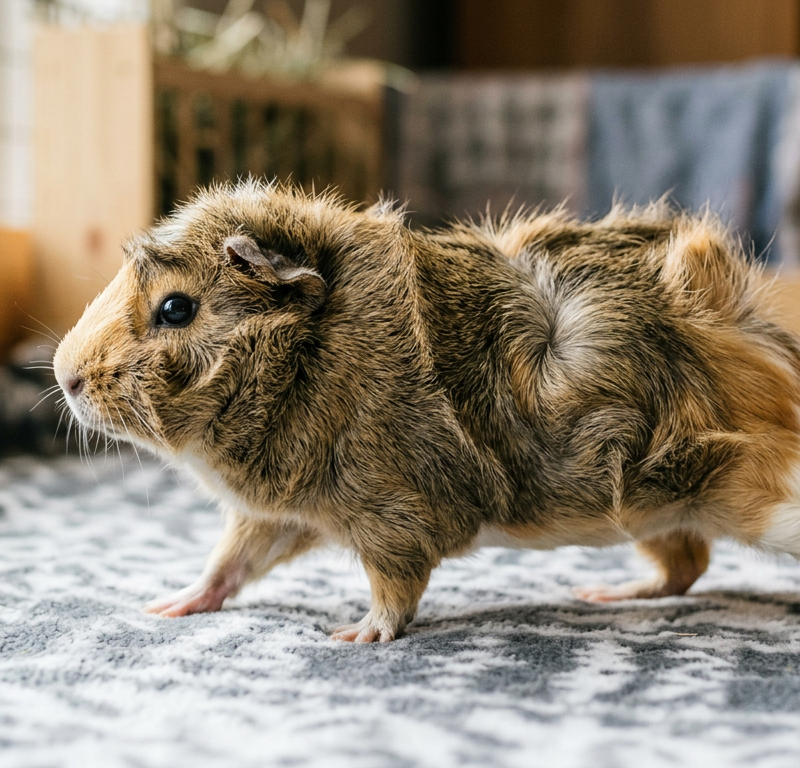
If you have ever seen your small pet swaying their hips while making a low, vibrating sound, you have witnessed one of the most unique behaviors in the rodent world. Understanding the guinea pig rumblestrutting at owner meaning can help you build a stronger bond with your pet and ensure they feel comfortable in their environment. While it is often seen between two cavies, it is not uncommon for them to direct this energy toward their human caregivers.
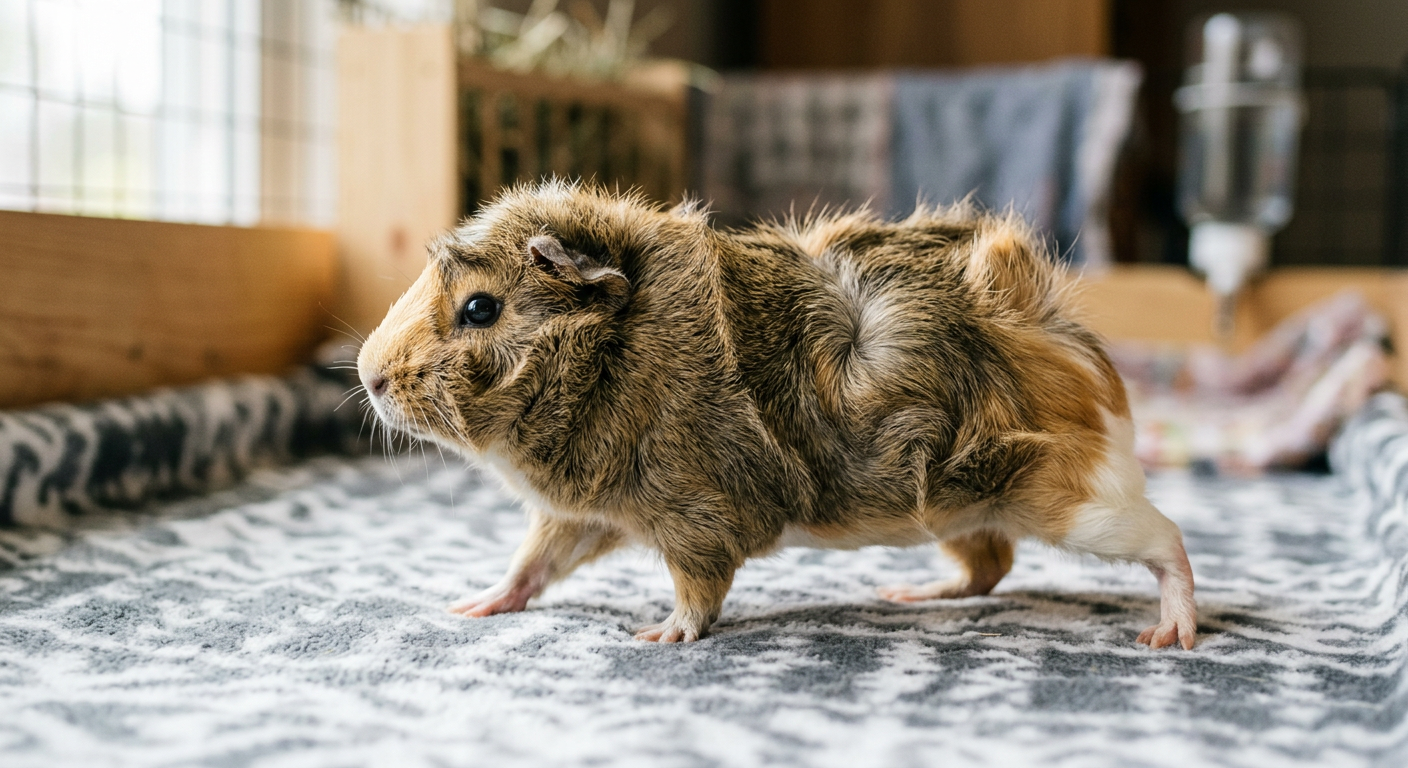
Rumblestrutting is a complex physical and vocal display that serves as a primary form of communication. It involves a specific low-pitched purr, often called a "rumble," accompanied by a slow, rhythmic swagger of the hindquarters. When directed at you, it might feel confusing, but it is usually a sign that your pet is trying to establish their place in the social hierarchy or reacting to a specific environmental stimulus.
Why Is My Guinea Pig Rumblestrutting at Me
The most common reason for this behavior toward a human is a display of dominance. Guinea pigs are highly social animals that live in strict hierarchies. Even though you are much larger than they are, your pet may occasionally try to assert their "boss" status by showing off their confidence through a rumble and a strut.
Sometimes, this behavior is triggered by a specific scent or sound. If you have been handling another pet or even just finished cooking, the new smell on your hands might prompt a defensive or curious rumblestrut. It is their way of saying, "I am here, and this is my space."
The Role of Hormones
Hormonal shifts often play a significant role in how often a cavy displays these behaviors. Intact males (boars) may rumblestrut more frequently as a sign of virility, while females (sows) may do so when they are in heat. If you notice a sudden increase in this activity, it might just be a natural part of their biological cycle.
In some cases, if your pet seems unusually agitated while rumblestrutting, it is worth checking their overall physical condition. For example, if you notice their coat isn't looking its best, you might want to read about why guinea pig fur looks rough and dull to rule out underlying skin irritations that could cause grumpiness.
Interpreting the Rumblestrut Body Language
To truly understand the guinea pig rumblestrutting at owner meaning, you must look at the accompanying body language. A confident rumblestrut involves a slow walk with the legs stiffened. This makes the guinea pig look larger and more imposing to whoever is watching.
If the rumblestrut is followed by a "popcorn" (a joyful little jump), it is likely a sign of excitement or playfulness. However, if it is paired with teeth chattering, it serves as a polite warning that they would like some space. Paying attention to these subtle cues helps you respond appropriately to your pet's needs.
- Vibration: A deep rumble felt through their body.
- The Swagger: A side-to-side hip movement.
- Head Height: Raising the head high to show dominance.
- Duration: Usually lasts only a few seconds per "strut."
Environmental Triggers for Rumblestrutting
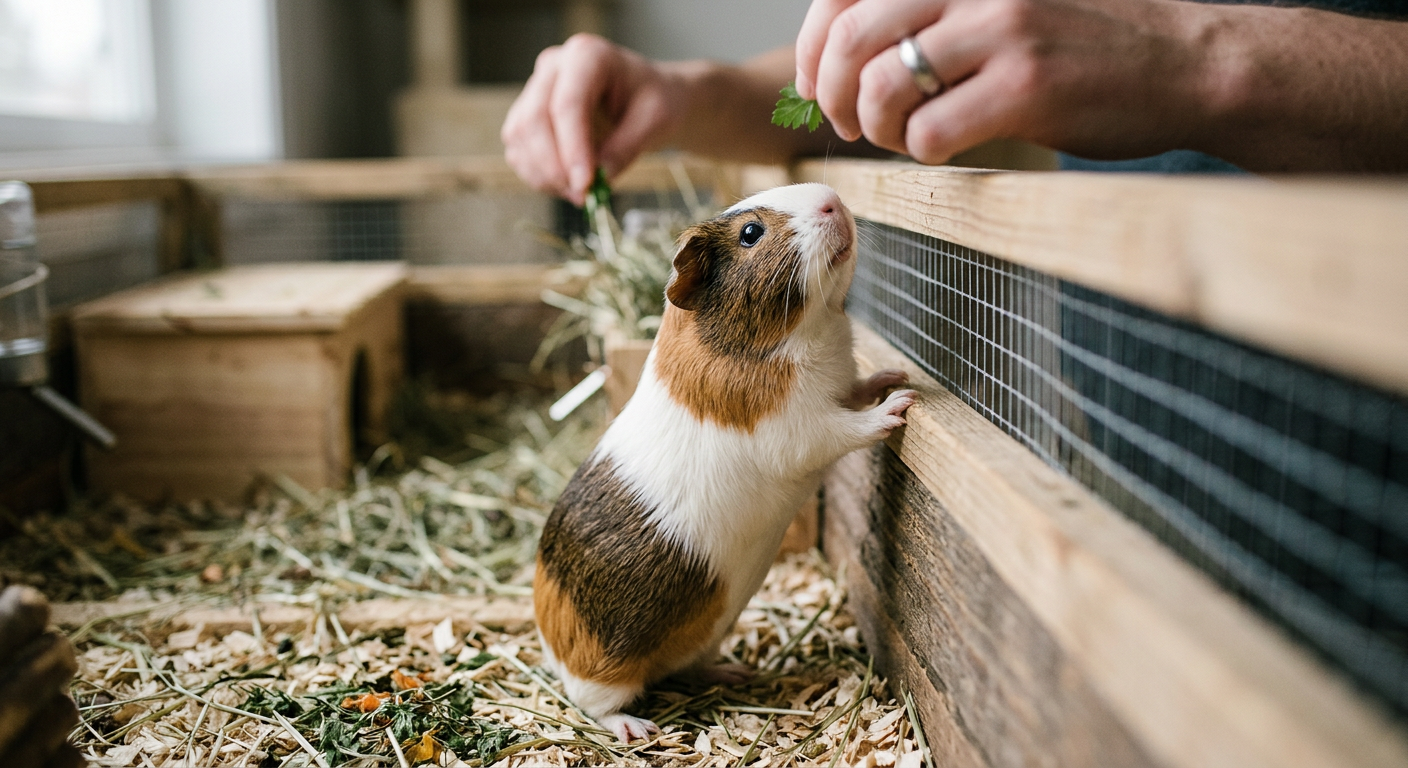
Often, your guinea pig isn't necessarily "talking" to you, but rather reacting to something you are doing. Loud noises, such as a vacuum cleaner or a crinkling bag, can trigger a rumblestrut as a defensive mechanism. They are essentially telling the noise to back off.
Changes in the cage layout can also spark this behavior. When you clean the cage and move hidey-holes around, your pet may rumblestrut around the "new" territory to reclaim it. If they do this while you are putting them back in, they are simply re-establishing their kingdom in your presence.
Responding to Your Pet
When your pet directs this behavior at you, the best response is usually to remain calm and speak in a soft, soothing voice. If they seem particularly dominant or nippy, it is best to give them a few minutes of quiet time. This reinforces that you are a safe, non-threatening part of their lives.
Monitoring their daily habits is also essential for proactive care. If your pet’s behavior changes drastically and they stop eating or drinking, you should consult a veterinarian. You can find tips on how to help a guinea pig not drinking water for a day to ensure they stay hydrated during stressful times.
When Rumblestrutting Indicates Stress
While usually harmless, frequent and intense rumblestrutting can sometimes indicate that a guinea pig is feeling stressed or overstimulated. If your pet never seems to relax and is constantly strutting at you, they may feel insecure in their environment. Ensure they have plenty of places to hide and a consistent routine.
Stress can also manifest in other vocalizations. If you hear unusual sounds at night, you might be curious about the guinea pig crying sound at night meaning, which can sometimes be linked to the same social tensions that cause rumblestrutting during the day.
Maintaining a Happy Social Environment
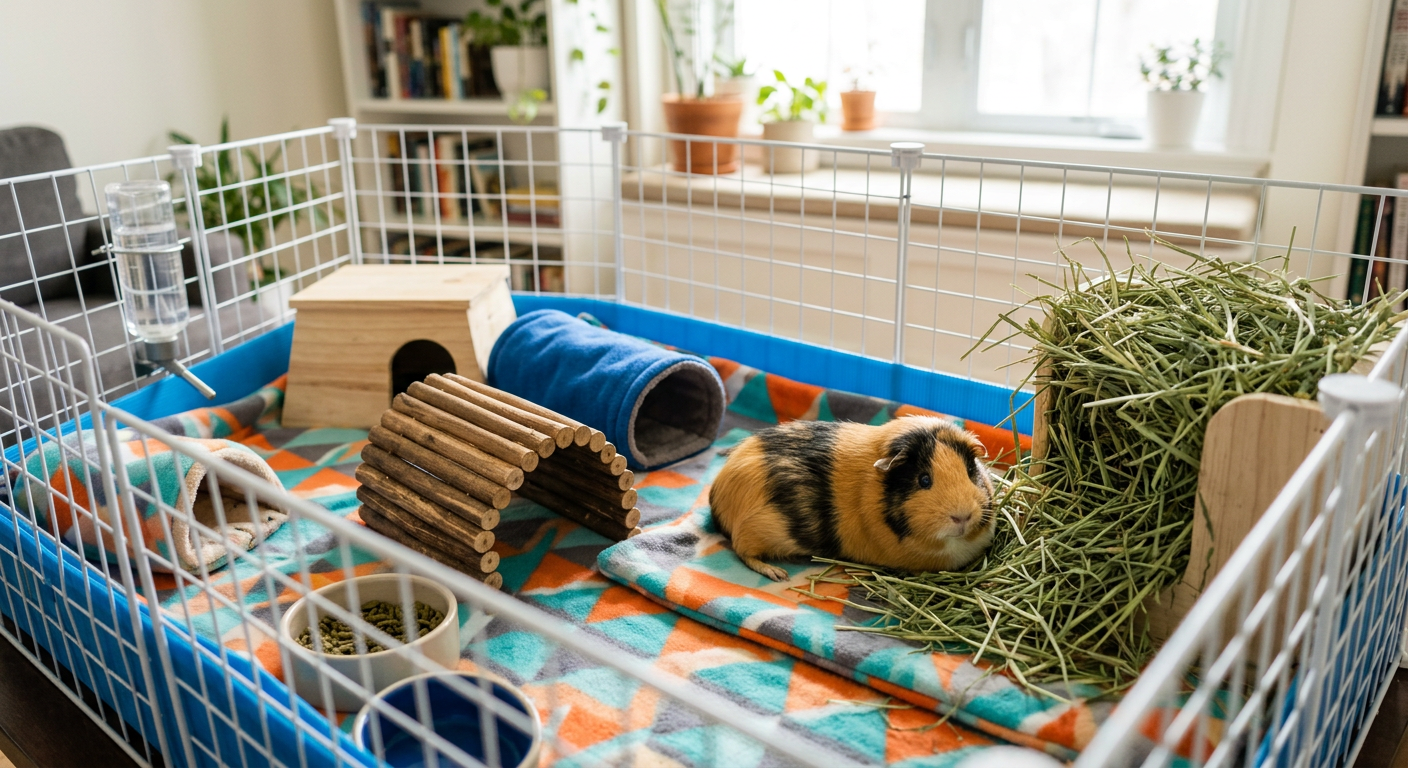
Since rumblestrutting is primarily a social tool, the environment you provide plays a huge role in its frequency. Providing a large enclosure helps reduce "turf wars" between cage mates and makes them less likely to feel the need to assert dominance over you. Happy, relaxed guinea pigs will still rumblestrut occasionally, but it will be a part of their normal personality rather than a sign of constant tension.
Always keep an eye on their movement. If you notice that the "strut" looks more like a limp or if they are dragging their back legs slightly, this is not a behavioral display and requires immediate veterinary attention. Physical health and behavioral displays often go hand-in-hand in the world of cavies.
Conclusion
In conclusion, the guinea pig rumblestrutting at owner meaning is typically rooted in dominance, hormone cycles, or a reaction to environmental changes. It is a fascinating part of their social language that shows how much personality these small animals truly have. By observing their body language and providing a stable, loving home, you can enjoy these quirky displays as a sign of a confident and communicative pet. If you ever feel that their behavior is tied to physical discomfort, such as a guinea pig making a clicking noise when breathing, always reach out to a professional veterinarian for guidance.