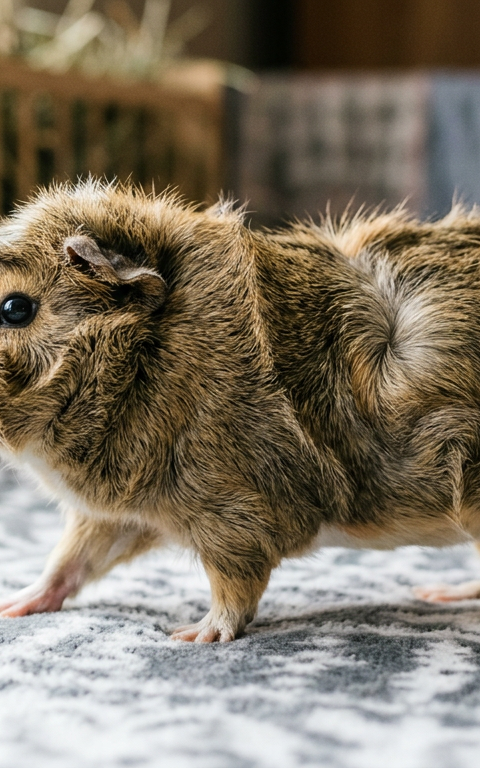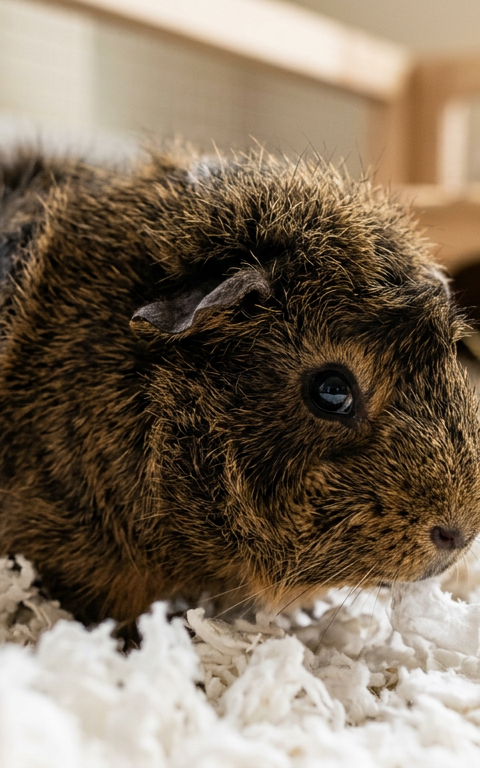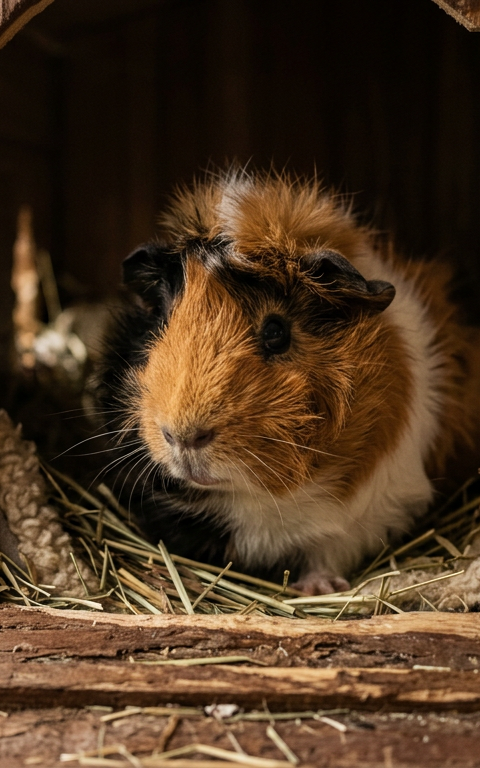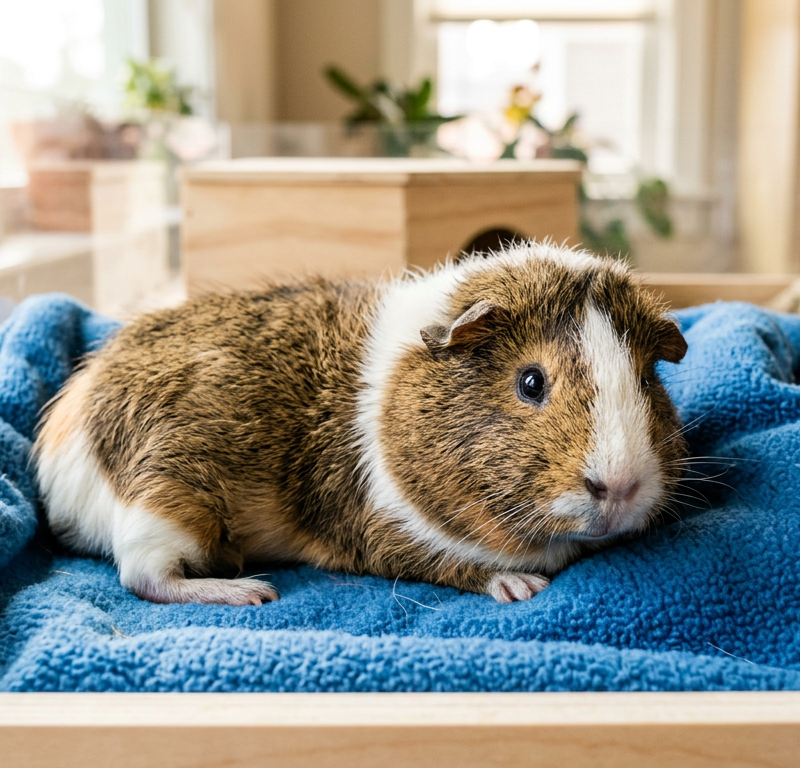
Discovering that your small pet is having trouble moving can be a concerning moment for any owner. If you notice your guinea pig dragging back legs slightly, it is important to observe their behavior closely to understand what might be happening. While guinea pigs are generally active and curious creatures, changes in their gait or rear-end mobility often signal that they need a little extra support or a check-up with a veterinarian.
Mobility issues in cavies can range from mild stiffness to more noticeable dragging. Because guinea pigs are prey animals, they are experts at hiding discomfort until a situation requires attention. By catching these subtle changes early, you can take proactive steps to ensure your furry friend remains comfortable and happy in their environment.
Understanding Why Your Guinea Pig Is Dragging Their Back Legs
When a guinea pig starts dragging their hindquarters, it usually indicates a weakness in the musculoskeletal or neurological system. This isn't a specific disease itself but rather a sign that something is affecting their ability to use their rear limbs properly. You might see them pulling themselves along with their front paws or notice a slight "wobble" when they try to run for a treat.
Identifying the root cause is the first step toward helping them. There are several common reasons why a cavy might experience hind limb weakness. These range from nutritional gaps to age-related changes that affect their daily zoomies.
Vitamin C Deficiency (Scurvy)
One of the most frequent reasons for a guinea pig dragging back legs slightly is a lack of Vitamin C. Unlike many other animals, guinea pigs cannot produce their own Vitamin C and must get it entirely from their diet. Without enough of this essential nutrient, their collagen production suffers, leading to painful joints and muscle weakness.
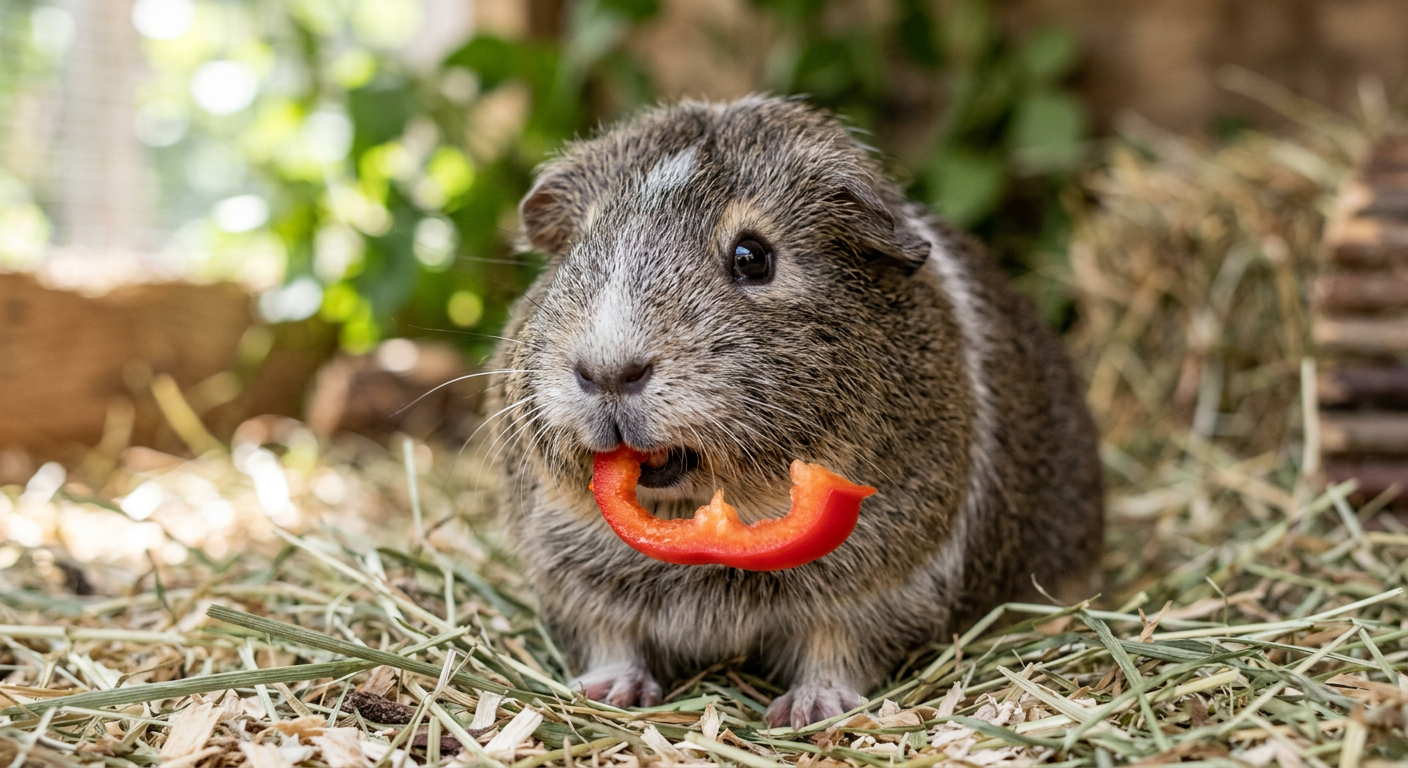
If your pet is developing scurvy, you might also notice that their guinea pig fur looks rough and dull. Ensuring they have high-quality pellets, fresh bell peppers, and Vitamin C supplements as recommended by a vet can often reverse these symptoms if caught early.
Calcium Imbalances and Bladder Stones
Guinea pigs are prone to developing bladder stones or sludge due to high calcium intake. While this is a urinary issue, the pain associated with passing stones can cause a guinea pig to hunch over or move gingerly, which can look like they are dragging their legs. They may be reluctant to put full weight on their back end because of abdominal discomfort.
Age-Related Mobility Changes
Just like humans or larger pets, guinea pigs can develop arthritis as they get older. An older cavy might not be as springy as they once were. You might notice they take longer to get out of their hidey-hole or that their back legs seem a bit stiff during the first few steps of the morning.
While we don't have a specific age calculator for cavies yet, you can see how age affects larger pets by checking out the French Bulldog age calculator to understand how different species age at different rates. For guinea pigs, "senior" status usually begins around age four or five.
Managing Arthritis in Guinea Pigs
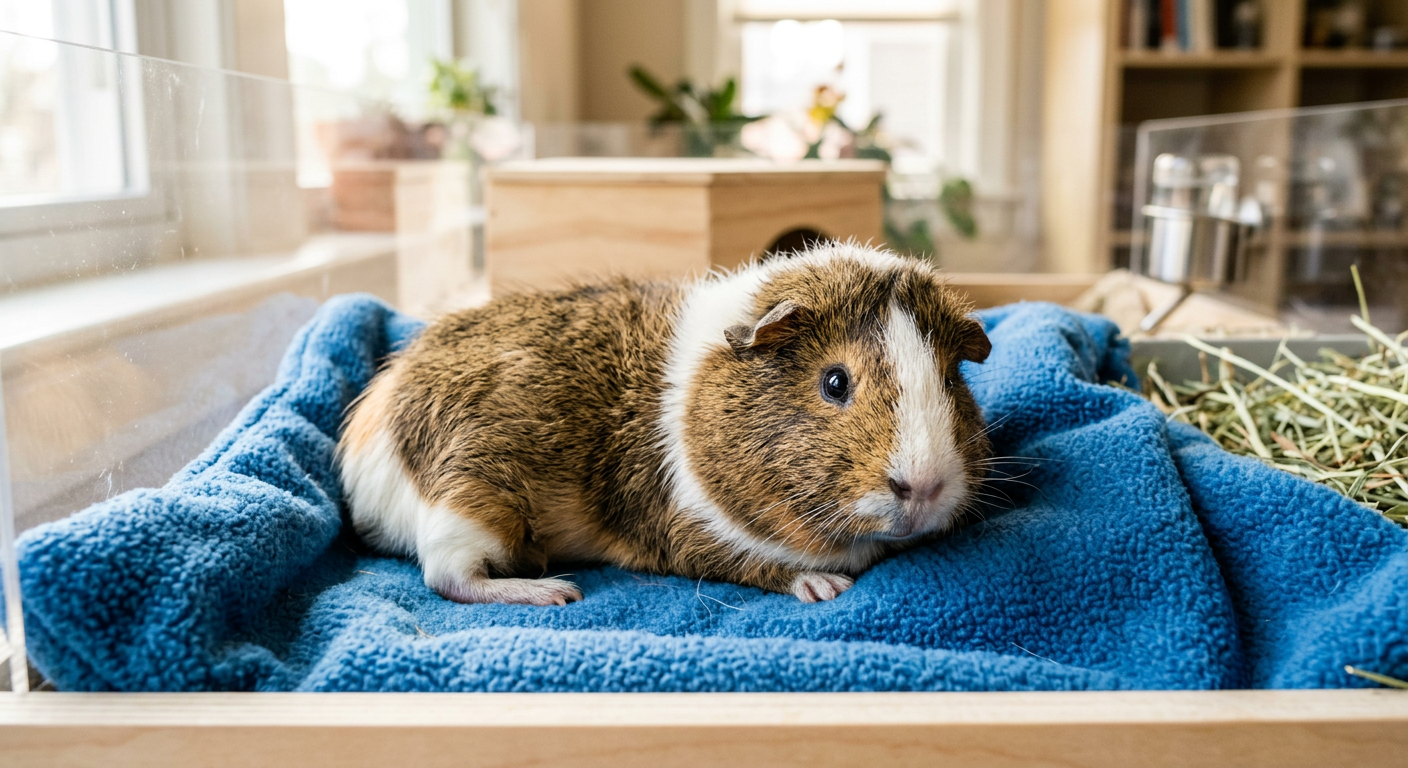
If a veterinarian confirms arthritis, there are many ways to make life easier for your pet. Providing soft bedding, like fleece liners, can cushion their joints. You should also ensure that their food, water, and favorite sleeping spots are all on one level so they don't have to climb ramps or jump over high hay racks.
Neurological and Spinal Considerations
Sometimes, the issue isn't in the muscles or joints but in the nerves. A guinea pig might have a minor spinal injury from a fall or a sudden movement. Even a small jump from a lap or a couch can sometimes lead to a "tweak" in their back that results in temporary hind limb weakness.
In some cases, a condition called "Guinea Pig Paralysis" (associated with certain viral infections) can cause progressive weakness. However, this is less common than nutritional or degenerative issues. If you notice other signs, such as a guinea pig making clicking noise when breathing, it could indicate a more systemic health concern that requires immediate veterinary attention.
What to Do if You Notice Mobility Issues
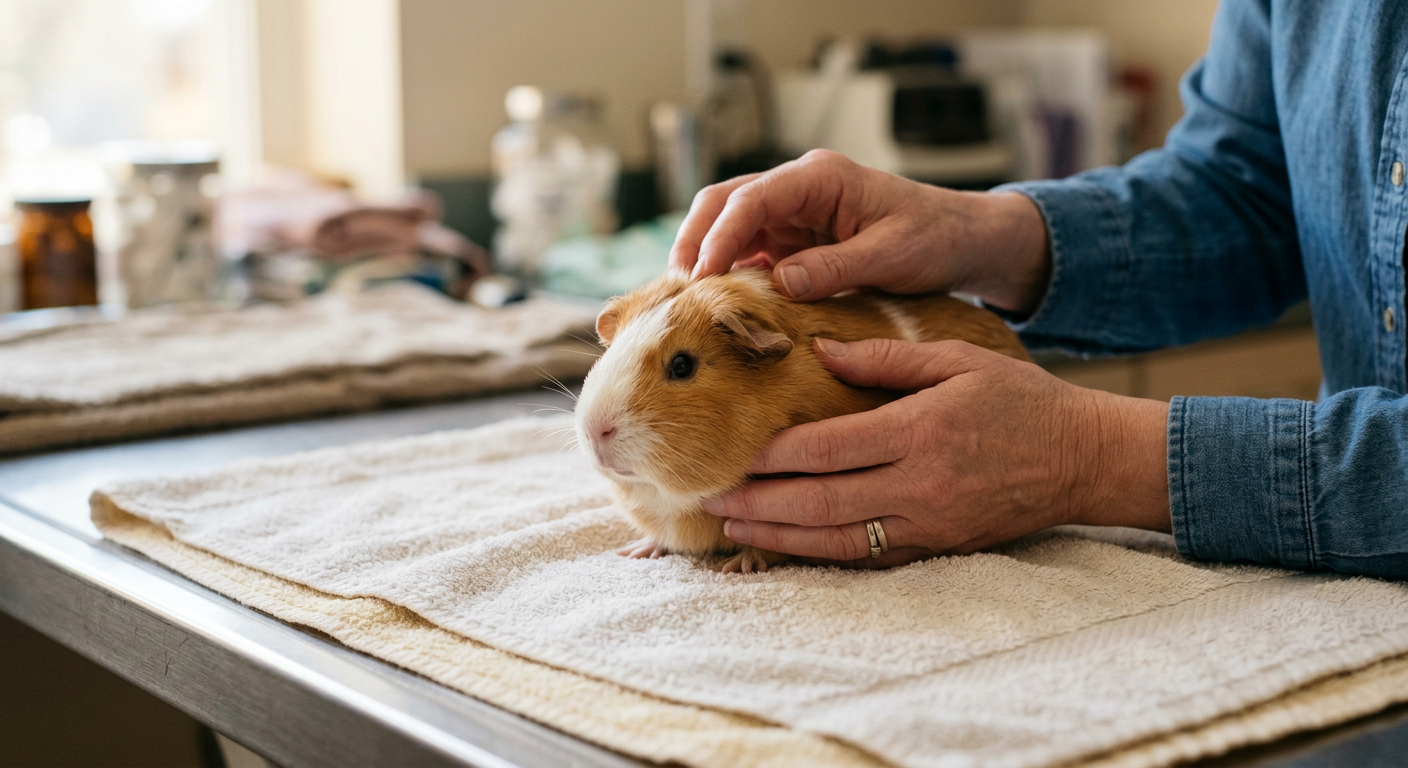
If you see your pet struggling to move, the best course of action is to stay calm and perform a gentle "home check" before heading to the vet. This helps you provide the doctor with the most accurate information possible.
- Check the feet: Look for redness or swelling (Bumblefoot), which can make walking very painful.
- Monitor appetite: A guinea pig in pain often stops eating. If they are also a guinea pig not drinking water for a day, this is a medical emergency.
- Test the grip: Gently see if they can push back against your hand with their rear feet.
- Observe the spine: Look for any unusual curves or sensitivity when you lightly touch their back.
Creating a "Hospital Cage"
While waiting for your vet appointment, move your guinea pig to a smaller, single-level enclosure. This prevents them from overexerting themselves and makes it easier for you to monitor their intake of food and water. Keeping them warm and quiet will help reduce their stress levels during this time.
Proactive Wellness and Prevention
Preventing mobility issues often starts with a great foundation of care. A balanced diet is the most important factor in keeping a guinea pig's limbs strong and healthy. This includes unlimited high-quality Timothy hay, a small amount of fortified pellets, and a variety of fresh vegetables high in Vitamin C.
Regular exercise is also vital. Even if they are moving a bit slower, "floor time" in a safe, carpeted area allows them to stretch their muscles and keep their joints lubricated. Just be sure to provide plenty of traction so they don't slip, which could cause further strain.
Environmental Modifications
Take a look at your guinea pig's cage from their perspective. Are the ramps too steep? Is the floor slippery? Simple changes like adding yoga mats under fleece or replacing high-sided litter boxes with low-entry ones can make a world of difference for a guinea pig dragging back legs slightly.
Conclusion
Seeing your guinea pig dragging back legs slightly can be a moment that requires your focused attention and care. Whether the cause is a simple Vitamin C deficiency, age-related arthritis, or a minor injury, early intervention is the key to a positive outcome. Always consult with an exotic animal veterinarian to get a professional diagnosis and a tailored treatment plan.
By staying observant and making small adjustments to their diet and environment, you can help your guinea pig enjoy a high quality of life. Your proactive care ensures that they remain the happy, whistling companions you love, even if they need a little extra help getting around.