If you have recently noticed your guinea pig eating bedding is this dangerous for their health? As a dedicated pet parent, observing your cavy nibble on their floor covering can be a bit surprising. While guinea pigs are natural foragers who explore the world with their mouths, distinguishing between normal curiosity and a potential health concern is an important part of proactive care.
The short answer is that it depends heavily on the material your pet is consuming. Guinea pigs are herbivores with sensitive digestive tracts, and their systems are designed to process high-fiber vegetation. When they begin ingesting non-food items, it often signals a need for adjustment in their environment or diet. Understanding why this happens helps you ensure your small friend stays happy and healthy.
Understanding Why Guinea Pigs Nibble Their Bedding
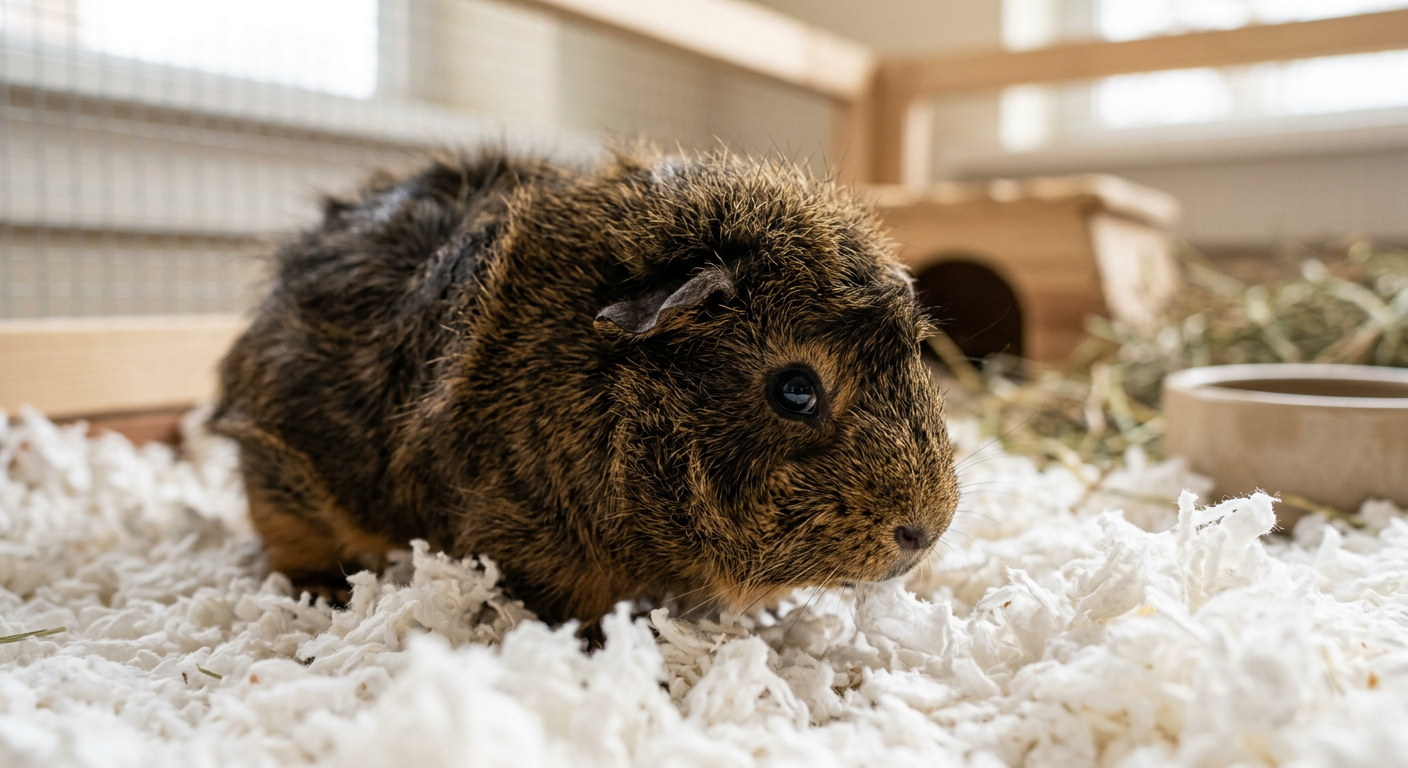
Guinea pigs are incredibly inquisitive creatures. They use their senses of smell and taste to evaluate everything in their enclosure. If you have recently changed the brand of substrate you use, your pet might simply be investigating the new texture or scent. However, frequent ingestion is usually more than just curiosity.
Sometimes, this behavior stems from a lack of dietary fiber. If a guinea pig doesn't have constant access to high-quality grass hay, they may look for other fiber sources to satisfy their digestive needs. Much like how you might check our guinea pig fur health guide to see if nutrition is affecting their coat, observing their eating habits provides clues about their internal wellness.
Boredom and Enrichment Needs
Small animals require mental stimulation to stay healthy. If a guinea pig is confined to a small space without toys, tunnels, or companions, they may turn to chewing their bedding as a way to pass the time. Ensuring they have plenty of safe wooden chews and hiding spots can often redirect this behavior.
Dental Health Considerations
A guinea pig's teeth never stop growing. They need to constantly gnaw on abrasive materials to keep their molars and incisors at a functional length. If they don't have enough hay or safe wooden toys, they might attempt to use their bedding as a substitute for dental maintenance.
Safe Bedding Materials vs Risky Options
Not all bedding is created equal. The level of concern you should have depends entirely on what the bedding is made of. Some materials pass through the digestive tract relatively easily, while others can cause serious internal blockages or toxicity.
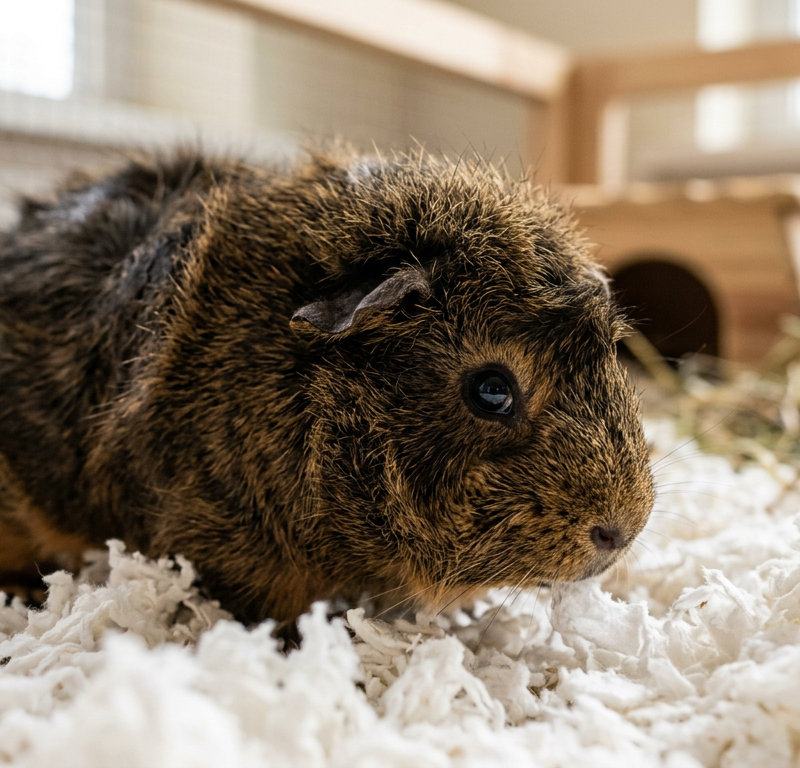
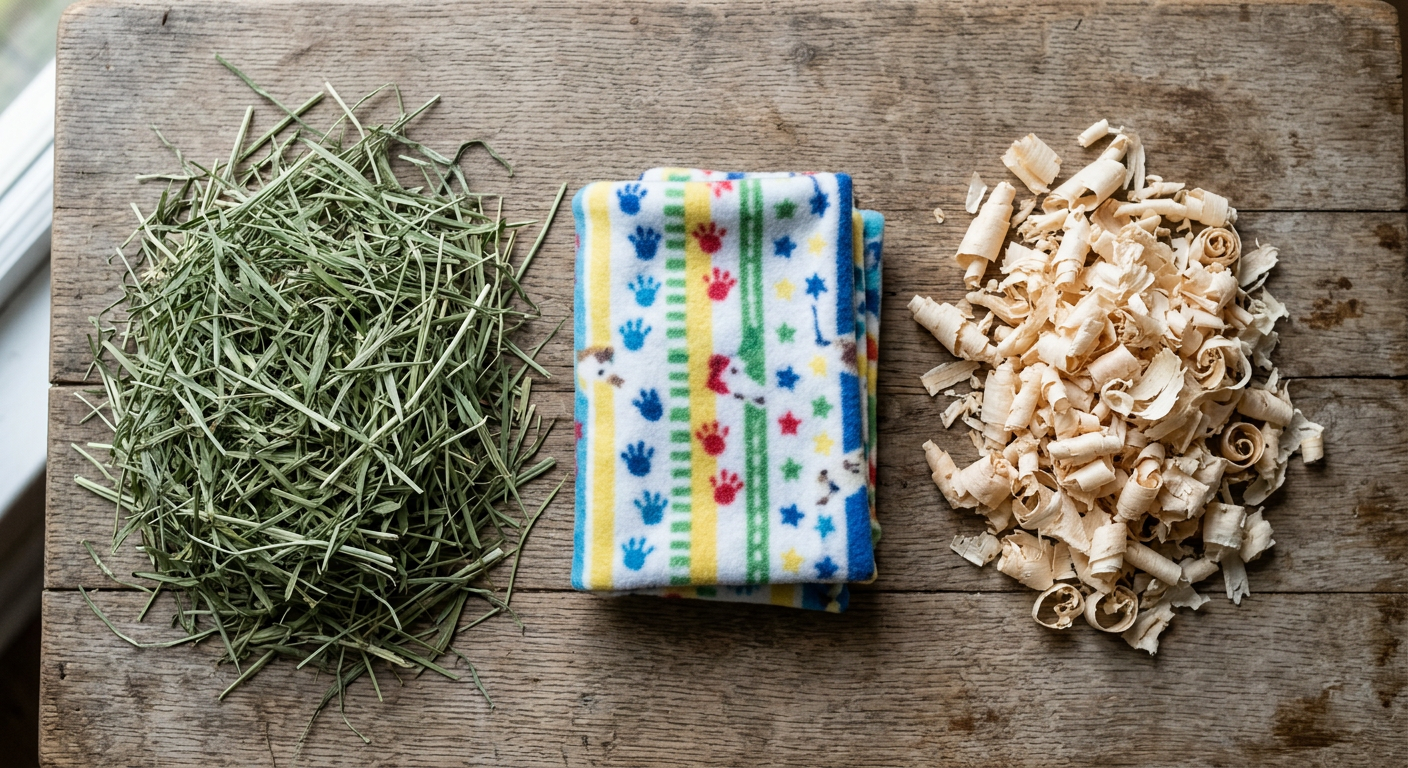
- Paper-based bedding: Generally the safest if consumed in small amounts. It is often digestible or soft enough to pass, provided it is dye-free and fragrance-free.
- Aspen wood shavings: These are safer than other woods, but large amounts can cause irritation.
- Kiln-dried pine: Safe for scent, but should not be a primary snack.
- Fleece liners: These are not meant to be eaten. If your piggie is chewing fleece, it can lead to plastic fiber ingestion, which is a wellness consideration.
- Straw: While it looks like hay, it lacks nutrition and can be sharp, potentially causing mouth injuries.
The Danger of Clumping or Scented Litters
One of the most significant risks involves clay-based or clumping cat litters. These should never be used for guinea pigs. If ingested, these materials expand in the stomach or intestines, leading to life-threatening obstructions. Similarly, scented beddings contain oils that can irritate the respiratory system, potentially leading to a guinea pig making clicking noises.
Wellness Considerations for Ingestion
When a guinea pig consumes a large amount of substrate, the primary concern is a gastrointestinal (GI) blockage or GI stasis. Because their digestive systems must always keep moving, any physical obstruction is a serious matter. If you notice your pet is no longer passing droppings or has a bloated abdomen, consult a veterinarian immediately.
Another factor is the potential for chemical toxicity. Many commercial beddings are treated with chemicals for moisture control or artificial scents. These additives aren't meant for consumption and can disrupt the delicate balance of bacteria in a guinea pig's gut. Maintaining a clean, natural environment is the best way to support their long-term health.
Signs of Digestive Distress
Keep a close eye on your pet’s behavior after you notice them nibbling. Signs that the bedding is causing issues include lethargy, a hunched posture, or a sudden loss of appetite. If you notice your guinea pig not drinking water, it could be a sign that they are feeling unwell due to something they ate.
How to Stop Bedding Ingestion
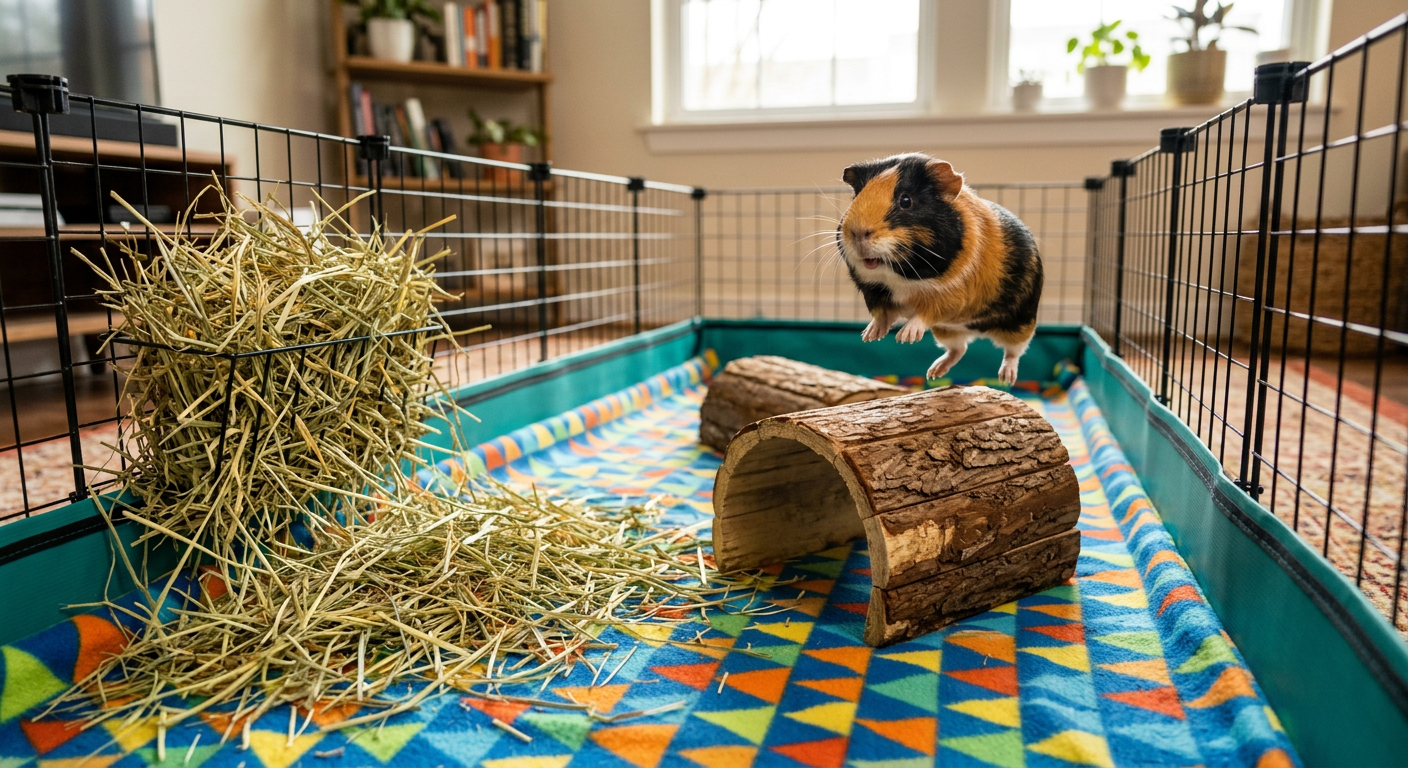
Redirection is the most effective strategy for stopping this habit. Instead of focusing on punishment, focus on providing better alternatives that satisfy their natural urges. Start by increasing the volume of Timothy hay available; it should make up 80% of their diet and be available 24/7.
You can also try changing the type of bedding you use. If your piggie loves eating paper fluff, switching to high-quality fleece liners might solve the problem. Fleece doesn't have the same "organic" feel as loose substrate, which often makes it less tempting to eat. Just ensure the fleece is tucked in well so they can't reach the edges to chew.
Providing Safe Foraging Opportunities
Since guinea pigs love to forage, give them safe ways to do it. Hide healthy pea flakes or herb mixes inside cardboard tubes stuffed with hay. This mimics their natural behavior and keeps their focus away from the floor material. Providing variety in their environment keeps their minds active and their mouths busy with safe items.
When to Consult a Veterinarian
If your guinea pig has consumed a significant amount of non-digestible bedding, such as plastic-backed puppy pads or wood chips, a professional opinion is necessary. A veterinarian can perform a physical exam to check for signs of discomfort or bloating. They may recommend specific treatments to help move the material through the system safely.
Early intervention is always the best approach. If you notice any change in their bathroom habits or energy levels, don't wait. A quick check-up can provide peace of mind and ensure your pet receives the proactive care they need to recover quickly from any dietary indiscretions.
Summary of Proactive Care
Monitoring your pet's environment is a continuous process. While a little bit of paper nibbling usually isn't a cause for alarm, consistent ingestion of any substrate requires your attention. By providing ample hay, mental stimulation, and safe bedding choices, you create a secure space for your guinea pig to thrive.
In conclusion, if you see your guinea pig eating bedding is this dangerous, the answer depends on the material and the amount. Always prioritize natural, fragrance-free options and keep their diet focused on high-fiber hay. With a few simple adjustments, you can keep their environment safe and their digestive systems running smoothly.