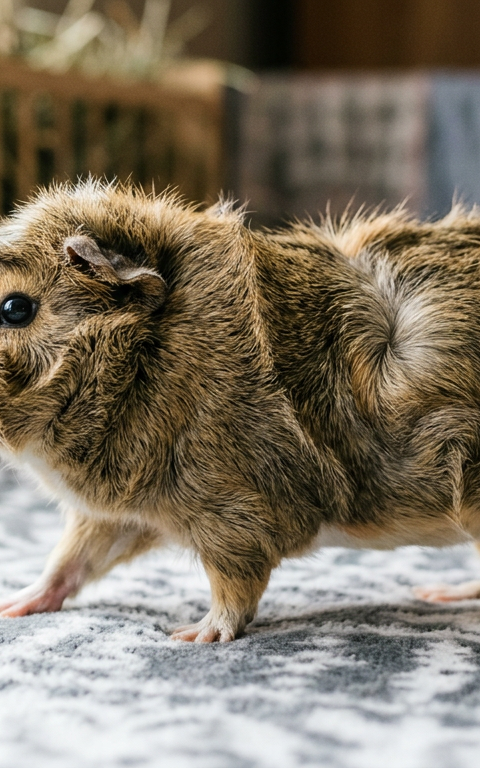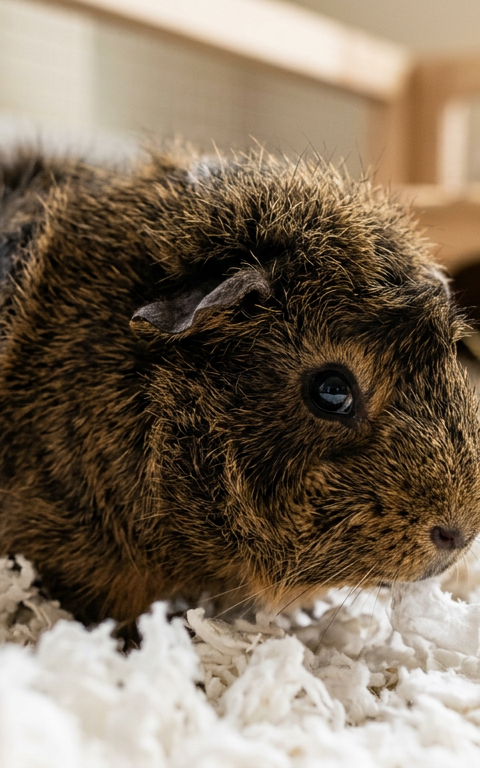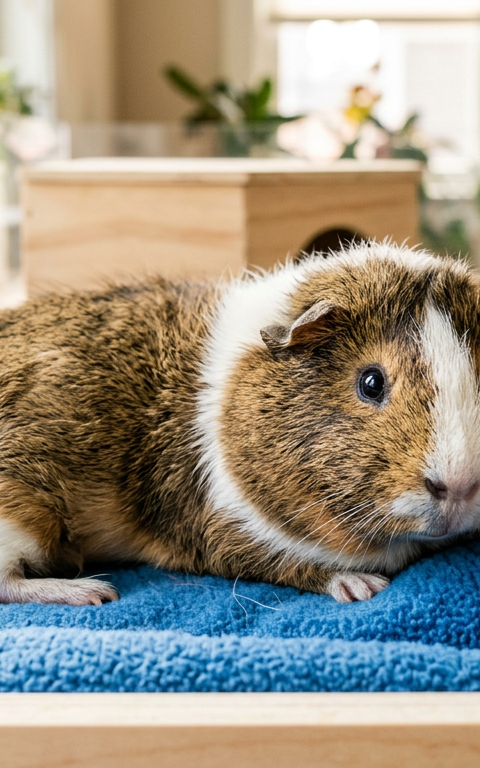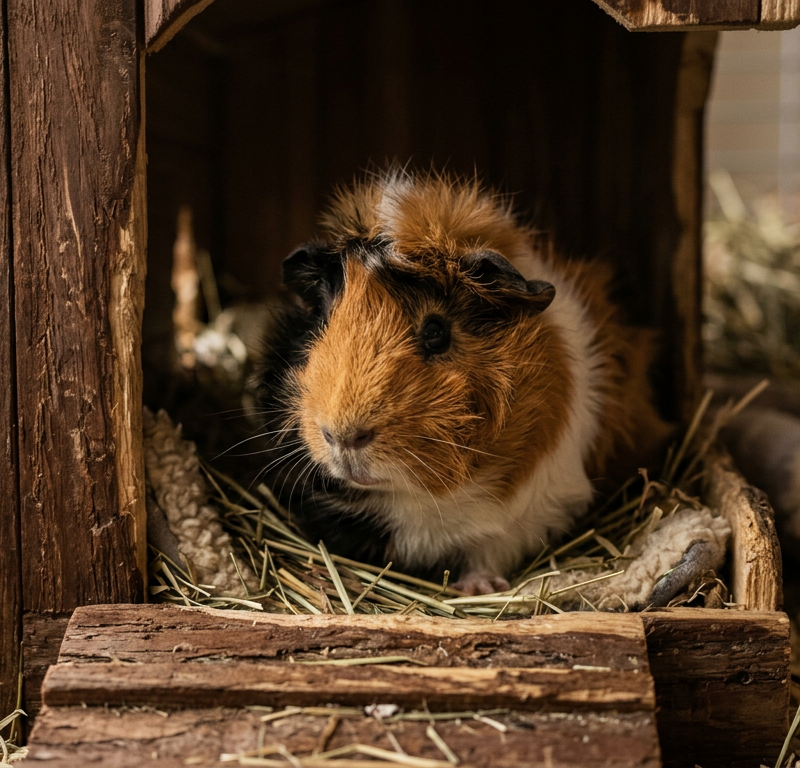
Finding yourself awake in the early hours because of a guinea pig crying sound at night meaning can be a puzzling experience for any pet parent. These small rodents are famous for their wide vocal range, often communicating through squeaks, purrs, and chirps. However, hearing a sound that resembles crying during the quietest part of the night usually signals that your pet is trying to tell you something important about their environment or physical state.
Understanding these nighttime vocalizations is a key part of proactive care. Because guinea pigs are prey animals, they often mask signs of discomfort during the day when the household is busy. The calm of the night provides them a safer space to express their needs, whether those needs are social, dietary, or related to their general wellness.
The Different Types of Nighttime Vocalizations
Before determining the cause of the noise, it is helpful to identify exactly what you are hearing. A guinea pig crying sound at night meaning often refers to "wheeking," which is a long, loud squeak. This is different from the mysterious "chirping" sound, which sounds remarkably like a bird and often leaves owners baffled.
Wheeking is typically a call for attention or food. If your guinea pig has associated the sound of the refrigerator door or a plastic bag crinkling with treats, they might wheek at night if they hear a similar noise or simply feel hungry. While it can sound distressed, it is frequently just a very loud request for a midnight snack.
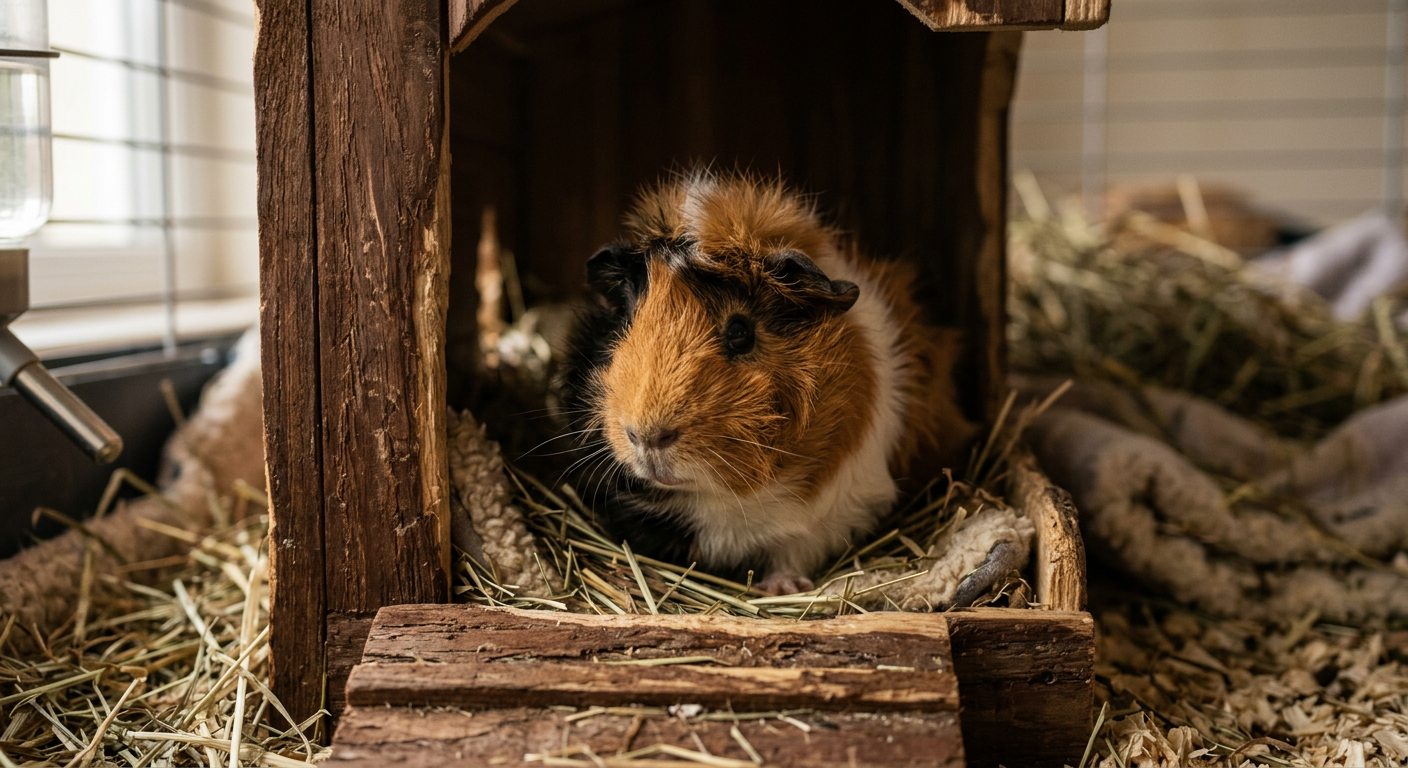
Distinguishing Whining from Wheeking
Whining or whimpering is a softer, more rhythmic sound than a loud wheek. This sound is often heard when a guinea pig is being bothered by a cage mate or is feeling a bit under the weather. If the sound is persistent and accompanied by a hunched posture, it may indicate that your pet is experiencing some form of mild discomfort.
It is also worth noting that guinea pigs may "mutter" in their sleep. Much like dogs or cats, these small pets can have active dream cycles. If the crying sound is brief and the piggie appears to be sleeping soundly otherwise, it might just be a vivid dream about a field of fresh parsley.
Common Reasons for Nighttime Crying
When investigating a guinea pig crying sound at night meaning, the first place to look is the cage environment. Hunger is the most common culprit. Guinea pigs have fast metabolisms and need constant access to high-quality hay to keep their digestive systems moving. If the hay rack is empty, they will certainly let you know.
Thirst is another major factor. If a water bottle is clogged or has run dry, your guinea pig may vocalize their frustration. It is a good habit to check that the water ball is moving freely before you head to bed. You can read more about managing hydration in our guide on how to help a guinea pig not drinking water for a day.
- Loneliness: Guinea pigs are highly social creatures. If they are housed alone, they may cry out for companionship.
- Temperature Shifts: A drafty window or a sudden drop in room temperature can cause distress.
- Boredom: Without enough enrichment, a bored piggie might vocalize just to see if they can get a reaction from you.
- Environmental Fright: A sudden shadow or a strange noise outside can startle them into a series of alarm whistles.
Wellness Considerations and Physical Comfort
While most nighttime noises are behavioral, sometimes a guinea pig crying sound at night meaning relates to physical wellness. If the sound occurs specifically when the guinea pig is moving or trying to go to the bathroom, it warrants a closer look. Straining while urinating or defecating can cause a sharp, pained cry.
You should also observe their movement during the day. If you notice your pet is moving differently or perhaps dragging back legs slightly, the nighttime crying could be linked to mobility issues or discomfort in their joints. Always consult a veterinarian if you suspect your pet is in pain.
Respiratory Health and Sounds
Sometimes what sounds like crying is actually a sound produced by the respiratory system. If the "crying" has a rhythmic, clicking, or rattling quality to it, it might not be a vocalization at all. We have a detailed breakdown of what it means when a guinea pig is making a clicking noise when breathing.
A healthy guinea pig should have clear eyes and a clean nose. If the nighttime vocalizations are paired with sneezing or a discharge from the eyes, these are signs that a vet visit is necessary. Catching respiratory issues early is a vital part of keeping your small friend happy and healthy.
How to Quiet the Nighttime Cries
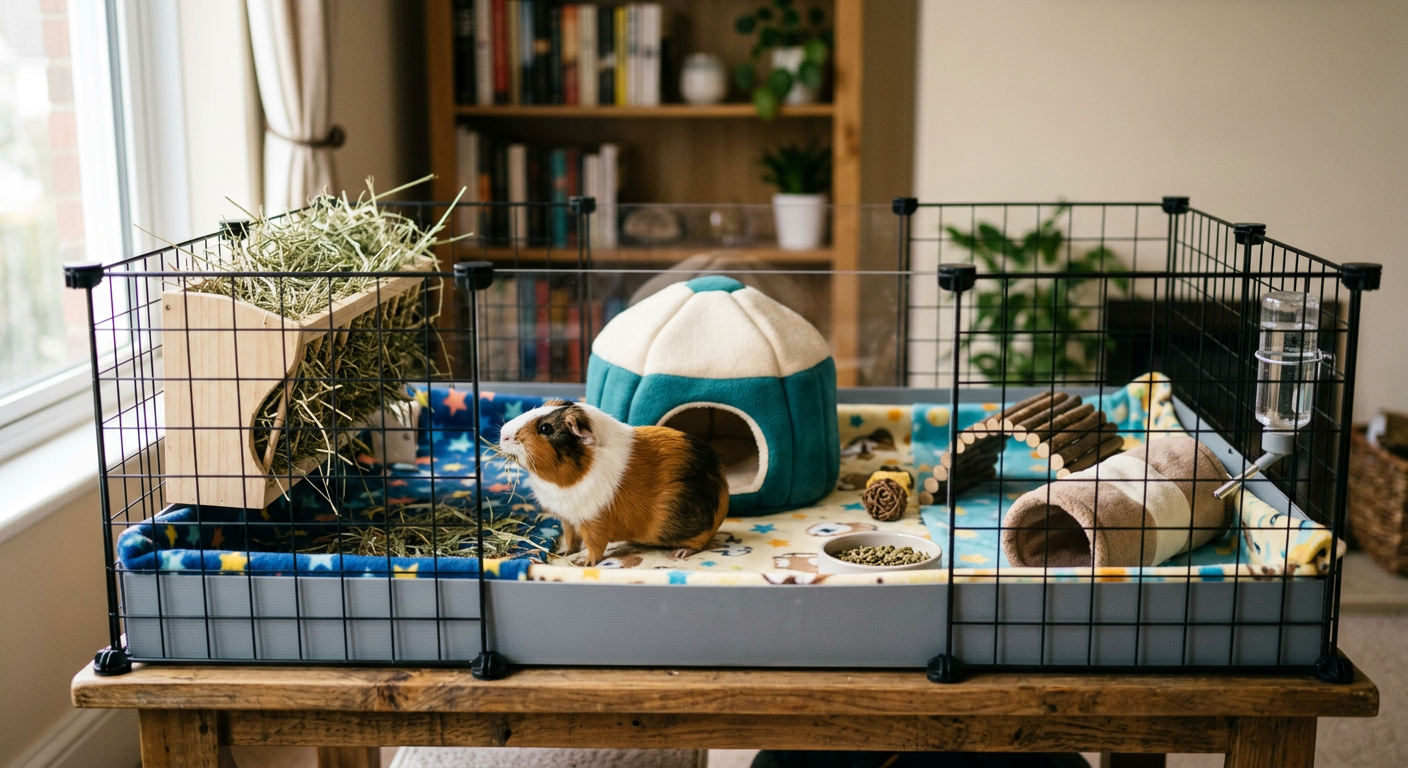
Once you have ruled out health concerns with your veterinarian, you can focus on adjusting the environment to encourage a quieter night. Start by establishing a consistent "lights out" routine. Guinea pigs thrive on predictability, and having a set time for their final vegetable snack and cage check can help them settle down.
Ensure they have plenty of "hidey holes." A guinea pig that feels secure in a dark, cozy hut is much less likely to cry out in alarm at shadows or household noises. Soft fleece bedding can also dampen sound and provide extra warmth, making the cage a more inviting place to rest.
If you suspect the crying is due to loneliness, consider if your setup allows for a companion. Guinea pigs are almost always happier in pairs or small groups. Having a friend to snuggle with at night often eliminates the need for attention-seeking vocalizations.
When to See a Veterinarian
If the guinea pig crying sound at night meaning remains a mystery and is accompanied by changes in appetite or coat quality, it is time for a professional opinion. For example, if you notice that your guinea pig's fur looks rough and dull alongside these noises, it could point to a nutritional deficiency or an underlying skin condition.
Trust your instincts as a pet owner. You know your guinea pig's "normal" better than anyone else. If a new sound feels urgent or persistent, or if your pet seems lethargic during the day, seeking veterinary advice is the safest course of action. They can perform a full physical exam to ensure there are no hidden sources of discomfort.

Creating a Peaceful Environment
Ultimately, a guinea pig crying sound at night meaning is usually a request for something they lack. By ensuring they have unlimited hay, fresh water, a companion, and a secure place to sleep, you are meeting their primary needs. Most "crying" is simply their way of interacting with the world around them.
Keep a log of when the sounds occur. If you notice they only cry at 2:00 AM when the central heating kicks in, you've found your answer! Small adjustments can lead to much quieter nights for both you and your beloved pet. With a little patience and observation, you will soon become an expert in translating your guinea pig's unique nighttime language.