Understanding Changes in Your Guinea Pig's Coat
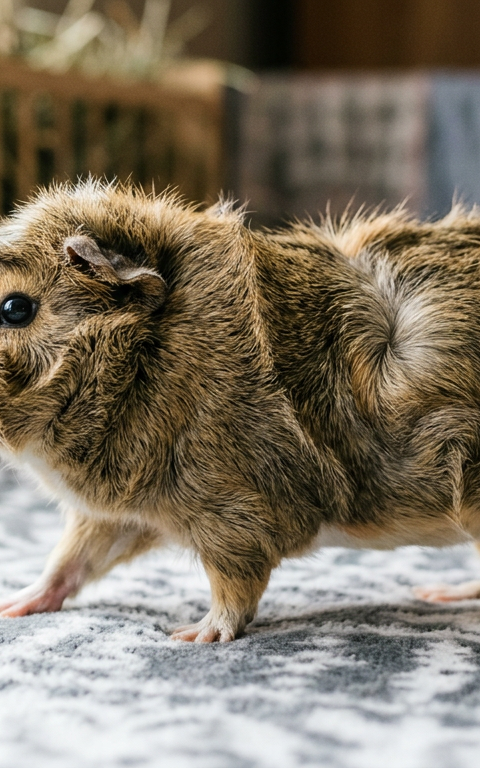
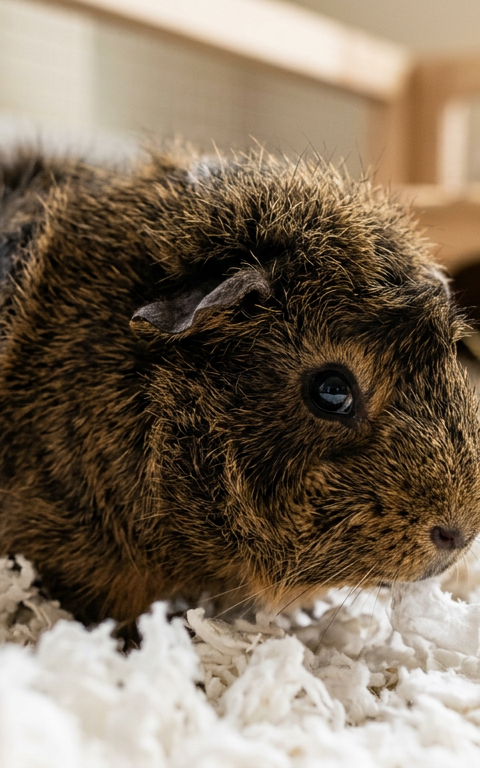
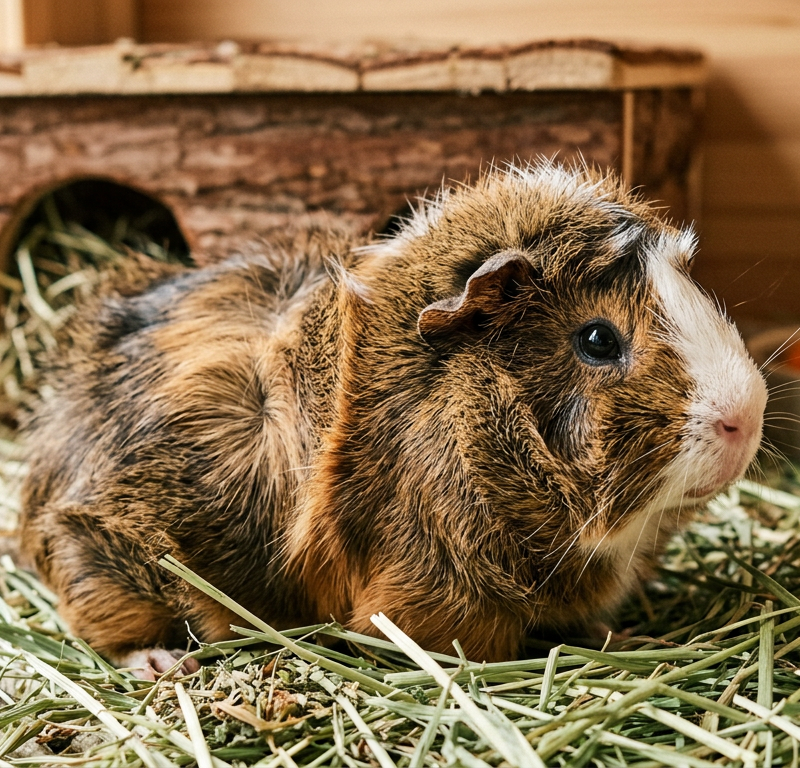
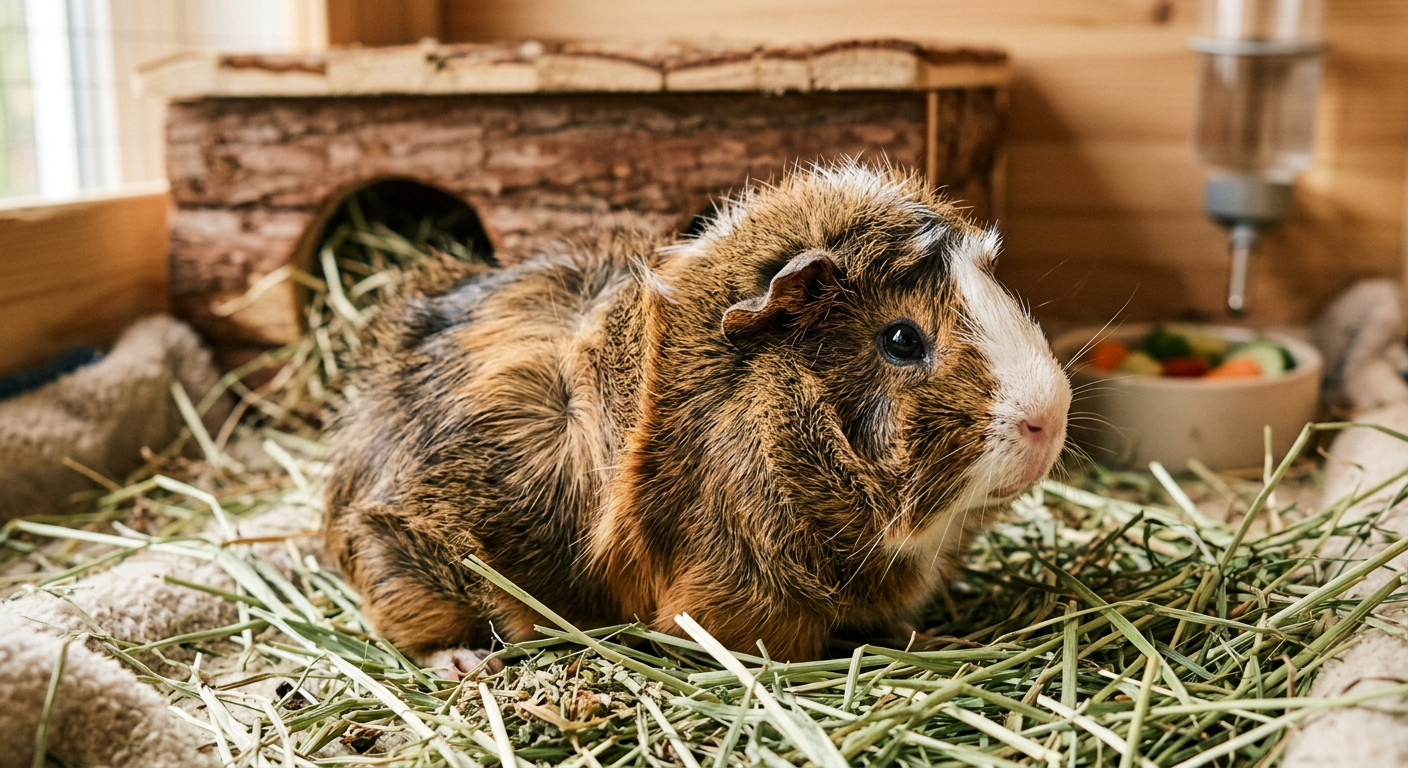
When you spend time with your small pets, you quickly get to know the natural shine and softness of their hair. However, you might wake up one morning and notice your guinea pig fur looks rough and dull compared to its usual luster. A vibrant coat is often a primary indicator of overall wellness in cavies, reflecting their internal health and nutritional status.
A change in fur texture can happen gradually or appear quite sudden. While a slight loss of shine isn't always a cause for immediate worry, it serves as a helpful visual cue from your pet that something in their environment or diet might need adjustment. Understanding the "why" behind these changes helps you provide the best possible care for your furry companions.
The Role of Nutrition in Fur Health
Diet is perhaps the most significant factor influencing the quality of a guinea pig's coat. These herbivores require a very specific balance of vitamins and minerals to maintain their skin and hair. When the diet is lacking, the body prioritizes internal organs over fur production, leading to a brittle or matte appearance.
Vitamin C is the most critical component for guinea pigs because, like humans, they cannot produce it themselves. A deficiency can lead to scurvy, which often manifests as a rough, unkempt coat before more serious symptoms arrive. Ensuring high-quality pellets and fresh vegetables are provided daily is essential for maintaining that healthy glow.
Common Causes for a Dull Guinea Pig Coat
There are several reasons why your pet's hair might lose its sparkle. Identifying the root cause is the first step toward restoring their appearance. Most of these factors are manageable with simple lifestyle changes or a quick visit to a professional.
- Inadequate Vitamin C intake or expired pellets.
- Natural aging processes that slow down oil production.
- Environmental stressors like high humidity or sudden temperature shifts.
- Internal parasites or underlying metabolic issues.
- Dehydration from a malfunctioning water bottle or lack of fresh water.
If you notice other signs like heavy breathing, you may want to read our guide on guinea pig making clicking noise when breathing to see if your pet's symptoms are related to a respiratory concern. Always observe your pet's behavior alongside their physical appearance.
Hydration and Skin Elasticity
Water plays a vital role in keeping skin hydrated, which in turn supports a healthy hair follicle. If a guinea pig is slightly dehydrated, their skin may become dry and flaky, causing the fur to stand out at odd angles and look "puffed up" or coarse. Ensure they always have access to clean, fresh water and check their sipper tubes daily for clogs.
Grooming Habits and External Factors
Guinea pigs are generally very clean animals that spend a good portion of their day grooming. If you notice their hair looks messy or unrefined, it might be because they have stopped grooming themselves as thoroughly. This can happen if the pet is feeling a bit under the weather or has limited mobility due to age.
External parasites, such as mites or lice, are another common reason for coat deterioration. While these are common "wellness considerations," they can cause significant itching and secondary skin infections if not addressed. You might see your pet scratching more often or notice thinning patches of fur along their back and sides.
The Impact of Bedding and Cleanliness
The environment your guinea pig lives in directly impacts their fur quality. If the bedding is damp or contains high levels of ammonia from urine, it can strip the natural oils from the hair. Using absorbent, dust-free bedding and spot-cleaning the cage daily will help keep their coat smelling fresh and looking clean.
For owners who also have larger pets, it is interesting to see how coat health varies across species. For instance, you can check the border collie age calculator to see how life stages affect the grooming needs of different animals in your home.
How to Improve Your Guinea Pigs Coat Texture
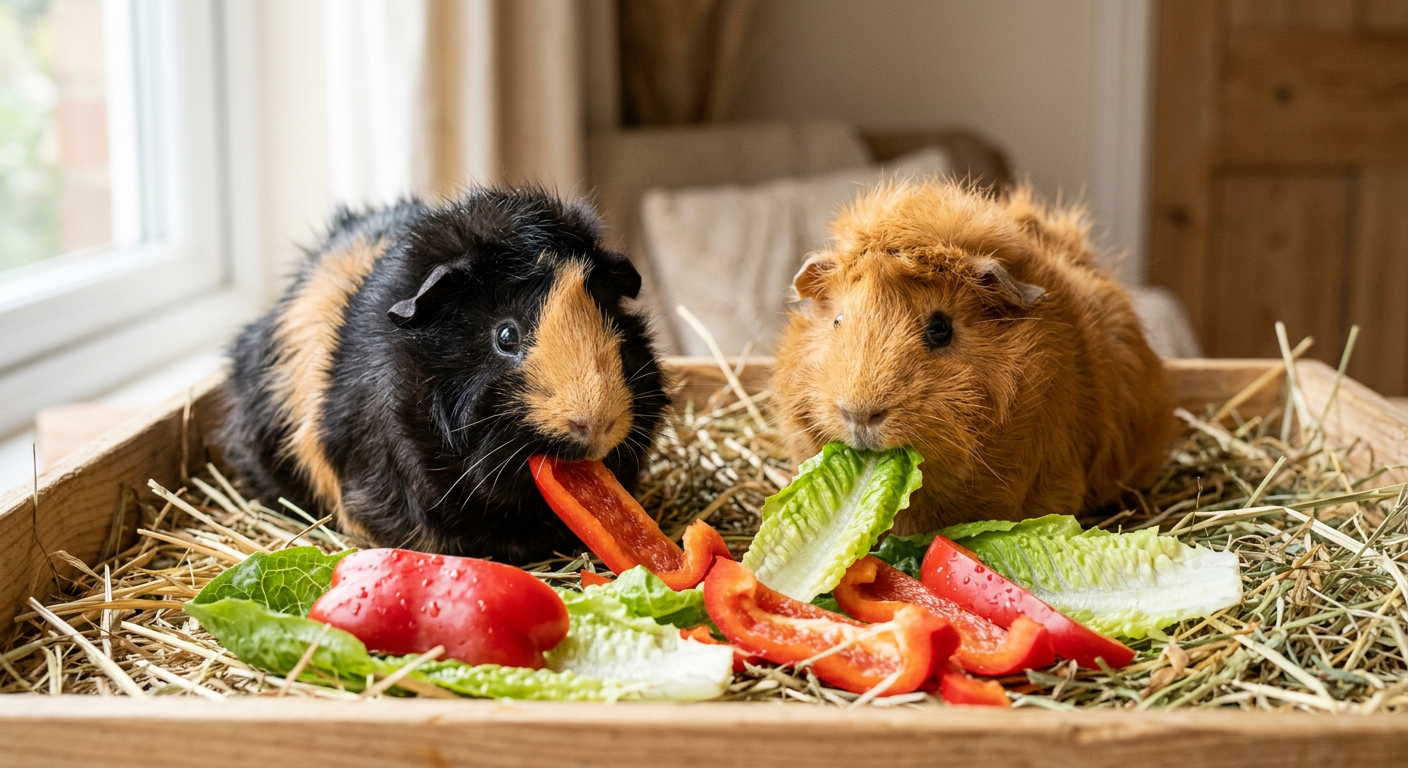
Restoring a beautiful shine to your pet's fur usually involves a multi-pronged approach focusing on nutrition and hygiene. Start by auditing their daily food intake. Ensure they are receiving at least 1/8 to 1/4 cup of fresh, Vitamin C-fortified pellets and a handful of leafy greens like bell peppers, kale, or parsley.
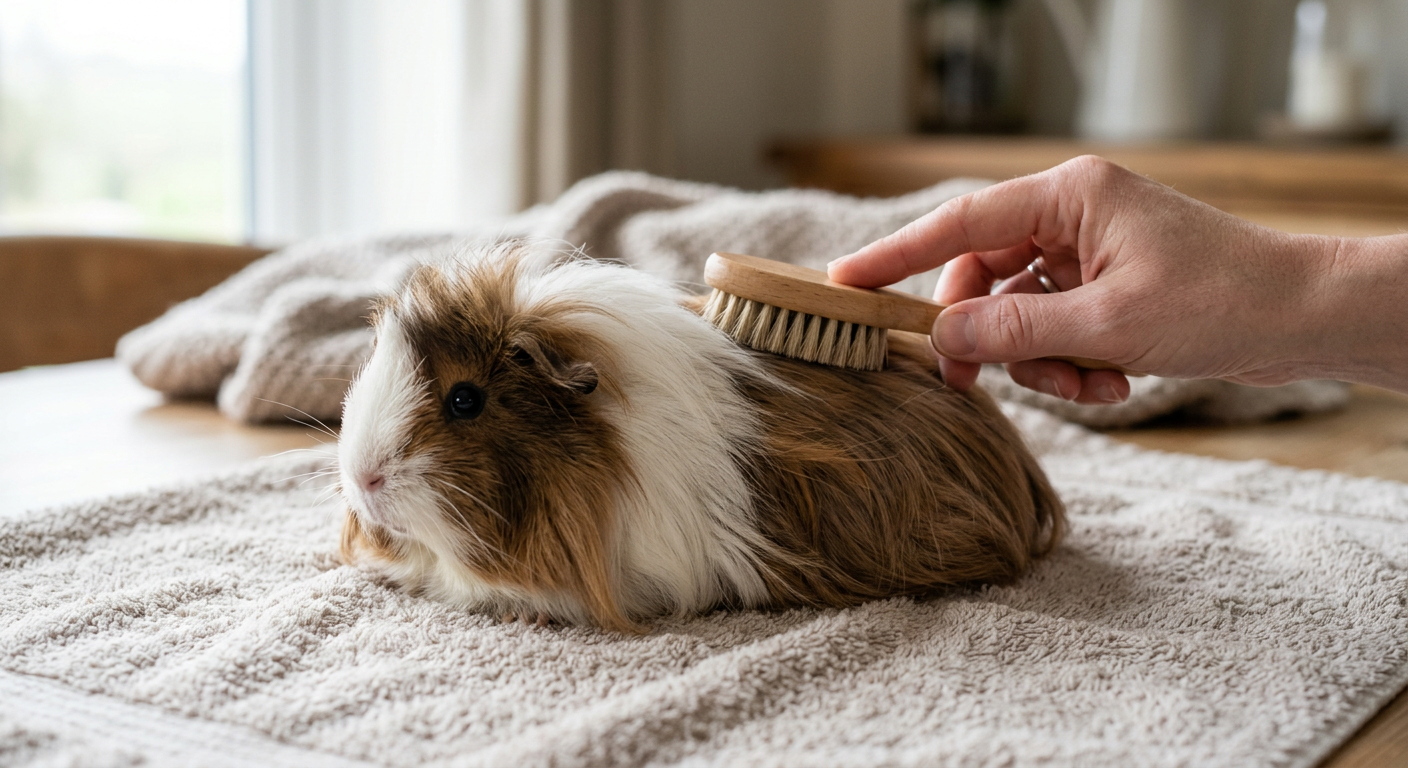
Regular brushing, even for short-haired breeds like the American or English guinea pig, helps distribute natural skin oils throughout the hair shaft. For long-haired breeds like Peruvians or Shelties, daily brushing is a must to prevent painful mats that can pull on the skin and cause the fur to look ragged.
Supplementing for Shine
In some cases, your veterinarian might recommend a specific supplement. Small amounts of flaxseeds or specialized "skin and coat" treats can provide Omega-3 and Omega-6 fatty acids. However, be cautious with treats, as guinea pigs can easily become overweight if given too many high-fat seeds or sugary fruits.
When to Consult a Veterinarian
While many coat issues can be resolved at home, some situations require professional intervention. If your guinea pig fur looks rough and dull and is accompanied by weight loss, lethargy, or bald patches, it is time to schedule a wellness check. A vet can perform a skin scraping to rule out mites or run blood tests to check for vitamin deficiencies.
Early intervention is always the best path to a happy pet. Most skin and coat issues are easily treatable with the right medication or dietary adjustments. By being proactive, you ensure your guinea pig stays comfortable and continues to look their best for years to come.
Final Thoughts on Cavy Coat Care
Maintaining a healthy appearance for your pet is a rewarding part of animal ownership. When you notice that your guinea pig fur looks rough and dull, treat it as a gentle reminder to check in on their nutritional needs and living environment. With a little extra Vitamin C, regular brushing, and a clean habitat, your piggy will likely be back to their soft, shiny self in no time.