Discovering your guinea pig not drinking water for a day can feel unsettling for any dedicated pet parent. Hydration is a cornerstone of guinea pig health, as these small herbivores rely on constant fluid intake to manage digestion and kidney function. While it is not always an immediate emergency, it is a sign that requires your close attention and proactive care.
Guinea pigs are creatures of habit and often mask signs of discomfort. When their water intake drops, it could be due to something as simple as a clogged bottle tip or something more complex like a dental issue. Understanding the nuances of their hydration habits helps you provide the best support for your furry friend.
Identifying Why Your Guinea Pig Isn't Drinking
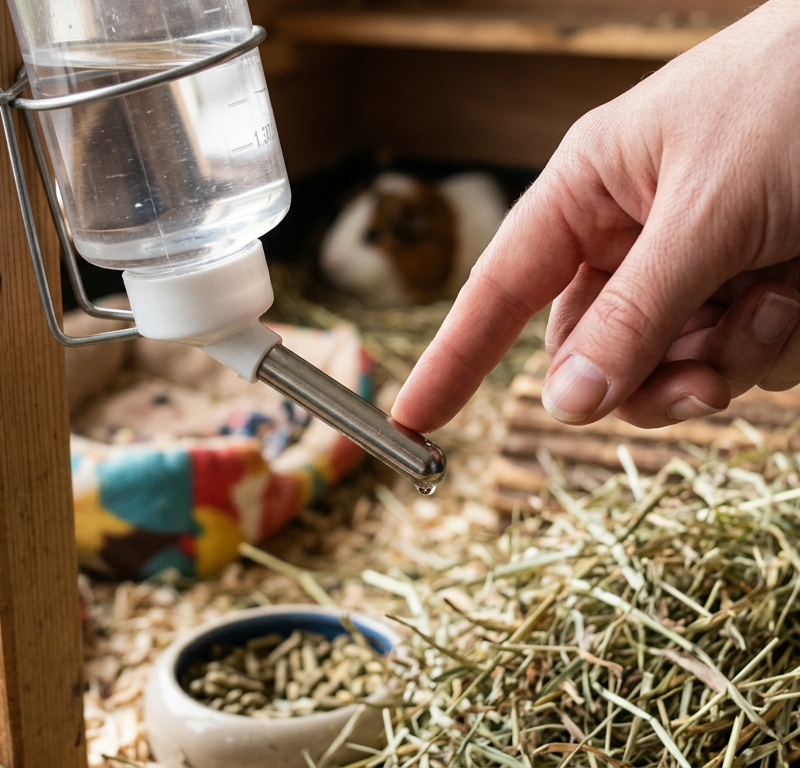
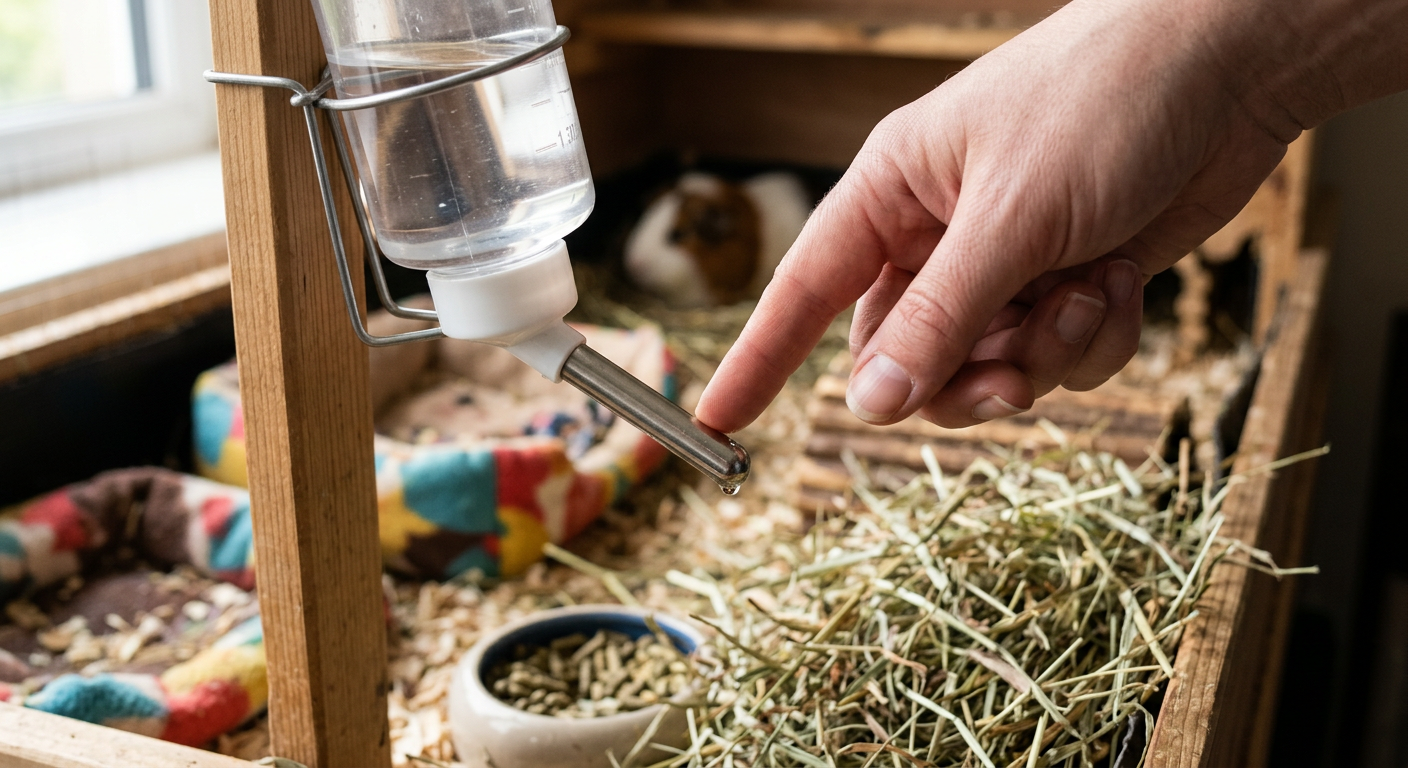
Every guinea pig has a unique drinking style. Some prefer ceramic bowls, while others are accustomed to gravity-fed drip bottles. If you notice the water level hasn't moved in twenty-four hours, the first step is to check the equipment. Air bubbles can sometimes trap the metal ball in the nozzle, preventing water from flowing even when the pig tries to drink.
Environmental and Dietary Factors
Sometimes, the reason for a decrease in water consumption is external. If you have recently switched water brands or moved the cage to a noisier area, your pet might be feeling a bit hesitant. Guinea pigs are sensitive to changes in their environment, and stress can occasionally manifest as a temporary change in appetite or thirst.
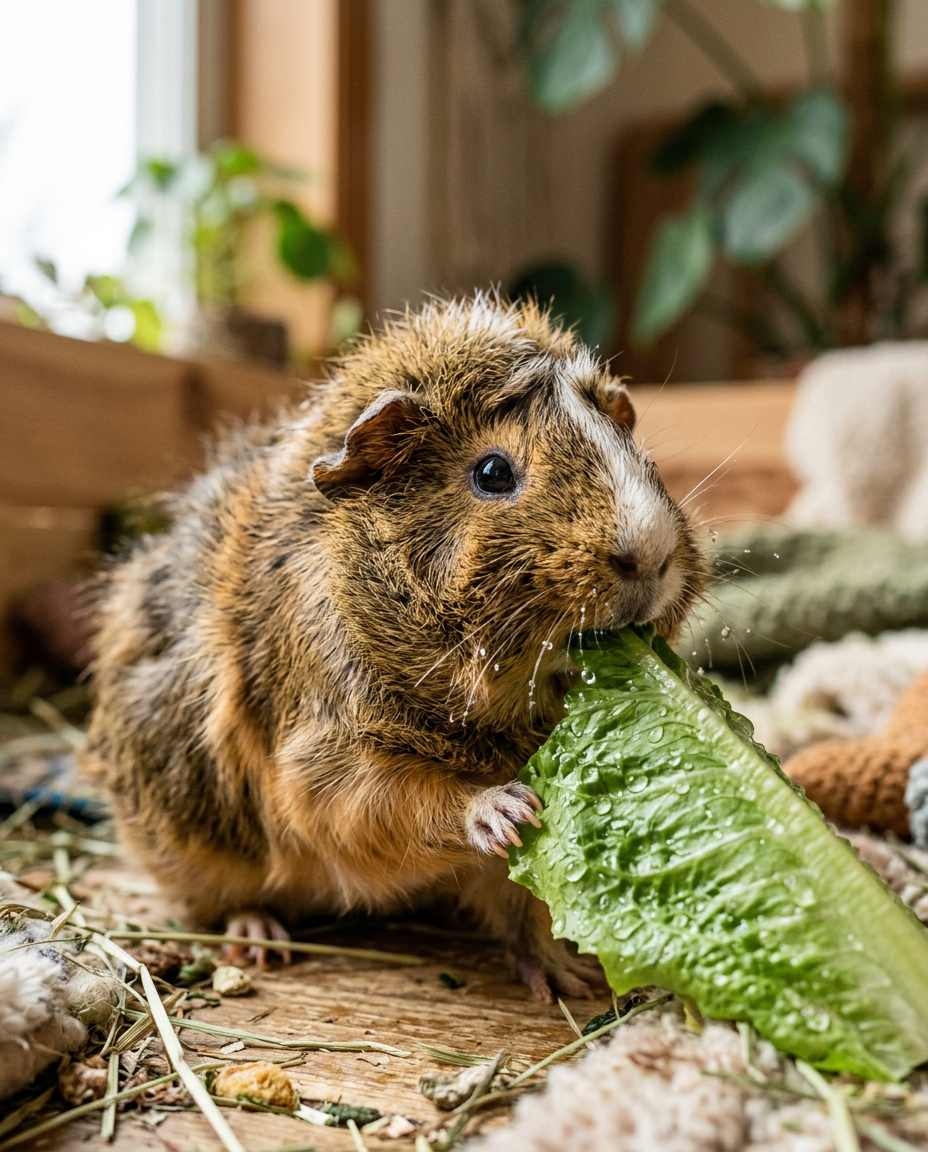
Diet also plays a major role in how much water they seek out. If you have recently fed them a large amount of watery vegetables, such as cucumber, romaine lettuce, or bell peppers, they may be getting their hydration directly from their food. This ❝hidden hydration❞ often accounts for a lower visible water line in their bottle.
Potential Dental and Mouth Issues
If your guinea pig wants to drink but seems unable to, it might be a wellness consideration related to their teeth. Guinea pigs' teeth grow continuously throughout their lives. If they become overgrown or misaligned, it can make using a water bottle nozzle painful or physically difficult.
Keep an eye out for other signs of dental discomfort, such as dropping food, drooling (often called ❝slobbers❞), or a slower eating pace. For more information on how physical changes can impact their overall appearance, you might want to read about guinea pig fur looks rough and dull as these issues sometimes occur together.
Recognizing the Signs of Dehydration
Monitoring your pet for dehydration is vital when they aren't visiting the water station. You can perform a simple ❝tent test❞ by gently pinching the skin on their shoulders. In a well-hydrated guinea pig, the skin should snap back instantly; if it stays up or moves back slowly, they likely need more fluids.
- Checking for sunken or dull-looking eyes.
- Monitoring for dry or tacky gums instead of moist ones.
- Observing smaller, drier, or less frequent droppings.
- Noticing a general lack of energy or lethargy.
If you notice these signs along with your guinea pig not drinking water for a day, it is important to reach out to a veterinarian. Early intervention is the kindest way to ensure they return to their bubbly, energetic selves quickly.
Encouraging Your Guinea Pig to Hydrate
If your pet seems otherwise healthy but isn't drinking enough, there are several gentle ways to encourage them. Offering water in multiple formats can help. Try placing a heavy ceramic bowl in the cage alongside their usual bottle. Some guinea pigs find lapping from a bowl more natural and less effort than using a vacuum valve bottle.
Flavoring and Freshness
Ensure the water is fresh and cool every single day. Just like humans, guinea pigs prefer the taste of fresh water over water that has been sitting for several days. Occasionally, adding a small slice of cucumber to their water bowl can entice them with a familiar scent, though you must clean the bowl frequently to prevent bacteria growth.
You can also increase their moisture intake by washing their leafy greens and serving them while they are still dripping wet. This provides extra droplets of water with every bite of their salad. This is an excellent proactive care strategy during warmer months or when your pet seems less interested in their bottle.
When to Consult Your Veterinarian
While a short period of low water intake can sometimes be managed at home, certain symptoms require professional advice. If your guinea pig stops eating entirely, becomes very quiet, or shows signs of respiratory distress, a vet visit is necessary. For instance, if you hear a guinea pig making clicking noise when breathing, this could indicate an underlying issue affecting their overall comfort and thirst.
A veterinarian can provide subcutaneous fluids if your pet is severely dehydrated. They can also perform a thorough dental exam to ensure there are no spurs on the molars that make drinking uncomfortable. Remember, you know your pet best; if your intuition says something is off, a professional check-up is always the safest route.
Monitoring Behavior for Clues
Take note of any other behavioral changes. Are they hiding more than usual? Are they making their typical happy ❝wheek-wheek❞ noises when the fridge opens? Tracking these small details can help your vet determine if the lack of drinking is a primary issue or a secondary symptom of something else. Being proactive about these wellness considerations ensures your guinea pig lives a long and happy life.
Establishing a Hydration Routine
Consistency is key to guinea pig health. By establishing a routine, you can easily spot when something is out of the ordinary. Check water levels at the same time every morning and evening. This habit allows you to understand exactly how much your specific pet usually consumes, making it easier to notice if they have stopped drinking for a day.
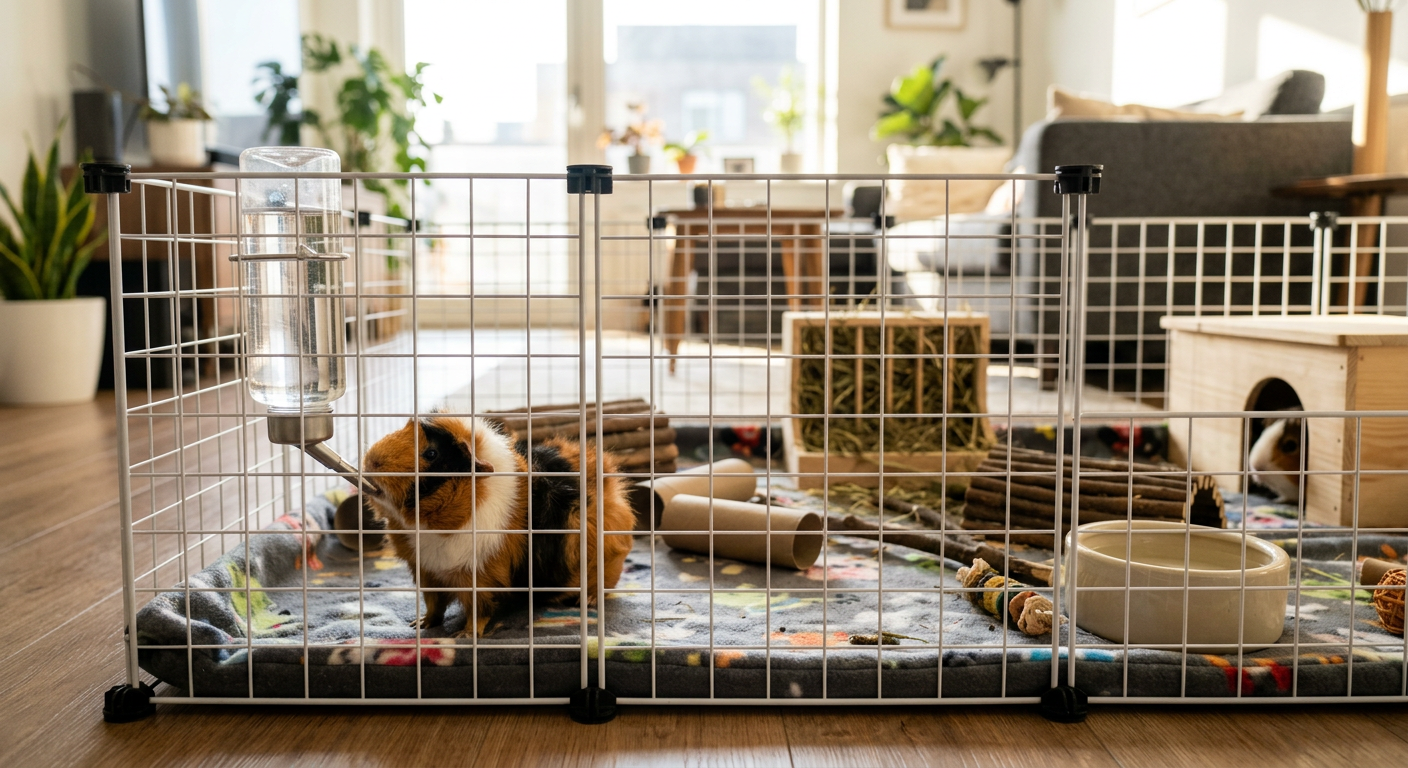
Consider the placement of the water source as well. It should be easily accessible and located in a part of the cage where the guinea pig feels secure. If a more dominant cage mate is guarding the water bottle, your less dominant pet might be too shy to drink. Providing two water sources at opposite ends of the enclosure can prevent this social hurdle.
By staying observant and responsive to their needs, you provide a loving and safe environment for your guinea pigs. Whether it’s a simple mechanical fix or a dietary adjustment, your attention to their hydration is a vital part of being a great pet owner.