How to Manage a Cat Suddenly Active at 2am Every Night
July 14, 2026
6 min read
Understanding the Midnight Zoomies
If you find your cat suddenly active at 2am every night, you are certainly not alone in your feline-induced sleep deprivation. This common phenomenon is often referred to by pet parents as the "midnight zoomies" or "cat crazies." While it can be frustrating to hear your cat galloping across the hardwood floors when you are trying to rest, this behavior is usually a natural expression of their biological needs.
Cats are crepuscular creatures, meaning they are naturally most active during the dawn and dusk hours. However, living with humans often shifts their internal clocks. When a cat is suddenly active at 2am every night, it often indicates a surplus of stored energy that hasn't been burned off during the daylight hours when you might be at work or running errands.
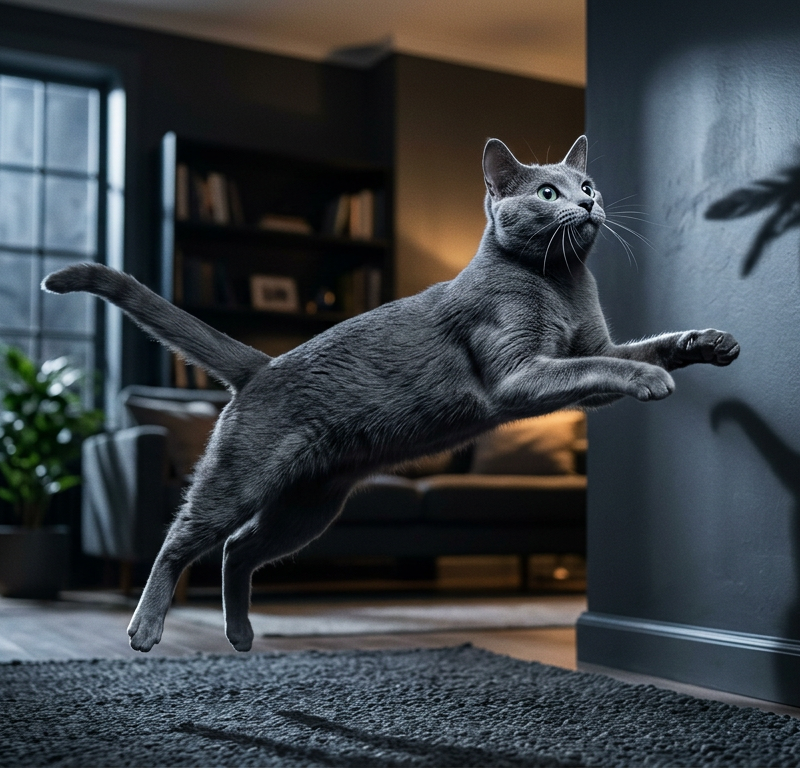
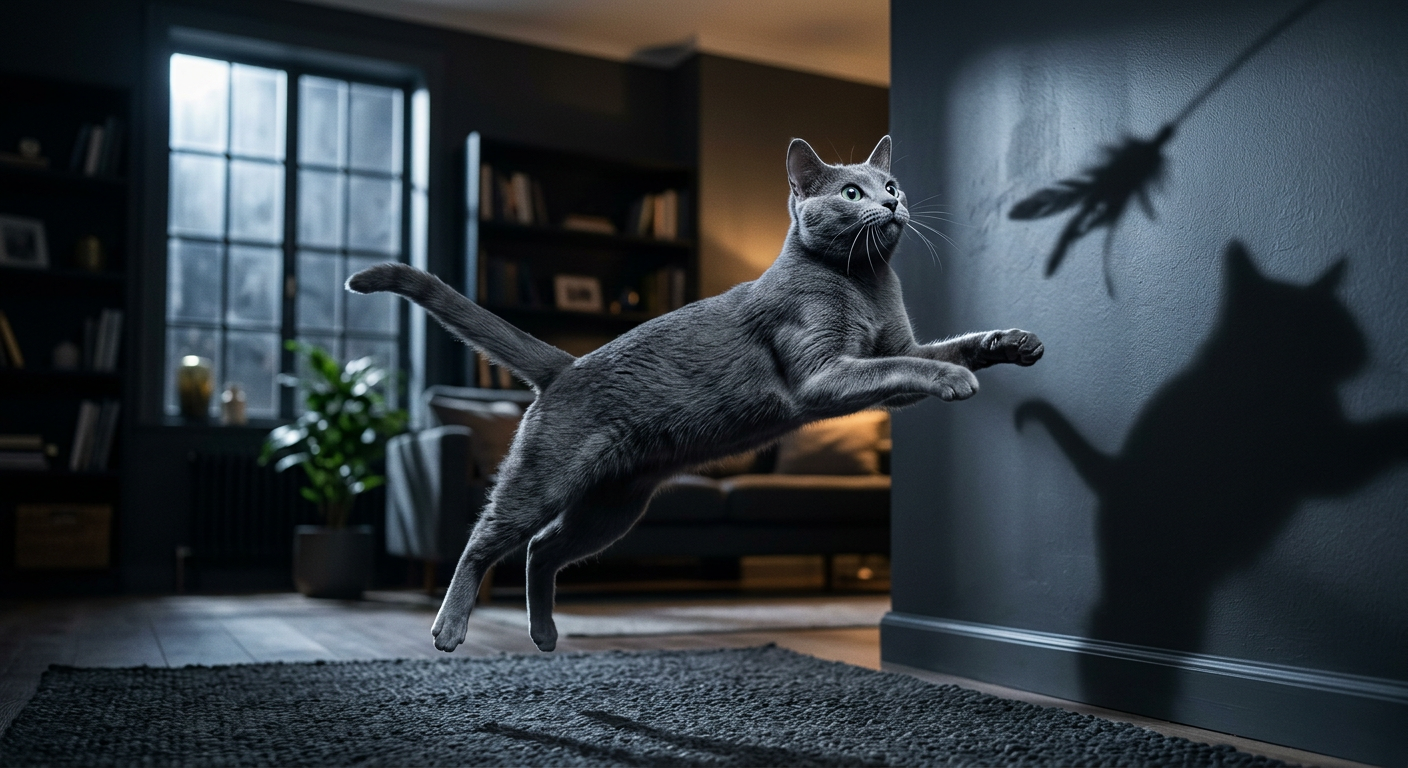
An energetic domestic shorthair cat leaping through the air in a dimly lit living room at night.
The Hunter Within
To understand why your cat leaps off the walls at 2 a.m., we must look at their evolutionary history. Wild felines are solitary hunters that rely on short, explosive bursts of energy to catch their prey. Even the most pampered indoor cat retains these powerful predatory instincts.
When they aren't hunting, they are resting to conserve energy for the next chase. If your cat spends twelve hours napping while the house is quiet, they are essentially "charging their batteries" for a hunt that never happens, leading to an explosion of activity once the lights go out.
Common Reasons for Nighttime Activity
There are several reasons why your feline friend might be choosing the middle of the night to practice their gymnastics. Some of these are behavioral, while others may be related to their environment or life stage.
Unmet Social Needs: Cats often crave interaction after a long day of solitude.
Hunger: A stomach rumbling in the early hours can lead to restless searching.
Environmental Stimuli: Seeing a moth or hearing a mouse in the walls can trigger an immediate hunting response.
Pent-up Energy: Lack of physical and mental stimulation during the day.
The Role of Age and Breed
Age plays a significant factor in how energetic a cat is during the night. Kittens and young adults have significantly more stamina and curiosity than senior cats. For example, a young Maine Coon may stay active longer into the night compared to a more sedentary breed.
If you are curious how your cat's energy levels compare to other breeds, you might enjoy reading about the energy differences between active breeds to see how different species handle their daily excitement. Younger cats are simply hardwired to explore and play as a way of learning about their world.
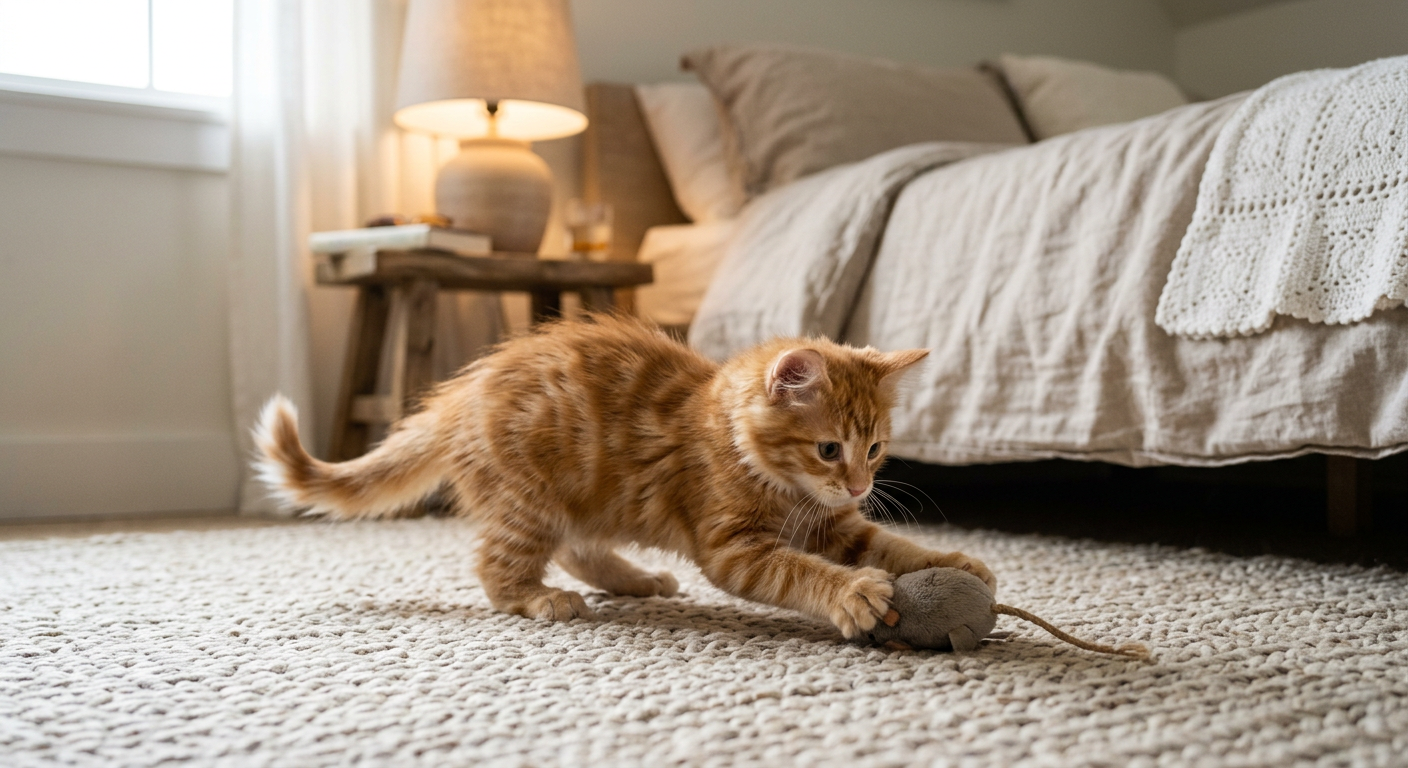
A small orange kitten pouncing on a soft toy in a bedroom during the night.
Wellness Considerations for Restlessness
While most nighttime activity is behavioral, sometimes a cat suddenly active at 2am every night may be experiencing a wellness change. If this is a brand-new behavior in an older cat, it is always a good idea to consult your veterinarian to rule out any underlying concerns.
Cognitive and Hormonal Factors
Senior cats may experience changes in their sleep-wake cycles due to age-related cognitive shifts. In some cases, thyroid issues or other common feline conditions can cause a cat to feel restless or agitated at night. You might notice this paired with vocalization. If you've observed this, you may want to read our guide on why cats yowl at night for more specific insights.
Sensory Sensitivities
Cats have incredible hearing and night vision. What sounds like a quiet house to us might be a symphony of sounds to them. A neighbor's car door, a buzzing appliance, or even a cat staring at a dark corner because they hear a tiny insect can trigger a full-speed sprint through the hallway.
How to Adjust Your Cat's Schedule
The good news is that you can often influence your cat's internal clock with a bit of proactive care. The goal is to align their most active periods with your evening routine so they are ready to settle down when you are.
The Power of Interactive Play
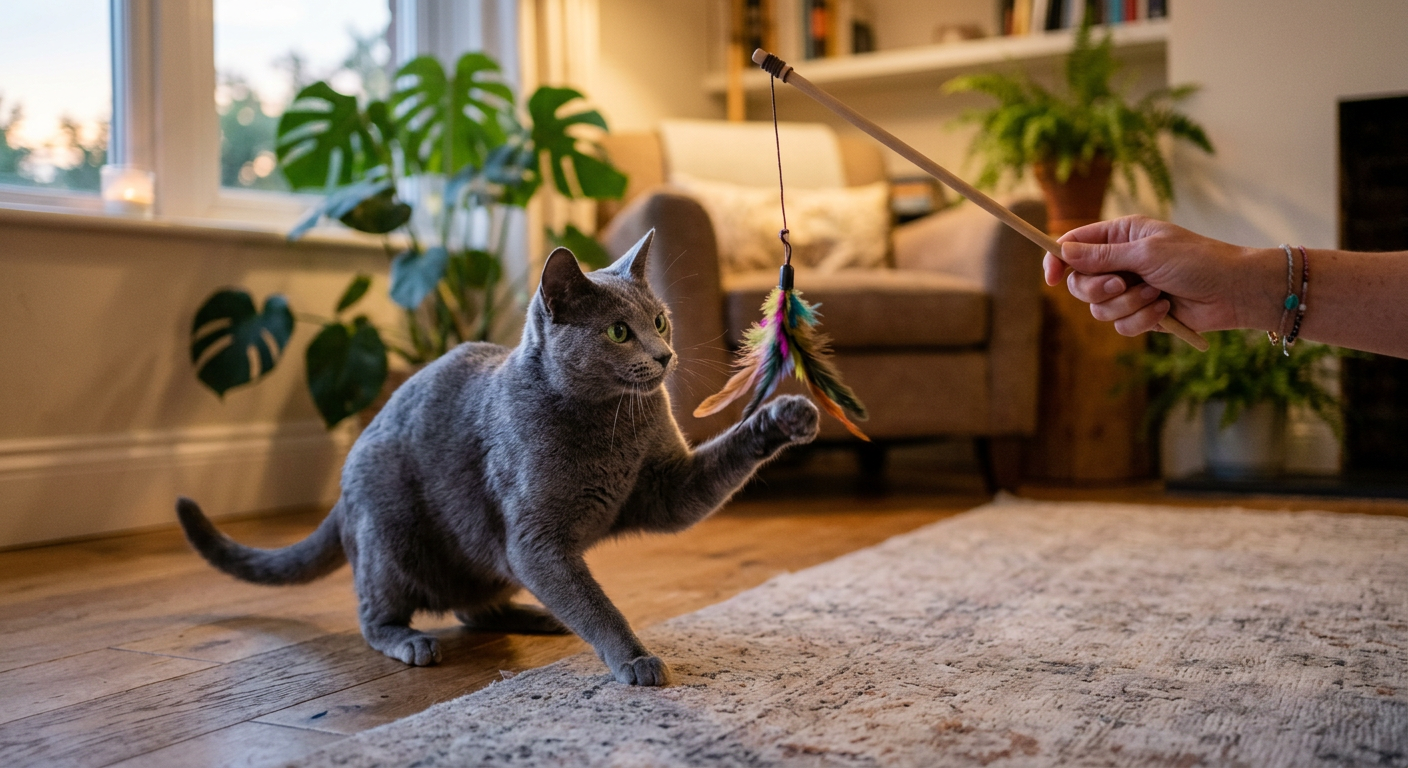
The most effective way to manage a cat that is suddenly active at 2am every night is to provide structured play sessions. Aim for two 15-minute sessions daily, with one occurring shortly before your bedtime. Use toys that mimic prey movement, like wand toys or feathers, to allow your cat to complete the "predatory sequence": stare, stalk, pounce, and "kill."
A person using a feather wand toy to play with a grey cat on a carpeted floor.
The Hunt-Eat-Groom-Sleep Cycle
In nature, a cat hunts, eats their catch, grooms themselves, and then falls into a deep sleep. You can replicate this at home by feeding your cat their main meal immediately after the final play session of the night. This signals to their body that the "hunt" is over and it is time for the rest phase of their day.
Environmental Enrichments for Quiet Nights
If your cat still feels the need to move at night, you can provide "quiet" activities that don't involve them jumping on your bed. Enrichment helps satisfy their curiosity without waking the whole household.
Food Puzzles: Hide treats in a puzzle feeder to keep their mind busy.
Window Perches: Allow them to watch the nocturnal world outside safely.
Automated Toys: Quiet, motion-activated toys can provide a distraction if you are a heavy sleeper.
Vertical Space: Cat trees and shelves allow them to move around the room without using the floor as a racetrack.
Another common nocturnal behavior is the "zoomies," which often happens immediately after using the litter box or during a sudden burst of joy. For more on this specific type of energy, check out our article on cats running zoomies at night.
When to Consult Your Veterinarian
While active nighttime behavior is usually normal, a sudden and drastic change in habits warrants a professional opinion. If your cat seems distressed, is losing weight, or if the activity is accompanied by unusual physical symptoms, your vet can help ensure everything is okay. Proactive care is the best way to ensure your feline friend stays happy and healthy throughout their life.
By focusing on enrichment, play, and a consistent routine, you can help your cat transition from a midnight athlete to a cozy sleeping companion. Understanding the "why" behind the behavior is the first step toward a more restful night for both you and your cat. Regardless of the reason your cat is active at 2am every night, patience and a "play-then-feed" strategy are usually the keys to success.
Frequently Asked Questions
Cats are crepuscular, meaning they are naturally hardwired to be active during low-light hours. If they don't burn off enough energy during the day, they will express it through running and playing at night.
Play with your cat for 15-20 minutes before bed using an interactive toy, then provide a meal. This mimics their natural hunt-eat-sleep cycle.
While usually behavioral, sudden nighttime activity in older cats can sometimes be linked to health issues like hyperthyroidism or cognitive changes. Consult a vet if the behavior change is drastic.
We're passionate pet lovers and AI enthusiasts dedicated to helping you understand your furry friends better through the power of artificial intelligence.
AI Analysis
Free!
AI-Powered Pet Analysis
Understand Your Pet's Emotions
Our AI analyzes photos and videos to reveal what your pet is really feeling.