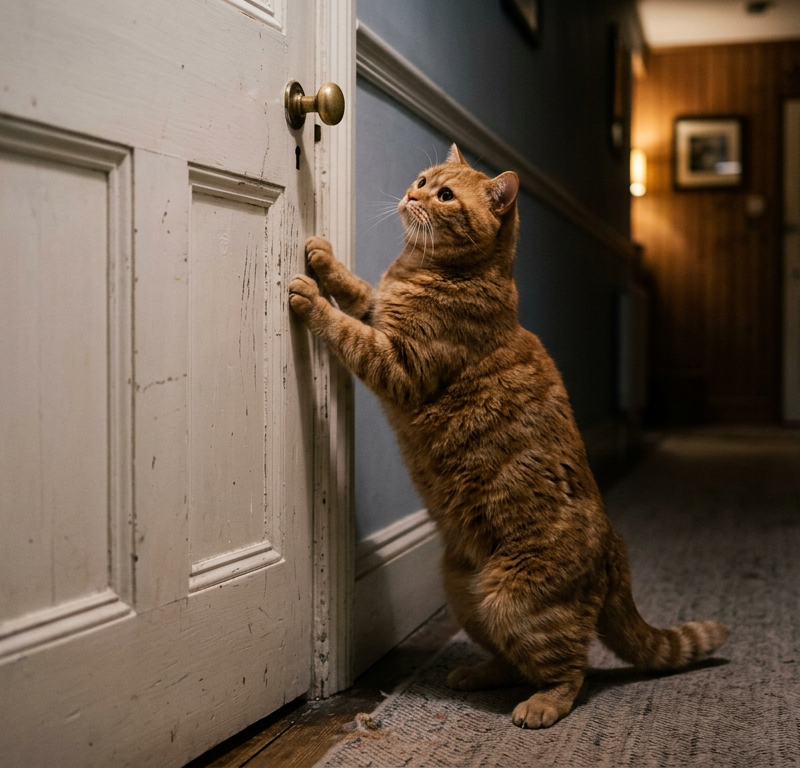
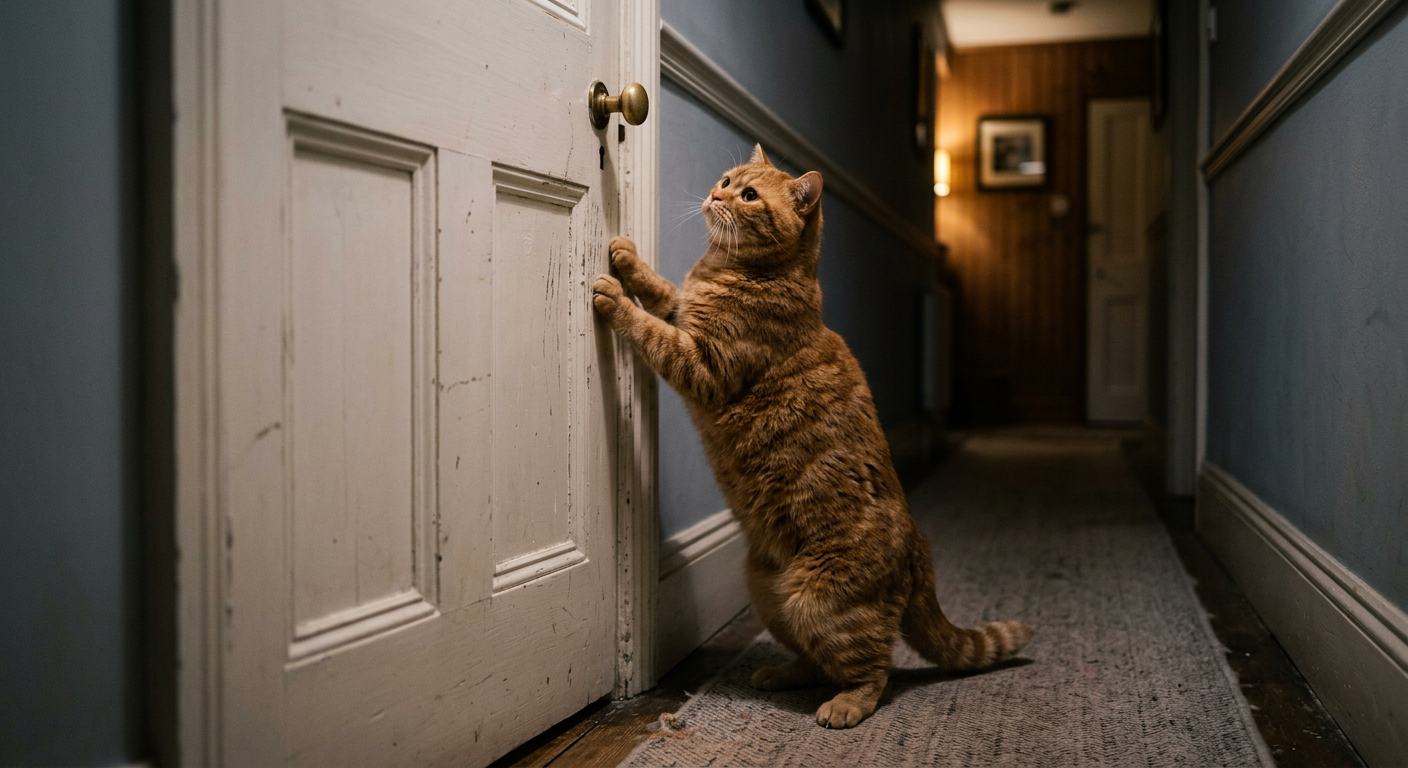
Living with a feline companion brings immense joy, but it also brings a unique set of nocturnal challenges. One of the most common issues pet parents face is a cat scratching door at night to get out of a room. This behavior can be frustrating when you are trying to sleep, yet it is a natural expression of your cat's instincts and needs.
Understanding why your feline friend is focused on the door is the first step toward a quieter night. Cats are naturally curious and territorial, and a closed door represents both a barrier to their kingdom and a mystery they feel compelled to solve. By addressing the root causes, you can create a harmonious environment for both you and your pet.
The Natural Instincts Behind Door Scratching
To solve the mystery of why your cat is preoccupied with the exit, we have to look at their wild ancestors. Cats are crepuscular, meaning they are most active during dawn and dusk. However, many domestic cats remain highly active throughout the night, leading to a cat suddenly active at 2am every night.
A closed door is often seen as a challenge to their territorial control. Cats prefer to have free rein over their environment to patrol for perceived "threats" or simply to explore. When you close a door, you are effectively cutting off a portion of their territory, which can trigger anxiety or a strong desire to investigate what is on the other side.
Social Interaction and Attention Seeking
Sometimes, the behavior isn't about the door itself, but about the person on the other side. If your cat is used to your constant company, being separated by a wooden slab can feel distressing. They may scratch simply because they know it eventually gets a reaction from you, even if that reaction is you waking up to tell them to stop.
For many cats, any attention—even negative attention—is better than no attention at all. If you find your cat sits on your chest at 3am once they finally get inside, they are likely just seeking the warmth and security of your presence.
Common Reasons Your Cat Wants Out
While territory is a big factor, there are several specific reasons a cat might be scratching at the door late at night. Identifying which one applies to your situation will help you choose the right solution.
- The Need for Resources: If their litter box, water bowl, or favorite scratching post is in another room, they will naturally try to reach it.
- Hunting Instincts: If your cat hears a stray bug or even the sound of the wind outside, they may feel the need to "hunt" or investigate the source of the noise.
- Boredom: A cat that hasn't had enough mental or physical stimulation during the day will look for ways to entertain themselves at night.
- Habit: If scratching has worked to get the door open in the past, your cat has learned that this is an effective communication tool.
Environmental Factors and Nighttime Activity
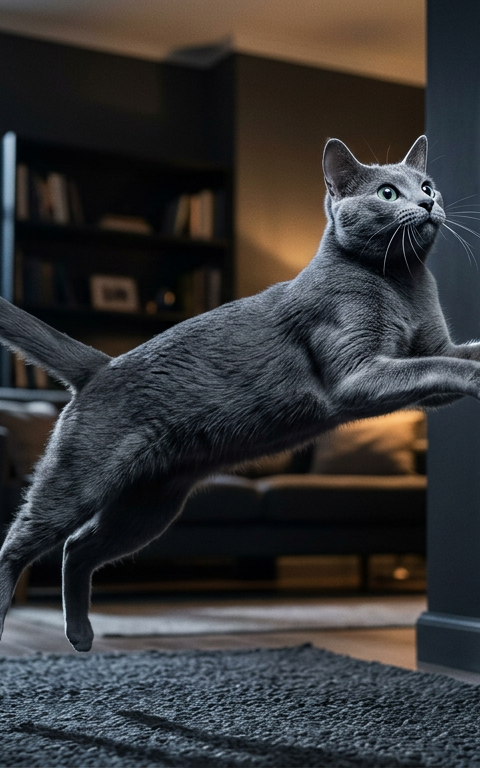
The layout of your home plays a significant role in feline behavior. If your cat feels confined, they may experience "barrier frustration." This is common in smaller apartments where every room counts as vital territory. You might also notice your cat running zoomies at 3am before they settle down to focus their energy on the door.
Consider the age of your cat as well. Kittens and younger cats have much higher energy levels and less impulse control. If you are curious how your cat's age compares to human years, checking a resource like the Maine Coon age calculator can provide perspective on their current developmental stage and energy requirements.
Effective Strategies to Stop the Scratching
Managing a cat scratching door at night to get out requires a blend of environmental changes and behavioral modification. The goal is to make the door less interesting while ensuring your cat's needs are met elsewhere.
Make the Door Unappealing
One of the most effective ways to discourage scratching is to change the texture of the door or the area around it. Cats have sensitive paws and generally dislike certain sensations. You can try applying double-sided sticky tape to the bottom of the door or placing a crinkly aluminum foil mat on the floor in front of it. These safe, non-harmful deterrents make the act of scratching less satisfying.
Ignore the Behavior Completely
This is the hardest step for most owners. If you get out of bed, talk to your cat, or open the door, you are rewarding the scratching. To break the cycle, you must provide zero reinforcement. Using earplugs for a few nights can help you stay in bed while your cat learns that scratching no longer produces a result. Consistent ignoring is key to extinguishing the habit.
Enhancing Daytime Engagement
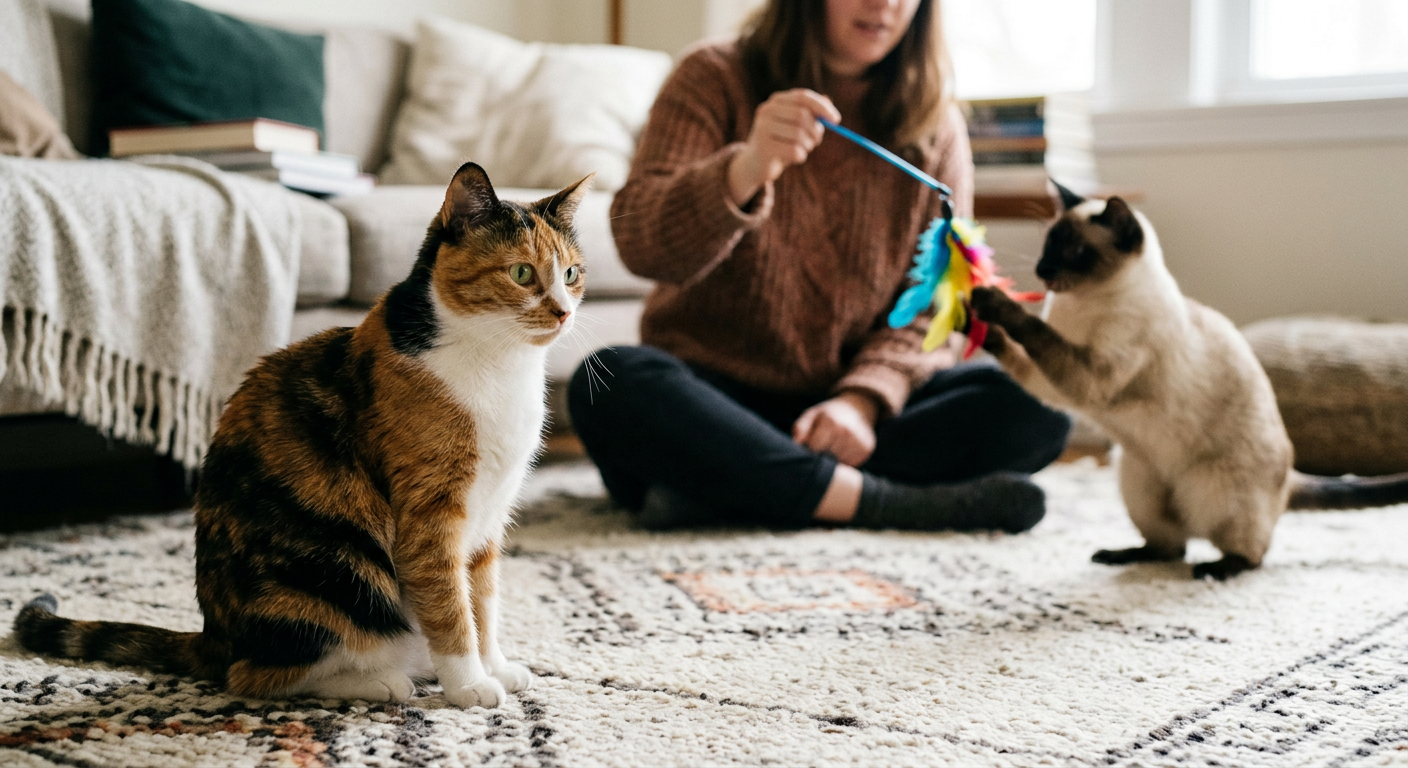
A tired cat is a quiet cat. To reduce nighttime restlessness, focus on increasing activity during the daylight hours. Engaging your cat in vigorous play sessions, especially one shortly before your bedtime, can help reset their internal clock. Focus on "hunt-eat-groom-sleep" cycles by following a heavy play session with a small meal.
Puzzle Feeders and Solo Toys
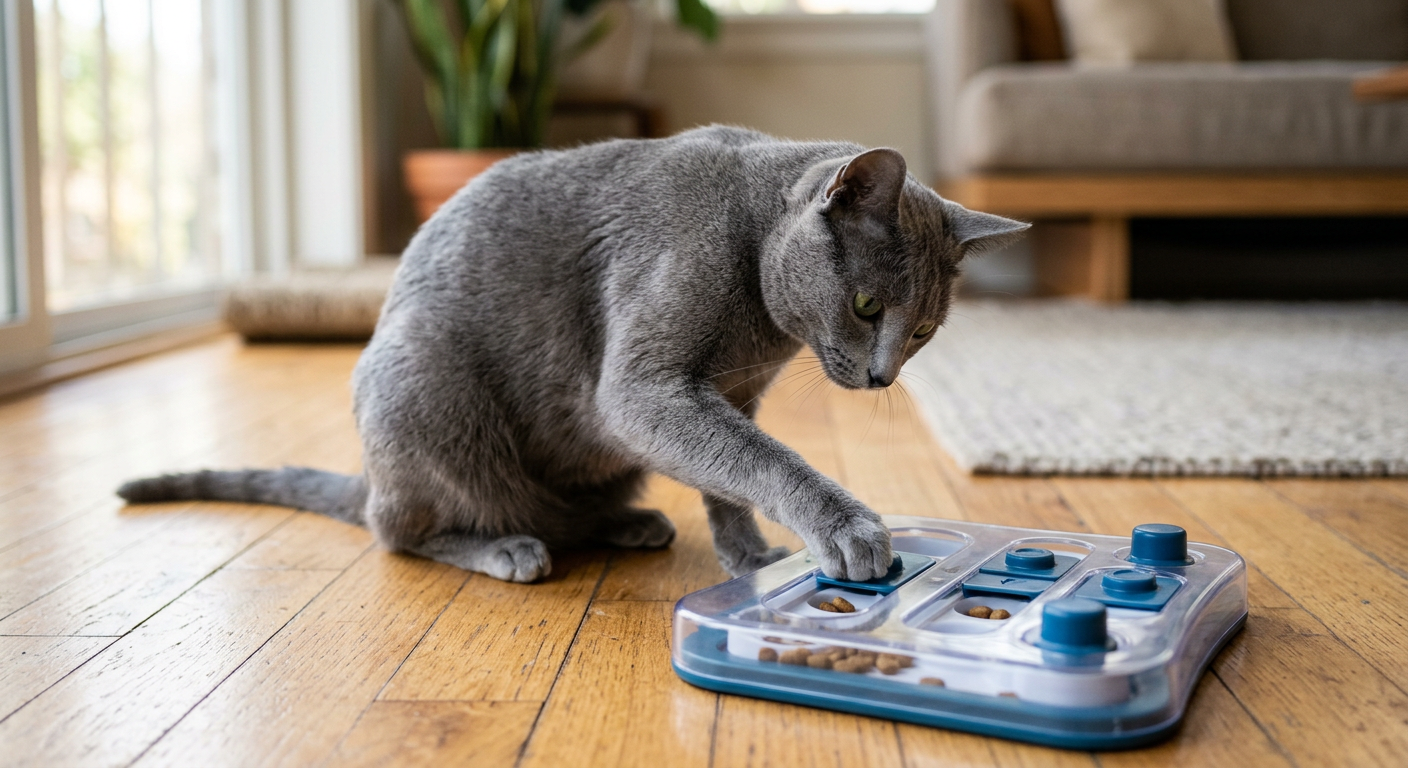
If your cat is scratching because they are bored, provide them with "legal" ways to expend energy. Puzzle feeders that dispense kibble require mental effort and physical coordination. Leaving out safe, quiet toys like felt mice or crinkle balls can give them an alternative to focusing on the bedroom door. Creating a stimulating environment ensures they don't feel the need to wake you up for entertainment.
When to Consult a Professional
While most door scratching is behavioral, sudden changes in nighttime activity can sometimes be linked to wellness considerations. If your cat is older and has suddenly started this behavior, it could be related to sensory changes or cognitive function. Always consult with your veterinarian if you notice drastic shifts in your cat's routine or if they seem unusually distressed.
Additionally, if the scratching is accompanied by loud vocalization, you might be dealing with a cat yowling at night. A vet can rule out underlying issues like hyperthyroidism or high blood pressure, which can sometimes cause increased nighttime activity and vocalizing.
Creating a Feline-Friendly Nighttime Routine
Consistency is your best friend when training a cat. Try to keep your bedtime and morning routine the same every day. Cats thrive on predictability. If they know exactly when they will be fed and when they will get attention, they are less likely to feel anxious about closed doors during the night.
You might also consider using pheromone diffusers in the hallway or bedroom. These mimic the natural calming scents cats produce, helping them feel more secure in their environment. A secure cat is a relaxed cat, and a relaxed cat is much less likely to spend their night trying to bypass your bedroom door.
Conclusion
Dealing with a cat scratching door at night to get out is a common part of the feline ownership journey. By understanding their territorial instincts, providing ample daytime enrichment, and staying consistent with your boundaries, you can guide your cat toward better sleeping habits. Remember that patience is essential; it may take a week or two for your cat to realize the rules have changed, but the reward of a peaceful night's sleep is well worth the effort.