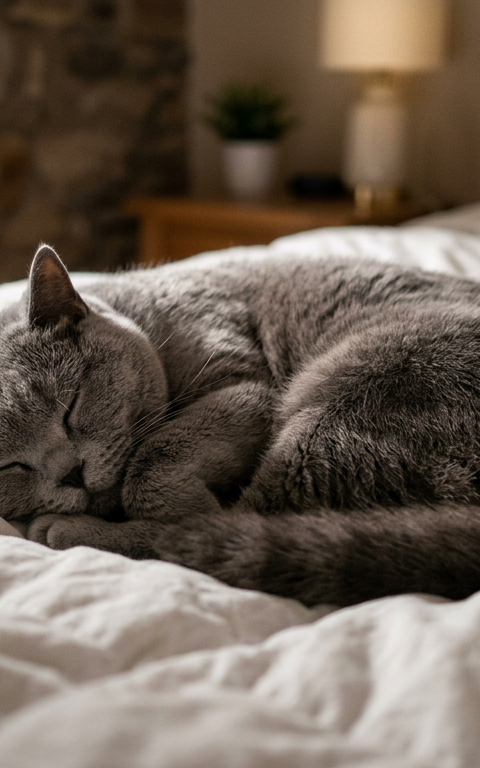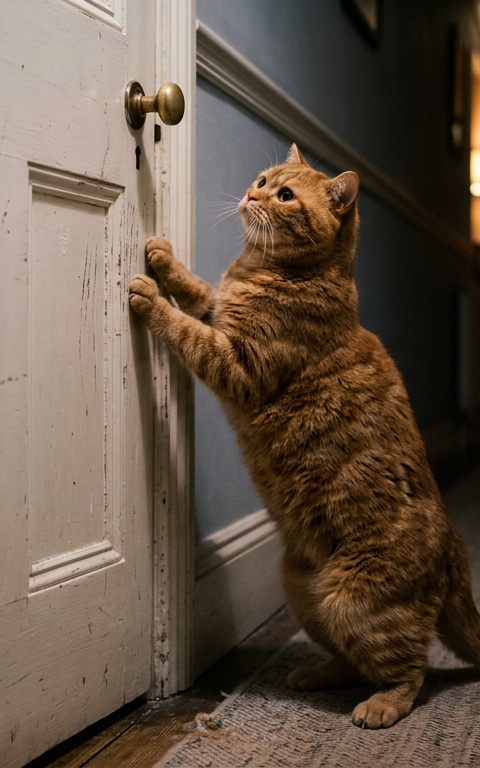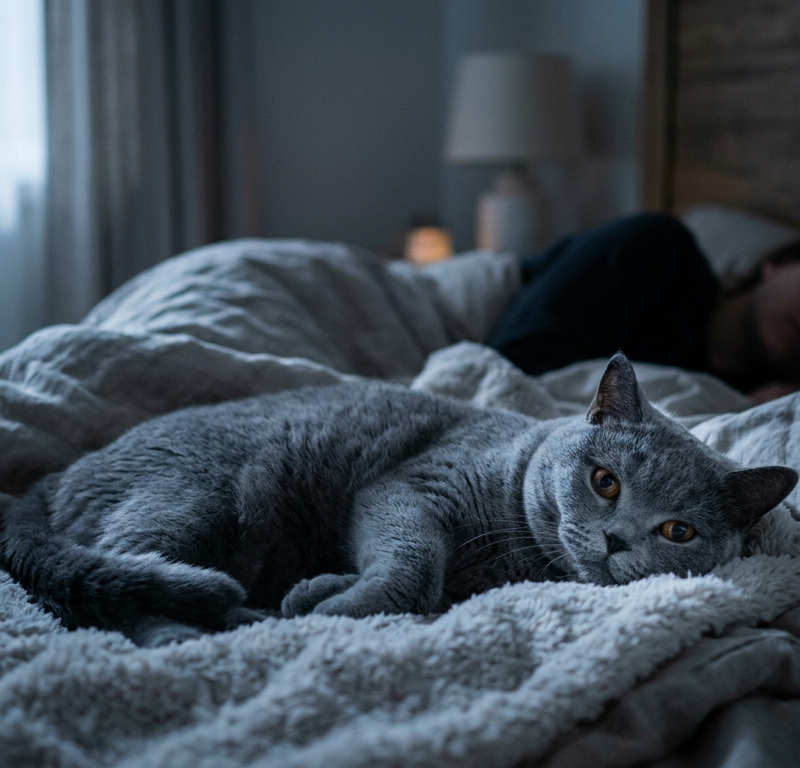
Waking up in the middle of the night to discover your feline friend perched firmly on your ribcage is a common experience for many pet owners. You might wonder, why does my cat sit on my chest at 3am, especially when they have a perfectly comfortable bed of their own? While it might feel a bit heavy at such an early hour, this behavior is actually a complex mix of instinct, affection, and biological needs.
For cats, the chest is a prime piece of real estate. It provides warmth, the soothing rhythm of your heartbeat, and a sense of security that is unmatched elsewhere in the house. Understanding the motivations behind this nighttime ritual can help you appreciate your cat's unique way of showing love and seeking comfort during the quietest hours of the day.
The Comfort of Your Physical Presence
One of the primary reasons your cat chooses your chest as a midnight resting spot is physical warmth. Cats have a higher natural body temperature than humans, often hovering around 101 to 102.5 degrees Fahrenheit. Because they expend energy maintaining this heat, they are naturally drawn to external heat sources.
Your chest acts like a giant, soft heating pad. By settling there, your cat can conserve their own energy while enjoying yours. This is particularly common in the early morning hours when the house is at its coolest temperature. If you find your cat doing this frequently, they might simply be looking for a cozy place to stay warm.
The Heartbeat Connection
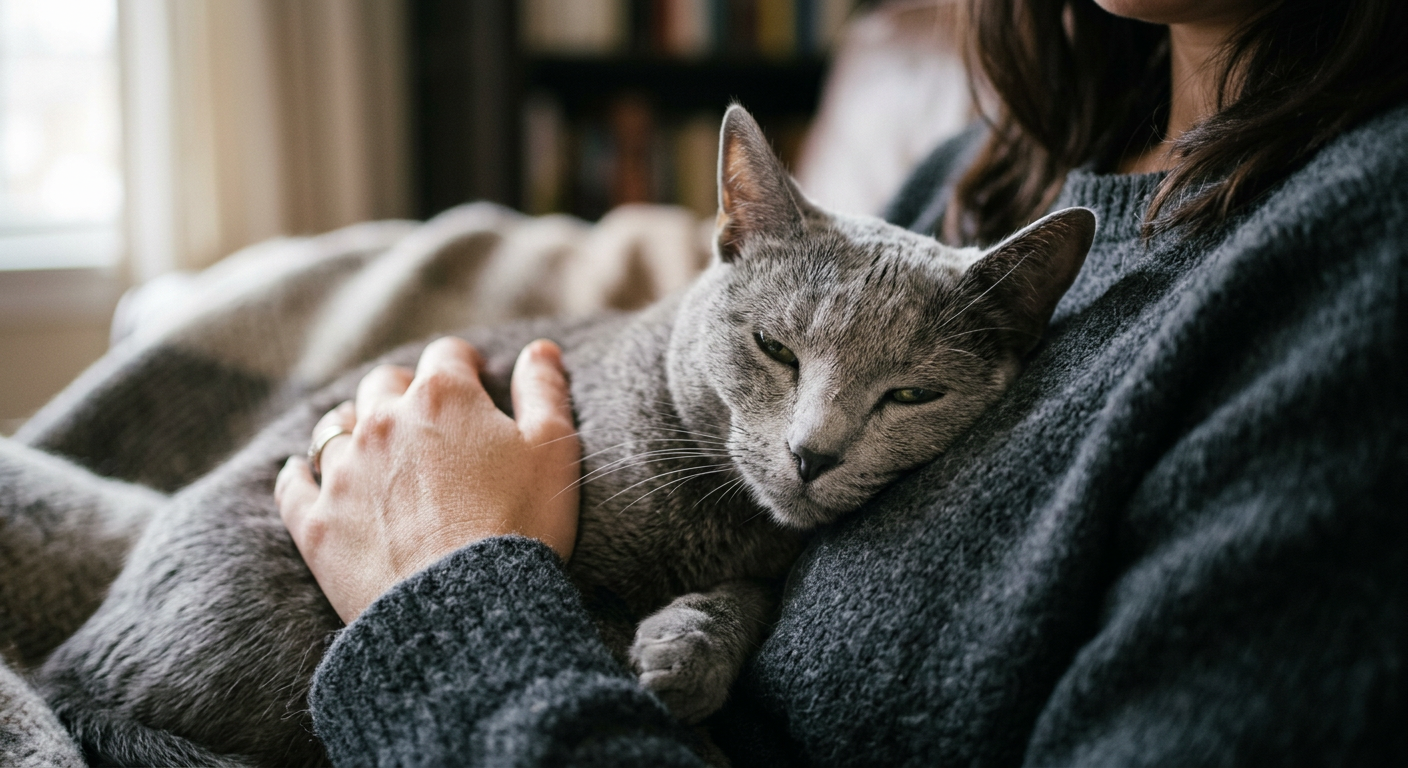
The rhythmic sound of your heart is incredibly soothing to a cat. It likely reminds them of their kittenhood when they would huddle against their mother and siblings for warmth and safety. When your cat sits on you at 3am, they are positioning themselves to feel those vibrations and hear those familiar sounds.
This "heartbeat therapy" provides a sense of emotional security. It signals to the cat that you are alive, present, and safe. For cats that experience mild anxiety or those who are particularly bonded to their owners, this physical connection is a vital part of their nighttime routine.
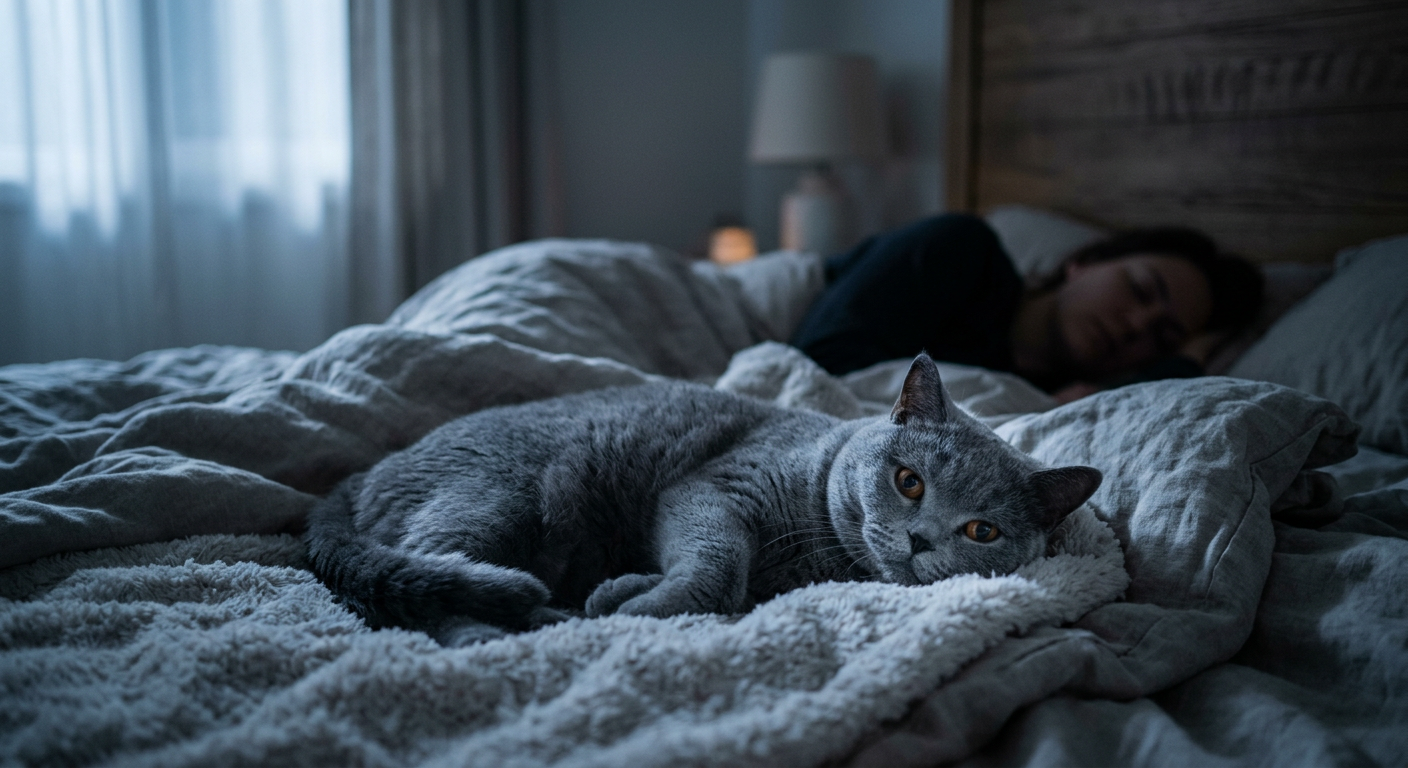
Instinctual Security and Protection
In the wild, sleep is a vulnerable time. Even though your house is safe, domestic cats still retain the survival instincts of their ancestors. By sitting on your chest, your cat is engaging in a behavior that focuses on mutual protection and surveillance.
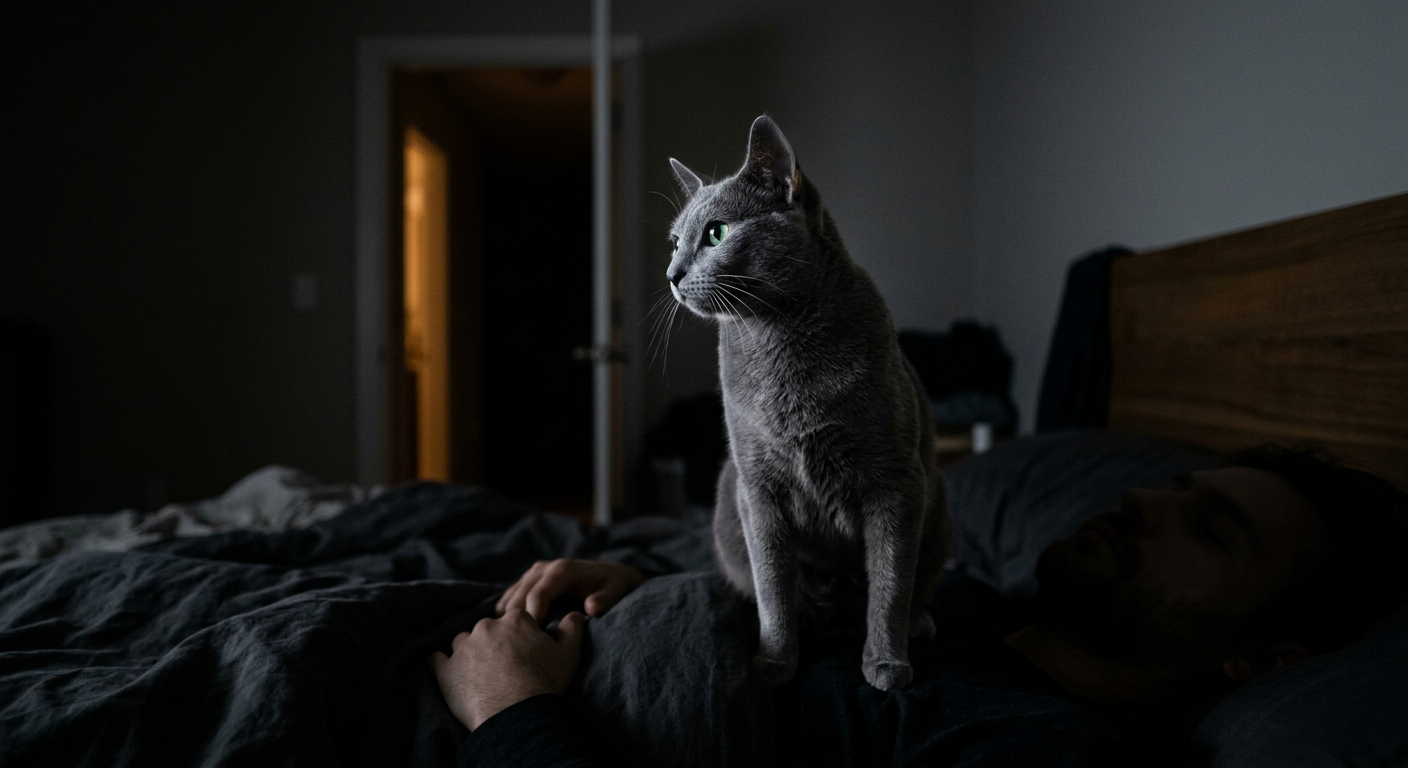
Your chest is a high vantage point relative to the rest of the bed. It allows your cat to keep an eye on the bedroom door and the surrounding environment while staying in close contact with their "colony leader" (that's you!). This behavior shows a high level of trust, as they feel safe enough to lower their guard while remaining over your vital organs.
Establishing a Safe Zone
Cats are territorial creatures who communicate through scent. When a cat sits on you, they are effectively "marking" you with their scent glands located in their paws and skin. This isn't just about ownership; it's about creating a combined scent profile that identifies you both as part of the same family unit.
If you're noticing this behavior alongside other nighttime activities, you might find our guide on how to manage a cat suddenly active at 2am every night helpful for balancing your sleep schedule with their natural rhythms.
Affection and Social Bonding
While we often think of cats as solitary, they are actually very social animals with those they trust. Sitting on your chest is a profound display of affection. It is their way of saying they feel completely at ease in your presence and view you as a source of comfort.
At 3am, the world is quiet and free of the distractions of daytime life—no vacuum cleaners, no loud TVs, and no buzzing phones. This silence provides the perfect opportunity for your cat to seek out "one-on-one time." This focused attention helps strengthen the bond between you, even if you are mostly asleep during the process.
Communication of Needs
Sometimes, the reason for the 3am visit is more practical. Your cat might be trying to tell you something. Since they cannot speak, physical intervention is their best tool for communication. Your cat might be sitting on you because:
- They have noticed the bottom of their food bowl and want to ensure you're aware.
- They are feeling restless and want to engage in a late-night play session.
- They feel a slight change in the environment and want reassurance.
- It is simply part of their established internal clock or "circadian rhythm."
If your cat is also being vocal during these times, you may want to read about why your cat yowls at night for no reason to see if the behaviors are linked. Understanding these cues is essential for proactive care and maintaining a happy household.
Determining if it's a Wellness Consideration
In most cases, a cat sitting on your chest is a normal and healthy behavior. However, as a responsible pet parent, it is always good to monitor for changes. If this behavior starts suddenly in an older cat, or if it is accompanied by heavy breathing, it is worth a conversation with your veterinarian.
Changes in sleeping habits can sometimes be linked to wellness considerations like thyroid issues or age-related changes in cognition. If your cat is a specific breed, such as a Maine Coon or a British Shorthair, their size and weight might make these 3am visits more noticeable, but the underlying drive for connection remains the same.
When to Seek Professional Advice
Always consult a veterinarian if your cat's nighttime behavior is accompanied by signs of distress, weight loss, or significant changes in appetite. A quick check-up can ensure that your cat's desire for closeness isn't actually a search for relief from physical discomfort. Most of the time, however, it’s just a sign that you are their favorite person in the world.
Tips for Better Sleep Together
If having your cat on your chest makes it difficult for you to sleep, there are ways to encourage them to move slightly while still keeping them close. You don't have to choose between a good night's rest and feline affection. Small adjustments to your environment can make a big difference for both of you.
- Place a heated pet bed or a warm blanket at the foot of your bed to provide an alternative heat source.
- Engage in a vigorous play session right before your own bedtime to tire them out.
- Give them a small snack before you go to sleep to satisfy their "hunt-eat-groom-sleep" cycle.
- If they sit on your chest, gently move them to the crook of your arm or by your side where they can still feel your warmth.
Consistency is key when modifying these habits. If you enjoy the 3am cuddles, then there is no need to change a thing! It is one of the many unique charms of sharing your life with a cat.
Conclusion
The next time you find yourself wondering why does my cat sit on my chest at 3am, remember that it is a multifaceted behavior rooted in love and biology. Whether they are seeking your warmth, listening to your heartbeat, or just checking in on their favorite human, it is a compliment of the highest order. By recognizing the comfort and security you provide, you can enjoy these quiet midnight moments as a special part of your bond.