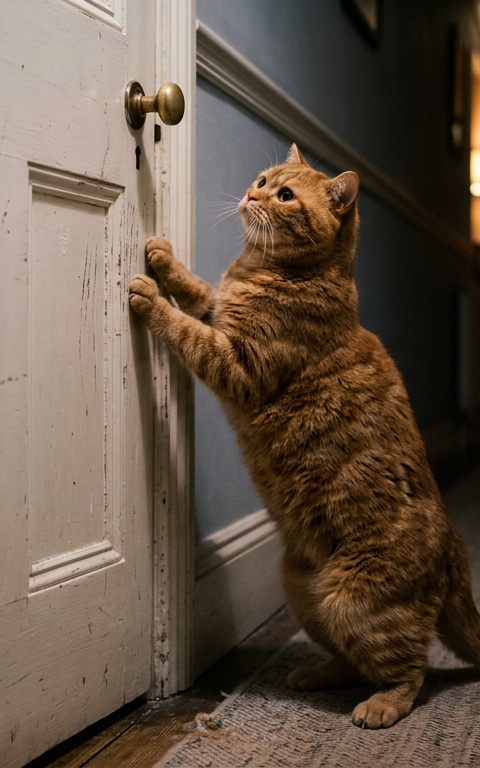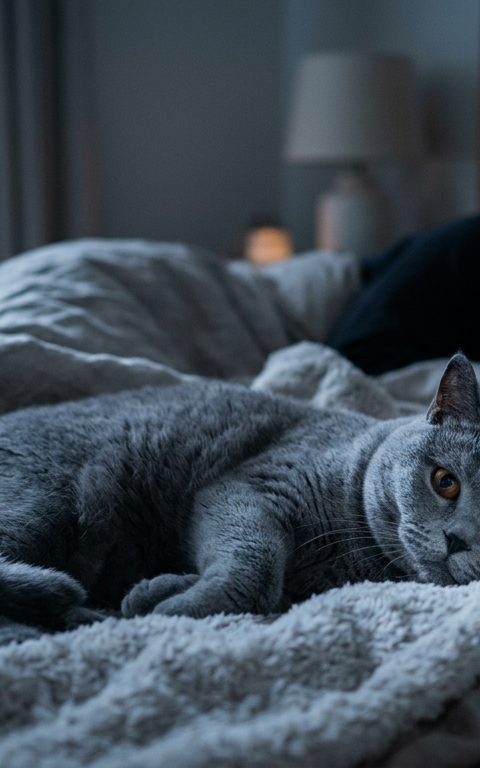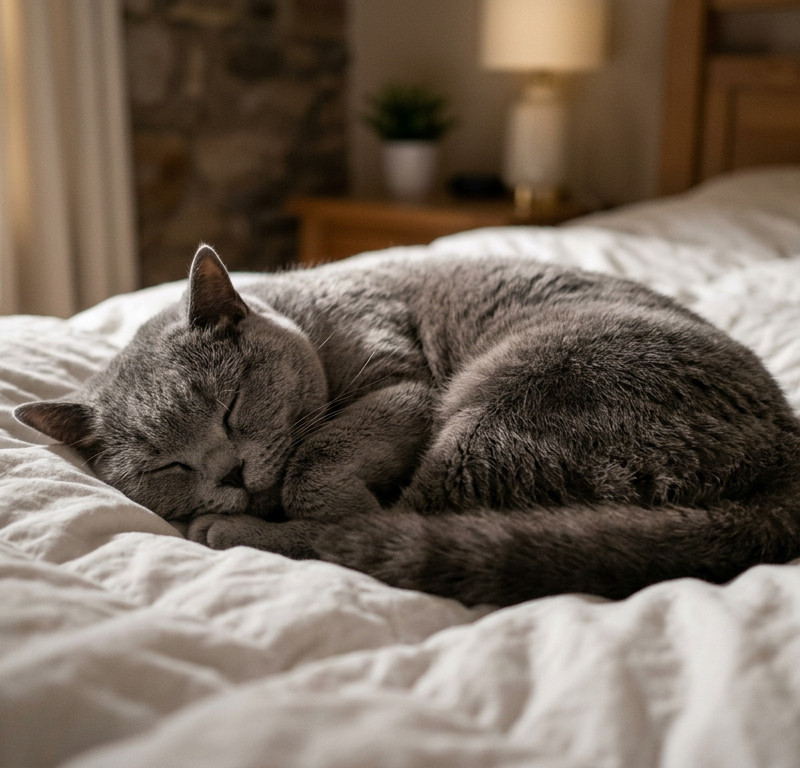
It is two o’clock in the morning, the house is silent, and suddenly you hear a sound like a tiny idling tractor right next to your ear. Many feline guardians find themselves wondering why they experience their cat purring loudly only at night when the rest of the world is asleep. While this behavior is usually a sign of a very happy and relaxed kitty, there are several fascinating reasons why your cat saves their most enthusiastic motor-noises for the moonlight hours.
Understanding these nocturnal vibrations can help you bond more deeply with your pet. Cats are naturally more active during the twilight hours, and their communication methods often shift as the sun goes down. Whether they are seeking affection, settling in for a cuddle, or simply enjoying the quiet of the home, nighttime purring is a multi-faceted behavior that tells us a lot about their internal state.
The Comfort of the Midnight Cuddle
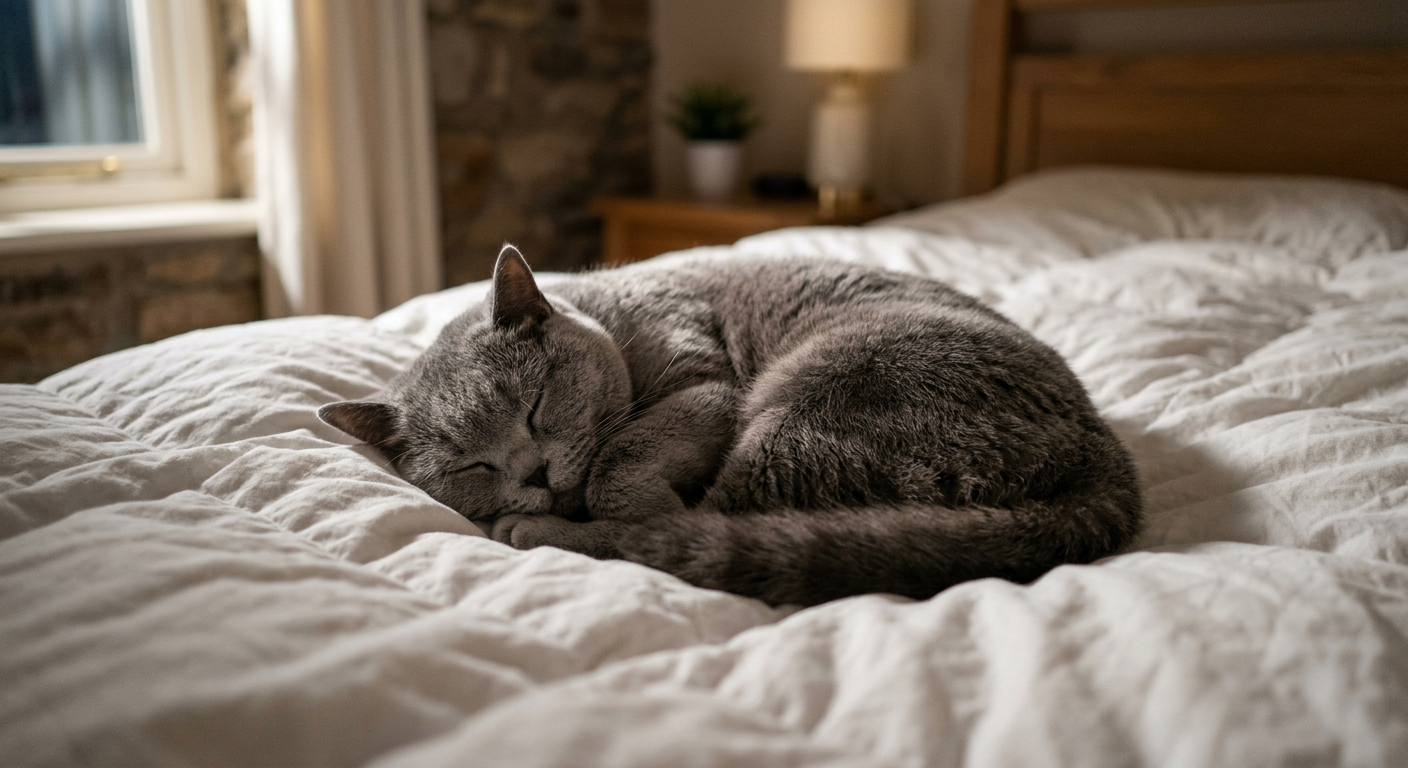
One of the most common reasons for a cat purring loudly only at night is the sheer sense of security they feel. During the day, your home is likely filled with the sounds of televisions, footsteps, and outside traffic. When these distractions fade away, your cat feels a heightened sense of connection to you, leading to a more intense physical response during snuggles.
For many cats, the nighttime routine is the only time they have your undivided attention. If you find your pet tucked against your side or perched on your pillow, their rhythmic rumbling is often a way of saying they feel safe. This behavior is frequently linked to other signs of affection, such as sitting on your chest to feel your heartbeat and warmth.
Strengthening the Human-Cat Bond
When your cat vibrates intensely at night, they are often engaging in "social grooming" or "allorubbing" behaviors. Even if they aren't actively licking you, the vibration serves as a social signal that reinforces your family unit. It is their way of claiming you as part of their pride while the rest of the world is quiet.
Instinctive Nocturnal Rhythms
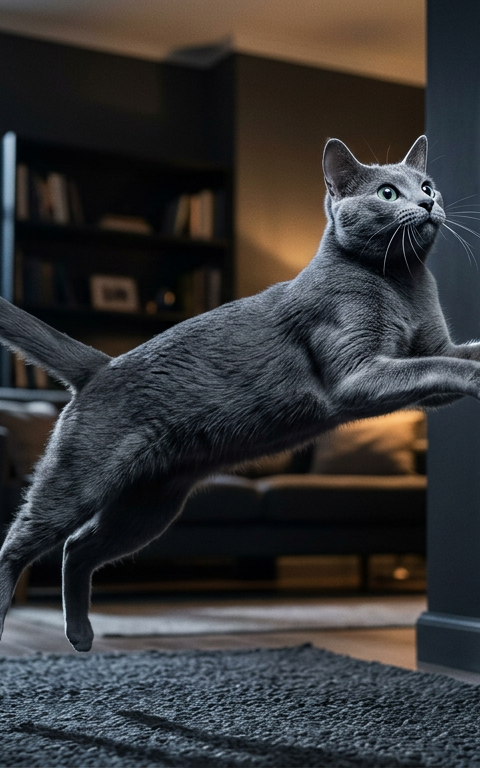
While cats are often called nocturnal, they are technically crepuscular, meaning they are most active at dawn and dusk. However, many domestic cats experience a burst of energy late into the evening. You might notice your cat running zoomies before finally settling down to purr loudly in your bed.
This nighttime intensity is partly due to their biological clock. Their senses are heightened in low light, and their vocalizations—including the frequency of their purr—can become more pronounced. This isn't just a physical sound; it’s a release of energy after a period of evening play or hunting-simulated activity.
- Sensory Focus: With fewer auditory distractions, the cat focuses more on tactile sensations.
- Temperature Drop: As it gets cooler at night, cats seek warmth, and purring helps regulate their body temperature.
- Resource Guarding: Purring while sleeping near you can be a way of claiming their "favorite human" resource.
Self-Soothing and Wellness Considerations
In some cases, a cat purring loudly only at night might be using the vibration as a form of self-healing or stress management. The low frequency of a cat’s purr—between 25 and 150 Hertz—has been shown to improve bone density and promote the healing of tendons and muscles. If your cat had a particularly active day, they might be "recharging" their body while they rest.
If the purring seems frantic or is accompanied by restlessness, it could be a sign that your cat is trying to soothe themselves from minor discomfort. While usually nothing to worry about, it is always a good idea to monitor their behavior. As cats age, they may experience different needs; for example, a Maine Coon entering its senior years might purr more to comfort stiff joints at night.
When to Consult a Veterinarian
Proactive care is the best way to ensure your cat stays healthy. If the loud nighttime purring is a brand-new behavior accompanied by heavy breathing, weight loss, or changes in appetite, schedule a check-up. A veterinarian can help rule out underlying wellness considerations like feline hypertension or hyperthyroidism, which can sometimes cause increased nighttime activity and vocalization.
The "Solicitation Purr" for Attention
Have you ever noticed that your cat’s nighttime purr sounds a bit more like a hidden cry or a chirp? Researchers have identified a specific type of sound called the "solicitation purr." This involves a high-frequency sound embedded within the normal low-frequency rumble. It is designed to be difficult for humans to ignore, much like a human baby’s cry.
Your cat might use this specific tone at night because they know you are stationary and available. If you respond by petting them or offering a late-night snack, you are reinforcing the behavior. They learn quickly that a loud, persistent motor is the best way to get a reaction when you are trying to sleep.
Environmental Factors and Nighttime Noise
Sometimes, the environment plays a role in how we perceive our pets. A cat may not actually be purring louder at 2:00 AM than they do at 2:00 PM; rather, the ambient noise floor of your home has dropped. In the silence of the night, every vibration is amplified by the headboard, the mattress, or the quiet air.
Additionally, cats are very sensitive to their surroundings. If there is a new sound outside or if your cat is staring at a dark corner, they may purr to calm themselves down or to signal to you that they are on high alert. It acts as a rhythmic grounding mechanism for them in the dark.
Tips for Managing Loud Nighttime Purring
If your cat’s enthusiasm is keeping you awake, there are gentle ways to encourage a quieter night without discouraging their affection. You want to maintain the bond while ensuring everyone gets enough rest.
- Evening Play Sessions: Use a feather wand or laser pointer for 15 minutes before bed to tire them out physically.
- Scheduled Feeding: Provide a small meal right before you go to sleep. A full belly often leads to a deep, quiet nap.
- Create a Designated Spot: If the purring in your ear is too much, place a heated cat bed at the foot of your bed to encourage them to vibrate a few feet further away.
- Ignore the Solicitation: If they are purring for treats, avoid giving in. Wait for a moment of silence before offering attention to reward quiet behavior.
In conclusion, seeing your cat purring loudly only at night is typically a beautiful sign of trust and contentment. They are using the quiet hours to connect with you and maintain their own physical well-being. By understanding the instincts behind the "midnight motor," you can enjoy the soothing sounds of your feline friend, knowing they feel safe and loved in your home.