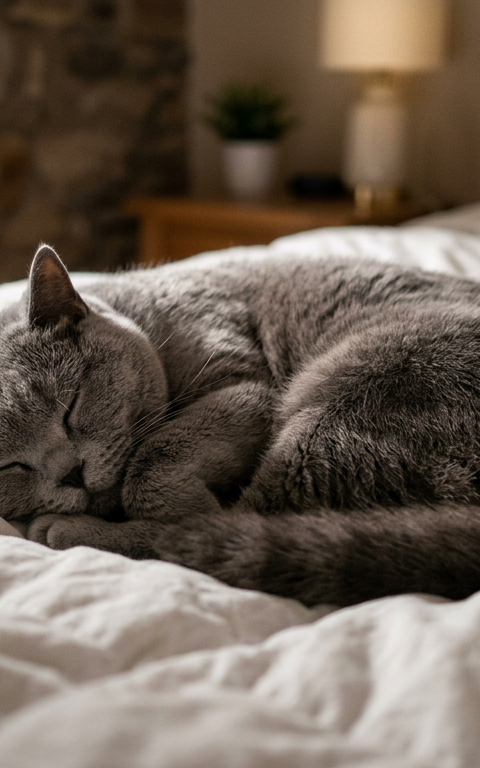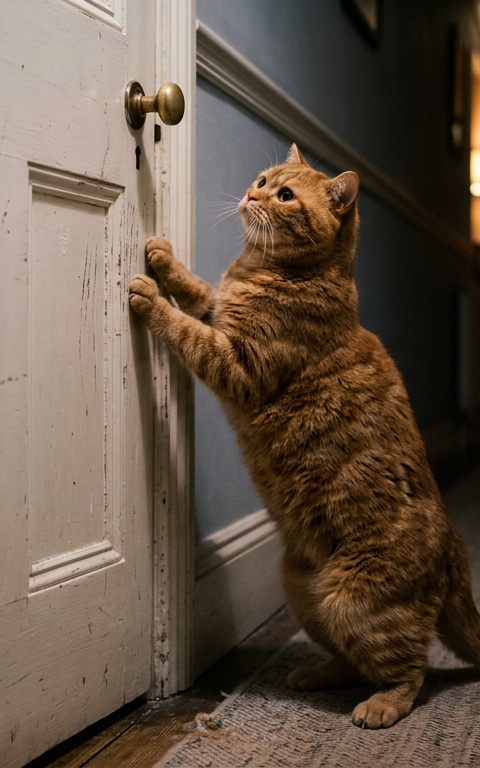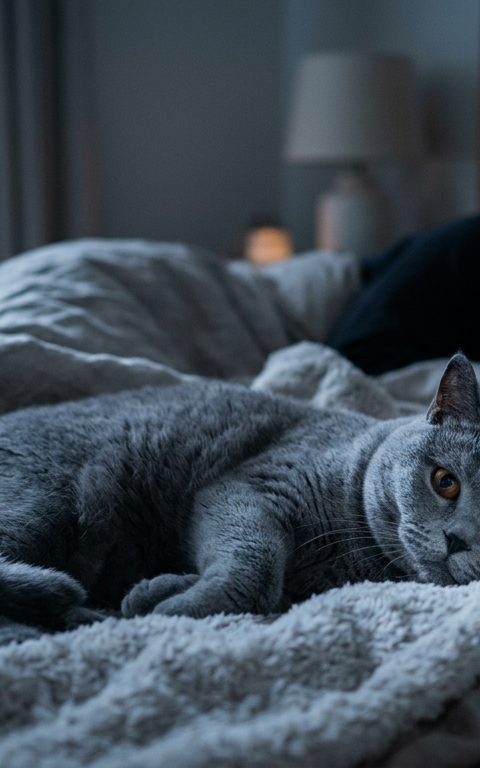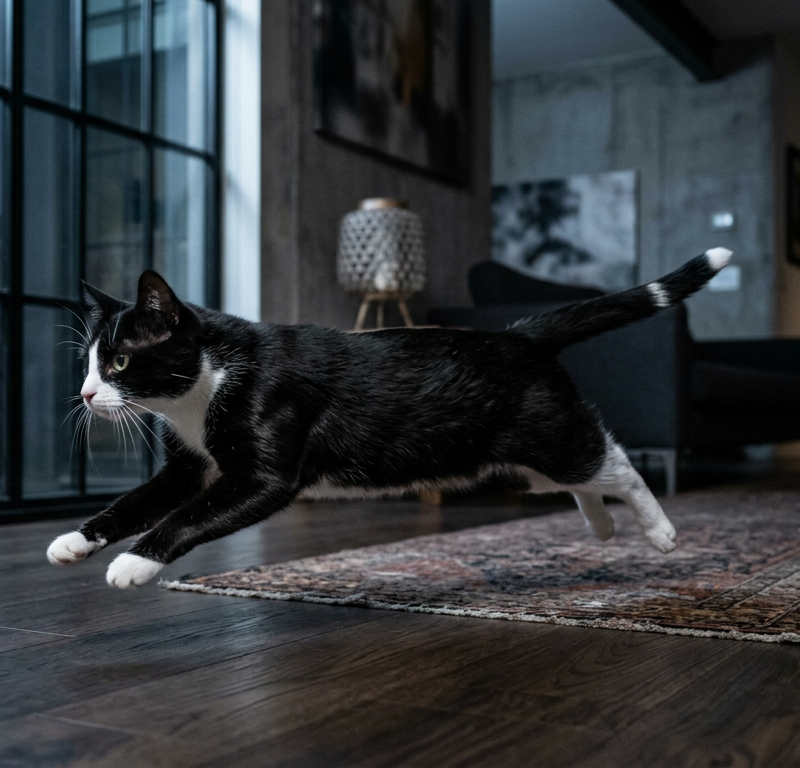
If you have ever been jolted awake by the sound of paws thundering across your floor, you are likely dealing with a cat running zoomies at 3am every night. This high-energy behavior, technically known as Frenetic Random Activity Periods (FRAPs), is a common experience for feline guardians. While it might feel like your cat is purposefully disrupting your sleep, there are actually several natural and biological reasons for these midnight marathons.
Understanding why your cat engages in these bursts of energy is the first step toward creating a more restful environment for everyone. Whether your companion is a young kitten or a senior cat, these moments of intense activity are usually a sign of health and vitality. By looking at their daily routines and natural instincts, we can find ways to channel that energy more effectively during daylight hours.
The Science Behind the Midnight Sprints
Cats are naturally crepuscular, meaning they are most active during the twilight hours of dawn and dusk. While many house cats adapt their schedules to match their owners, their biological clocks still lean toward activity when the sun is down. A cat running zoomies at 3am every night is often simply following an ancient evolutionary rhythm designed for hunting.
In the wild, feline predators use short, explosive bursts of energy to catch prey. Since our domestic friends don't have to hunt for their kibble, that pent-up energy has to go somewhere. If they have spent most of the day napping while you are at work, the early morning hours become the primary outlet for all that stored physical power.
The Post-Litter Box Dash
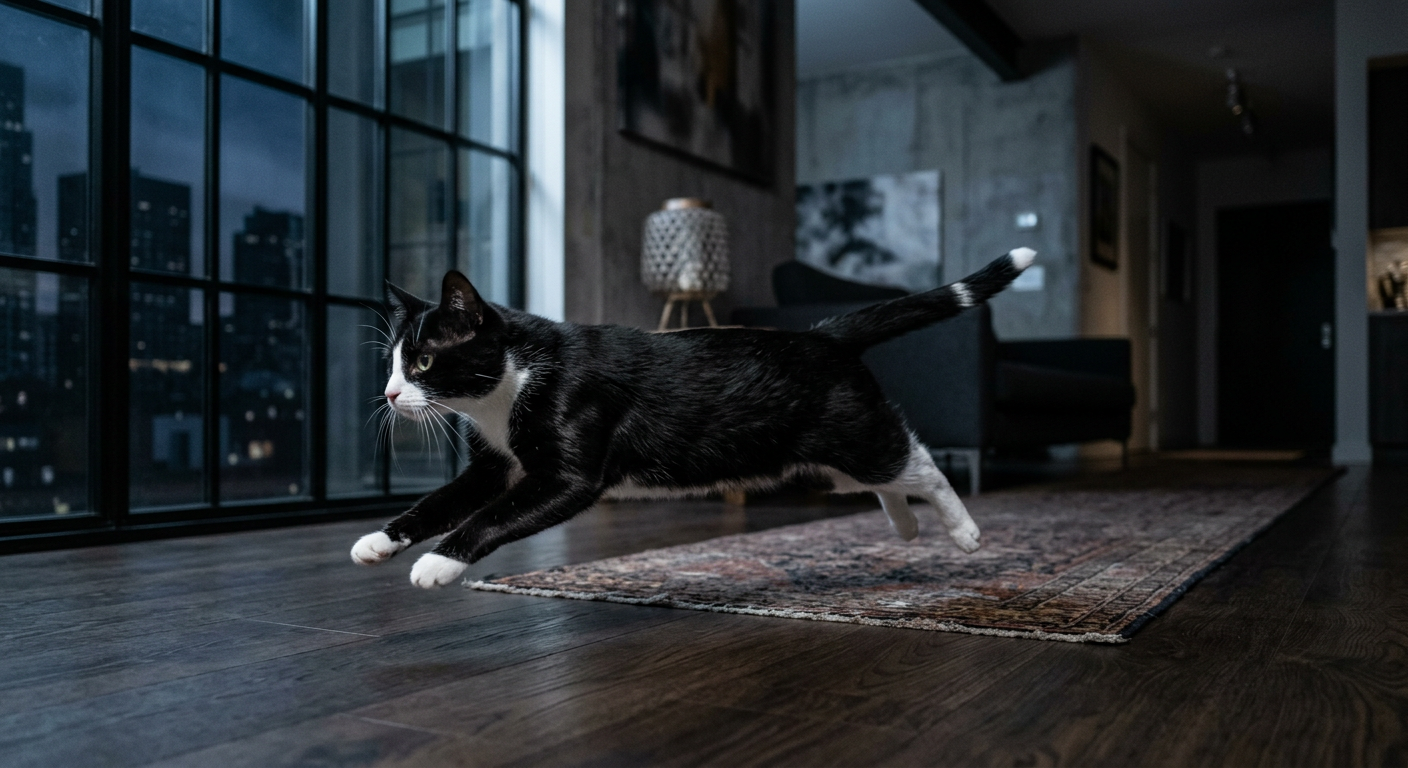
You might notice that the nighttime sprints often happen right after your cat uses the litter box. Many feline experts believe this is due to the stimulation of the vagus nerve, which can create a "high" or a feeling of euphoria after a bowel movement. This physiological response often results in a celebratory lap around the living room.
Pent-up Energy and Boredom
House cats lead relatively sedentary lives compared to their ancestors. If your cat doesn't receive enough mental and physical stimulation during the day, they will likely release it at night. This is especially true for energetic breeds or younger cats who are still developing their muscles and coordination.
Environmental Triggers for Nighttime Activity
Sometimes, what we perceive as "zoomies" is actually a response to subtle environmental changes. Cats have incredibly sharp hearing and sight, far superior to ours in low-light conditions. A moth fluttering near a lamp or a mouse scurrying behind a wall can trigger a full-speed chase that wakes the entire household.
The layout of your home also plays a role. Long hallways and open floor plans are essentially racetracks for a feline. If your cat finds a specific rug that provides great traction or a piece of furniture that is fun to vault over, they will incorporate those elements into their nightly routine. You can check out more about how different breeds handle indoor living in our best apartment cats guide.
How Age and Breed Influence Zoomies
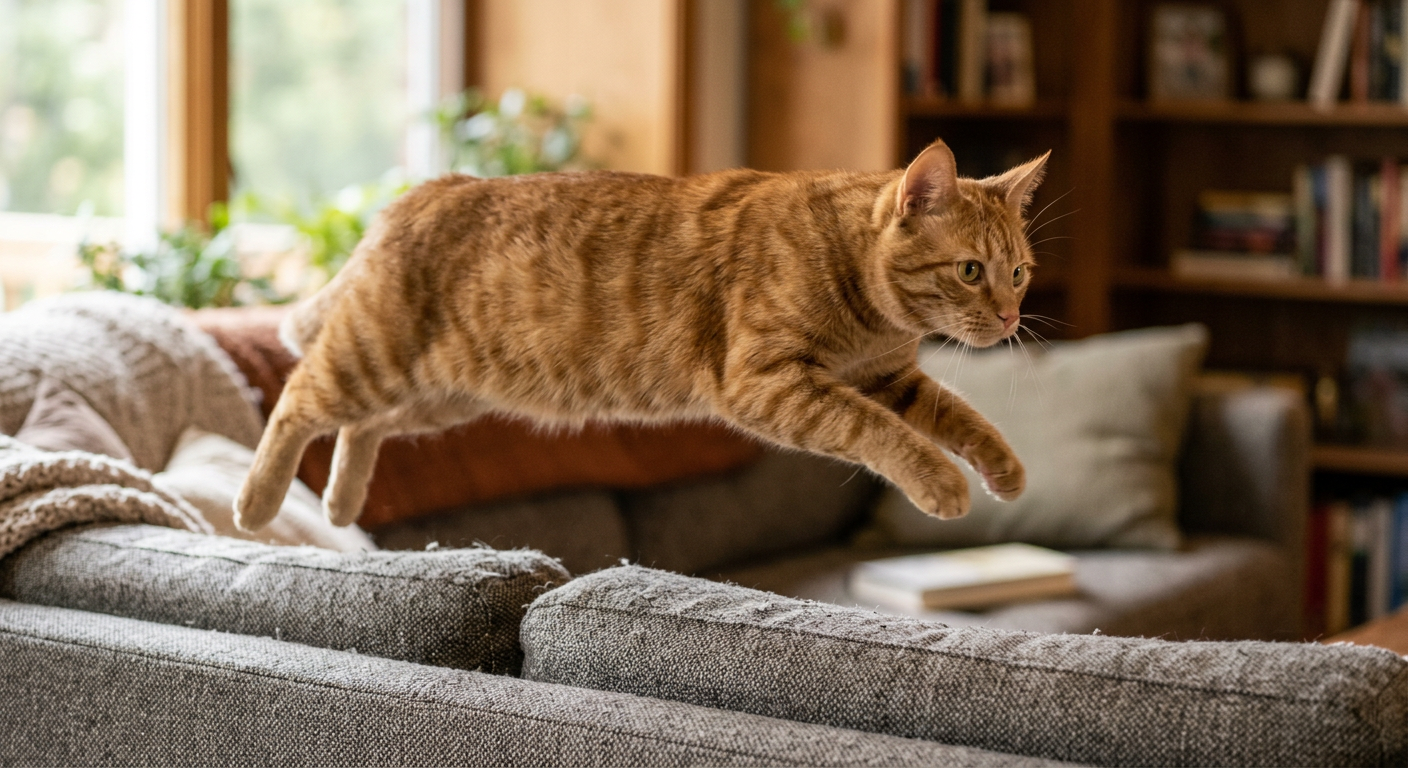
Not all cats express their energy in the same way. Age is one of the most significant factors in the frequency and intensity of nighttime activity. Kittens are almost constantly in "zoomie mode" as they learn to navigate their world, while senior cats may only have occasional bursts of energy.
Breed also plays a major role in activity levels. For example, a high-energy Maine Coon might have much more vigorous zoomies than a more laid-back British Shorthair. Understanding your cat's breed-specific needs can help you tailor their exercise routine to reduce 3am disruptions.
- Kittens: Intense, frequent, and often involve climbing curtains or furniture.
- Adult Cats: Usually triggered by specific events like using the litter box or a sudden noise.
- High-Energy Breeds: May require intentional play sessions before bed to settle down.
- Senior Cats: Less frequent, but can sometimes be linked to age-related changes like feline cognitive dysfunction.
Wellness Considerations for Restless Cats
While a cat running zoomies at 3am every night is usually normal behavior, there are instances where it might warrant a proactive care check with your veterinarian. Sudden changes in activity levels or behavior that seems frantic rather than playful could indicate underlying health considerations.
Hyperthyroidism, for example, is common in older cats and can lead to increased vocalization and restlessness at night. Similarly, skin sensitivities or allergies can cause a cat to "bolt" suddenly if they feel a sharp itch or discomfort. If you notice your cat seems distressed during their sprints, a professional wellness exam is always recommended.
Practical Tips to Manage Nighttime Energy
You don't have to simply accept sleepless nights. There are several proactive steps you can take to shift your cat's energy cycle. Here are the most effective methods for encouraging a full night's sleep:
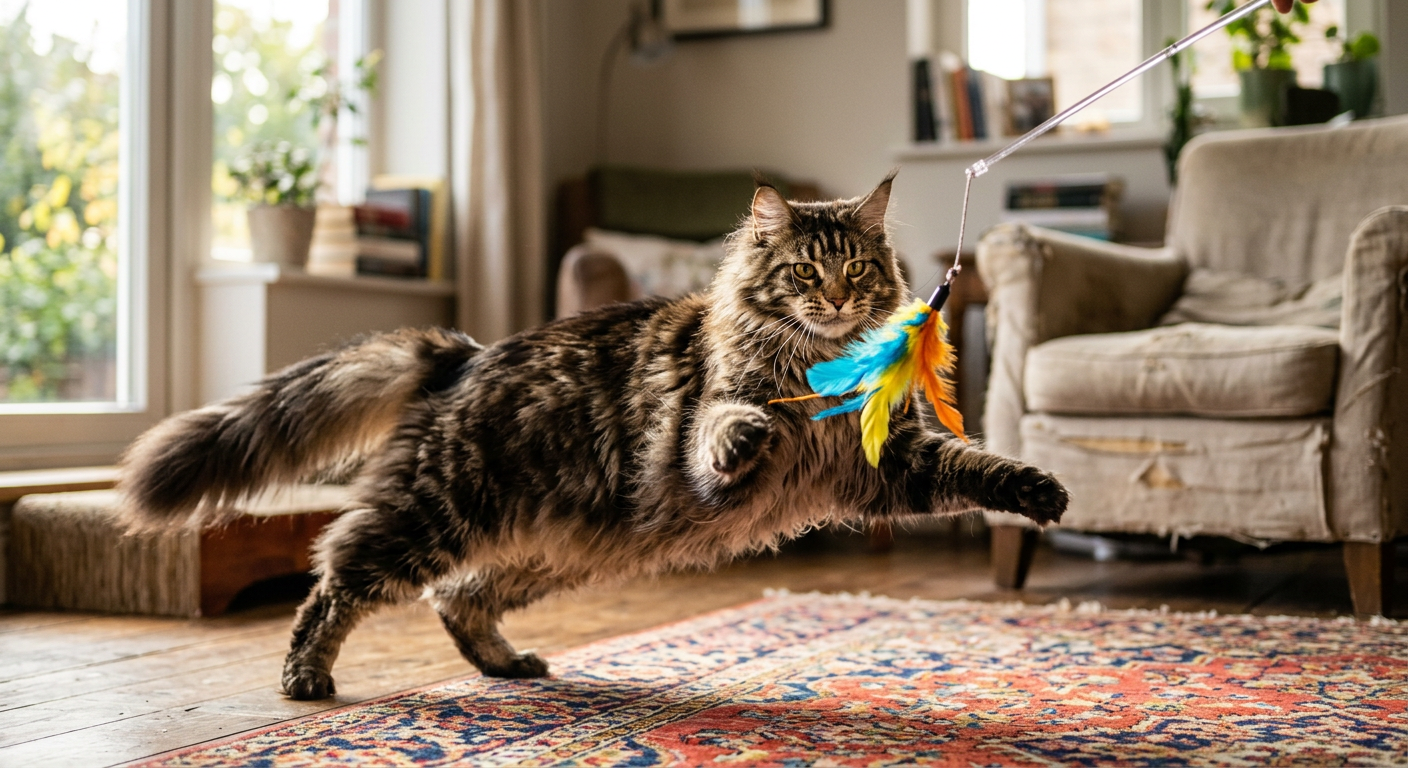
- Scheduled Play Sessions: Engagement with a wand toy for 15 minutes before your bedtime mimics the "hunt" phase of their natural cycle.
- The "Hunt-Eat-Sleep" Method: Feed your cat their largest meal of the day immediately after the evening play session to trigger their natural post-meal grooming and sleeping instincts.
- Interactive Toys: Provide puzzle feeders or battery-operated toys that they can use during the day to prevent boredom.
- Vertical Space: Ensure your cat has cat trees or shelves to explore during the day so they feel physically tired by evening.
Consistency is key when implementing these changes. It may take a week or two for your cat to adjust their internal clock to your new routine. Remember to reward calm behavior during the day and avoid getting out of bed to interact with them during their 3am sprints, as this can inadvertently reinforce the behavior.
Creating a Restful Nighttime Environment
If your cat continues to have bursts of energy, you can minimize the disruption to your sleep. Consider using white noise machines to drown out the sound of paws on the floor. Thick rugs or runners in hallways can also muffle the sound if you have hardwood or laminate flooring.
Providing a dedicated "nighttime sanctuary" with a comfortable bed, water, and a few quiet toys can encourage your cat to stay in one area of the house. If the behavior is particularly disruptive, you might consider comparing your cat's energy levels with other breeds. For instance, you can see how different temperaments stack up by looking at a British Shorthair vs. Russian Blue comparison to see if your cat's activity is typical for their type.
When to Consult a Professional
Most of the time, your cat running zoomies at 3am every night is simply a sign of a happy, healthy feline. However, if the behavior is accompanied by weight loss, excessive meowing, or sudden aggression, reach out to your veterinarian. They can rule out any physiological causes and give you peace of mind that your cat’s midnight marathons are just part of their unique personality.
Every cat is an individual, and what works for one may not work for another. By being patient and observant, you can create a routine that honors your cat's natural instincts while protecting your own need for rest. With a little extra play and a structured schedule, those 3am zoomies can become a manageable part of life with your feline friend.