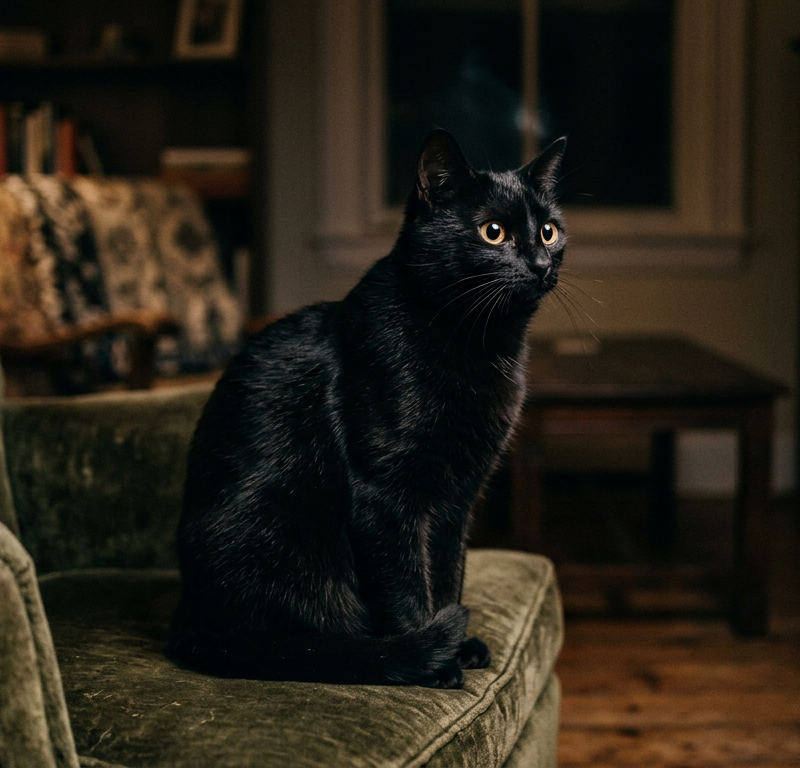
Have you ever woken up in the middle of the night to find your feline friend sitting perfectly still, eyes wide and fixed on a shadowy part of the room? A cat staring at dark corner at night can be a curious and sometimes unsettling sight for pet parents. While it might feel like they are seeing something from a ghost story, there are actually several fascinating biological and environmental reasons for this behavior.
Understanding why your cat focuses on seemingly empty spaces involves looking at their incredible sensory capabilities. Cats experience the world very differently than humans do. Their survival instincts and predatory heritage mean they are constantly scanning their environment for even the smallest changes, many of which are completely invisible or inaudible to us.
If you are curious about other nighttime feline activities, you might also wonder why is my cat running zoomies at 3am every night. Both behaviors are often linked to their natural crepuscular rhythms. Let’s dive into the science and instinct behind that fixed, unblinking gaze into the darkness.
The Superhuman Senses of Your Feline Friend
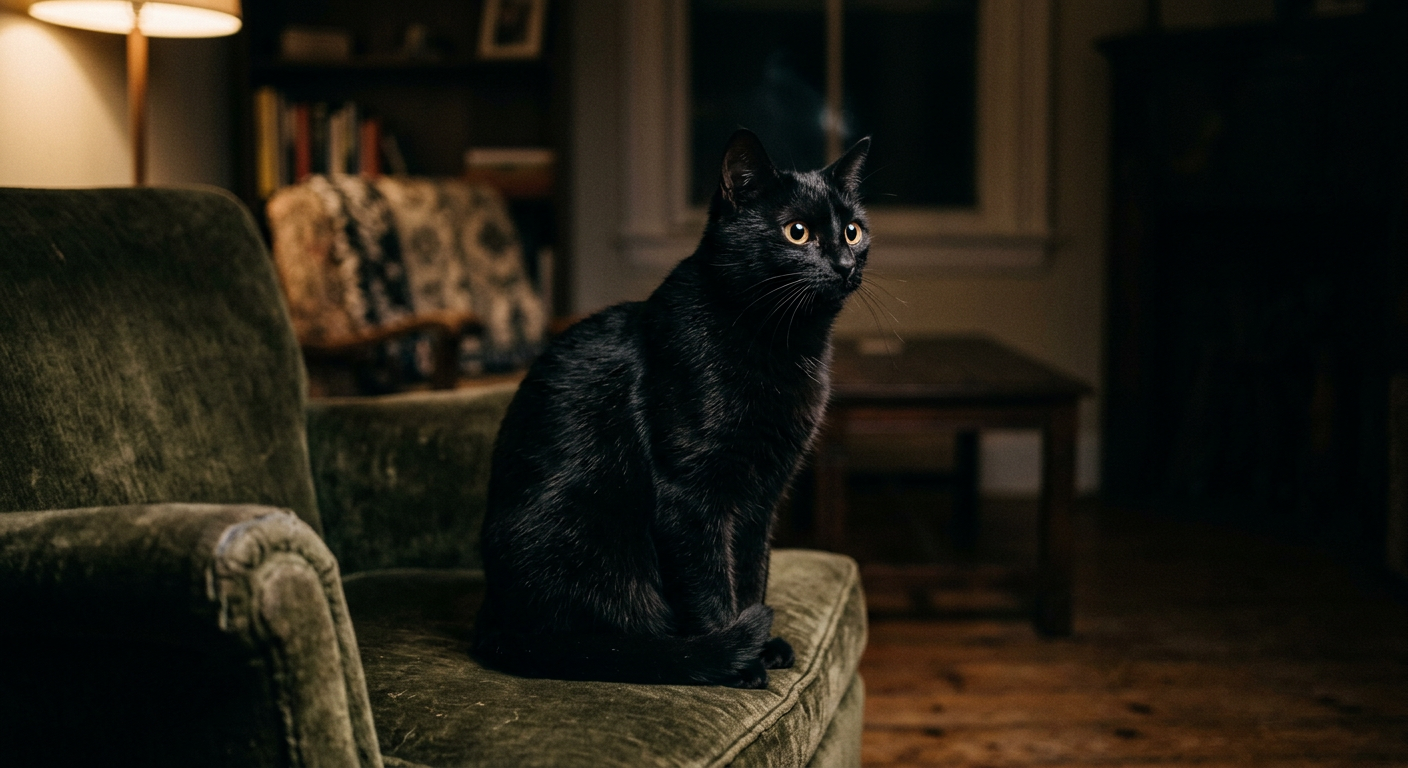
The primary reason for a cat staring at dark corner at night is their heightened sense of sight. Cats possess a structure behind their retina called the tapetum lucidum. This "biological mirror" reflects light back through the retina, significantly increasing their ability to see in low-light conditions. What looks like a pitch-black corner to you might actually be quite visible to your cat.
Furthermore, cats have a much higher density of rod cells in their eyes compared to humans. This allows them to detect tiny movements that we would miss. A small dust mote floating in a draft or a tiny spider crawling along the baseboard is enough to capture their full attention for minutes at a time.
Acute Hearing and Low-Frequency Detection
It is not just about what they see; it is also about what they hear. Cats can hear ultrasonic sounds that are far beyond the range of human ears. They can also rotate their ears independently to pinpoint the exact source of a noise. If your cat is staring at a corner, they might actually be listening to something behind the wall.
Common sounds that might attract their attention include:
- The hum of electricity within the walls or from a nearby appliance.
- Small insects or rodents moving in the attic or crawlspace.
- Water moving through pipes during a late-night cycle.
- Settling sounds of the house as the temperature changes at night.
Why Your Cat Stares at the Wall Late at Night
When your cat gazes into a specific spot, they are often performing a task known as "spatial mapping." Because cats are both predators and prey in the wild, they must be intimately aware of their surroundings at all times. A cat staring at dark corner at night is often just verifying that their territory remains secure and unchanged.
Sometimes, the "corner" isn't the focus at all. Cats are highly sensitive to shadows and reflections. Even a faint light from a streetlamp passing through a curtain can create a moving shadow on the wall. To a cat with a high prey drive, this movement is an invitation to observe and potentially hunt.
The Role of Instinct and Play
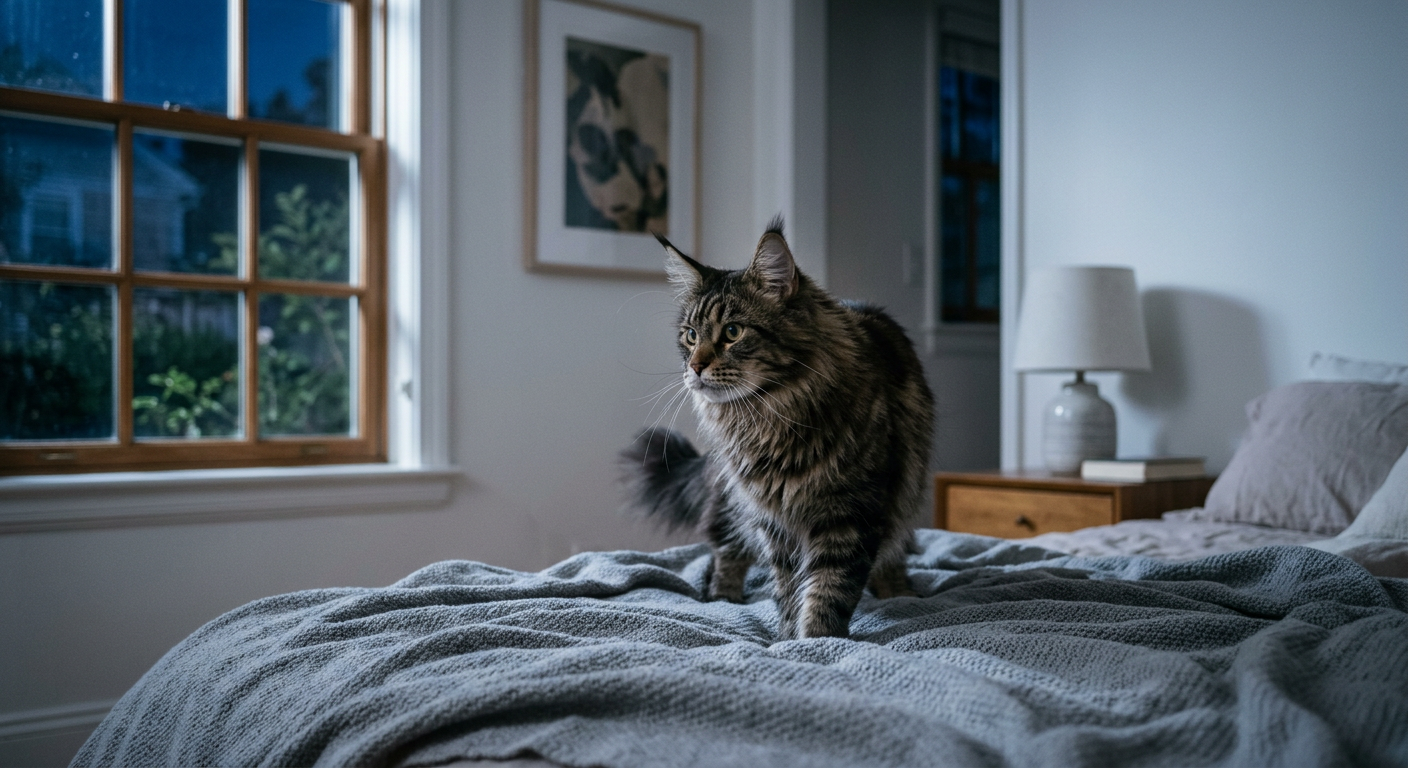
For many cats, the nighttime is a period of high mental stimulation. This is the same reason you might hear them making noise elsewhere; for instance, you can learn why does my cat yowl at night for no reason to better understand their vocalizations. Staring can be a precursor to play or a way for them to burn off mental energy by "stalking" imaginary prey in the shadows.
If you have a specific breed like a Maine Coon or a British Shorthair, you might notice different levels of intensity in their staring. Some breeds are more sedentary and observant, while others are more likely to turn a stare into a sudden pounce. Staring is essentially a focused form of mental exercise for a cat that spends most of its day indoors.
Health and Wellness Considerations
While most instances of a cat staring at dark corner at night are perfectly normal, there are times when it might be related to their overall wellness. As cats age, they may experience changes in their cognitive function or sensory perception. If the staring is accompanied by confusion or distress, it is always best to consult a veterinarian for proactive care.
One condition to be aware of in senior cats is Feline Cognitive Dysfunction (FCD). Similar to dementia in humans, this can cause a cat to feel disoriented or "stuck" in a certain spot. They may stare at walls or corners because they have momentarily forgotten their destination or feel unsure of their environment.
Hyperesthesia and Sensitivity
Another wellness consideration is Feline Hyperesthesia Syndrome. This involves an extreme sensitivity of the skin or nervous system. A cat with this condition might appear to be staring intently at nothing before suddenly grooming themselves or racing away. If you notice your cat's skin rippling or if they seem agitated while staring, a professional veterinary check-up is recommended.
How to Support Your Cat's Nighttime Routine
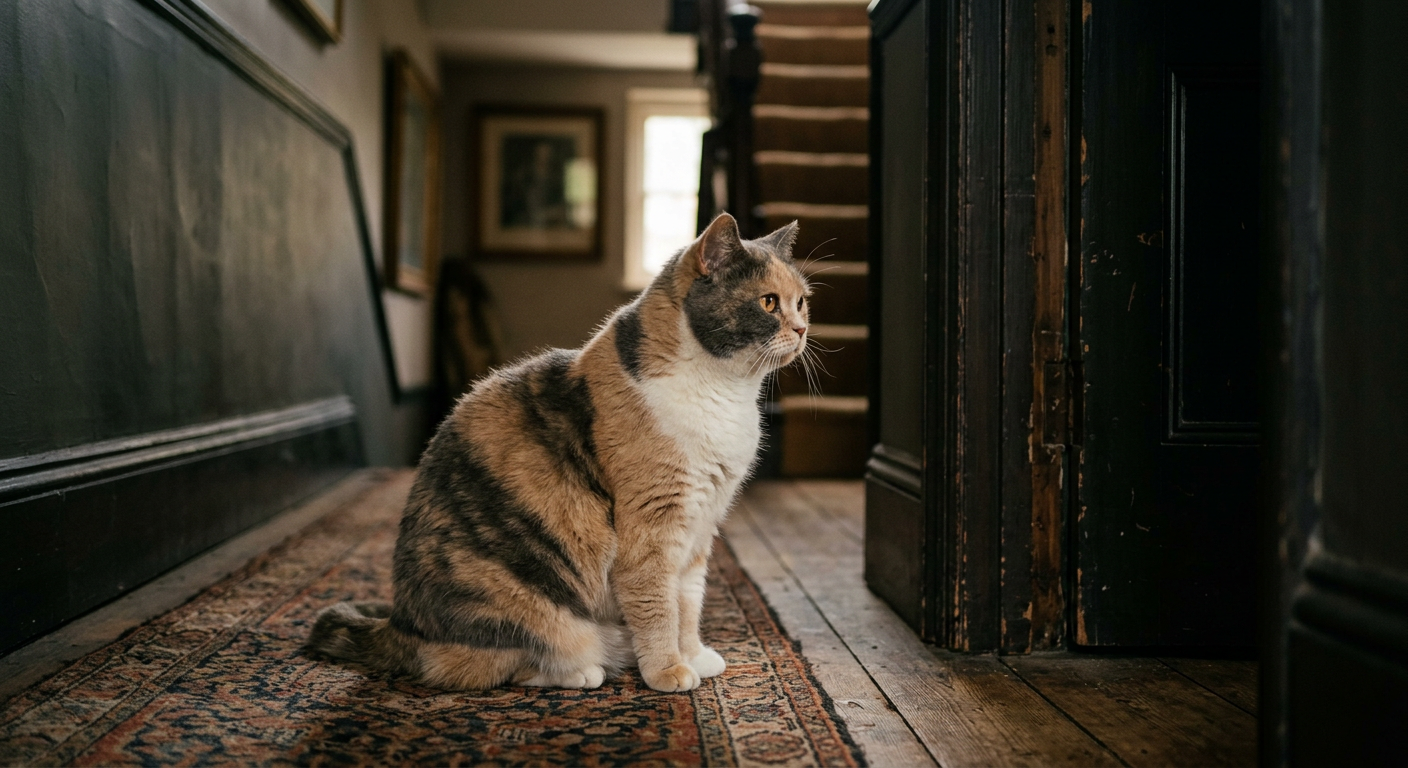
If your cat’s staring habit is keeping you awake or making you feel uneasy, there are several ways to help them settle. Providing environmental enrichment during the day can reduce their need to seek out "invisible" movement at night. High-intensity play sessions before bedtime can help reset their internal clock.
- Interactive Play: Use wand toys or laser pointers 20 minutes before bed.
- Scheduled Feeding: A meal right after play can trigger the "hunt-eat-groom-sleep" cycle.
- Nightlights: If you think your cat is getting spooked by shadows, a small nightlight can reduce high-contrast shadows in corners.
- White Noise: A fan or white noise machine can mask the tiny sounds in the walls that might be catching their ear.
It is important to remember that for your cat, the house never truly "goes to sleep." There is a world of microscopic movement and ultrasonic sound that we are simply not tuned into. When your cat stares at a dark corner, they are engaging with that hidden world using their incredible natural tools.
Conclusion
Seeing a cat staring at dark corner at night is a common experience for most owners. Usually, it is a testament to their superior senses and their natural instinct to protect and observe their territory. Whether they are tracking a tiny moth or listening to the house settle, your cat is simply being a cat.
If you observe any sudden changes in their behavior or if the staring is paired with signs of distress, reaching out to your vet is a great way to ensure their ongoing wellness. In most cases, however, you can rest easy knowing that your feline guardian is just keeping a very close eye on things while you sleep.