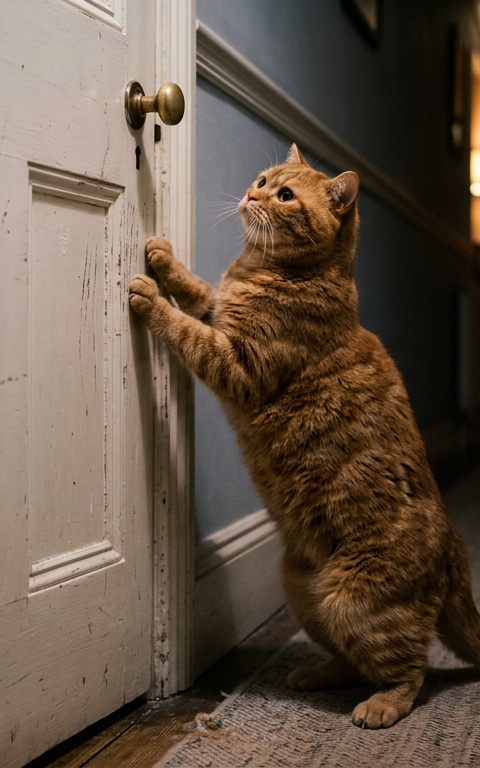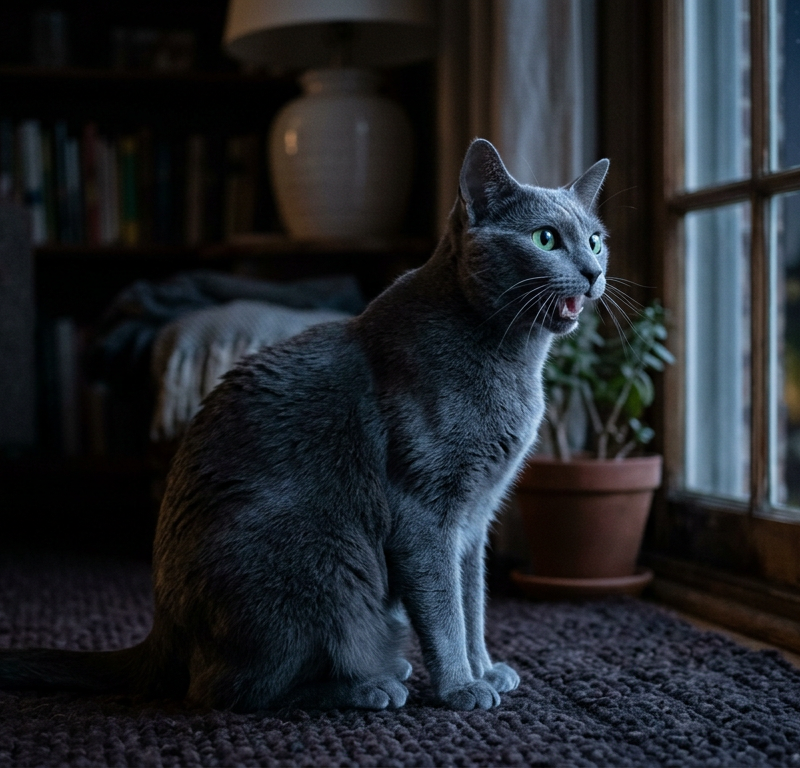
Many cat owners have experienced that sudden, piercing sound in the middle of the night. You are fast asleep when suddenly, a loud cry echoes through the hallway. If you find yourself asking why does my cat yowl at night for no reason, you are certainly not alone. While it may feel like your feline friend is trying to disrupt your sleep, there is almost always a driving force behind this vocalization.
Understanding these nighttime vocalizations requires a look into the feline psyche and their biological history. Cats are naturally crepuscular, meaning they are most active during the dawn and dusk hours. However, many house cats shift this energy into the deep night, leading to what owners perceive as random shouting or yowling. By exploring the various reasons for this behavior, you can better support your cat’s well-being and perhaps reclaim your own sleep.
Biological Instincts and the Nighttime Routine
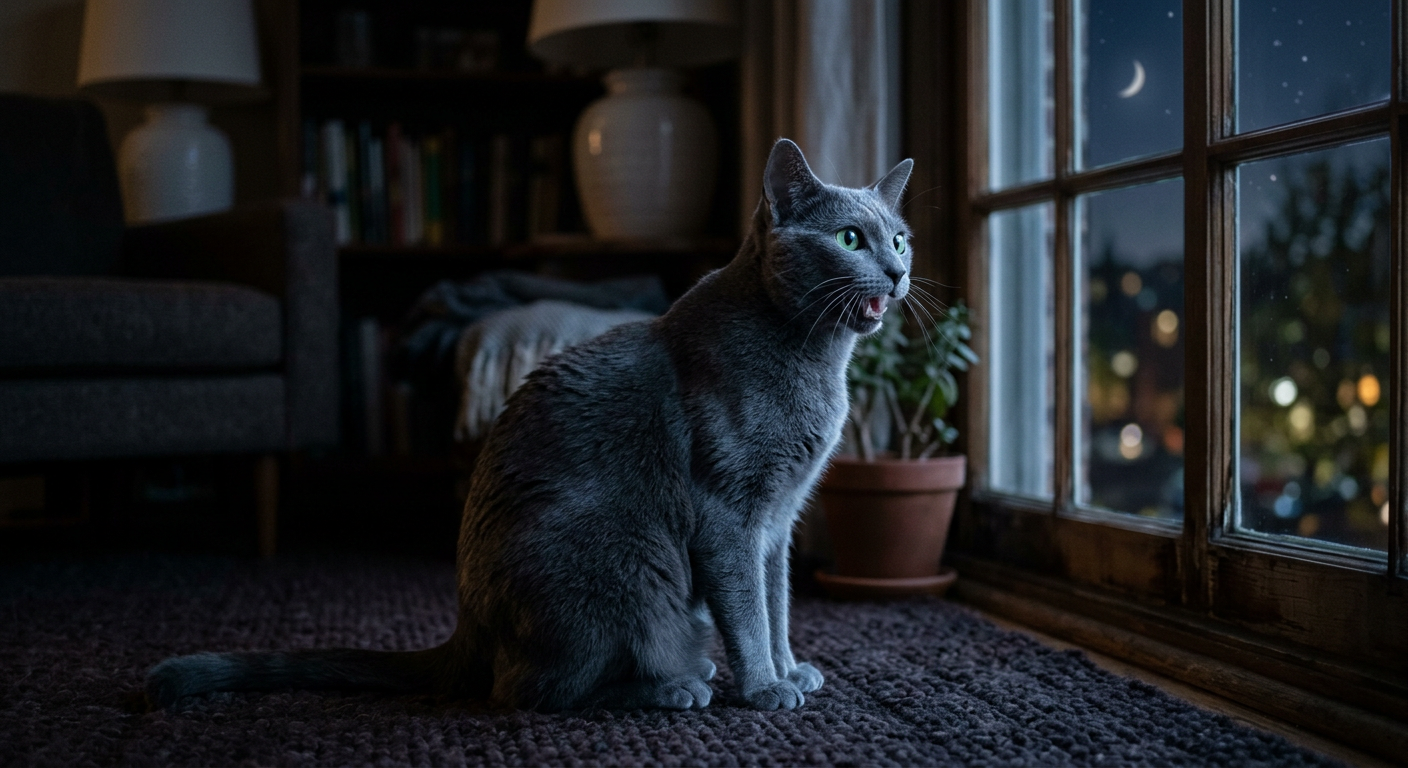
To understand why a cat might vocalize after dark, we have to look at their ancestors. In the wild, the hours of darkness provided the perfect cover for hunting small prey. Even though your pampered indoor pet has a bowl full of kibble, those ancient predatory instincts remain very much alive. A late-night yowl might simply be an announcement of a successful "hunt" involving a toy mouse or a stray sock.
Sometimes, this behavior is linked to other nocturnal activities. If you have noticed your cat has an abundance of energy, you might also find them engaging in "zoomies." You can learn more about this in our guide on why is my cat running zoomies at 3am every night. When the physical energy of a sprint isn't enough, many cats use their voices to express that same excitement or frustration.
The Role of Boredom and Attention
Cats are highly intelligent creatures that require mental and physical stimulation. If your cat spends most of the day napping while you are at work, they wake up at night with a full "battery." When they realize the rest of the household is asleep, they may yowl as a way to solicit engagement. If you have ever gotten out of bed to hush them or offer a midnight snack, you may have accidentally reinforced the behavior.
Consistency is key when managing attention-seeking vocalizations. While it is tempting to respond to a crying cat, doing so often teaches them that yowling results in human interaction. Instead, focus on providing plenty of play sessions during the evening hours to tire them out before you head to bed.
Wellness Considerations for Aging Cats
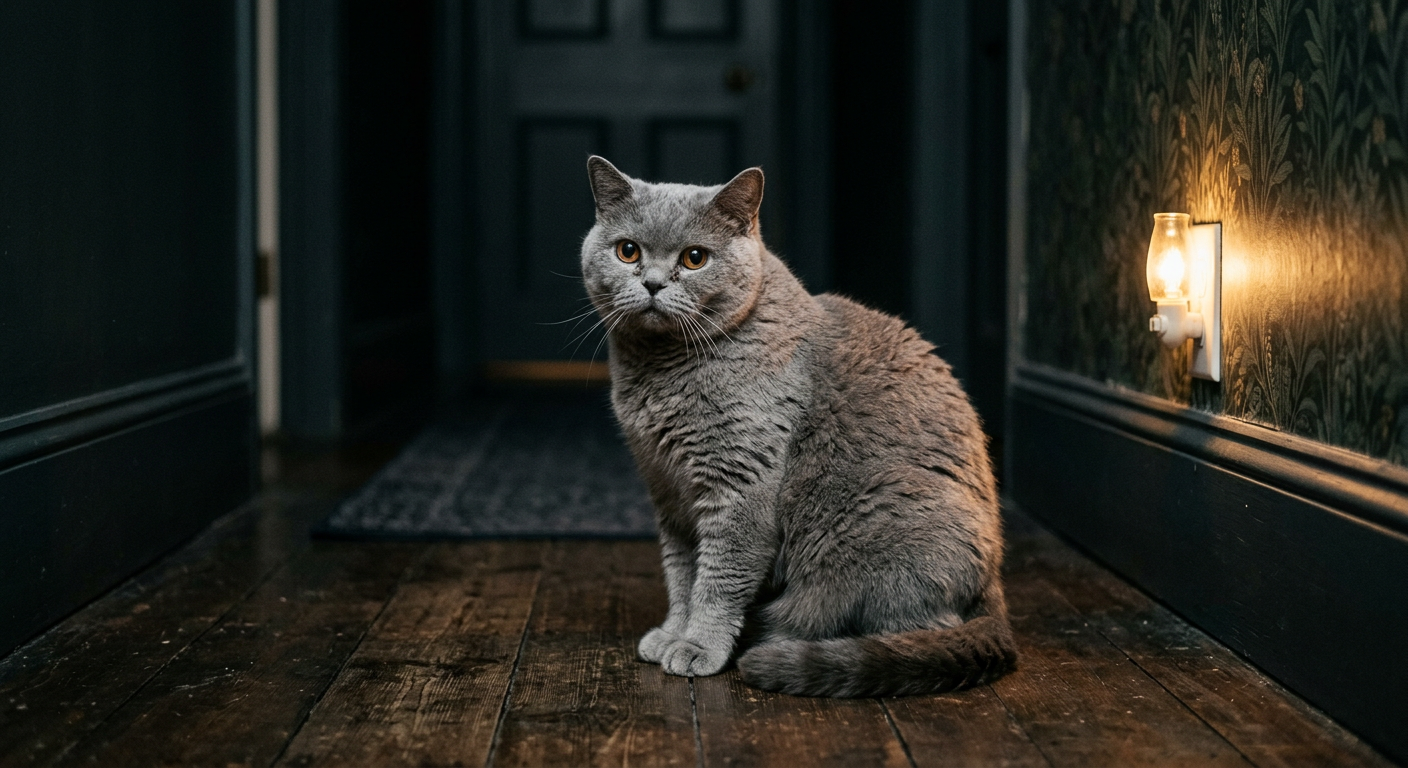
As cats enter their senior years, the reasons for nighttime crying often shift from playfulness to health-related factors. If an older cat begins vocalizing late at night, it is important to consider their physical comfort and cognitive health. Many senior cats experience changes in their vision or hearing, which can make the dark house feel disorienting or frightening.
Cognitive Dysfunction Syndrome (CDS) is a condition similar to dementia in humans that affects many aging felines. Cats with CDS may become confused about their surroundings, lose track of their sleep-wake cycles, and yowl out of a sense of being lost. Providing nightlights in hallways and keeping their essential items like litter boxes and water bowls in easy-to-find locations can help bridge this gap.
Physical Health and Vocalization
Sometimes, a cat cries out because they are experiencing physical discomfort. Conditions such as hyperthyroidism or high blood pressure can lead to increased vocalization and restlessness. If your cat’s behavior has changed suddenly, or if the yowling is accompanied by weight loss or increased thirst, a proactive care visit to your veterinarian is the best course of action. They can rule out underlying medical issues that might be causing your cat distress.
It is also helpful to track your cat's life stages to better understand their changing needs. You can use tools like our Maine Coon age calculator or similar breed-specific guides to see where your pet stands in their developmental journey. Knowing if your cat is entering their senior years can help you look for early signs of age-related vocalization changes.
Environmental Factors and Household Dynamics
Your cat's environment plays a huge role in how they act once the lights go out. Cats are territorial animals, and they are very sensitive to changes in their domain. If there are stray cats wandering outside your window at night, your indoor cat may feel the need to defend their territory vocally. This "crying" is actually a warning to the intruder outside or an expression of territorial frustration.
Consider these environmental stressors that might trigger nighttime noise:
- Changes in the household, such as a new pet or a moved piece of furniture.
- Outdoor sights or sounds, such as wildlife or neighboring pets.
- Hunger or thirst if the feeding schedule is strictly early-evening.
- Dirty litter boxes that the cat is hesitant to use during the night.
Providing a "safe haven" for your cat can mitigate some of these triggers. Curtains that block the view of the outdoors and white noise machines can help reduce the stimuli that cause your cat to react. Ensuring their resources are clean and accessible before you go to bed can also prevent a middle-of-the-night "complaint" about their living conditions.
Strategies for a Quieter Night
Addressing why your feline friend makes noise at night requires a multi-faceted approach. Transitioning your cat to a schedule that aligns more closely with your sleep pattern takes time and patience. The goal is to maximize their daytime activity so that nighttime becomes a period of rest rather than a period of high-energy vocalization.
Interactive Play and Feeding
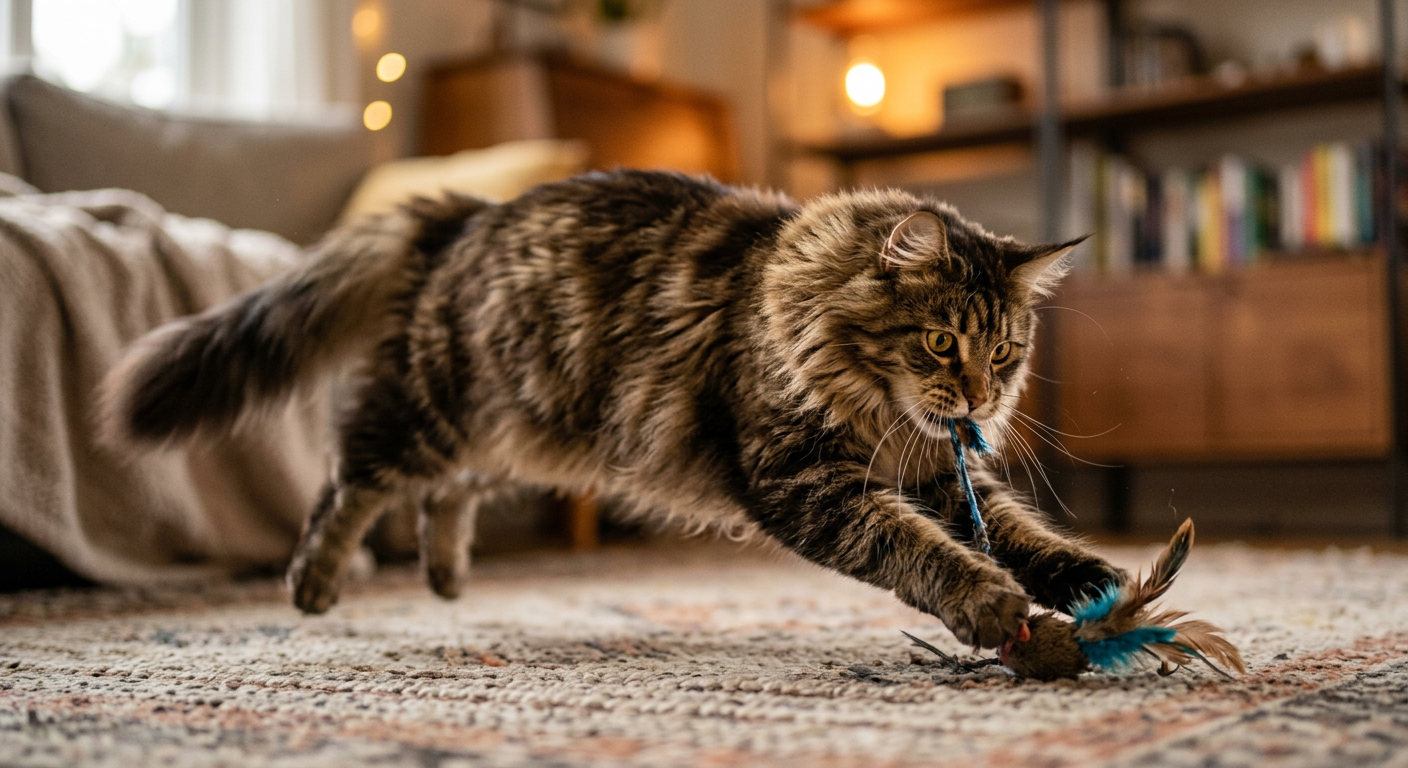
One of the most effective ways to reduce nighttime noise is the "hunt-eat-groom-sleep" method. Approximately an hour before you plan to sleep, engage your cat in an intense play session using a wand toy or laser. Follow this immediately with their final meal of the day. Naturally, cats will groom themselves after eating and then settle down for a long nap, mirroring their natural biological cycle.
Environmental Enrichment
If your cat continues to seek attention, provide "solo" entertainment options. Food puzzles, automated toys, or even a safe "cat patio" can keep their minds occupied without requiring your direct participation. By redirecting their energy into these activities, you provide a constructive outlet for their nocturnal instincts.
Conclusion
When you wonder why does my cat yowl at night for no reason, remember that there is always a reason—even if it is hidden from our human perspective. Whether it is a burst of predatory energy, a plea for some late-night affection, or a sign of age-related changes, your cat is communicating their needs. By observing their patterns and consulting with a veterinarian to ensure they are in peak health, you can create a peaceful environment for both you and your cat.
Patience and proactive care are your best tools. With a consistent routine and a better understanding of feline behavior, those midnight concerts will eventually become a thing of the past, allowing everyone in the household to enjoy a restful night’s sleep.