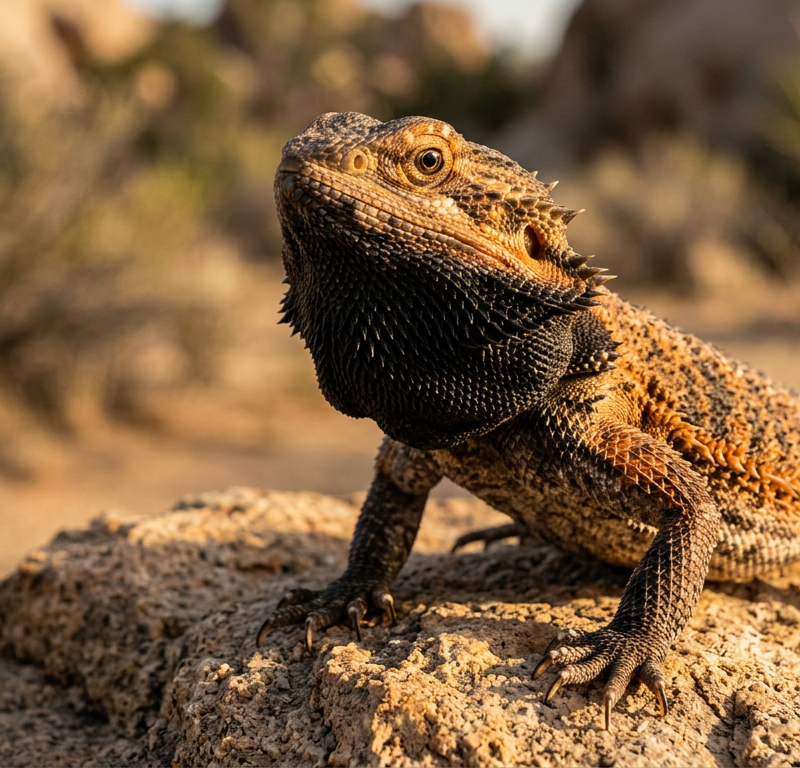
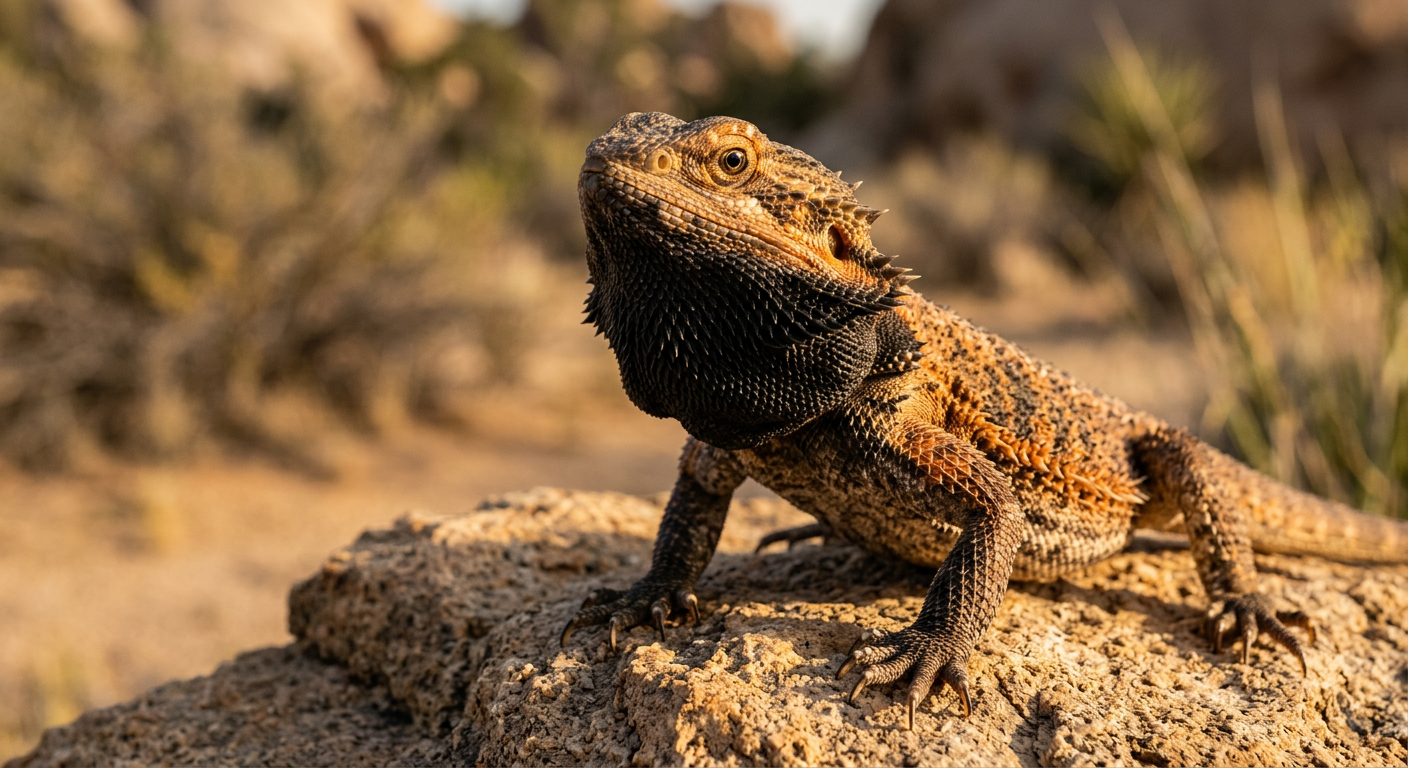
Watching your scaly companion undergo a sudden color change can be a surprising experience for any reptile owner. If you notice your bearded dragon turning black beard stressed signals are often the primary reason behind this dramatic visual shift. While it can look intense, "bearding"—the process where a dragon expands its throat and darkens the scales—is a natural form of communication and physiological regulation.
Understanding why this happens is the first step in ensuring your pet feels safe and comfortable in its environment. By observing the context of the behavior, you can determine if your dragon is simply waking up, reacting to a perceived threat, or needs a slight adjustment to its habitat. It is always helpful to look at general reading behavior in reptiles and aquarium fish to better understand these subtle cues.
Understanding the Mechanics of the Black Beard
The "beard" of a bearded dragon consists of specialized scales on the underside of the throat. When a dragon feels a strong emotion or physical need, it uses small muscles to puff this area out, making itself look larger and more intimidating. The darkening of the scales occurs due to specialized cells called chromatophores, which can expand or contract to change the skin's pigment.
Is It Always Stress?
While the focus is often on anxiety, a dark beard doesn't always mean your pet is unhappy. Sometimes it is a sign of thermal regulation or even reproductive readiness. However, when the color change is accompanied by a flattened body or wide-open mouth, it is a clear indicator that the dragon is feeling overwhelmed or defensive.
The Role of Adrenaline
Like mammals, reptiles have a nervous system that responds to external stimuli. When a bearded dragon perceives a "predator"—which could be a vacuum cleaner or even a new piece of furniture—adrenaline triggers the darkening of the throat. This is a survival mechanism designed to ward off potential harm in the wild.
Common Environmental Triggers for Darkening
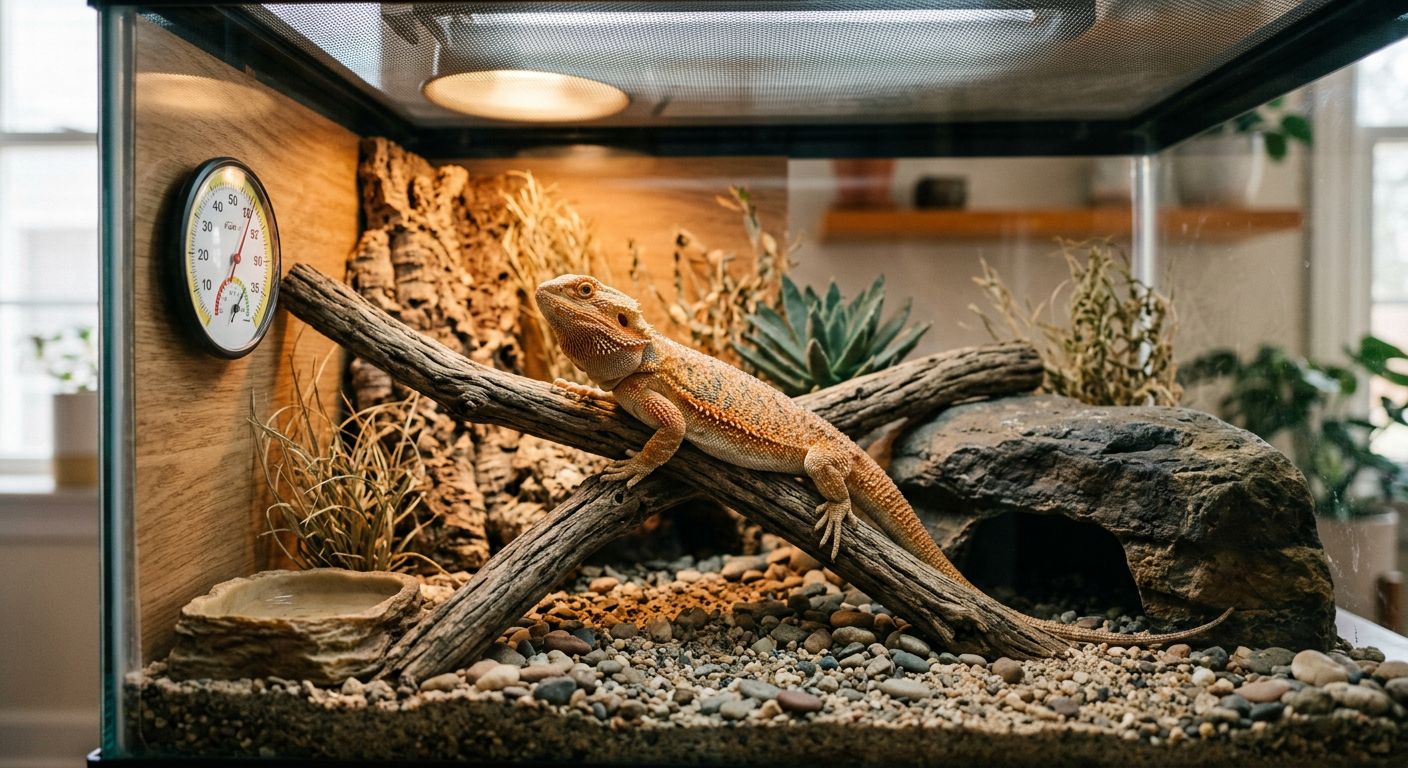
Your dragon's enclosure is their entire world. If something is slightly off in their "territory," they will let you know through their body language. If you find your bearded dragon turning black beard stressed responses might be linked to specific environmental factors that are easy to fix.
- Improper Lighting: If your UVB bulb is old or the heat gradient is incorrect, your dragon may darken its scales to absorb more heat.
- Reflections: Dragons are territorial. If they see their own reflection in the glass, they think another dragon is invading their space. This often leads to bearded dragon glass surfing meaning and persistent black bearding.
- Relocation Stress: Moving to a new home or even a different room can cause temporary darkened scales for a few days as they adjust.
- External Noise: Loud music, barking dogs, or slamming doors can keep a reptile in a high state of alert.
The Connection Between Temperature and Color
Reptiles are ectothermic, meaning they rely on their environment to regulate body temperature. A dark beard is a very efficient tool for "soaking up" heat. Because dark colors absorb more light energy, a dragon may turn its throat or even its whole body dark in the morning to reach its optimal operating temperature faster.
If you notice the black beard early in the morning when the lights first come on, it is likely just a biological "solar panel" effect. Once the dragon warms up, the color usually fades back to its normal light tan or orange. If the darkness persists all day, check your basking spot temperatures with a reliable digital thermometer.
How to Help a Stressed Bearded Dragon
When you identify that your pet is feeling uneasy, taking proactive steps can help them settle back into their peaceful state. Consistency is key when dealing with reptile wellness. If the behavior continues despite these changes, it is always best to consult a veterinarian who specializes in exotics.
Create a "Safe Zone"
Ensure your dragon has plenty of hiding spots. A hollow log or a rock cave allows them to retreat from view when they feel vulnerable. Sometimes, simply covering three sides of the glass enclosure with a background can reduce reflections and make them feel more secure in their "den."
Gentle Interaction
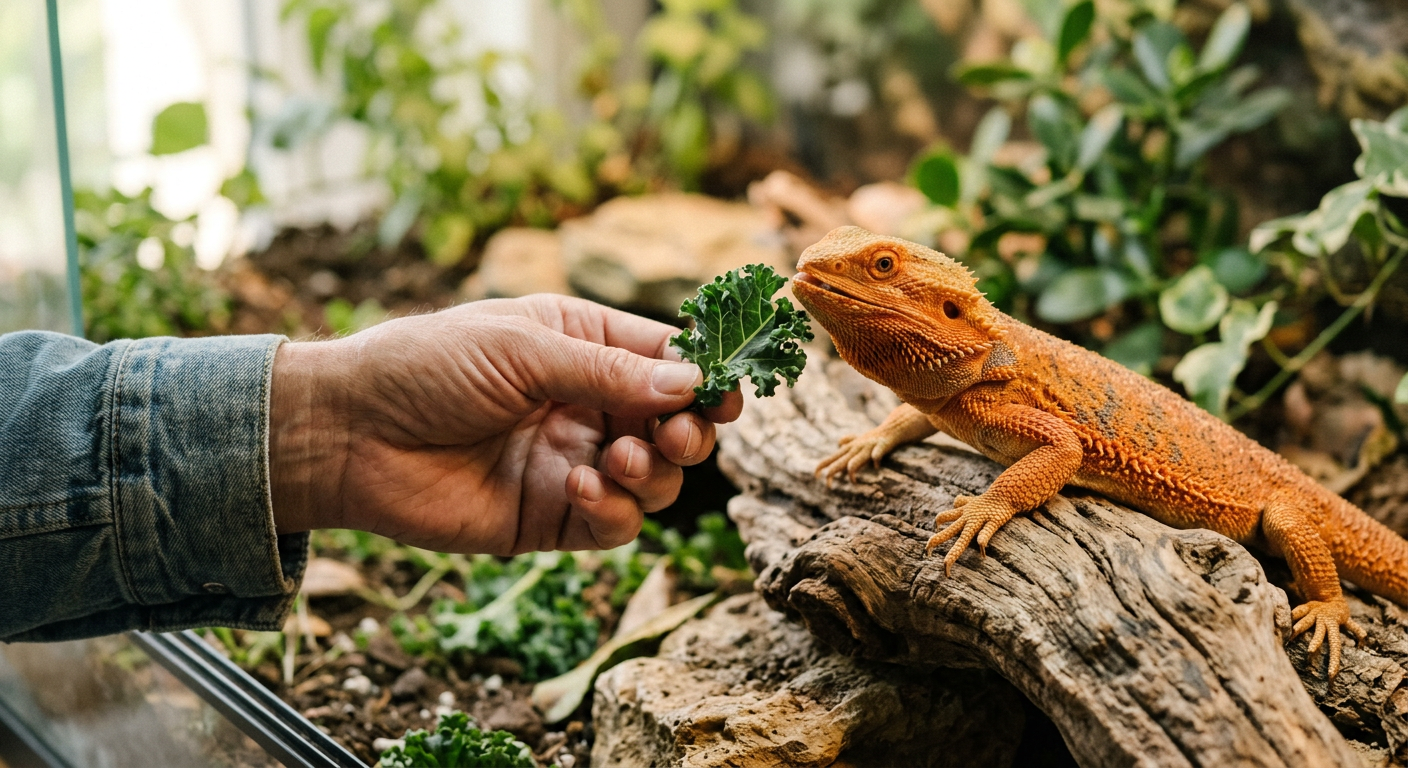
If your dragon is flared up, avoid picking them up immediately. Instead, talk to them softly and place your hand in the enclosure without touching them. This teaches them that your presence isn't a threat. Over time, you can transition to hand-feeding greens to build a positive association with your movements.
Health Considerations Beyond Stress
While a bearded dragon turning black beard stressed signals are frequent, persistent darkening can sometimes point toward physical discomfort. In the world of reptile care, behavioral changes are often the first sign that something internal needs attention. If your pet hasn't been eating or is acting lethargic, you might want to review guides on similar issues like a leopard gecko not eating for two weeks to see if there are overlapping environmental problems.
Brumation and Cycles
As the seasons change, many dragons go into a semi-hibernation state called brumation. During this time, they may be grumpier and display darker colors. Understanding these natural cycles can prevent unnecessary worry for the owner while ensuring the pet gets the rest it needs. Similar slow-downs can be seen when a tortoise not moving much in summer occurs due to heat or seasonal shifts.
When to See a Vet
If the black beard is accompanied by labored breathing, a lack of appetite for more than a week, or visible injuries, a veterinary visit is essential. Foul-smelling stool or unusual discharge are also signs that the "stress" might actually be an underlying infection or parasitic load that requires professional treatment.
Conclusion
Observing a bearded dragon turning black beard stressed behavior is part of the journey of being a reptile parent. By paying attention to their environment, temperature, and social triggers, you can help your dragon feel at ease. Most of the time, a black beard is just your pet's way of talking to you, and with a few small adjustments, they will be back to their bright, calm selves in no time.