Observing a fish swimming sideways at top of tank can be a concerning moment for any aquarium hobbyist. When your underwater friend deviates from their normal, upright posture, it serves as a primary signal that something within their environment or their physical well-being requires attention. Understanding the nuances of aquatic behavior is key to maintaining a thriving habitat.
In the world of fishkeeping, every movement tells a story. While a healthy fish glides effortlessly through the water column, a fish struggling to maintain its equilibrium or staying pinned to the surface is often communicating specific needs. By learning to decode these signs early, you can take proactive steps to ensure your aquatic pets continue to live a long and vibrant life.
Understanding Equilibrium and the Swim Bladder
The most common reason for a fish swimming sideways at top of tank involves the swim bladder. This specialized internal organ is a gas-filled sac that allows fish to control their buoyancy. By adjusting the amount of gas within the bladder, a fish can stay at a specific depth without wasting energy swimming.
When this organ is compromised, the fish loses its ability to stay upright. This often results in the fish floating toward the surface, tilting to one side, or even swimming upside down. This condition isn't a single disease but rather a symptom of various underlying factors that affect the organ's functionality.
Common Causes of Buoyancy Issues
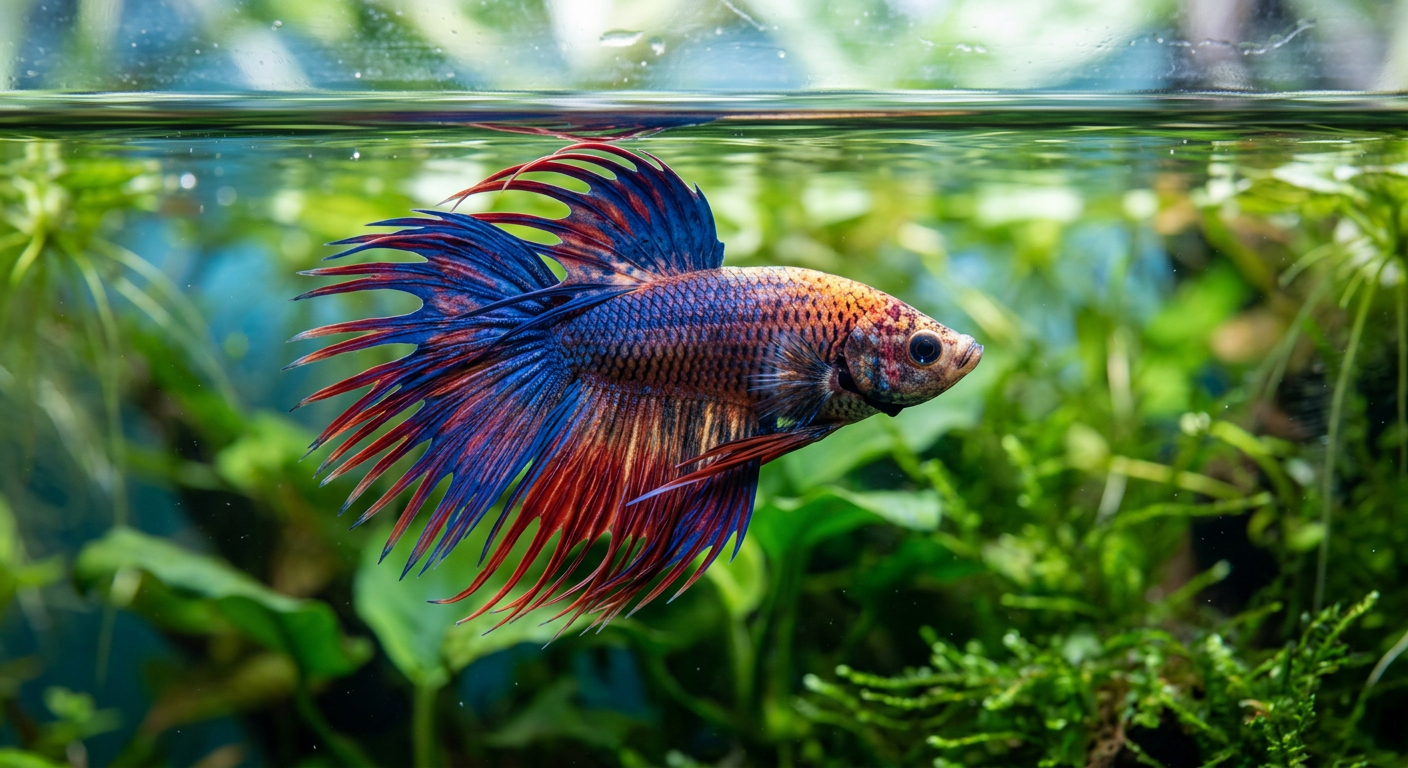
Several factors can lead to a fish resting sideways near the surface. One of the most frequent causes is digestive "backup." When a fish eats too quickly or consumes air along with floating flakes, its digestive tract can become enlarged, putting pressure on the swim bladder located right next to it.
Environmental stressors also play a significant role. If the water temperature fluctuates too rapidly or the water quality drops, a fish’s internal systems may struggle to cope. Similar to how we study reading behavior in reptiles and aquarium fish, we must look at the physical environment as the first point of troubleshooting.
Water Quality and Oxygen Levels
Sometimes, a fish swimming sideways at top of tank is actually gasping for air. While fish breathe through their gills, low oxygen levels in the water (hypoxia) will drive them to the surface where oxygen concentration is highest. In their struggle to pull in more oxygen, they may tilt or appear lethargic.
Poor water quality, specifically high levels of ammonia or nitrites, can damage a fish's gills. When the gills are compromised, the fish cannot move oxygen into its bloodstream efficiently. This leads to exhaustion, causing the fish to list to one side as it rests near the surface where the water is most oxygen-rich.
The Role of Surface Agitation
To prevent oxygen-related swimming issues, proper surface agitation is essential. Filters, bubblers, and air stones break the surface of the water, facilitating the exchange of gases. Without this, carbon dioxide builds up and oxygen diminishes, leading to the "piping" behavior often seen alongside sideways swimming.
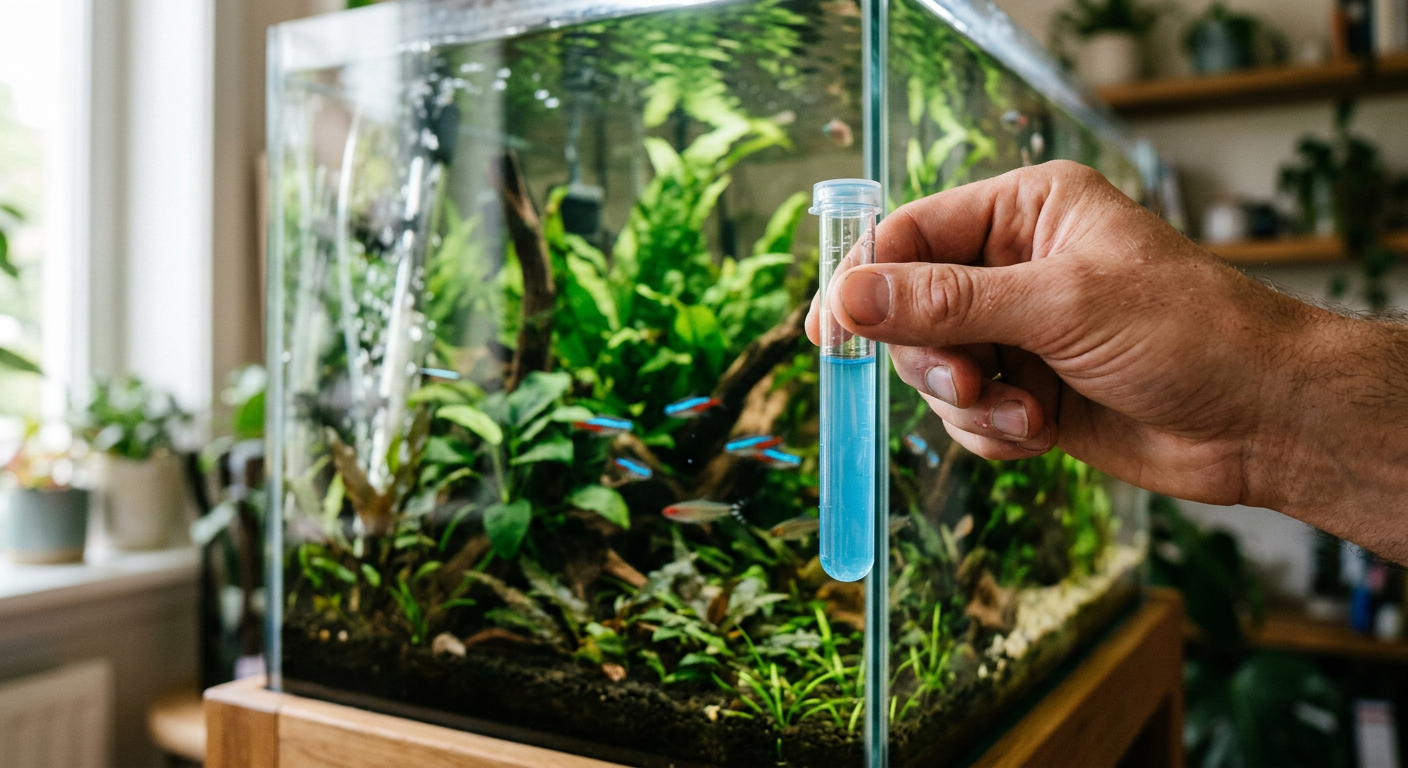
Water testing is your best tool in these situations. Regularly checking for ammonia, nitrite, and nitrate levels ensures that the "invisible" parts of your aquarium are safe. If your fish is struggling, a partial water change is often the first and most effective proactive step you can take.
Dietary Factors and Feeding Habits
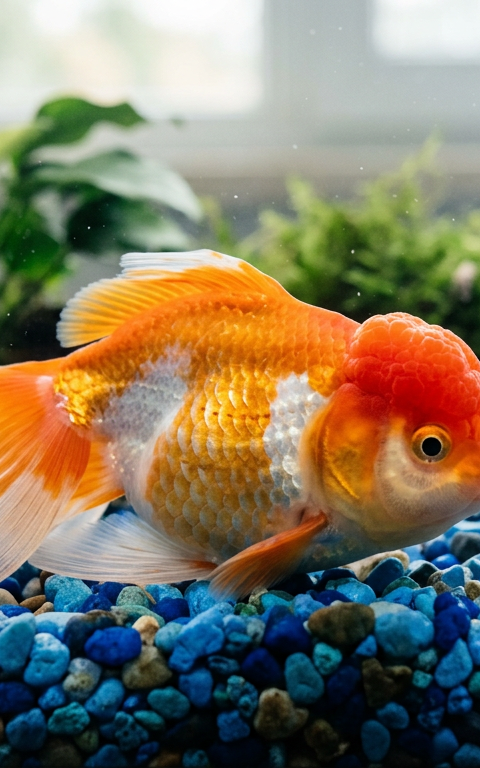
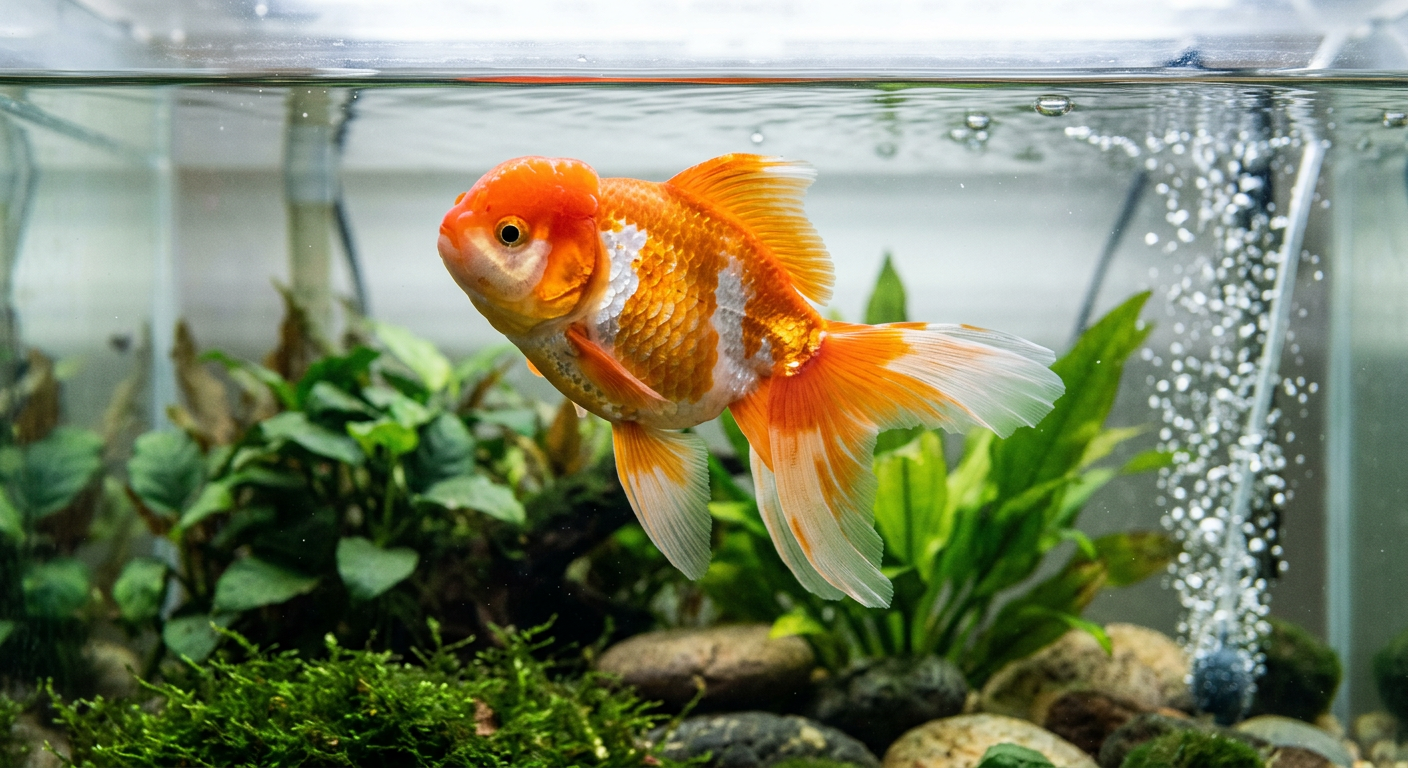
What you feed your fish and how you feed them significantly impacts their buoyancy. High-protein diets or low-quality flakes that expand quickly when wet can cause constipation. For fancy goldfish varieties, which have compact body shapes, even a small amount of bloating can shift their center of gravity.
To help a fish that is listing to the side due to digestive issues, many keepers use the "frozen pea" method. Feeding a blanched, skinned pea can act as a natural laxative, helping to clear the digestive tract and relieve pressure on the swim bladder. Switching to sinking pellets instead of floating flakes can also prevent the fish from gulping air at the surface.
- Avoid overfeeding; only provide what can be eaten in two minutes.
- Pre-soak dried foods to allow them to expand before the fish eats them.
- Incorporate fiber-rich foods like daphnia or prepared vegetables.
- Ensure a varied diet to prevent nutritional deficiencies.
Identifying Potential Infections
While environmental and dietary issues are common, sideways swimming can sometimes stem from bacterial or parasitic infections. If the fish shows other signs like pineconing scales (dropsy), cloudy eyes, or ragged fins, an internal infection may be affecting its organs. In these cases, the swim bladder may become inflamed due to the body's immune response.
If you suspect an infection, it is best to move the fish to a "hospital tank." This is a smaller, separate aquarium where you can easily monitor the fish and administer targeted wellness treatments without affecting the rest of your community. Always consult with a veterinarian who specializes in aquatic animals for a precise care plan.
The Impact of Physical Injury
Occasionally, physical trauma can lead to a fish swimming sideways at top of tank. If a fish is nipped by a dominant tank mate or knocks into a piece of sharp decor, the resulting bruise or internal injury can impair its swimming. Constant monitoring of tank dynamics is vital, much like how reptile owners watch for a bearded dragon turning black beard as a sign of social stress.
Creating a Recovery Environment
When a fish is struggling with its balance, the best thing you can do is reduce its stress. Turn off the bright aquarium lights to keep the fish calm. Ensure the water flow isn't so strong that the fish is being tossed around the tank while it tries to find its footing.
Adding a small amount of aquarium salt (only if appropriate for your specific species) can help with gill function and reduce osmotic stress. However, always research your specific fish species first, as some scaleless fish or live plants do not tolerate salt well. Keeping a stable, warm temperature is also crucial for boosting the fish's metabolic rate and immune system.
Step-by-Step Troubleshooting Guide
- Check your water parameters immediately using a liquid test kit.
- Perform a 25-50% water change with conditioned water to lower toxins.
- Observe the fish for 24 hours without feeding to allow its digestive system to rest.
- Verify that your heater and filter are functioning correctly.
- Look for external signs of illness like spots, fuzz, or bloating.
By following these steps, you provide your fish with the best opportunity to regain its balance. Consistency in care is the most effective way to prevent these issues from occurring in the future. Just as we use tools to track our dogs' ages, like a Labrador Retriever age calculator, we should use water test kits to track the "age" and health of our aquarium water.
Conclusion
Finding your fish swimming sideways at top of tank is a clear signal that the delicate balance of their world has been disrupted. Whether it is a simple matter of a "tummy ache" from gulping air or a more complex water quality issue, your quick and calm response makes all the difference. By focusing on high-quality nutrition, pristine water conditions, and a low-stress environment, you can help your aquatic companions stay upright and healthy. Remember, if the behavior persists or worsens, seeking professional veterinary advice is the most responsible course of action for your pet's wellness.