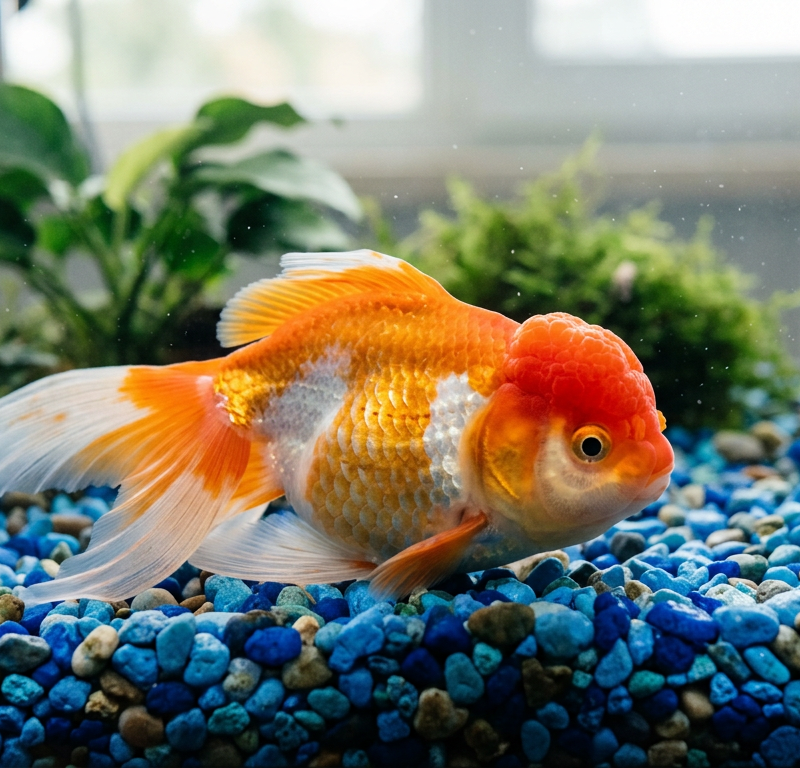
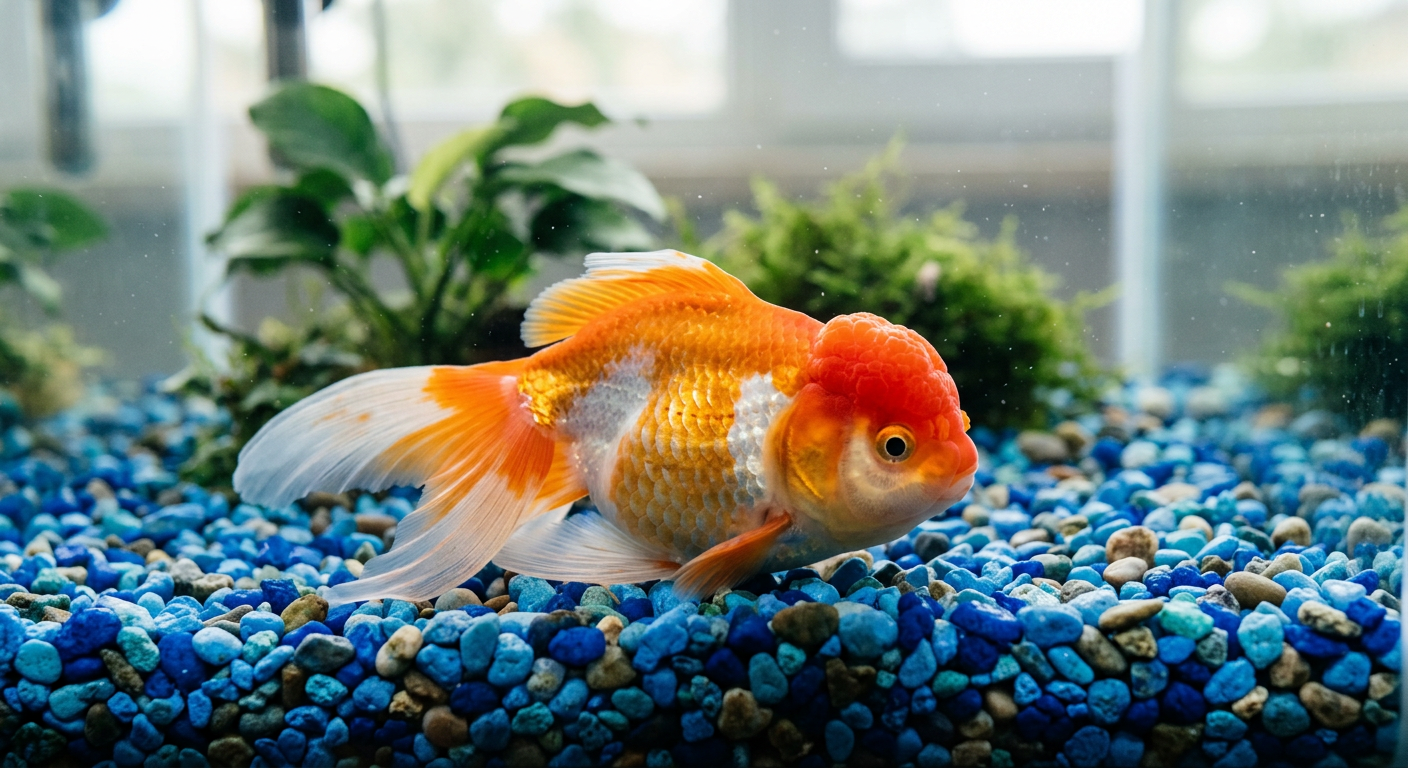
Watching your aquatic friends glide through the water is one of the most relaxing parts of keeping an aquarium. However, it can be quite concerning when you notice your goldfish sitting at bottom not swimming as they usually do. While goldfish occasionally rest, persistent bottom-sitting often indicates that something in their environment or their physical health needs a little extra attention.
This behavior, often referred to by enthusiasts as "bottom-sitting," is a common sign that your fish is experiencing some form of discomfort. In most cases, these issues are manageable if caught early. By understanding the common reasons behind this shift in activity, you can take proactive steps to ensure your goldfish returns to its playful, energetic self.
Understanding the Environment and Water Quality
The most frequent reason for a goldfish to stay at the bottom of the tank relates to water chemistry. Goldfish are high-waste producers, which means ammonia, nitrites, and nitrates can build up quickly if the filtration system isn't robust or if water changes are infrequent. When these levels rise, it can lead to lethargy and respiratory distress.
Ammonia and Nitrite Spikes
Ammonia is toxic to fish even in small amounts. When levels spike, a goldfish may sit at the bottom to conserve energy while its body tries to process the toxins. Regular testing with a high-quality liquid test kit is the best way to monitor these levels and ensure a safe habitat.
The Role of Water Temperature
Goldfish are cold-water fish, but they still have a preferred range. If the water becomes too cold, their metabolism slows down significantly, leading to less movement. Conversely, if the water is too warm, the oxygen levels drop, which might cause a fish to hover near the bottom or gasping at the surface. Finding a stable middle ground is key for consistent energy levels.
For more insights on how different species react to their environment, you might find our guide on reading behavior in reptiles and aquarium fish helpful for broadening your perspective on aquatic care.
Common Wellness Considerations and Health Factors
If your water parameters are perfect, the next step is to look at the fish itself. A goldfish resting on the gravel for long periods might be dealing with internal discomfort. Like any other pet, goldfish can suffer from digestive issues or minor infections that temporarily zap their energy.
Digestive Health and Constipation
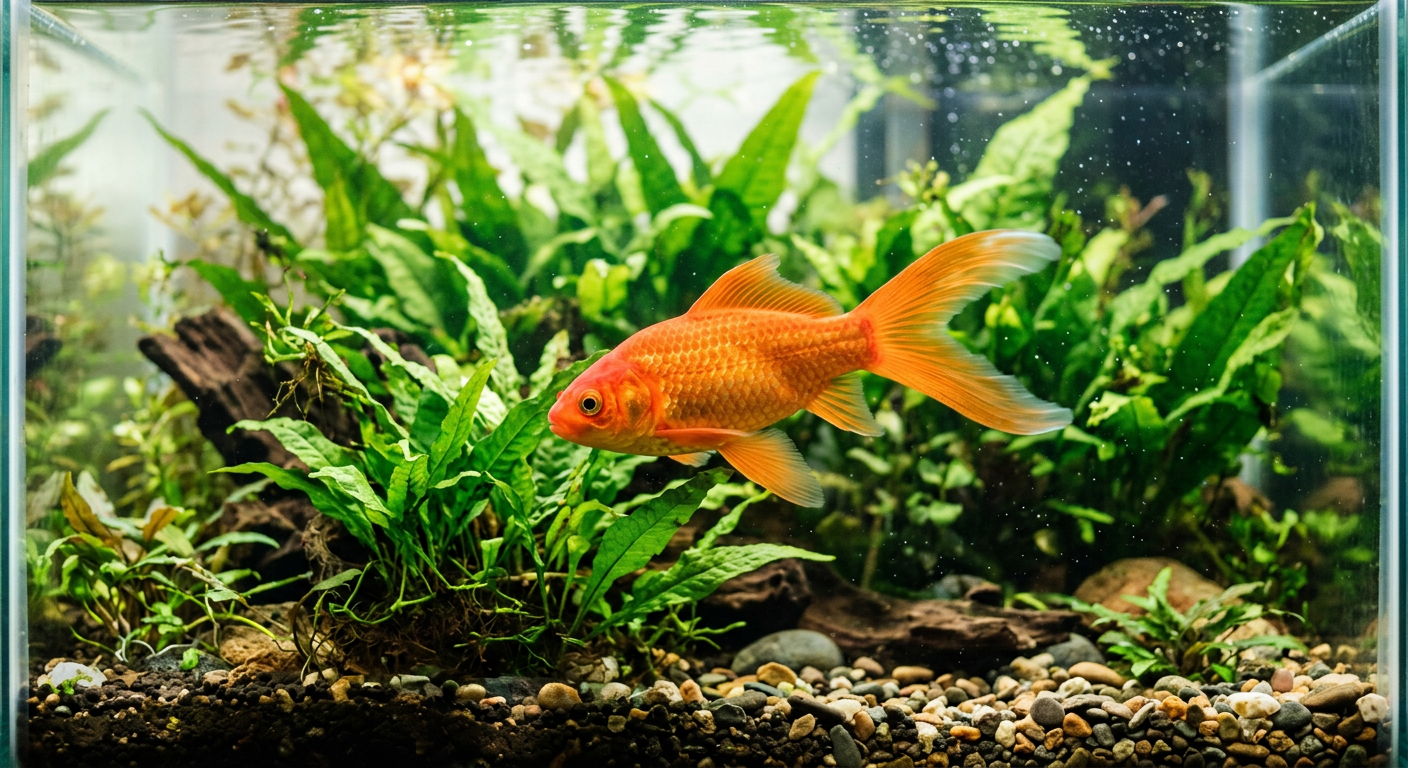
Goldfish are notorious for overeating, and their anatomy makes them prone to constipation. A bloated belly can make it difficult for them to swim upward, leading them to stay low in the tank. Feeding high-fiber foods, such as blanched peas with the skins removed, can often help get their digestive system back on track.
Swim Bladder Issues
The swim bladder is the organ that helps a fish maintain buoyancy. If this organ becomes inflamed or compressed, the fish may struggle to stay upright or sink to the bottom. While this sounds serious, it is often related to diet or water quality and can frequently be managed with corrective care and advice from an aquatic veterinarian.
- Monitor for any pinecone-like scales (dropsy).
- Check for clamped fins (fins held tight against the body).
- Look for white spots or fuzzy patches on the scales.
- Observe if the fish is breathing heavily or erratically.
Stress and Behavioral Factors
Sometimes, the reason a fish is staying low is purely behavioral or stress-related. New environments, aggressive tank mates, or even loud noises near the tank can cause a goldfish to seek refuge at the bottom. Stress impacts the immune system, so creating a calm environment is a vital part of proactive wellness care.
New Tank Syndrome
If you have recently moved your fish to a new home, they may experience "new tank syndrome." This isn't just about water chemistry; it's also about the stress of a new environment. Give your fish a few days to acclimate, keeping the lights dim to help them feel secure while they explore their new surroundings at their own pace.
Overcrowding and Social Dynamics
Goldfish are social, but they need their space. In an overcrowded tank, a subordinate fish might stay at the bottom to stay out of the way of more dominant tank mates. Ensuring your tank is large enough—usually 20 to 30 gallons for the first fish and more for each additional one—is essential for a peaceful community.
How to Support Your Goldfish Recovery
When you see your goldfish sitting at bottom not swimming, the first step should always be a partial water change. Replacing about 25-30% of the water with conditioned, temperature-matched water can often provide immediate relief by diluting toxins and increasing oxygen levels.
If the behavior continues, consider fasting the fish for 24 to 48 hours to rule out digestive backup. This gives their system a break and can help resolve buoyancy issues. Always keep a close eye on their behavior during this time. Just as you might use a Labrador Retriever age calculator to understand a dog's life stage, understanding the life cycle and needs of your goldfish helps you provide age-appropriate care.
Consulting a Professional
While many cases of bottom-sitting are resolved with water changes and diet adjustments, persistent lethargy requires professional advice. If your fish shows no improvement after environmental corrections, reaching out to a veterinarian who specializes in aquatic animals is the best course of action. They can provide specific treatments or medications that are safe for your specific breed of goldfish.
Maintaining a Healthy Habitat Long Term
Prevention is always better than treatment. Establishing a routine of weekly water testing and bi-weekly water changes creates a stable environment where goldfish can thrive. Avoid overfeeding, as uneaten food decays and contributes to the very water quality issues that lead to lethargy.
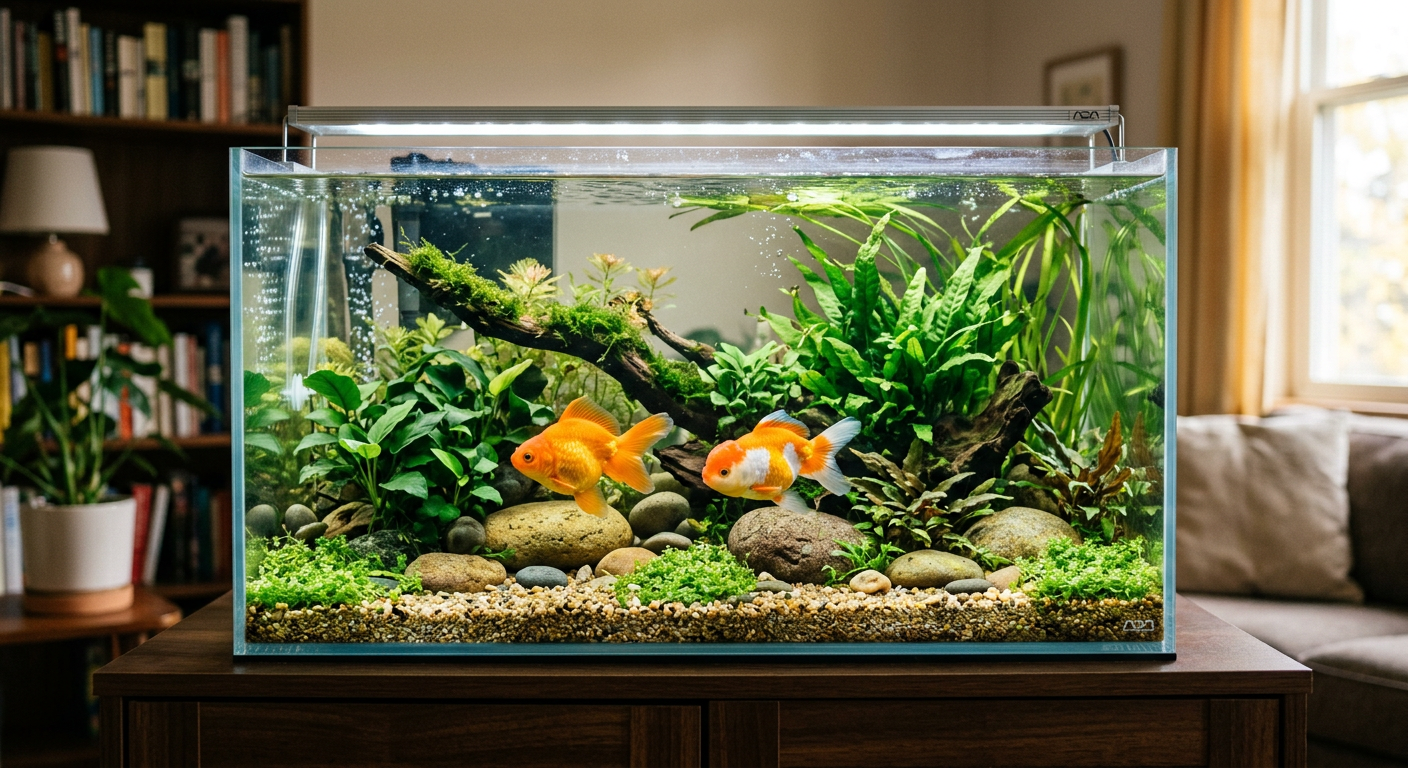
Providing enrichment, such as live plants or smooth decor, gives your goldfish places to explore and hide, reducing overall stress levels. A happy, stimulated goldfish is much more likely to be active and curious rather than spending its days resting on the substrate.
Conclusion
Finding your goldfish sitting at bottom not swimming can be a moment of concern, but it is usually a signal to check the basics of their care. By monitoring water quality, managing their diet, and ensuring a stress-free environment, you are giving your pet the best chance at a long and healthy life. Remember to stay observant, act quickly on water quality issues, and always consult a professional for health concerns.