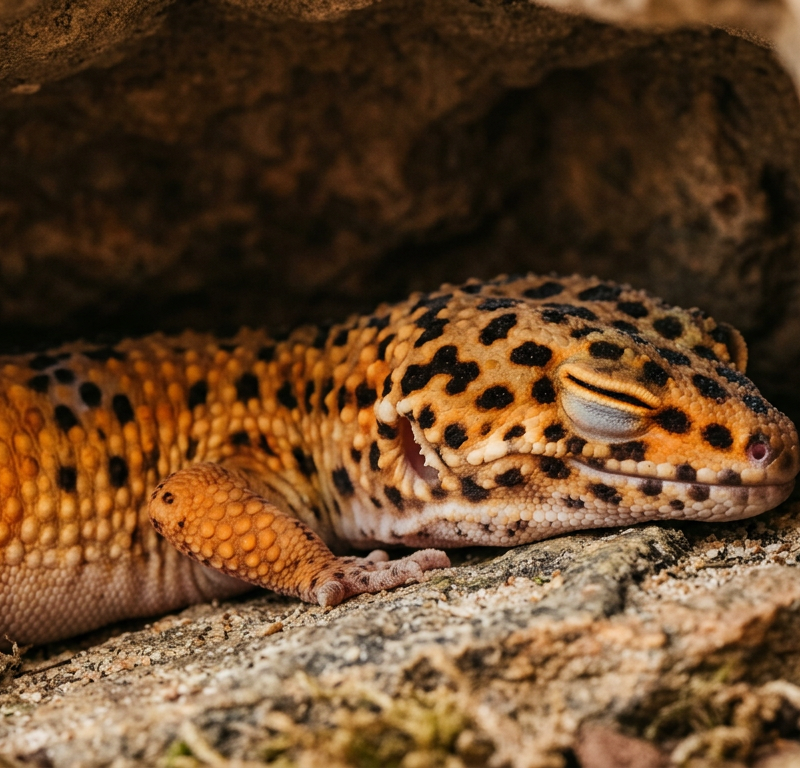
Observing your leopard gecko or crested gecko throughout the day is one of the joys of reptile ownership. However, if you notice your gecko eyes staying closed during day hours when they should be resting or occasionally peering around, it often sparks questions about their well-being. While geckos are famous for their unique ocular anatomy, seeing them keep their lids shut (if they have them) or appearing "sunken" can be a sign that they need a little extra care.
In the reptile world, blinking and eye closure are significant indicators of health. Because many common pet geckos, such as leopard geckos, possess movable eyelids, their eye state is a visible window into their hydration and comfort levels. For species without eyelids, like crested geckos, the "closed" look usually involves the eye retracting slightly into the socket. Understanding why this happens helps you stay proactive about their wellness.
Common Reasons for Daytime Eye Closure
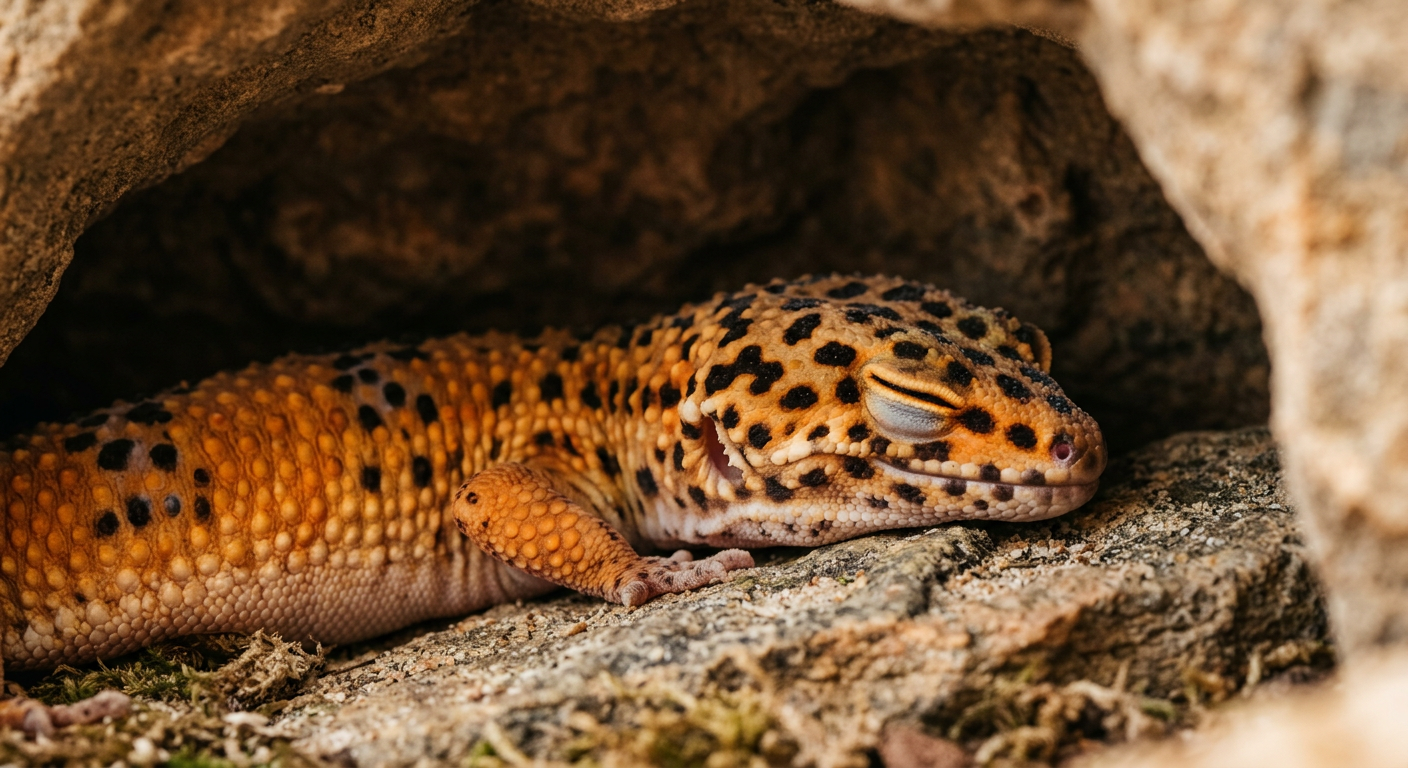
There are several natural and environmental reasons why your reptile might keep their eyes shut. Since many geckos are crepuscular or nocturnal, they spend a large portion of the daylight hours sleeping. If they are tucked away in a dark hide, it is perfectly normal for them to have their eyes closed to block out light and rest deeply.
However, if your gecko is out in the open or shifting around with their eyes pressed shut, it may be a response to bright overhead lighting. Reptiles are sensitive to "phototoxicity" if their UVB or basking lamps are too intense or placed too close to their favorite perches. If the light is uncomfortable, they will instinctively protect their vision by closing their eyes.
Low Humidity and Dehydration
Hydration plays a massive role in ocular health. When a gecko is dehydrated, the fluid levels behind the eye can drop, making the eyes look sunken or difficult to open. This is particularly common in tropical species that require consistent misting to maintain high ambient humidity.
Low humidity also interferes with the shedding process. If a gecko cannot shed the skin around its face properly, "retained shed" can get stuck over the eye or under the eyelid. This creates physical discomfort, leading to the gecko keeping the eye closed to avoid irritation against the dry skin. You can learn more about similar environmental stressors in our guide on bearded dragon glass surfing meaning.
Identifying Ocular Irritation and Infections
If you notice that only one eye is closed or if there is visible discharge, your pet may be dealing with an irritation or a mild infection. Substrate particles, such as loose sand or fine dust, can easily get lodged under a leopard gecko's eyelid. This causes redness and swelling, which forces the gecko to keep the eye protected and shut.
Bacterial infections, often called conjunctivitis in the reptile world, can also cause the eyes to stay shut. You might see a cloudy appearance, a "crusty" residue around the edges, or a swollen lid. In these cases, a visit to an exotic veterinarian is essential to receive the correct antibiotic drops or saline flushes.
Vitamin A Deficiency
Dietary balance is a pillar of reptile health. Vitamin A is crucial for maintaining the epithelial tissues, including the lining of the eyes and tear ducts. If a gecko's diet lacks sufficient Vitamin A, the glands in the eye can swell or produce a thick discharge that "glues" the eye shut.
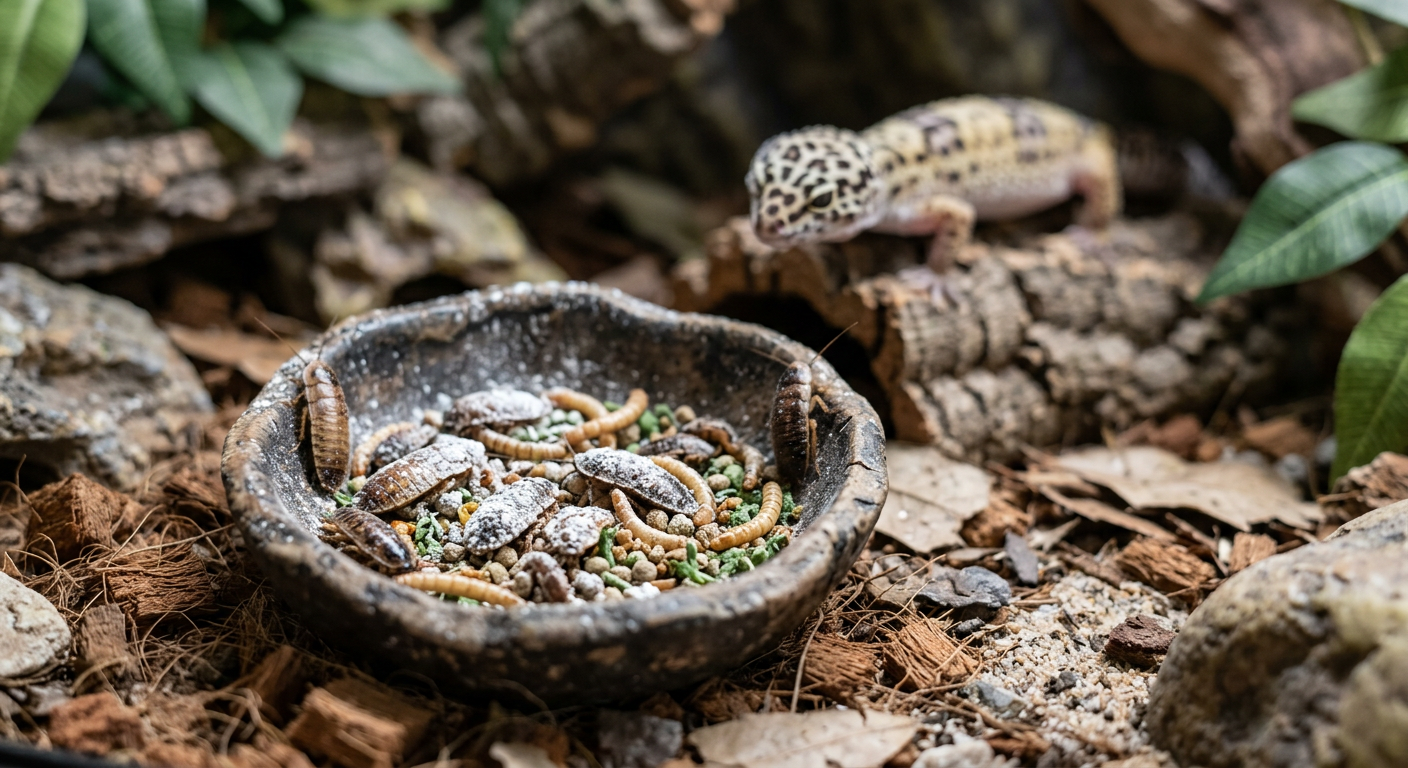
- Provide high-quality gut-loaded insects.
- Use a reputable calcium and multivitamin powder with preformed Vitamin A (retinol).
- Rotate feeder insects to ensure a broad nutritional profile.
Habitat Adjustments for Better Eye Health
Maintaining the perfect environment is the best way to prevent gecko eyes staying closed during day cycles. Start by reviewing your hygrometer and thermometer readings. Most leopard geckos thrive with a humid hide that stays at 70-80% humidity, even if the rest of the tank is drier. For tropical geckos, ensure you are misting at least twice daily.
If you suspect lighting is the issue, check the distance of your UVB bulb. Bulbs that are too strong for the enclosure size can cause "photo-kerato-conjunctivitis," which is essentially a sunburn on the surface of the eye. Providing plenty of foliage and "leaf litter" allows your gecko to choose how much light exposure they receive.
Safe Substrate Choices
To prevent physical debris from irritating the eyes, consider using solid substrates. Paper towels, slate tiles, or specialized reptile carpets (cleaned regularly) are much safer than loose sand or crushed walnut shells. If your gecko's eyes are staying shut and you use loose bedding, switching to a solid floor often resolves the issue within a few days.
Regularly cleaning the enclosure is also vital. Waste buildup can increase ammonia levels in a small space, which can irritate the delicate membranes of a gecko's eyes. A clean home leads to a clear-eyed pet. For more tips on reptile care, see our article on leopard gecko not eating for two weeks.
When to Consult a Veterinarian
While minor irritations from shedding can sometimes be helped with a gentle lukewarm soak, persistent eye closure requires professional attention. If your gecko has not opened their eyes for more than 24 hours, or if you see significant swelling, it is time for a checkup. Reptiles are masters at hiding discomfort, so a gecko keeping its eyes closed is often a loud signal that something is wrong.
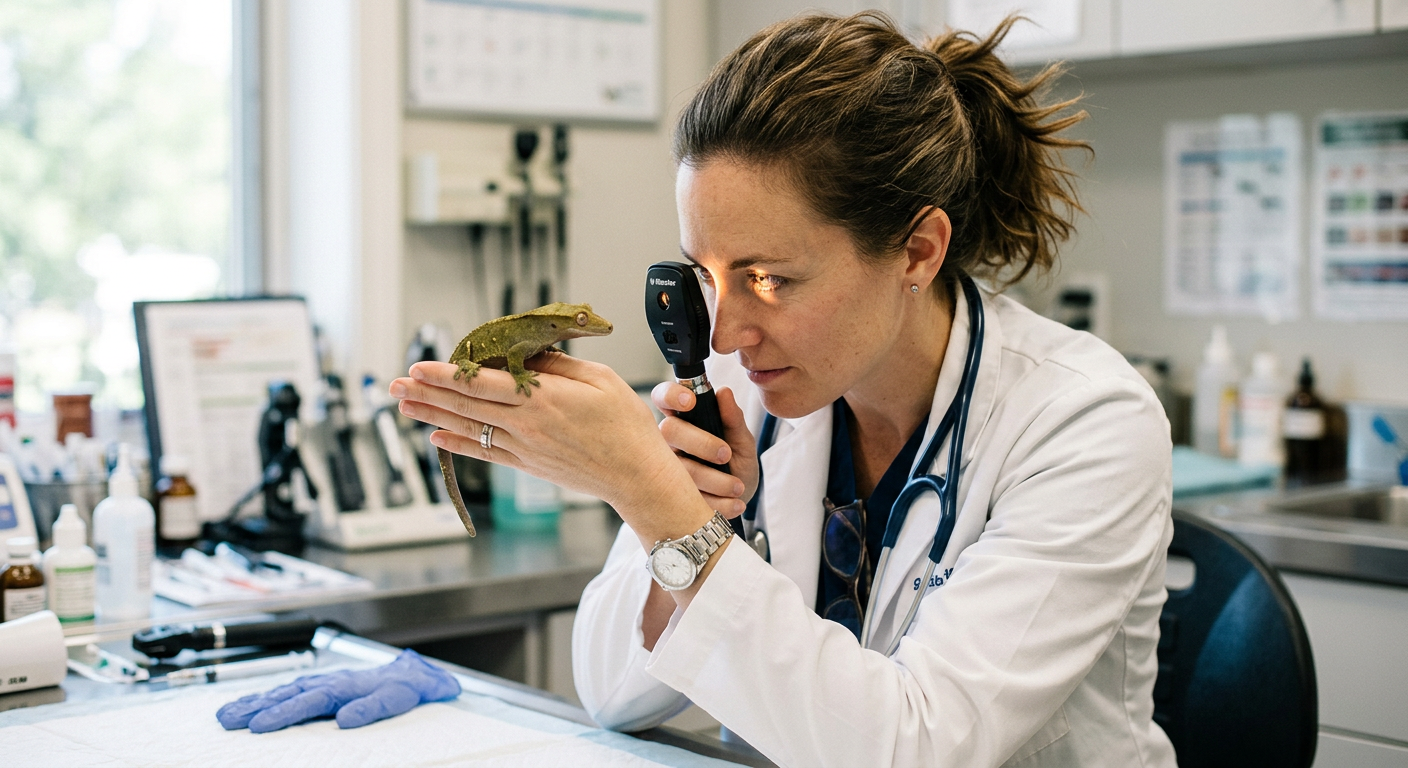
A veterinarian specializing in exotics can perform a "fluorescein stain" to check for scratches on the cornea. They can also safely remove stuck shed that might be deep within the eyelid pocket where a keeper cannot reach. Early intervention ensures that a simple irritation doesn't turn into a permanent vision issue.
Behavioral Monitoring
Keep a journal of when your gecko's eyes are shut. Is it only when the basking light is on? Is it after a particularly difficult shed? By tracking these patterns, you provide your vet with valuable data. Much like comparing different dog breeds at beagle vs poodle, every reptile species has unique "baseline" behaviors that you should get to know.
Conclusion
Observing gecko eyes staying closed during day hours is often a sign of a sleepy pet, but it can also be a subtle hint about habitat quality. By focusing on proper humidity, appropriate lighting, and a Vitamin-A-rich diet, you can support your gecko's long-term ocular health. Always prioritize a gentle approach and consult a professional if you suspect an infection or injury is causing your gecko to remain in the dark.