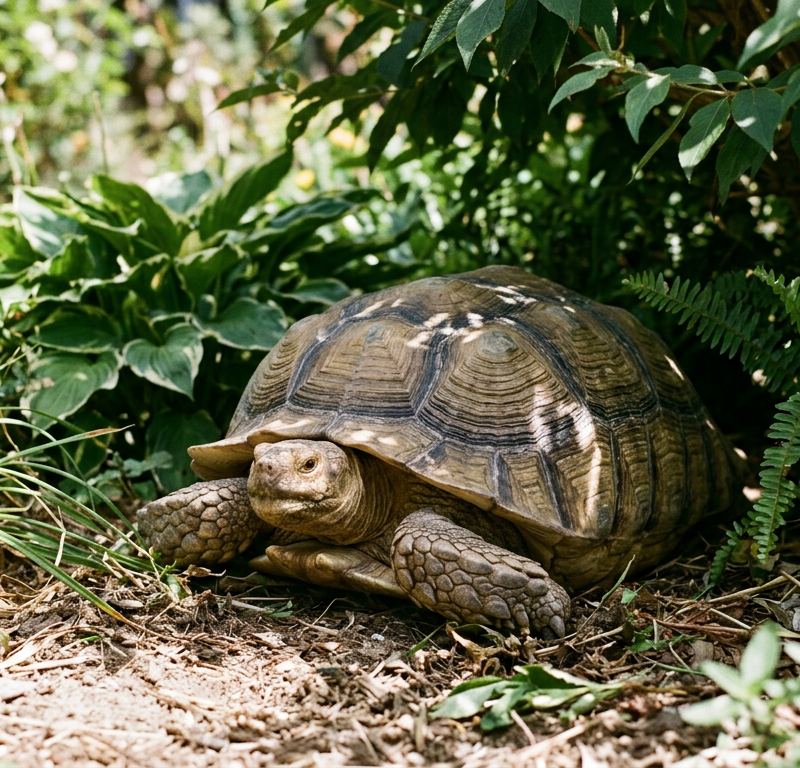
Observing a tortoise not moving much in summer can be a confusing experience for many reptile keepers. We often associate warm weather with high activity levels for cold-blooded creatures. While tortoises rely on external heat to function, extreme summer temperatures can actually lead to a decrease in their daily movement.
Understanding why your shelled companion is slowing down involves looking at their environmental conditions and natural survival instincts. In many cases, a less active tortoise is simply trying to manage its internal body temperature. By learning the signs of healthy rest versus potential health concerns, you can ensure your pet stays comfortable during the hottest months of the year.
If you also care for other unique pets, you might find our guide on reading behavior in reptiles and aquarium fish helpful for broadening your understanding of exotic animal communication.
Understanding Thermal Regulation and Summer Sluggishness
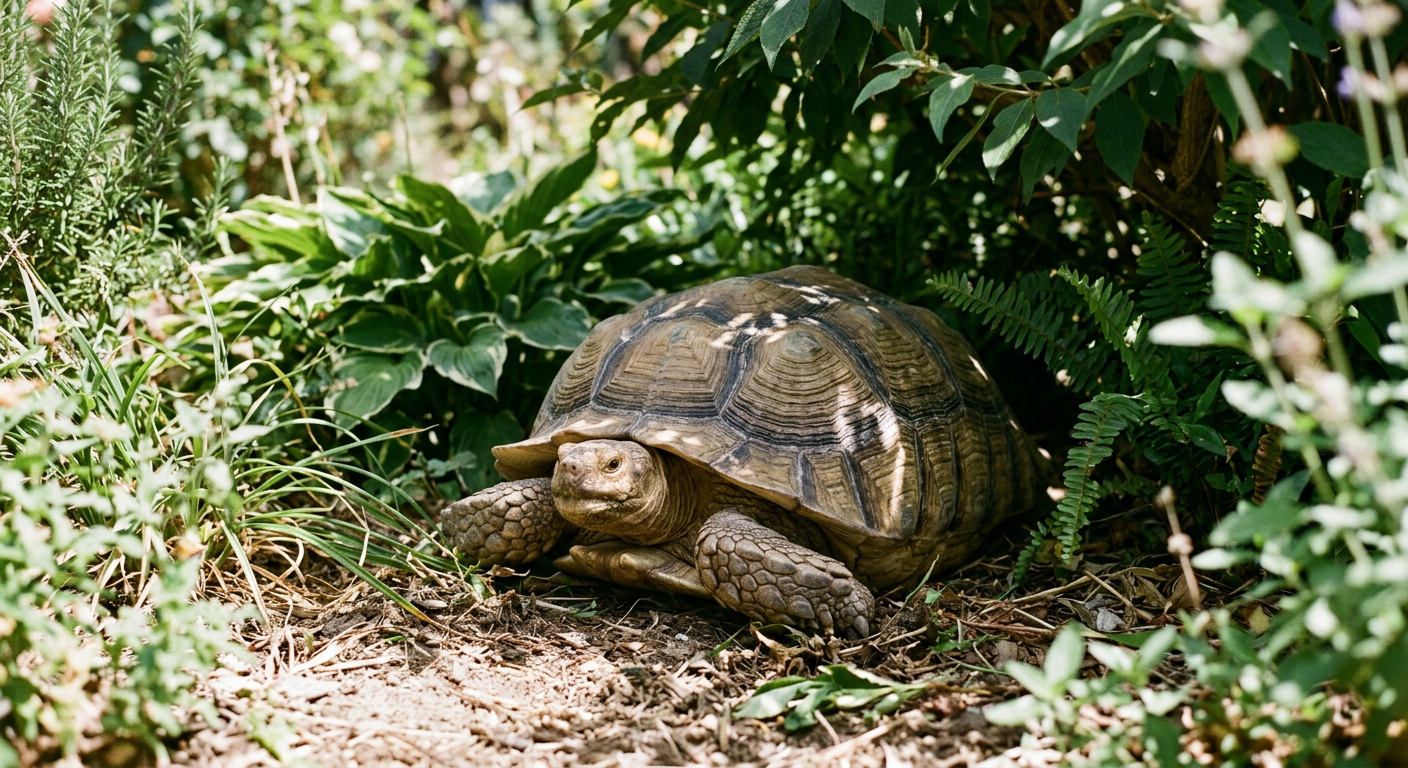
The primary reason for a tortoise not moving much in summer is thermoregulation. Tortoises are ectotherms, meaning they cannot produce their own body heat. While they need warmth to digest food and move, they also have a "goldilocks" zone where their bodies function best.
When the ambient temperature rises above their preferred range, moving around becomes physically taxing and dangerous. To prevent overheating, a tortoise will naturally seek out a cool, shaded spot and stay there for several hours. This behavior is a sign of a healthy, self-regulating reptile rather than a cause for immediate alarm.
The Role of Aestivation
In the wild, many tortoise species practice a form of summer "hibernation" known as aestivation. This occurs during periods of extreme heat or drought when food and water become scarce. The animal slows its metabolism significantly to conserve energy and moisture.
While most captive tortoises do not enter full aestivation because we provide consistent resources, they still retain the biological urge to slow down. If your indoor or outdoor enclosure is reaching high temperatures, your pet may be mimicking this natural survival tactic by remaining stationary in a burrow or under a log.
Evaluating the Environment
If you notice your pet is particularly lethargic, the first step is to check the temperatures within their habitat. An outdoor tortoise not moving much in summer may be struggling with a lack of accessible shade. Without a way to escape the direct sun, they may stop moving entirely to avoid further exertion.
Indoor enclosures can also become too warm if they are placed near windows or if the room's air conditioning is insufficient. Use a reliable digital thermometer to check both the "basking" and "cool" ends of the enclosure. If the cool side is above 85-90°F (depending on the species), your tortoise has nowhere to go to lower its body temperature.
Checking Humidity and Hydration
Heat and low humidity are a tiring combination for any reptile. Dehydration is a common cause for a tortoise to appear weak or unwilling to walk. Summer air, especially when influenced by fans or air conditioning, can strip moisture from the air quickly.
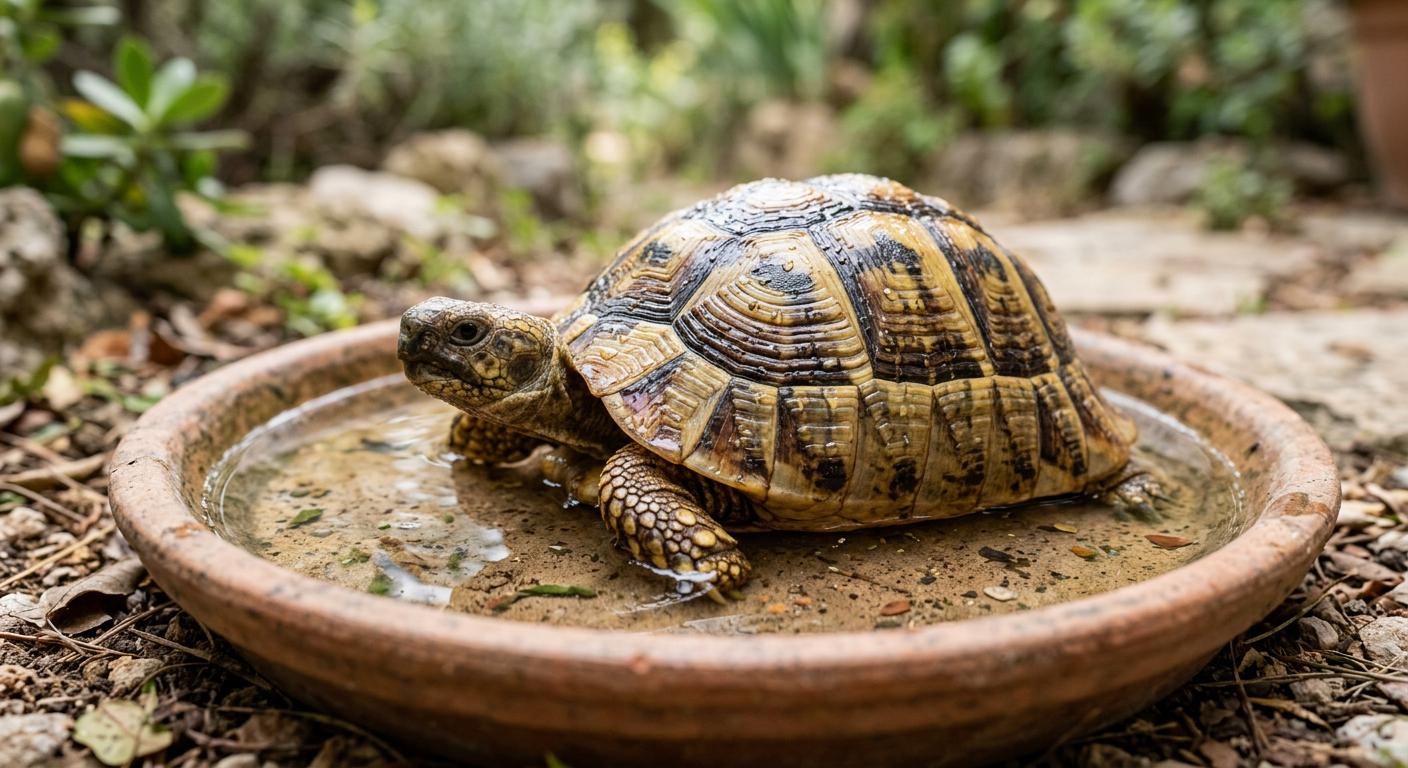
- Provide a shallow water dish large enough for the tortoise to climb into.
- Offer "reptile rain" or gentle misting sessions during the hottest part of the day.
- Ensure the substrate is slightly damp in areas to provide a humid microclimate.
- Conduct regular lukewarm soaks (15-20 minutes) to help them rehydrate through their skin and cloaca.
Common Summer Health Considerations
While most inactivity is related to heat management, sometimes a tortoise not moving much in summer could be experiencing a wellness issue. It is important to distinguish between "lazy summer behavior" and signs that require a visit to a specialized veterinarian.
Check for secondary symptoms such as discharge from the nose or eyes, or audible wheezing. Even in summer, tortoises can develop respiratory infections if their environment is too dry or if they are stressed by extreme temperature fluctuations. A healthy tortoise should still be alert when touched or offered a favorite treat, even if they aren't walking around their pen.
Appetite and Digestive Health
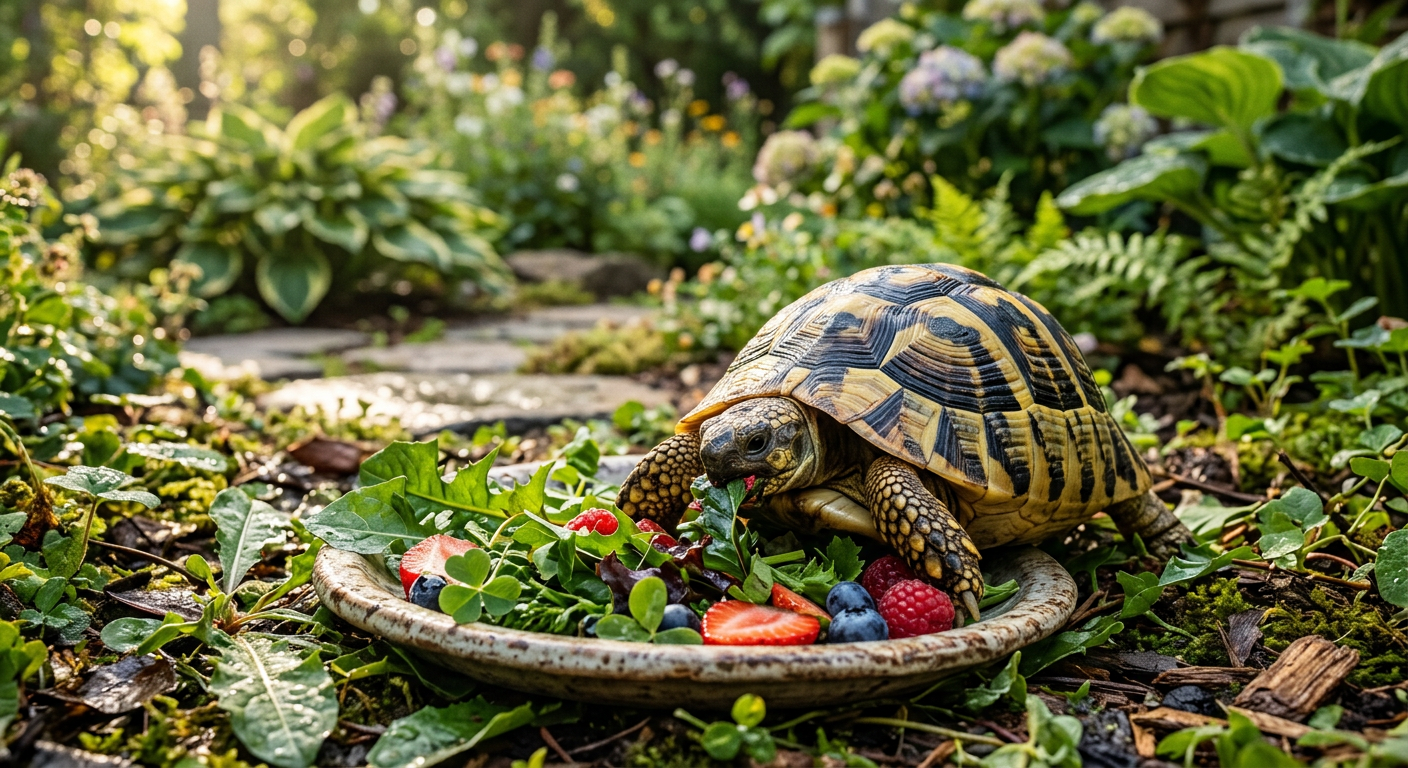
A tortoise that isn't moving often won't eat as much. Digesting fibrous weeds and grasses requires significant energy and a specific internal temperature. If they are staying in the shade to stay cool, they might skip meals to avoid the heat of the basking area.
However, if your tortoise refuses food for more than a few days despite having access to cooler areas, it may be time to consult a pro. If you are comparing pet behaviors across species, you might notice similar patterns in lizards; for example, we've discussed a leopard gecko not eating for two weeks in our other care guides.
Optimizing the Summer Enclosure
To help a tortoise that is staying still due to heat, you can make several adjustments to their environment. For outdoor tortoises, planting edible shrubs provides "living shade" which stays much cooler than plastic or wooden hides. These plants also hold moisture, creating a refreshing environment for your pet.
For indoor setups, consider adjusting your lighting schedule. You may want to have the basking lights go off during the peak heat of the afternoon and turn back on in the late evening. This mimics the natural cycle where animals are active during the "crepuscular" hours—dawn and dusk—when the air is cooler.
Substrate and Burrowing
Many tortoises prefer to spend their summer hours partially or fully buried. Soil and mulch are excellent insulators. If your substrate is too thin, the tortoise cannot dig down to find the cooler earth. Ensure they have at least 4-6 inches of a suitable soil mix so they can create their own temperature-controlled micro-habitat.
When to Consult a Veterinarian
While being proactive is great, there are specific signs that indicate a tortoise not moving much in summer needs medical attention. If your pet feels unusually light when you pick them up, or if their eyes appear sunken, these are signs of severe dehydration or illness. A tortoise that is limp or does not retract its legs when gently touched requires immediate professional care.
Reptiles are masters at hiding illness, so any change in behavior that lasts longer than a few days—especially if it includes a total lack of appetite—should be evaluated. A veterinarian can perform a physical exam and potentially run blood tests or X-rays to rule out parasites or infections that might be exacerbated by summer stress.
Proactive Summer Care Tips
Managing a tortoise’s activity levels during the heat of July and August is all about balance. By providing many choices within their environment, you allow the tortoise to decide how much they want to move based on their internal needs. Here is a quick checklist for summer tortoise wellness:
- Check basking and cool-zone temperatures daily with a digital thermometer.
- Increase the frequency of lukewarm soaks to three or four times a week.
- Provide extra shade using umbrellas, shade cloths, or large-leafed plants.
- Feed during the coolest parts of the day, such as early morning.
- Keep a fresh, clean water source available at all times.
Much like a bearded dragon glass surfing to communicate stress, a stationary tortoise is often telling you something about their environment. Listening to these subtle cues ensures a long and happy life for your shelled friend.
Conclusion
Finding your tortoise not moving much in summer is usually a natural response to the environment. By seeking shade and slowing down, these resilient animals protect themselves from overheating and dehydration. As a dedicated keeper, your role is to ensure they have the resources they need to stay cool and hydrated through the peak of the season. Always keep a close eye on their behavior and consult a veterinarian if you see any signs of distress beyond simple resting.