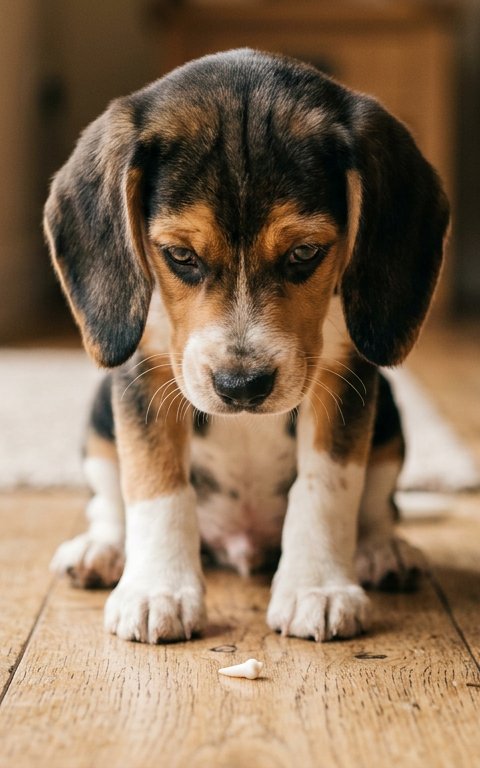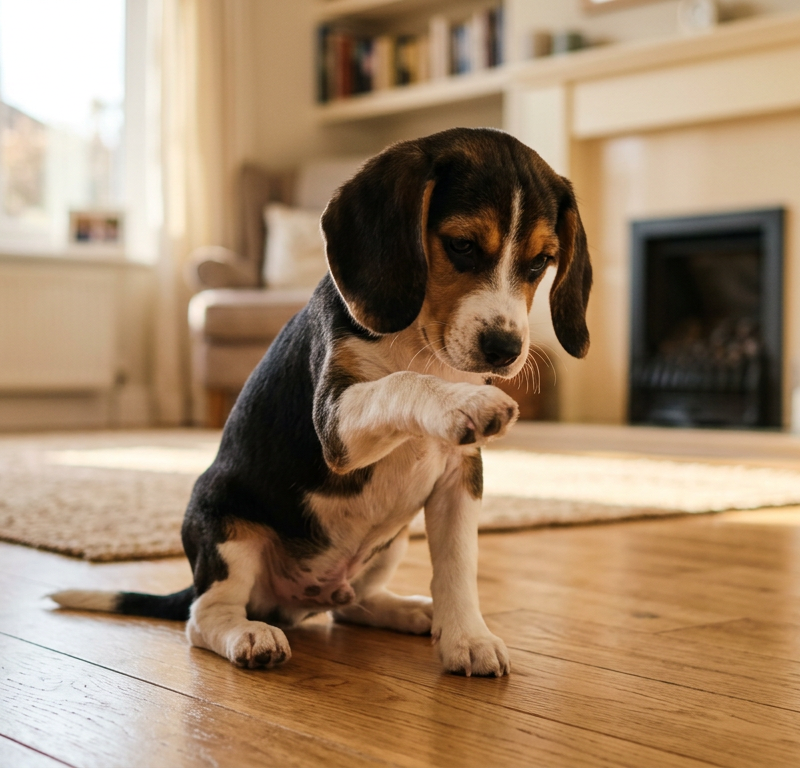
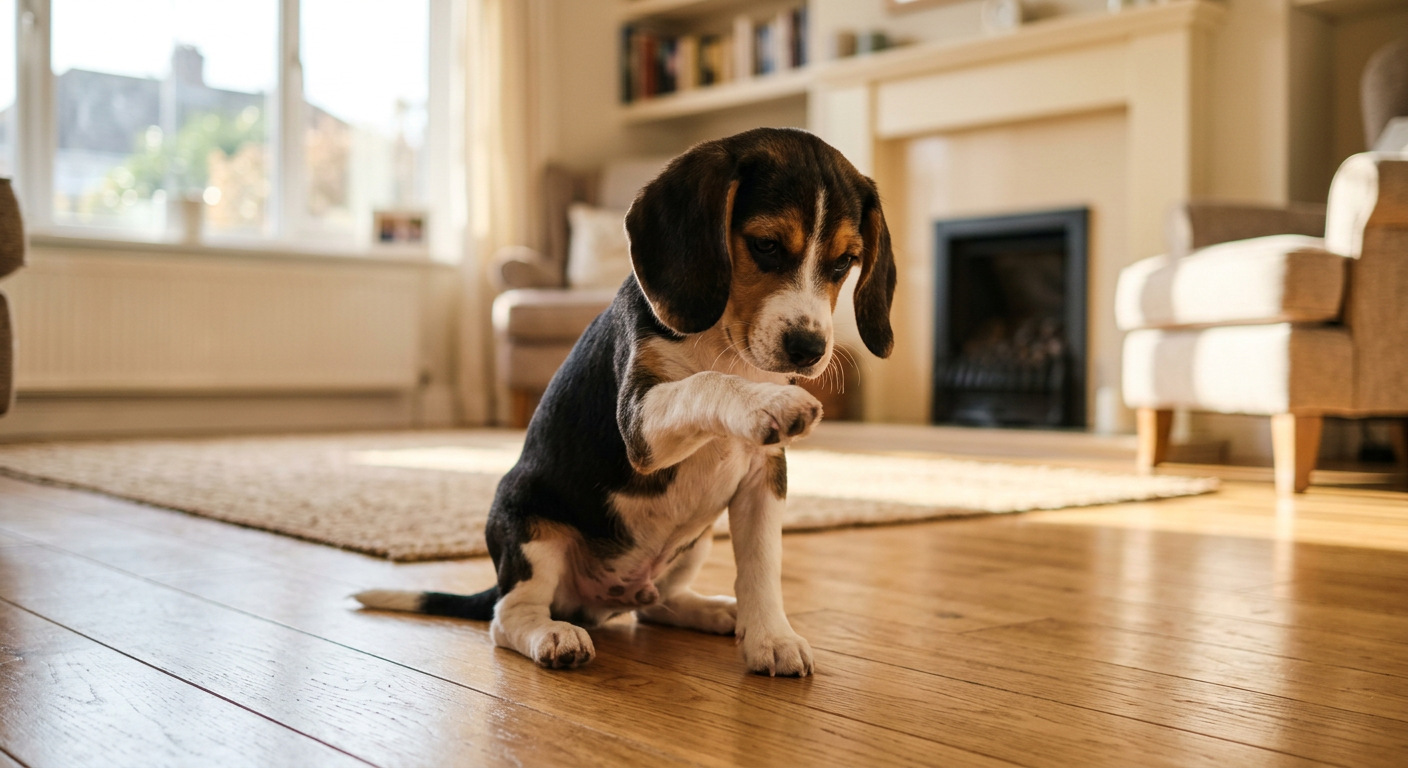
It can be quite a puzzle for a new pet parent when you notice your young dog favoring a paw. You might ask yourself, why is my puppy limping but not crying? Puppies are famously expressive, often yelping at the slightest pinch, so seeing them walk with a hitch in their step without making a sound can be confusing. However, dogs often process physical discomfort differently than humans do, and a silence doesn't always mean they aren't feeling a bit of a twinge.
In many cases, a quiet limp is simply a sign that your puppy is trying to protect an area that feels "off." This behavior is often a protective instinct rather than a sign of a major emergency. Understanding the common reasons behind this silent limping can help you decide when to offer a day of rest and when to call your veterinarian for a professional evaluation.
Common Physical Causes for a Silent Limp
Paw Pad Irritation and Foreign Objects
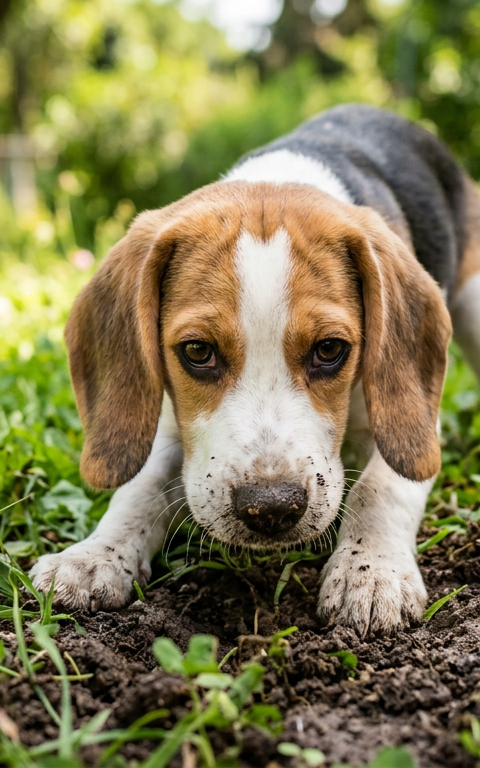
One of the most frequent reasons a puppy might favor a leg without crying is something stuck in the paw. Grass seeds, small pebbles, or even a dried piece of mud can get lodged between their toes. Since this feels more like a nagging annoyance than a sharp pain, they might simply walk gingerly to avoid pressing down on the object.
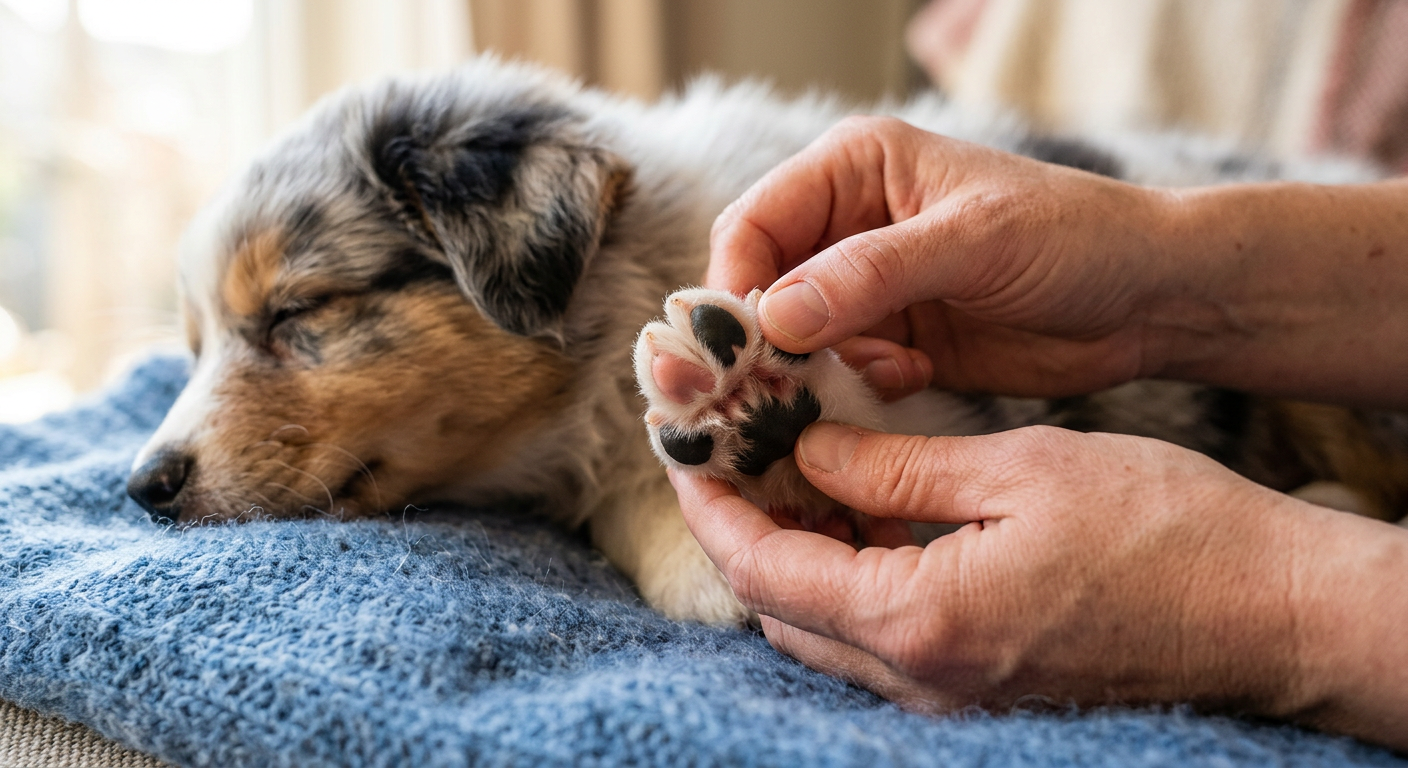
Check the pads for any redness, swelling, or signs of a "foxtail" burr. Also, look for cracked skin or small cuts. Puppies have very soft pads that haven't yet toughened up, making them more sensitive to hot pavement or icy sidewalks. If you find a small burr, gently removing it often solves the issue immediately.
Muscular Strains and Minor Sprains
Puppies are bundles of energy, often prone to the "zoomies." During these high-speed bursts, it is easy for them to take a corner too fast or slip on a hardwood floor. A minor muscle strain might make them stiff, leading to a visible limp when they first wake up from a nap. For more information on puppy resting habits, see our guide on puppy sleeping too much is that normal.
Growth Plate Sensitivity
Unlike adult dogs, a puppy's bones are still developing. They have soft areas at the ends of their long bones called growth plates. These areas stay open until the puppy reaches physical maturity. High-impact exercise, like jumping off a high couch or repetitive long-distance running, can cause inflammation in these sensitive areas, resulting in a temporary, quiet limp.
Developmental and Breed Specific Logistics
The size and breed of your dog can play a significant role in why they might be walking unevenly. Larger breeds, for instance, grow at a rapid pace, which puts unique stresses on their skeletal system. If you own a large breed, you might want to track their milestones using our golden retriever age calculator or the relevant tool for your puppy's breed.
Panosteitis (Growing Pains)
Often referred to as "pano," this condition involves inflammation in the long bones of the legs. It is common in medium to large breeds and often moves from one leg to another. A puppy with pano might limp for a few days, seem fine, and then start limping on a different leg. While it can be uncomfortable, many puppies do not cry out; they simply become less active or show a slight hitch in their gait.
Hypertrophic Osteodystrophy (HOD)
This is a less common developmental wellness consideration that typically affects fast-growing large breeds. It usually involves swelling near the joints. While often more serious than simple growing pains, early signs can be subtle. Keeping an eye on their gait and ensuring they are eating a balanced puppy-specific diet is key to supporting their growing bones.
- Monitor the duration: Does the limp last more than 24 hours?
- Check for location shift: Does the limp move from the front leg to the back leg?
- Observe energy levels: Is your puppy still interested in food and play?
- Search for swelling: Gently feel the leg for any heat or unusual bumps.
Why Puppies Don't Always Vocalize Pain
It is a common misconception that a dog in pain will always howl or whimper. In the animal kingdom, showing vulnerability can be a disadvantage. Many dogs have a high "stoicism" factor, meaning they instinctively hide signs of weakness. A puppy might be experiencing significant discomfort but will only show it through a change in movement or by being slightly more lethargic than usual.
Adrenaline also plays a part. If your puppy is excited about a game of fetch or a new friend, they might completely "forget" about a minor injury until they calm down. This is why you might notice your puppy limps late at night or after a long nap, once the excitement of the day has worn off and the muscles have had a chance to stiffen up.
When to Consult Your Veterinarian
While a temporary limp from a minor tumble isn't always cause for alarm, there are specific signs that indicate you should seek professional advice. Even if your puppy isn't crying, persistent changes in mobility deserve an expert's eye to ensure your puppy grows up strong and healthy.
The "Two-Day" Rule
A good rule of thumb for many pet parents is the 48-hour window. If your puppy has a slight limp but is still eating, drinking, and playing, you can try "crate rest" or limited activity for a day or two. If the limp does not improve or gets worse during this time, it is time to schedule a visit to the clinic. Physical exams and sometimes X-rays are the only way to rule out fractures or developmental issues.
Signs That Require More Immediate Attention
Even without vocalizing, some symptoms suggest you should call the vet sooner rather than later. These include:
- Drastic swelling in a joint or along the bone.
- A leg that is held completely off the ground (non-weight bearing).
- A sudden loss of appetite or refusal to drink water.
- Extreme lethargy or a reluctance to move at all.
Managing a Limping Puppy at Home
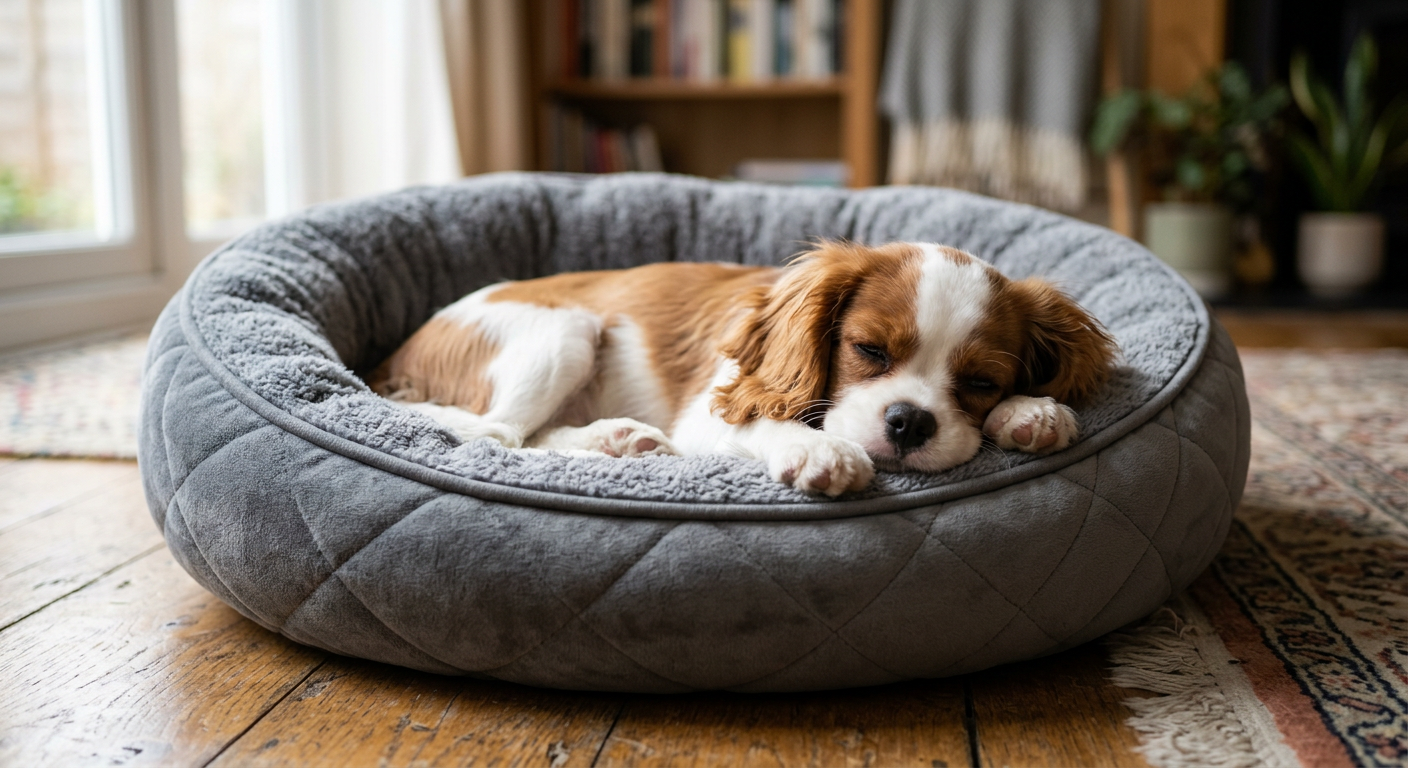
If you have determined that the injury is likely a minor strain, the best medicine is often rest. This can be challenging with a high-energy puppy! Use a crate or a small exercise pen to limit their movement. Prevent them from jumping on furniture or running up and down stairs until the limp has completely resolved.
Gentle Inspection
Perform a "nose-to-tail" check. Gently run your hands down the affected leg, starting at the shoulder or hip and working down to the toes. If your puppy flinches or pulls the leg away at a specific spot, you have found the source of the sensitivity. Do not attempt to "reset" a bone or apply human medications, as many of these are toxic to dogs.
Nourishment and Weight Management
Keeping your puppy at a healthy weight is vital for joint health. Excess weight puts unnecessary pressure on developing growth plates and can turn a minor strain into a chronic issue. If your puppy is struggling with their growth rate, check out our article on puppy not gaining weight despite eating well to ensure their nutrition is on the right track.
Conclusion
Seeing your young companion favor a leg can be worrying, but understanding why is my puppy limping but not crying often points to restorative rest or minor irritations. Puppies are resilient, but their growing bodies require a watchful eye. By observing their behavior, checking their paws, and enforcing a bit of "quiet time," you can help them navigate these minor hurdles.
Always trust your intuition as a pet parent. If a quiet limp persists or you feel something isn't right, your veterinarian is your best partner in proactive care. Addressing mobility issues early ensures your puppy can get back to their zoomies and adventures as soon as possible.